Faculty of Science and Engineering, Waseda University, 3-4-1 Okubo, Shinjuku, Tokyo, 169-8555, Japan.
Division of Bio-prosthodontics, Department of Oral Health Science, Niigata University Graduate School of Medical and Dental Sciences, 2-5274, Gakkocho-dori, Chuo-ku, Niigata, 951-8514, Japan.
Sci Rep. 2020 Feb 12;10(1):2438. doi: 10.1038/s41598-020-59395-4.
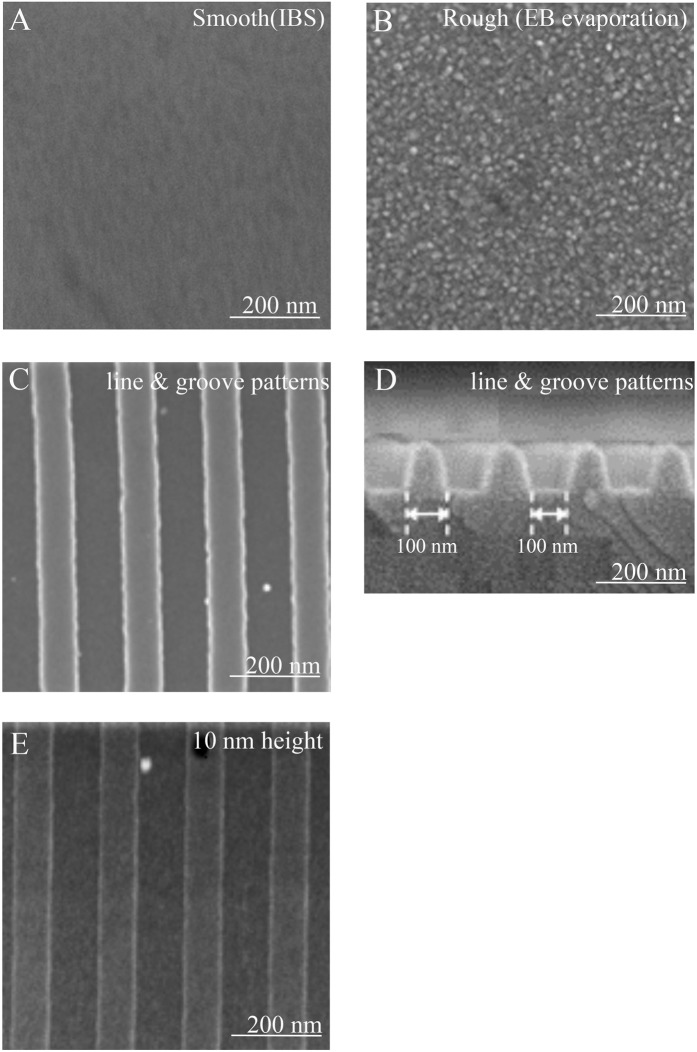
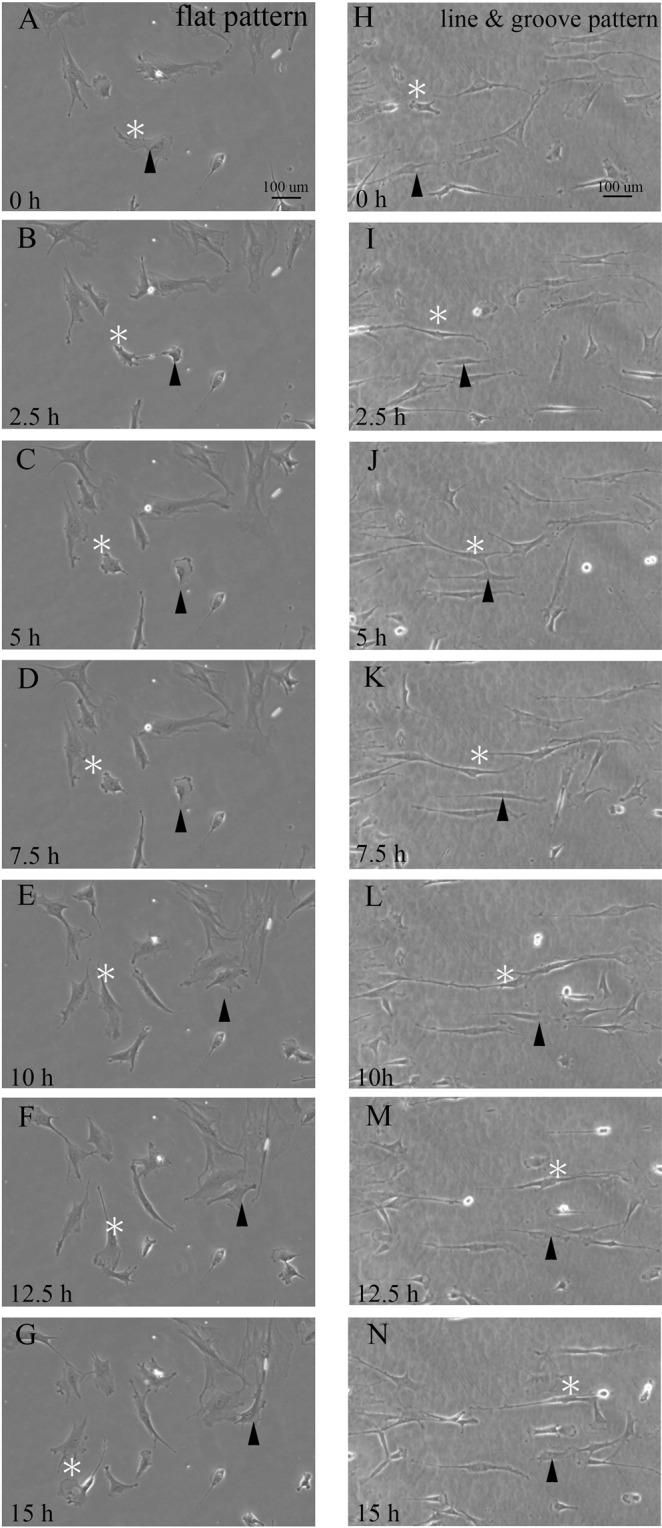
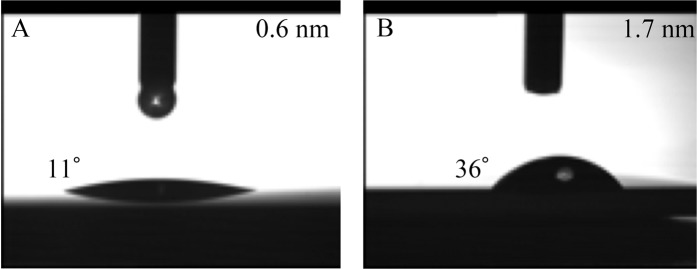
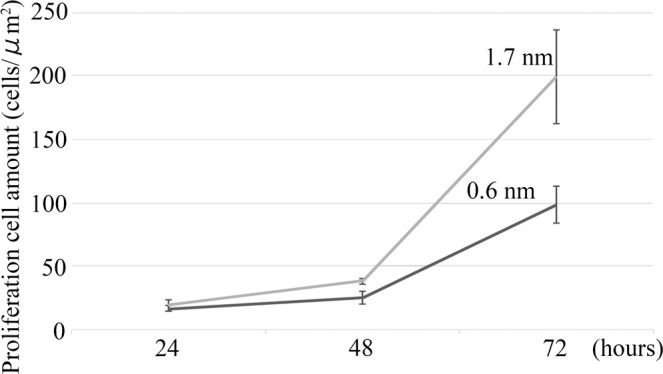
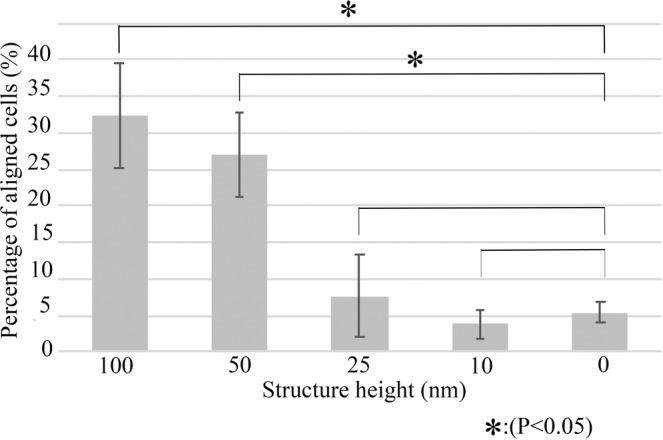
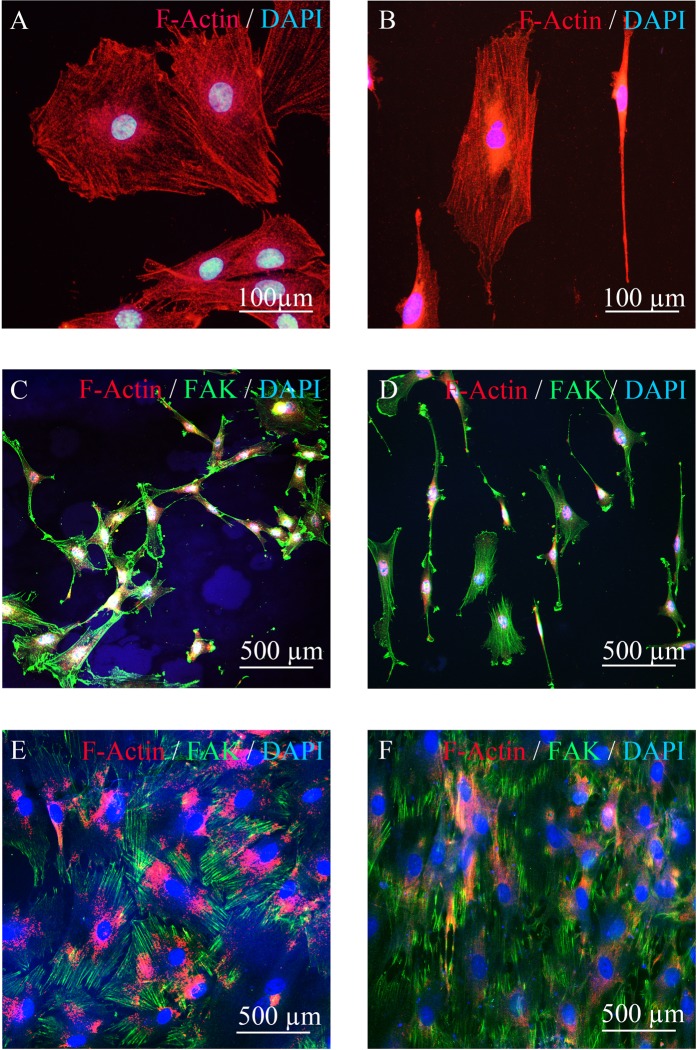
The micro- and nanosize surface topography of dental implants has been shown to affect the growth of surrounding cells. In this study, standardized and controlled periodic nanopatterns were fabricated with nanosized surface roughness on titanium substrates, and their influence on bone marrow stromal cells investigated. Cell proliferation assays revealed that the bare substrate with a 1.7 nm surface roughness has lower hydrophilicity but higher proliferation ability than that with a 0.6 nm surface roughness. Further, with the latter substrate, directional cell growth was observed for line and groove patterns with a width of 100 nm and a height of 50 or 100 nm, but not for those with a height of 10 or 25 nm. With the smooth substrate, time-lapse microscopic analyses showed that more than 80% of the bone marrow cells on the line and groove pattern with a height of 100 nm grew and divided along the lines. As the nanosized grain structure controls the cell proliferation rate and the nanosized line and groove structure (50-100 nm) controls cell migration, division, and growth orientation, these standardized nanosized titanium structures can be used to elucidate the mechanisms by which surface topography regulates tissue responses to biomaterials.
已证实,牙种植体的微观和纳米级表面形貌会影响周围细胞的生长。在这项研究中,在钛基体上制作出具有纳米级表面粗糙度的标准化和受控周期性纳米图案,并研究其对骨髓基质细胞的影响。细胞增殖试验表明,表面粗糙度为 1.7nm 的基底亲水性较低,但增殖能力比表面粗糙度为 0.6nm 的基底高。此外,在后一种基底上,观察到宽度为 100nm、高度为 50 或 100nm 的线和槽图案具有定向细胞生长,但高度为 10 或 25nm 的图案则没有。在光滑基底上,延时显微镜分析表明,超过 80%的骨髓细胞在线和槽图案(高度为 100nm)上沿着线生长和分裂。由于纳米级晶粒结构控制细胞增殖率,纳米级线和槽结构(50-100nm)控制细胞迁移、分裂和生长方向,因此这些标准化纳米级钛结构可用于阐明表面形貌调节生物材料组织反应的机制。