Watchman Karen, Mattheys Kate, Doyle Andrew, Boustead Louise, Rincones Orlando
University of Stirling, Stirling, United Kingdom.
Qual Health Res. 2020 Jun;30(7):1019-1032. doi: 10.1177/1049732319901127. Epub 2020 Feb 13.
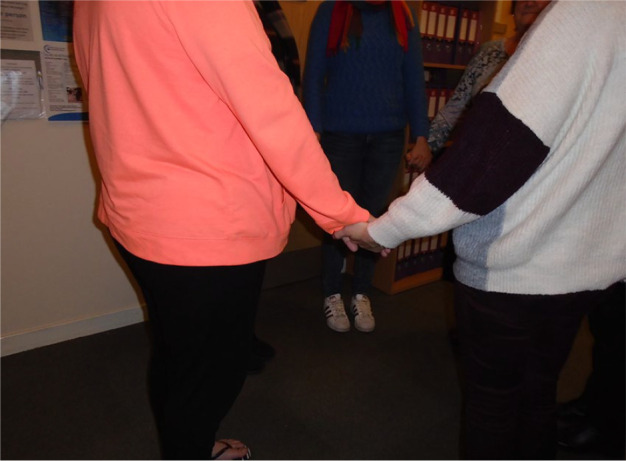
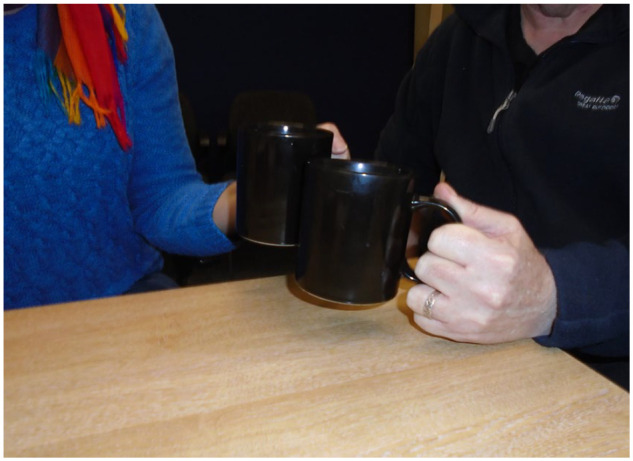
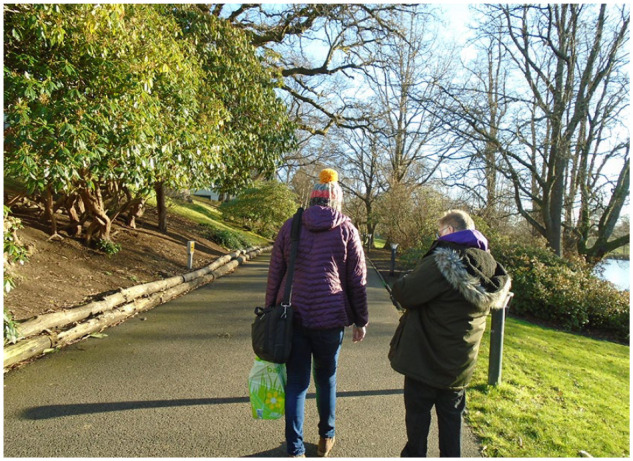
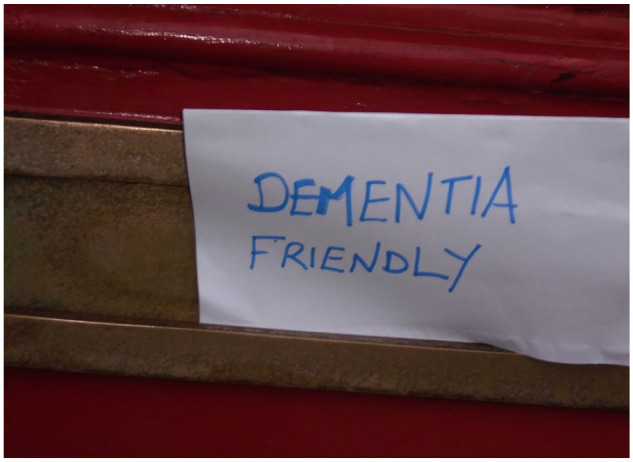
There is limited global evidence exploring perceptions of dementia among people with intellectual disabilities. This article presents findings from the first known study where an inclusive research team, including members with intellectual disability, used photovoice methodology to visually represent views of people with intellectual disabilities and dementia. Drawing on Freire's empowerment pedagogy, the study aims were consistent with global photovoice aims: enabling people to visually record critical dialogue about dementia through photography and social change. We investigated the benefits and challenges of photovoice methodology with this population and sought to identify perspectives of dementia from people with intellectual disabilities. Data collected identified issues such as peers "disappearing" and the importance of maintaining friendship as dementia progressed. Although reaching policymakers is a key aim of photovoice, this may not always be achievable, suggesting that revisiting Freire's original methodological aims may lead to improved outcomes in co-produced research with marginalized groups.
关于智障人士对痴呆症看法的全球证据有限。本文介绍了首个已知研究的结果,在该研究中,一个包容性研究团队,包括智障成员,采用照片声音方法直观呈现智障和痴呆症患者的观点。借鉴弗莱雷的赋权教学法,该研究目标与全球照片声音目标一致:使人们能够通过摄影和社会变革直观记录关于痴呆症的关键对话。我们调查了照片声音方法对这一人群的益处和挑战,并试图确定智障人士对痴呆症的看法。收集到的数据识别出了诸如同龄人“消失”以及随着痴呆症进展维持友谊的重要性等问题。尽管影响政策制定者是照片声音的一个关键目标,但这可能并不总是能够实现,这表明重新审视弗莱雷最初的方法目标可能会在与边缘化群体共同开展的研究中带来更好的结果。