Bordoni Bruno, Morabito Bruno, Simonelli Marta
Physical Medicine and Rehabilitation, Foundation Don Carlo Gnocchi, Milan, ITA.
Physical Medicine and Rehabilitation, School of Osteopathic Centre for Research and Studies, Milan, ITA.
Cureus. 2020 Jan 13;12(1):e6645. doi: 10.7759/cureus.6645.
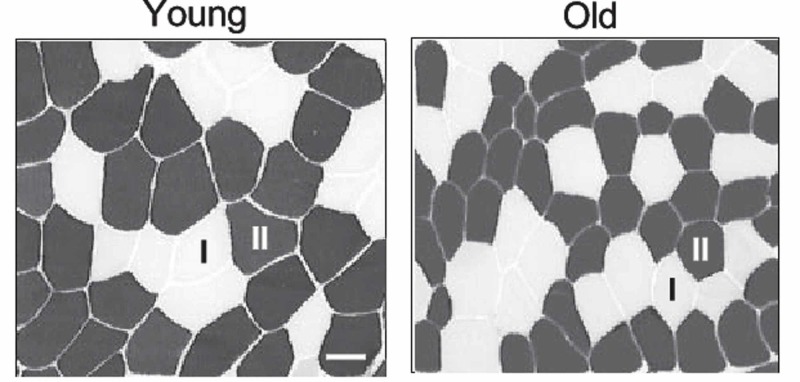
The diaphragm muscle is the most important contractile district used for breathing. Like other muscles in the human body, it is subject to ageing and sarcopenia. Sarcopenia can be classified as primary (or age-related) when there are no local or systemic pathologies that cause a functional and morphological detriment of skeletal musculature. Secondary sarcopenia occurs when there is a cause or more pathological causes (illness, malnutrition, immobility) related or unrelated to ageing. In the elderly population, transdiaphragmatic pressure (Pdi) decreases by 20-41%, with a decline in the overall strength of 30% (the strength of the expiratory muscles also decreases). The article discusses the adaptation of the diaphragm muscle to ageing and some other ailments and co-morbidities, such as back pain, emotional alterations, motor incoordination, and cognitive disorders, which are related to breathing.
膈肌是用于呼吸的最重要的收缩区域。与人体其他肌肉一样,它会经历衰老和肌肉减少症。当不存在导致骨骼肌功能和形态损害的局部或全身性病理状况时,肌肉减少症可被归类为原发性(或与年龄相关)。当存在一种或多种与衰老相关或不相关的病因(疾病、营养不良、不动)时,则会发生继发性肌肉减少症。在老年人群中,跨膈压(Pdi)下降20%-41%,整体力量下降30%(呼气肌力量也会下降)。本文讨论了膈肌对衰老以及其他一些疾病和合并症的适应性,这些疾病和合并症包括背痛、情绪改变、运动不协调以及与呼吸相关的认知障碍。