Wang Xia, Rezeng Caidan, Wang Yingfeng, Li Jian, Zhang Lan, Chen Jianxin, Li Zhongfeng
Department of Chemistry, Capital Normal University, No. 105, Xisanhuanbeilu, Haidian District, Beijing 100048, PR China.
College of Pharmacy, Qinghai Nationalities University, No. 3 Bayizhong Road, Xining 810000, PR China.
ACS Omega. 2020 Jan 28;5(5):2169-2179. doi: 10.1021/acsomega.9b03084. eCollection 2020 Feb 11.
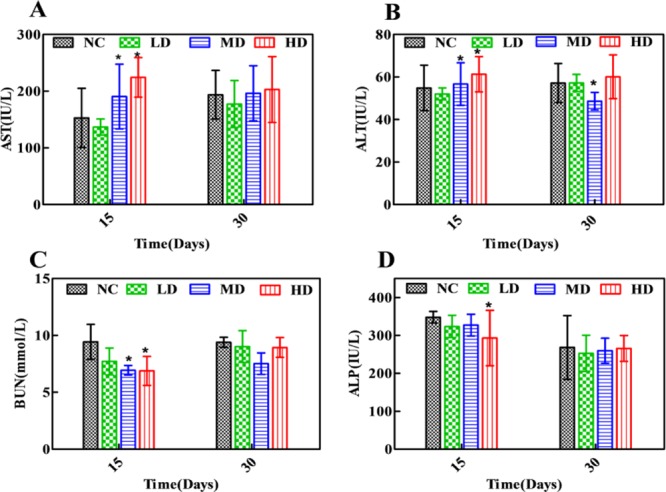
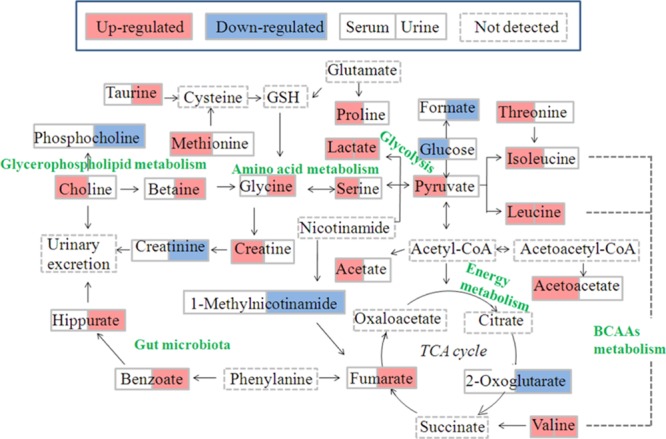
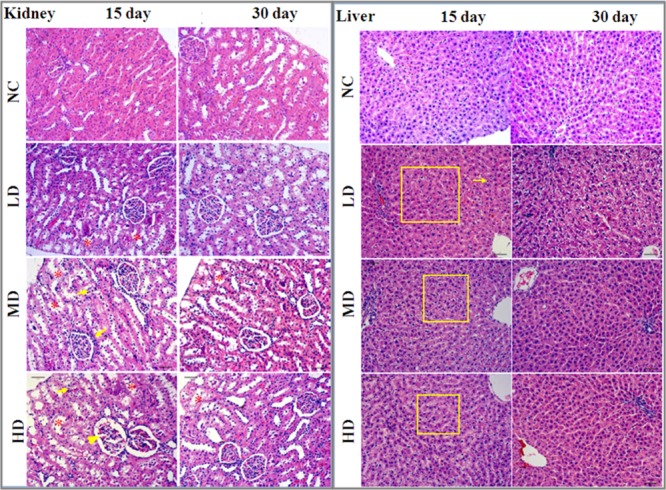
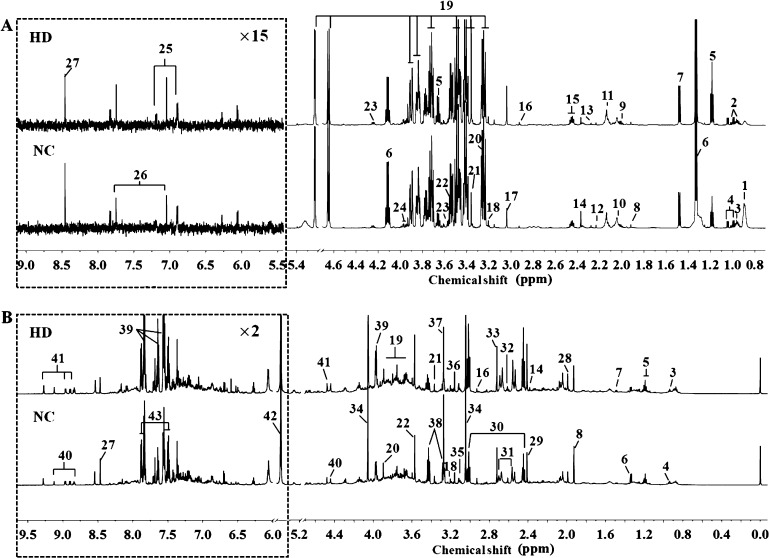
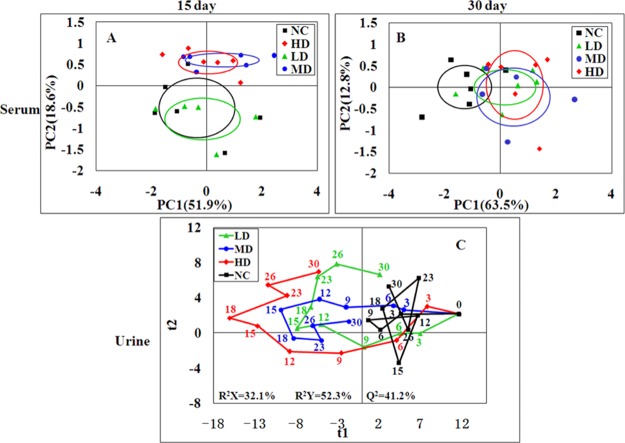
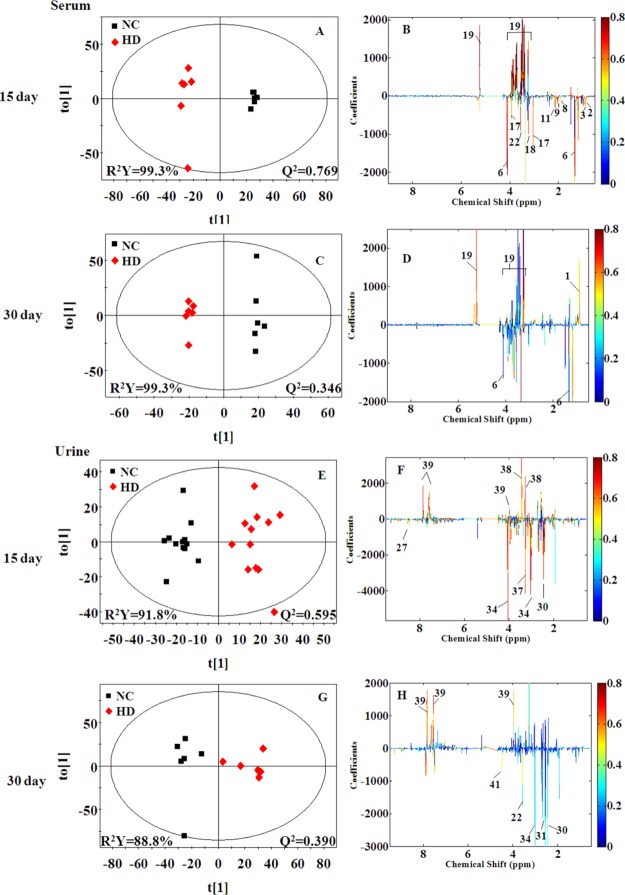
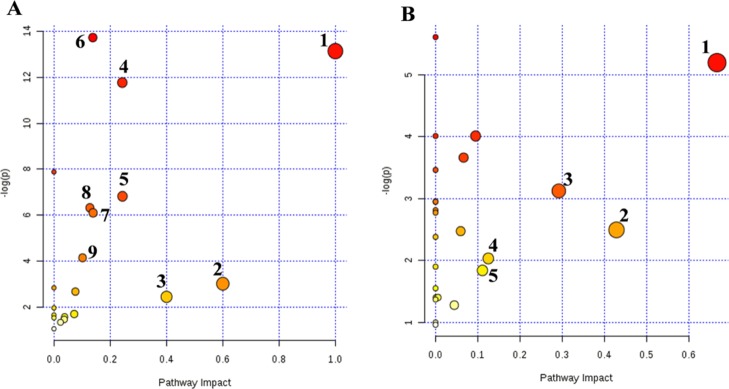
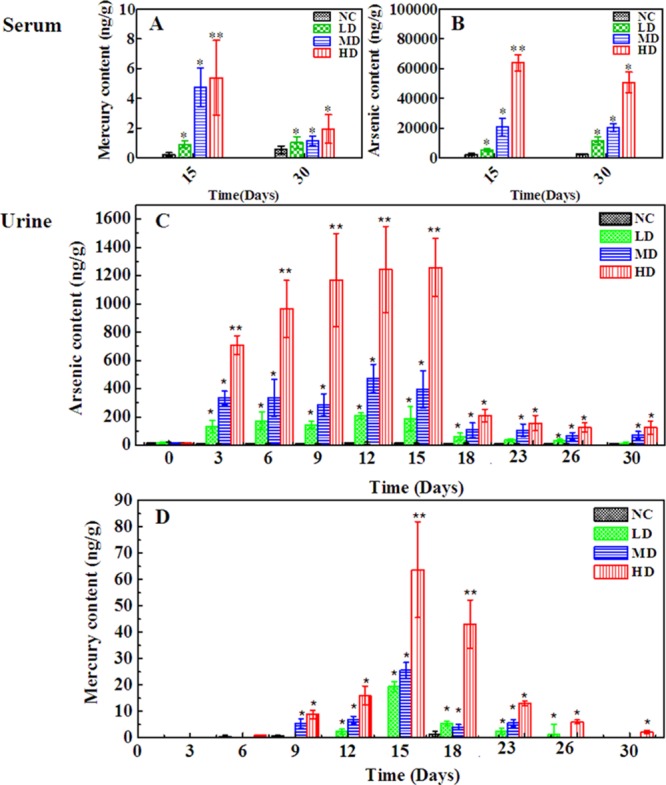
Renqingchangjue (RQCJ), a kind of Traditional Tibetan Medicine, has been widely utilized to treat various gastroenteritis diseases. However, the biosafety and toxicity of RQCJ was still indefinite because of toxic components in RQCJ, which included a variety of heavy metals. Thus, this study was aimed to evaluate the toxicity and expound the toxicological mechanism of RQCJ. In this study, rats were intragastrically administered with different doses of RQCJ for 15 days, and then, the restorative observation period lasted for 15 days. Liver and kidney tissues were collected for histopathological examination, and simultaneously serum and urine samples were collected for H nuclear magnetic resonance (H NMR) spectroscopy analysis and biochemical analysis combined with inductively coupled plasma mass spectrometry (ICP-MS) measurement. The H NMR-based metabolomics analysis revealed that the administration of RQCJ significantly altered the concentrations of 14 serum metabolites and 14 urine metabolites, which implied disturbances in energy metabolism, amino acid metabolism, intestinal flora environment, and membrane damage. Besides, the biochemical analysis of serum samples was consistent with the histopathological results, which indicated slight hepatotoxicity and nephrotoxicity. The quantification of As and Hg in urine and serum samples by ICP-MS provided more evidence about the toxicity of RQCJ. This work provided an effective method to systematically and dynamically evaluate the toxicity of RQCJ and suggested that precautions should be taken in the clinic to monitor the potential toxicity of RQCJ.
仁青常觉是一种藏药,已被广泛用于治疗各种肠胃炎疾病。然而,由于仁青常觉中含有包括多种重金属在内的有毒成分,其生物安全性和毒性仍不明确。因此,本研究旨在评估仁青常觉的毒性并阐明其毒理学机制。在本研究中,给大鼠灌胃不同剂量的仁青常觉,持续15天,然后进行15天的恢复观察期。采集肝脏和肾脏组织进行组织病理学检查,同时采集血清和尿液样本进行氢核磁共振(H NMR)光谱分析以及结合电感耦合等离子体质谱(ICP-MS)测量的生化分析。基于H NMR的代谢组学分析表明,给予仁青常觉显著改变了14种血清代谢物和14种尿液代谢物的浓度,这意味着能量代谢、氨基酸代谢、肠道菌群环境和膜损伤受到干扰。此外,血清样本的生化分析与组织病理学结果一致,表明有轻微的肝毒性和肾毒性。通过ICP-MS对尿液和血清样本中的砷和汞进行定量分析,为仁青常觉的毒性提供了更多证据。这项工作提供了一种系统动态评估仁青常觉毒性的有效方法,并建议临床应采取预防措施监测仁青常觉的潜在毒性。