Wellcome Sanger Institute, Wellcome Genome Campus, Hinxton, UK.
Department of Molecular and Translational Sciences, Monash University, Clayton, Victoria, Australia.
Nat Immunol. 2020 Mar;21(3):343-353. doi: 10.1038/s41590-020-0602-z. Epub 2020 Feb 17.
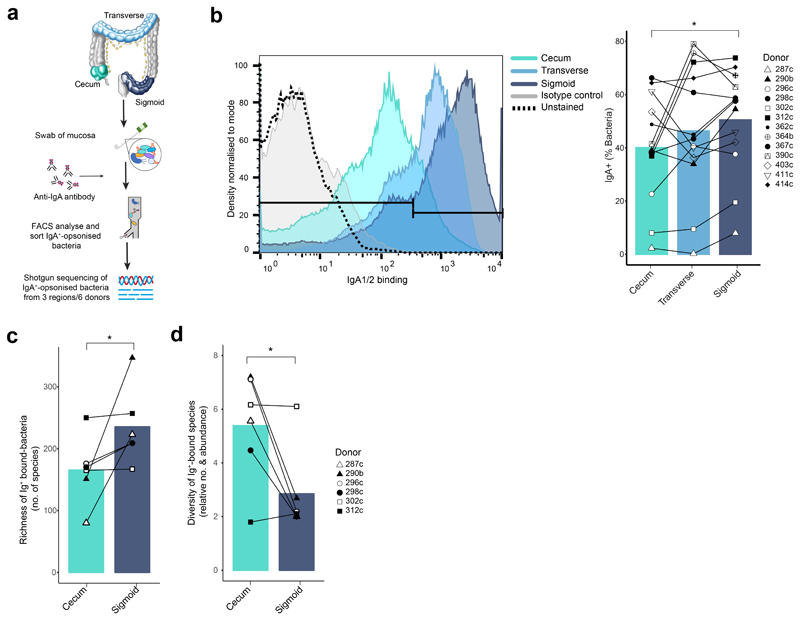
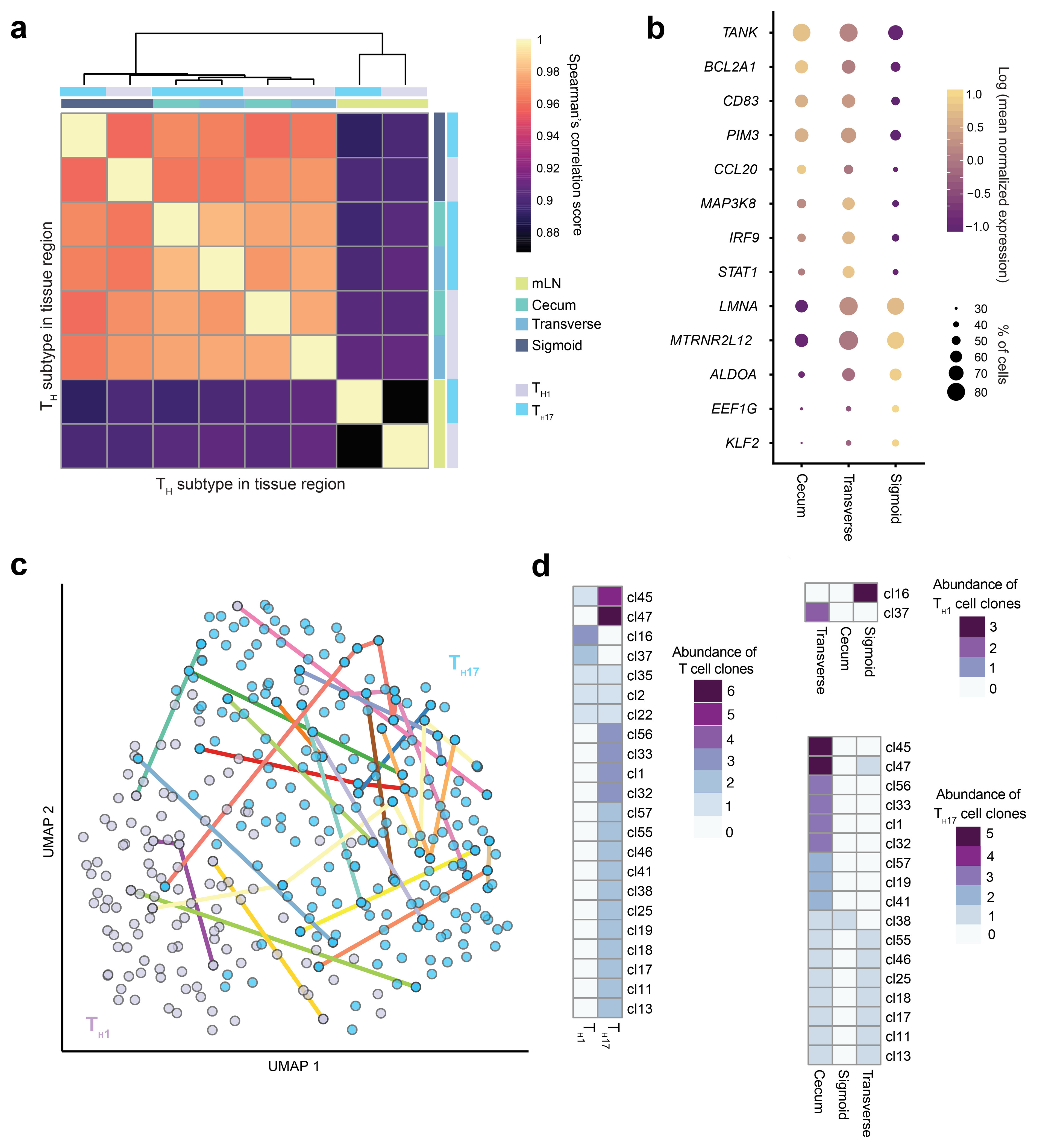
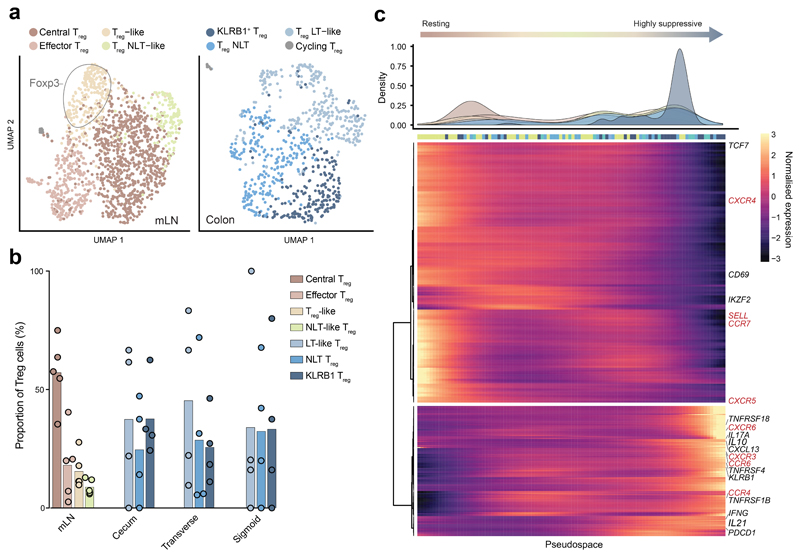
Gastrointestinal microbiota and immune cells interact closely and display regional specificity; however, little is known about how these communities differ with location. Here, we simultaneously assess microbiota and single immune cells across the healthy, adult human colon, with paired characterization of immune cells in the mesenteric lymph nodes, to delineate colonic immune niches at steady state. We describe distinct helper T cell activation and migration profiles along the colon and characterize the transcriptional adaptation trajectory of regulatory T cells between lymphoid tissue and colon. Finally, we show increasing B cell accumulation, clonal expansion and mutational frequency from the cecum to the sigmoid colon and link this to the increasing number of reactive bacterial species.
胃肠道微生物群与免疫细胞密切相互作用,并呈现区域特异性;然而,对于这些群落如何因位置而不同,人们知之甚少。在这里,我们同时评估了健康成年人类结肠中的微生物群和单个免疫细胞,并对肠系膜淋巴结中的免疫细胞进行配对表征,以描绘稳态下的结肠免疫生态位。我们描述了沿结肠的辅助 T 细胞激活和迁移特征,并描述了调节性 T 细胞在淋巴组织和结肠之间的转录适应轨迹。最后,我们显示了从盲肠到乙状结肠的 B 细胞积累、克隆扩增和突变频率增加,并将其与越来越多的反应性细菌种类联系起来。