Division of Gastroenterology, University of Michigan Medical School, Ann Arbor, MI, USA.
Division of Infectious Disease, Department of Internal Medicine, University of Michigan Medical School, Ann Arbor, MI, USA.
Nat Med. 2020 Apr;26(4):608-617. doi: 10.1038/s41591-020-0764-0. Epub 2020 Feb 17.
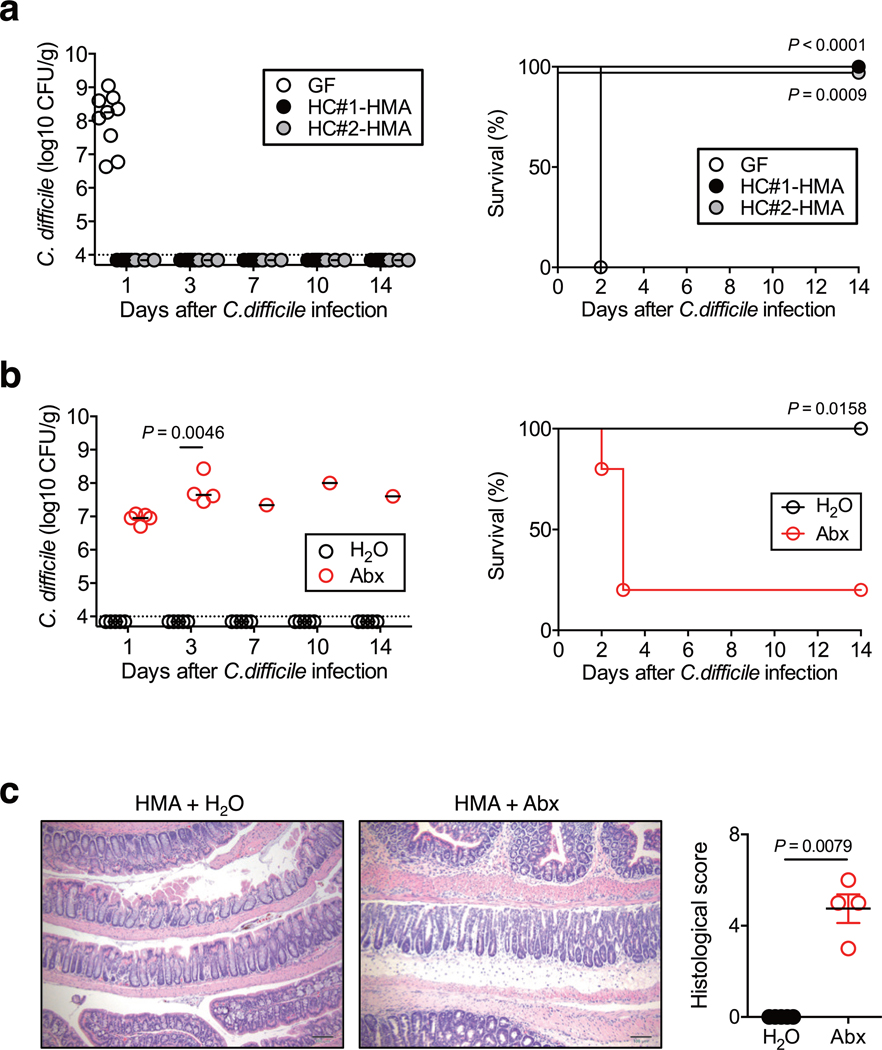
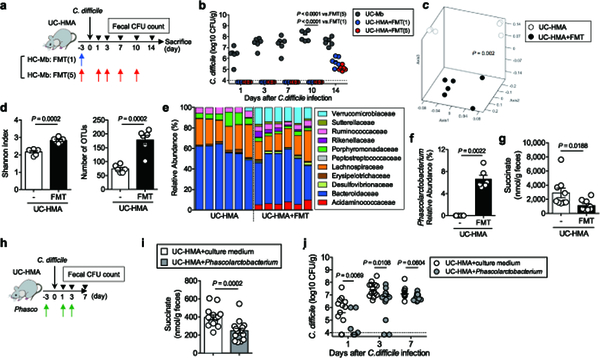
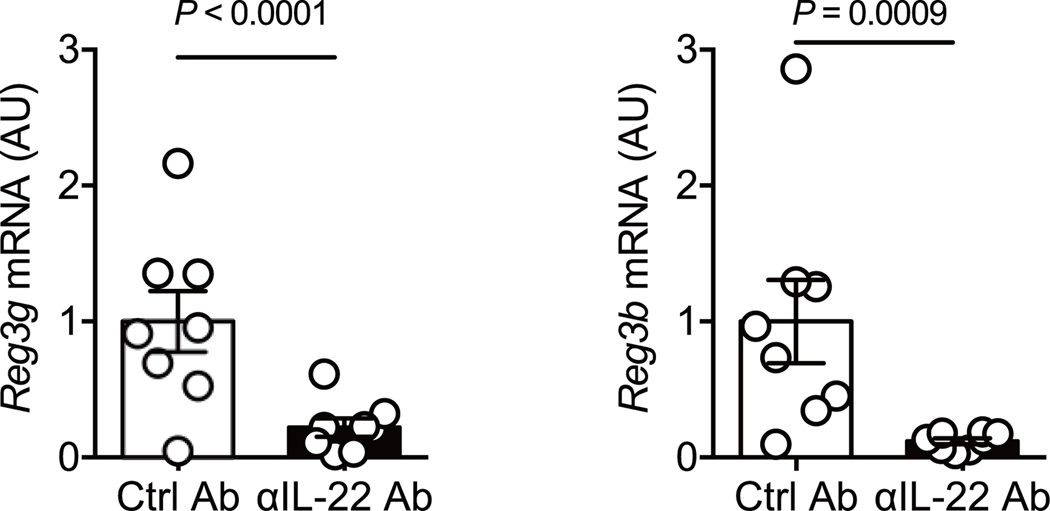
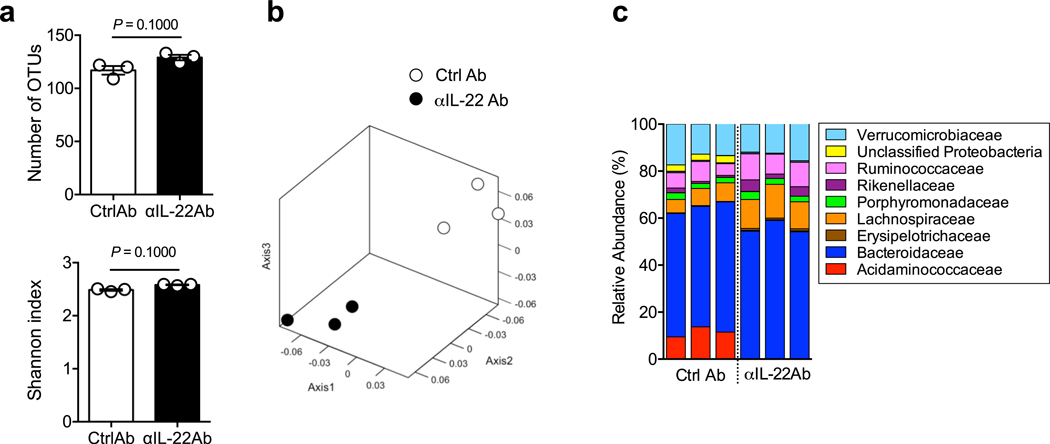
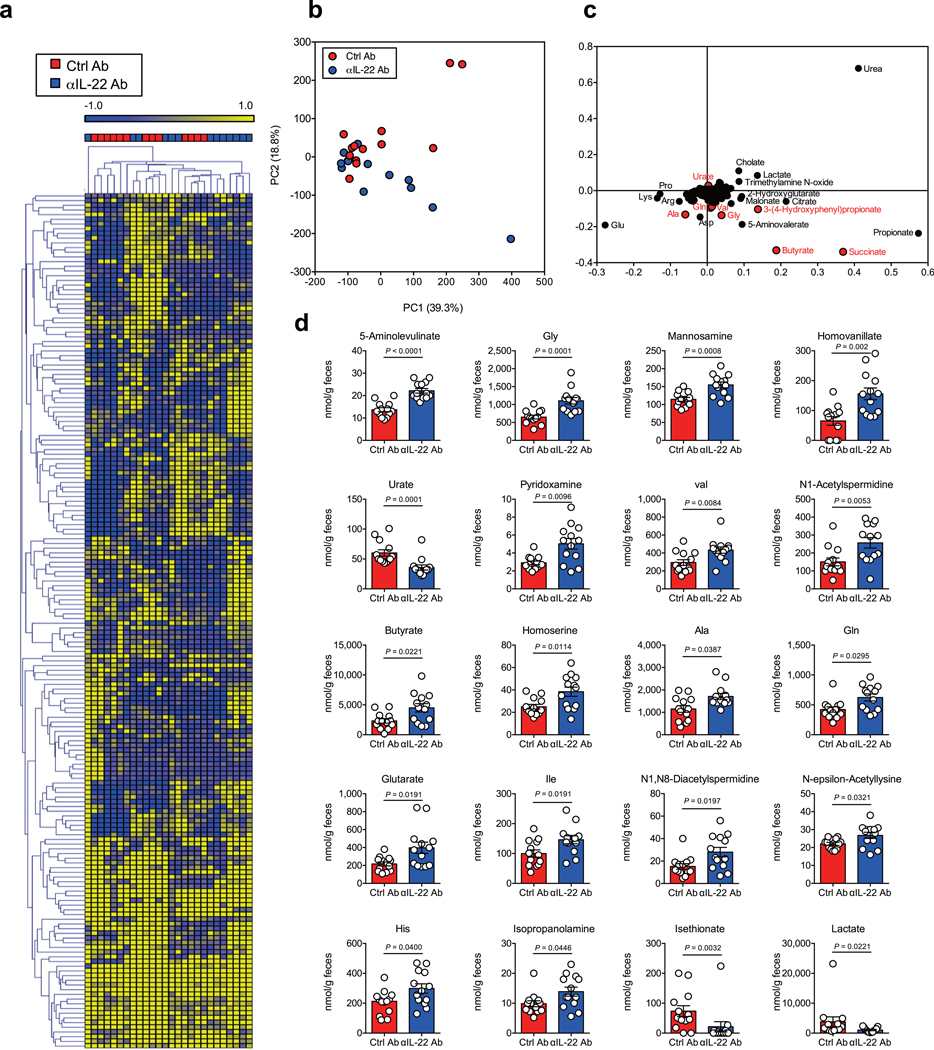
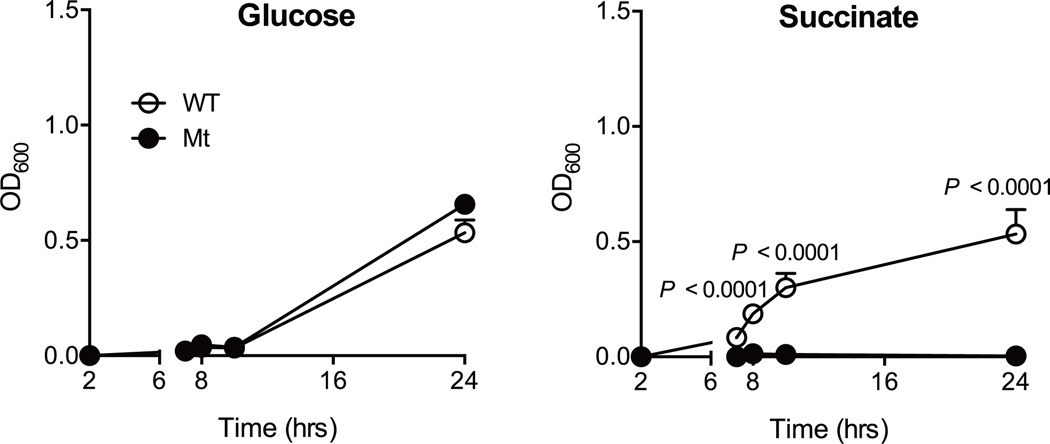
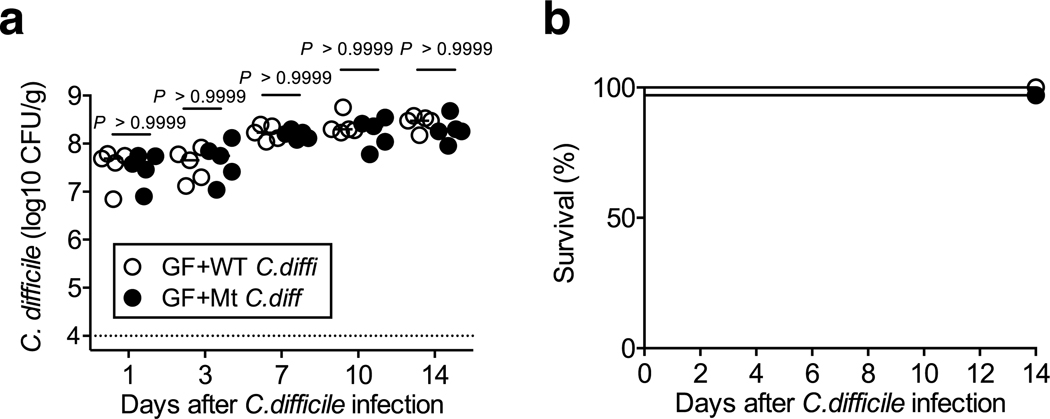
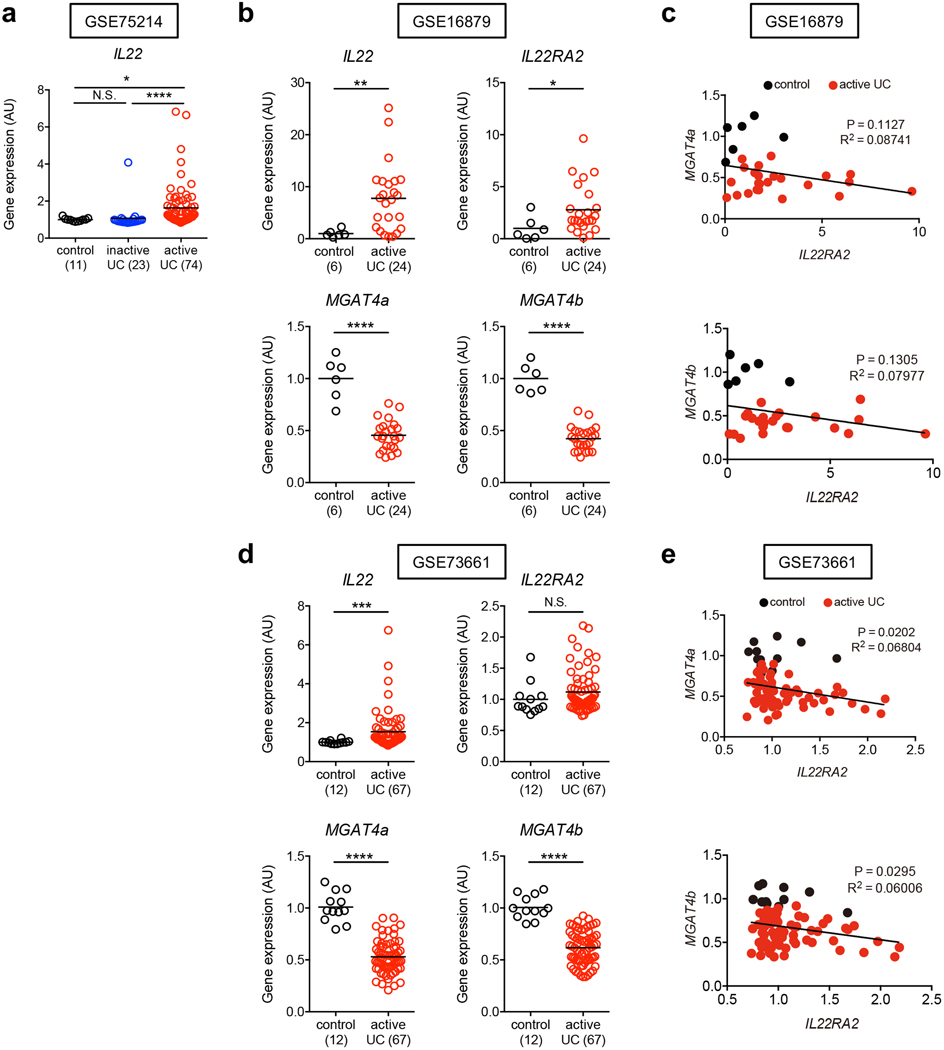
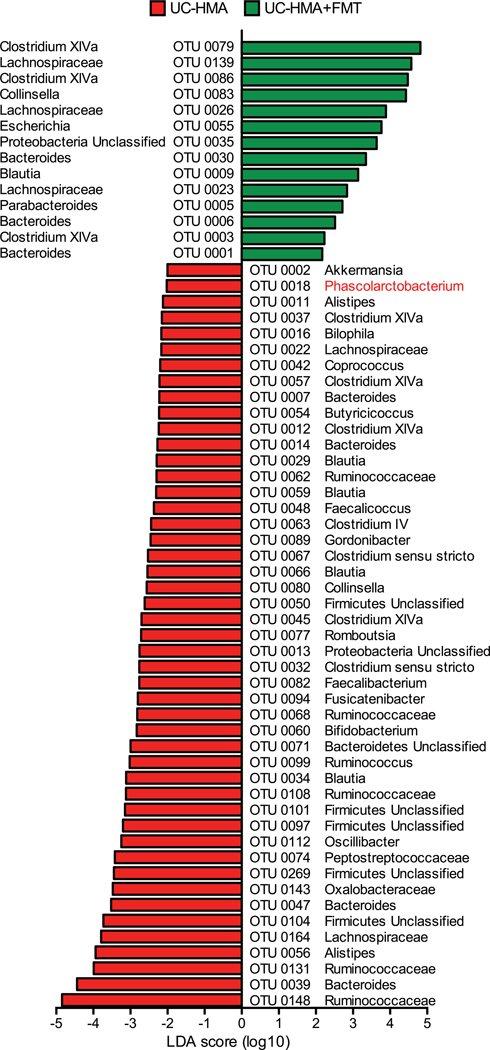
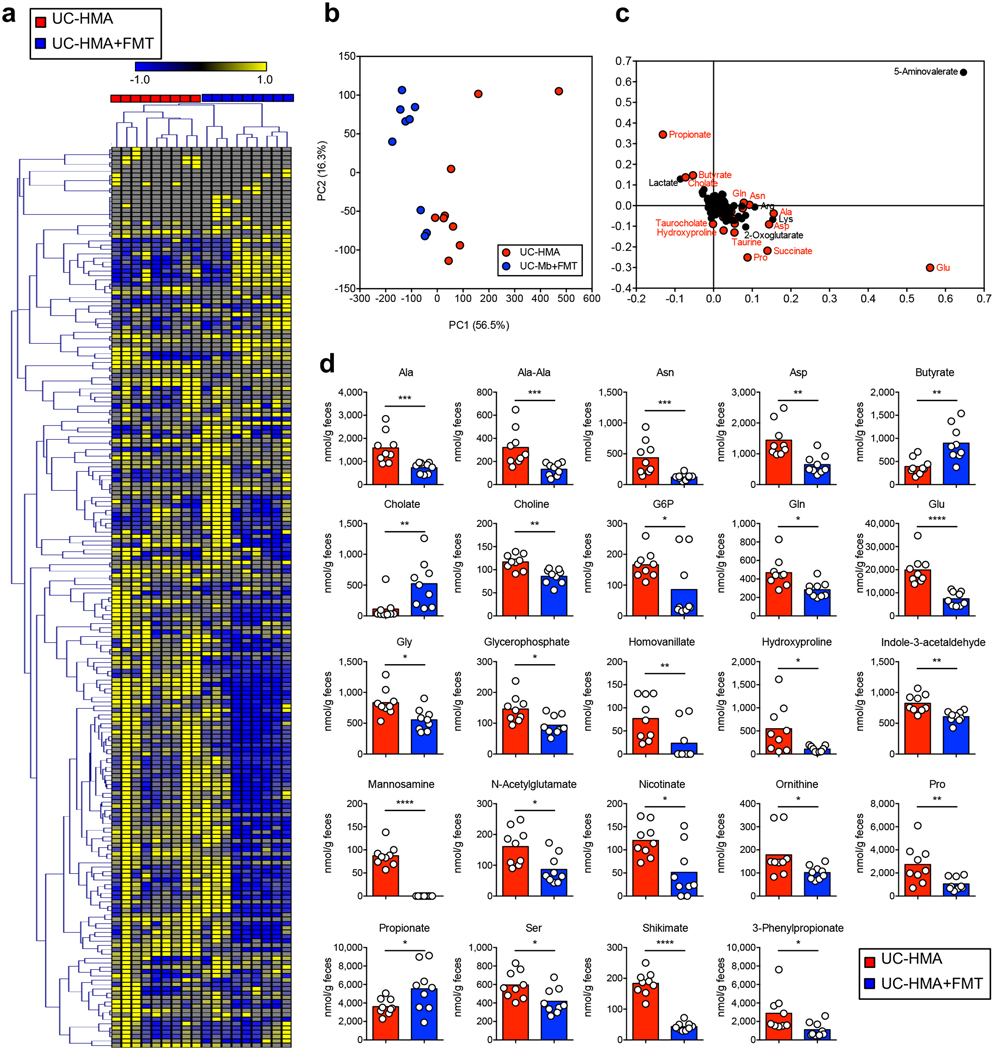
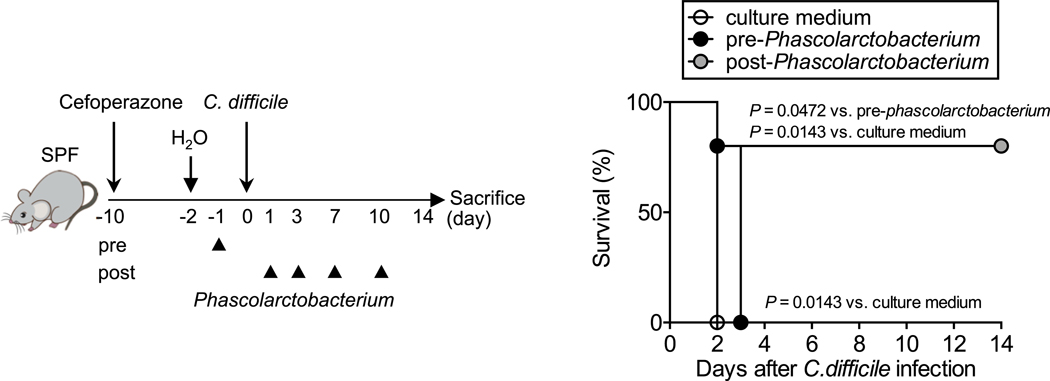
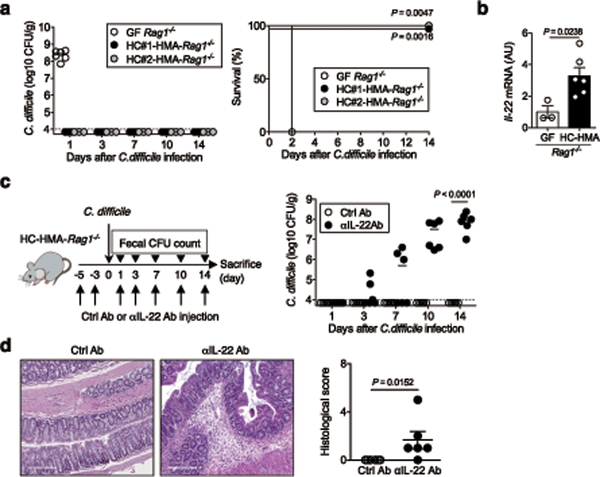
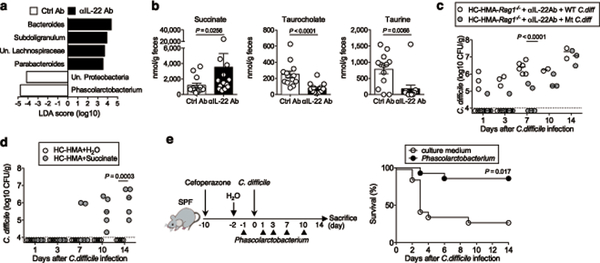
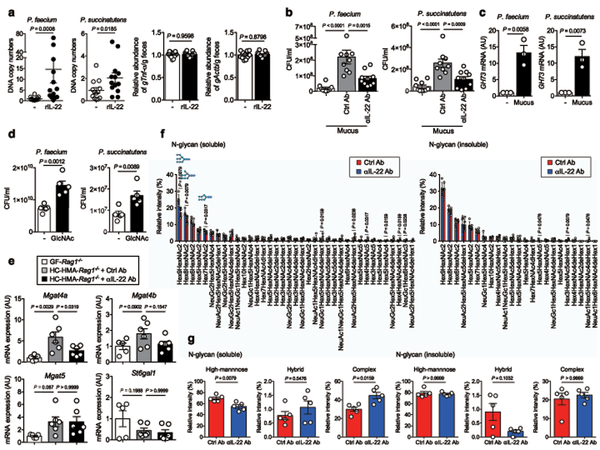
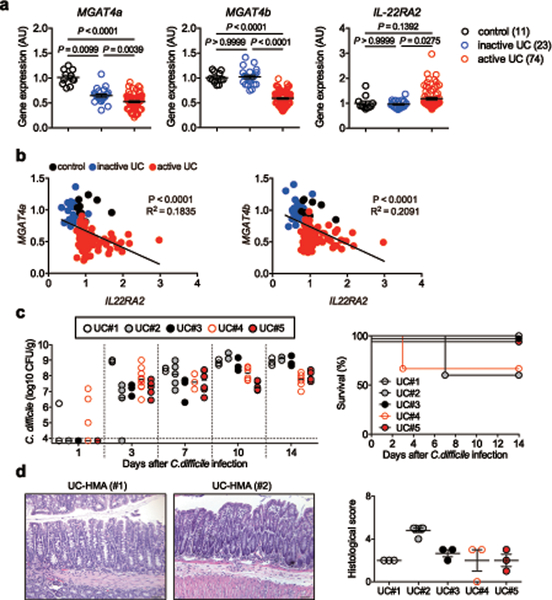
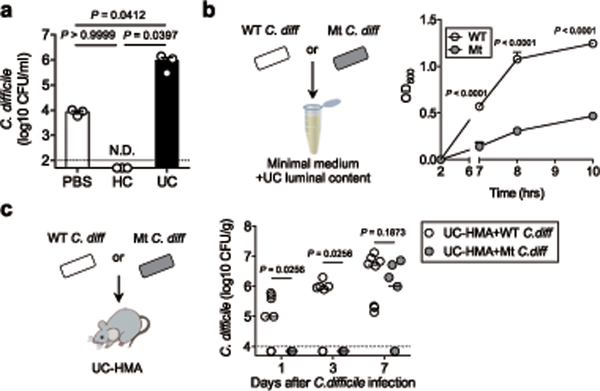
The involvement of host immunity in the gut microbiota-mediated colonization resistance to Clostridioides difficile infection (CDI) is incompletely understood. Here, we show that interleukin (IL)-22, induced by colonization of the gut microbiota, is crucial for the prevention of CDI in human microbiota-associated (HMA) mice. IL-22 signaling in HMA mice regulated host glycosylation, which enabled the growth of succinate-consuming bacteria Phascolarctobacterium spp. within the gut microbiome. Phascolarctobacterium reduced the availability of luminal succinate, a crucial metabolite for the growth of C. difficile, and therefore prevented the growth of C. difficile. IL-22-mediated host N-glycosylation is likely impaired in patients with ulcerative colitis (UC) and renders UC-HMA mice more susceptible to CDI. Transplantation of healthy human-derived microbiota or Phascolarctobacterium reduced luminal succinate levels and restored colonization resistance in UC-HMA mice. IL-22-mediated host glycosylation thus fosters the growth of commensal bacteria that compete with C. difficile for the nutritional niche.
宿主免疫在肠道微生物群介导的艰难梭菌感染(CDI)定植抗性中的作用尚不完全清楚。在这里,我们表明,由肠道微生物群定植诱导的白细胞介素(IL)-22 对于人微生物群相关(HMA)小鼠 CDI 的预防至关重要。HMA 小鼠中的 IL-22 信号转导调节宿主糖基化,从而使肠道微生物组内的琥珀酸消耗菌 Phascolarctobacterium spp. 得以生长。Phascolarctobacterium 减少了腔内琥珀酸盐的可用性,而琥珀酸盐是艰难梭菌生长的关键代谢物,因此防止了艰难梭菌的生长。溃疡性结肠炎(UC)患者的 IL-22 介导的宿主 N-糖基化可能受损,使 UC-HMA 小鼠更容易感染 CDI。健康人源微生物群或 Phascolarctobacterium 的移植降低了腔内琥珀酸盐水平,并恢复了 UC-HMA 小鼠的定植抗性。因此,IL-22 介导的宿主糖基化促进了与艰难梭菌竞争营养生态位的共生细菌的生长。