Dipartimento di Biologia, Università di Napoli Federico II, Naples, Italy.
Centro de Desenvolvimento Tecnológico, Núcleo de Biotecnologia, Universidade Federal de Pelotas, Pelotas, Brazil.
Microb Cell Fact. 2020 Feb 19;19(1):42. doi: 10.1186/s12934-020-01308-1.
Spore-forming bacteria of the Bacillus genus are widely used probiotics known to exert their beneficial effects also through the stimulation of the host immune response. The oral delivery of B. toyonensis spores has been shown to improve the immune response to a parenterally administered viral antigen in mice, suggesting that probiotics may increase the efficiency of systemic vaccines. We used the C fragment of the tetanus toxin (TTFC) as a model antigen to evaluate whether a treatment with B. toyonensis spores affected the immune response to a mucosal antigen.
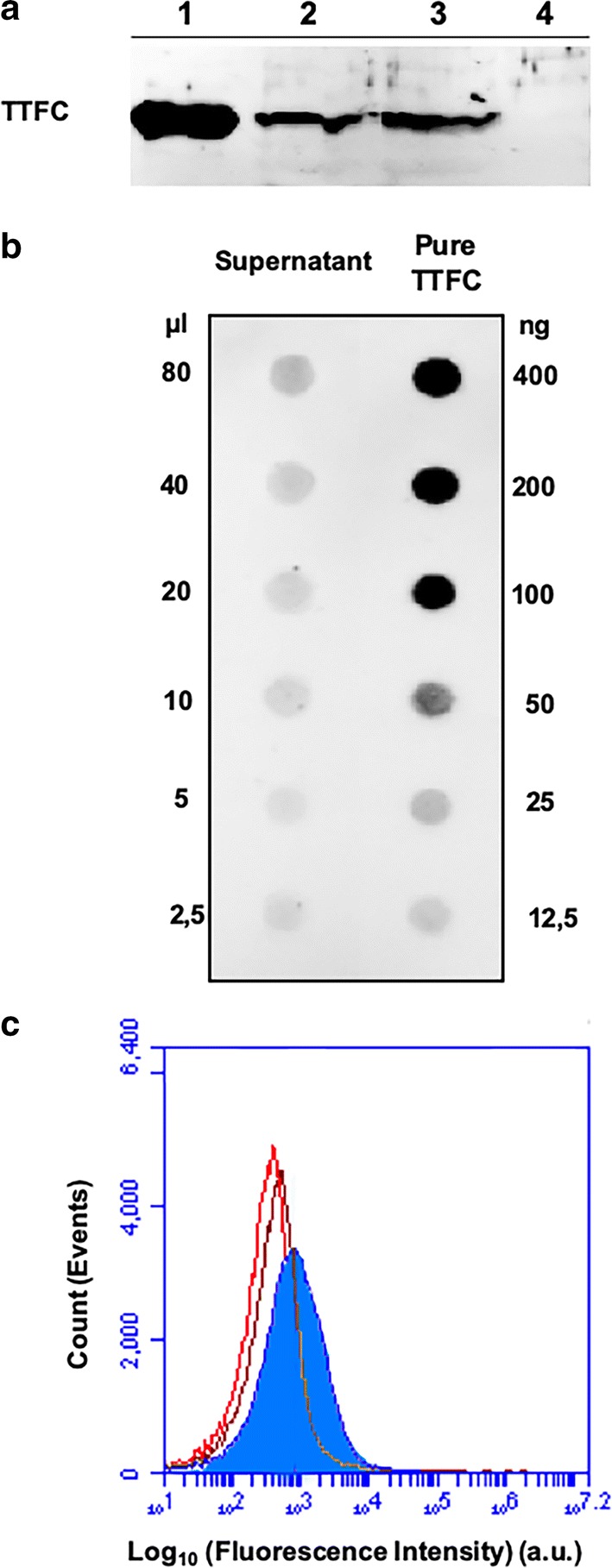
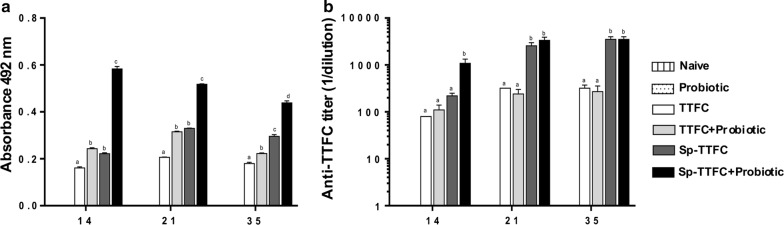
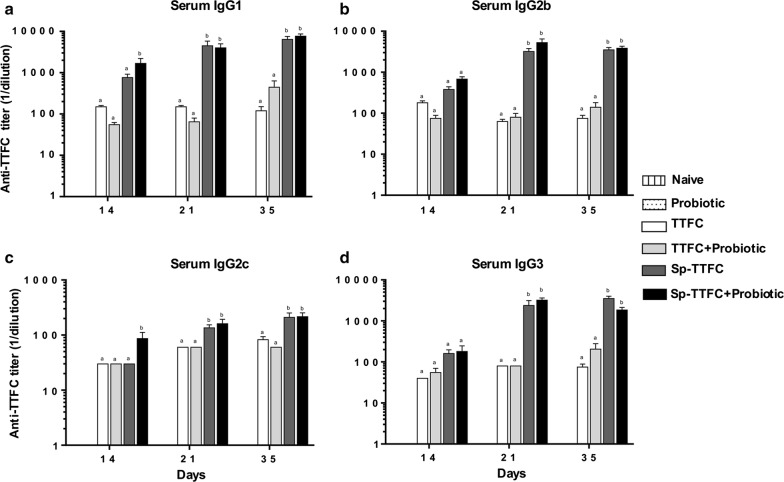
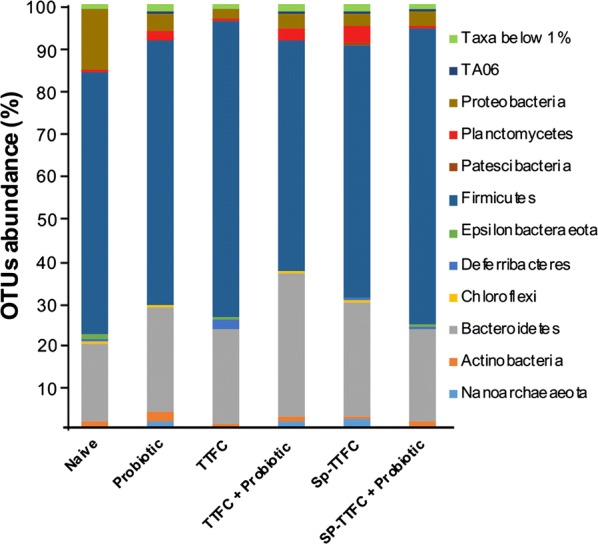
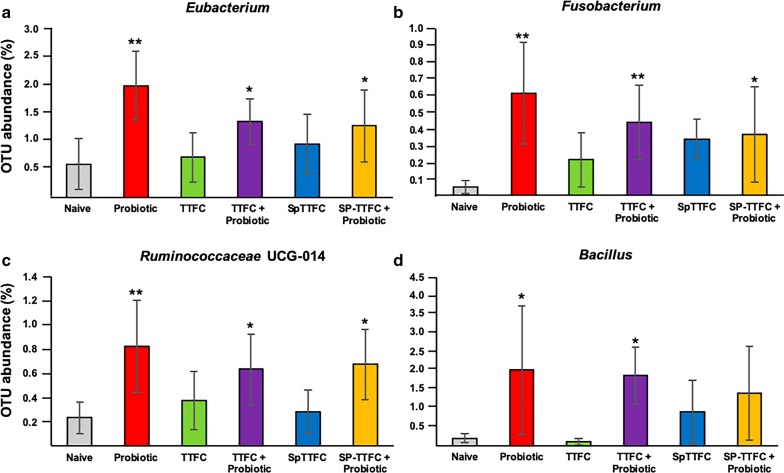
Purified TTFC was given to mice by the nasal route either as a free protein or adsorbed to B. subtilis spores, a mucosal vaccine delivery system proved effective with several antigens, including TTFC. Spore adsorption was extremely efficient and TTFC was shown to be exposed on the spore surface. Spore-adsorbed TTFC was more efficient than the free antigen in inducing an immune response and the probiotic treatment improved the response, increasing the production of TTFC-specific secretory immunoglobin A (sIgA) and causing a faster production of serum IgG. The analysis of the induced cytokines indicated that also the cellular immune response was increased by the probiotic treatment. A 16S RNA-based analysis of the gut microbial composition did not show dramatic differences due to the probiotic treatment. However, the abundance of members of the Ruminiclostridium 6 genus was found to correlate with the increased immune response of animals immunized with the spore-adsorbed antigen and treated with the probiotic.
Our results indicate that B. toyonensis spores significantly contribute to the humoral and cellular responses elicited by a mucosal immunization with spore-adsorbed TTFC, pointing to the probiotic treatment as an alternative to the use of adjuvants for mucosal vaccinations.
芽孢杆菌属的产芽孢细菌是广泛应用的益生菌,已知其通过刺激宿主免疫反应发挥有益作用。口服递送 B. toyonensis 孢子已被证明可改善小鼠对注射给予的病毒抗原的免疫反应,表明益生菌可能提高全身疫苗的效率。我们使用破伤风毒素(TTFC)的 C 片段作为模型抗原,评估 B. toyonensis 孢子处理是否影响黏膜抗原的免疫反应。
纯化的 TTFC 通过鼻内途径给予小鼠,作为游离蛋白或吸附到枯草芽孢杆菌孢子上,一种已被证明对多种抗原(包括 TTFC)有效的黏膜疫苗传递系统。孢子吸附非常有效,并且 TTFC 被证明暴露在孢子表面上。吸附到孢子上的 TTFC 比游离抗原更有效地诱导免疫反应,益生菌处理改善了反应,增加了 TTFC 特异性分泌型免疫球蛋白 A(sIgA)的产生,并导致更快地产生血清 IgG。诱导细胞因子的分析表明,益生菌处理还增加了细胞免疫反应。基于 16S RNA 的肠道微生物组成分析由于益生菌处理没有显示出明显的差异。然而,发现 Ruminiclostridium 6 属成员的丰度与用吸附到孢子上的抗原免疫并用益生菌处理的动物的免疫反应增加相关。
我们的结果表明,B. toyonensis 孢子显著促进了黏膜免疫吸附到孢子上的 TTFC 引起的体液和细胞反应,表明益生菌处理是替代黏膜疫苗接种中使用佐剂的一种选择。