Sinan Kouadio Ibrahime, Chiavaroli Annalisa, Orlando Giustino, Bene Kouadio, Zengin Gokhan, Cziáky Zoltán, Jekő József, Mahomoodally Mohamad Fawzi, Picot-Allain Marie Carene Nancy, Menghini Luigi, Recinella Lucia, Brunetti Luigi, Leone Sheila, Ciferri Maria Chiara, Simone Simonetta Di, Ferrante Claudio
Department of Biology, Science Faculty, Selcuk Universtiy, Campus, Konya, 42130 Konya, Turkey.
Department of Pharmacy, "G. d'Annunzio" University Chieti-Pescara, 66100 Chieti, Italy.
Antioxidants (Basel). 2020 Feb 17;9(2):163. doi: 10.3390/antiox9020163.
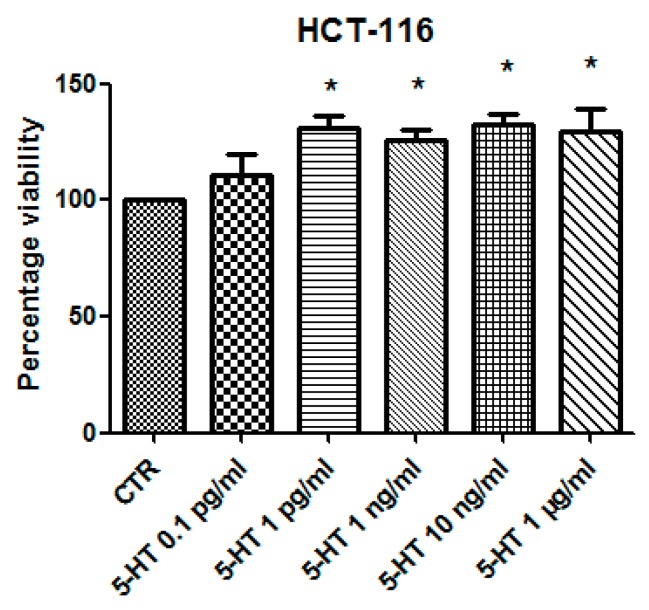
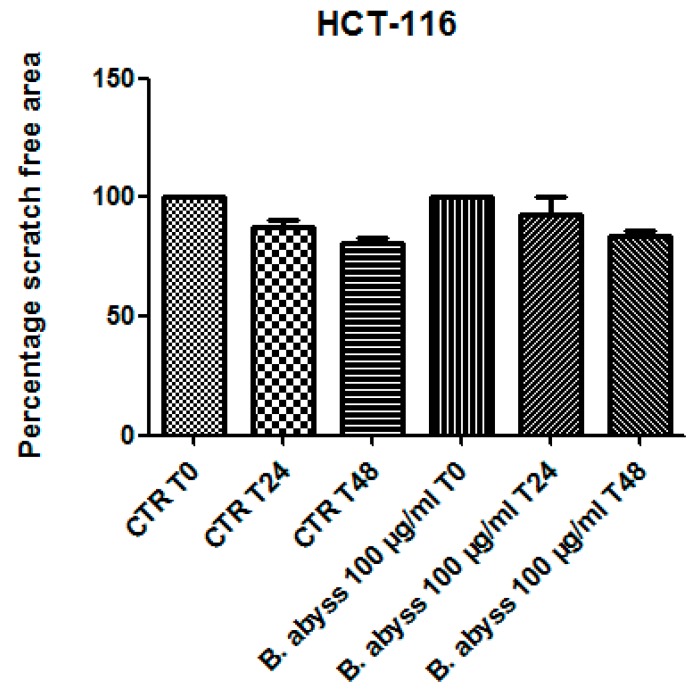
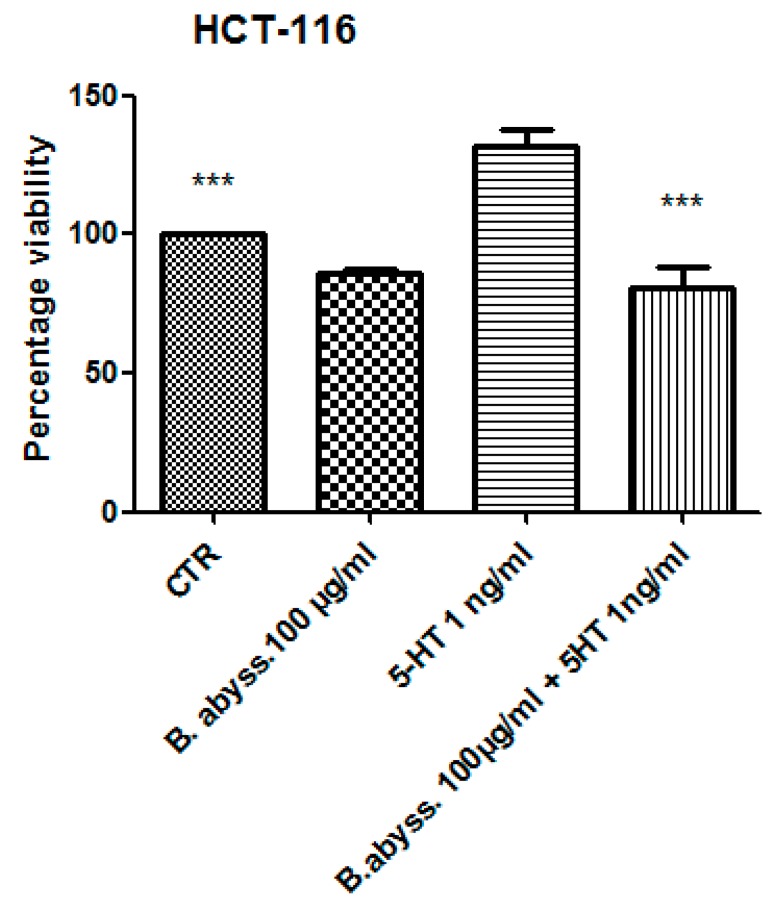
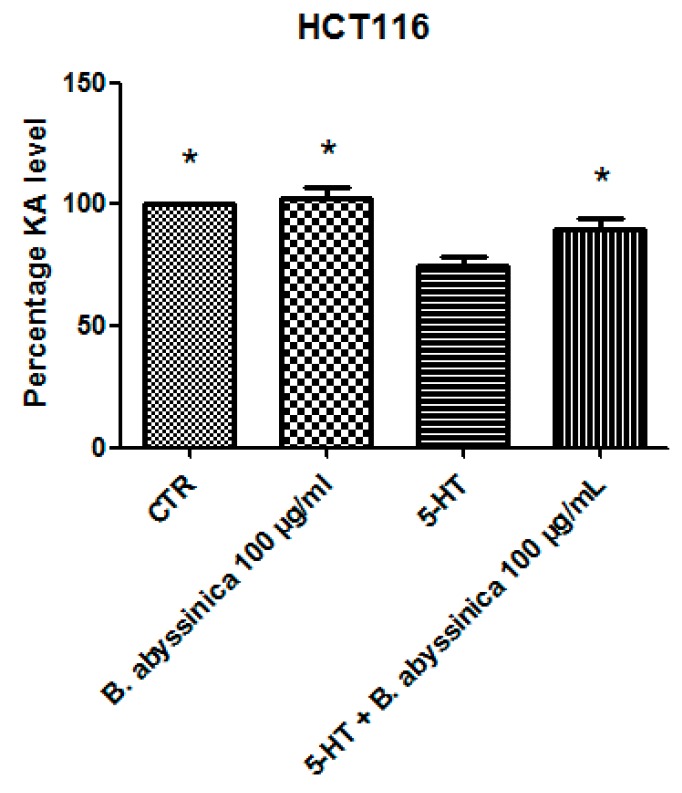
In this study, ethyl acetate, methanol, and water extracts of (Melianthaceae) stem bark were screened for enzyme inhibitory and antioxidant properties. The water extract possessed the highest concentration of phenols (230.83 mg gallic acid equivalent/g extract), while the methanol extract was rich in flavonoids (75.82 mg rutin equivalent/g extract), and the ethyl acetate extract possessed the highest amount of saponins (97.37 mg quillaja equivalent/g). The aim of this study was to investigate the antiproliferative effects against the human colon cancer HCT116 cell line challenged with serotonin (5-HT) as a stimulating-proliferation factor. The level of HCT116 cell-deriving pool of kynurenic acid (KA) was also assessed. The UHPLC results confirmed the presence of 58, 68, and 63 compounds in the ethyl acetate, methanol, and water extracts, respectively. Mangiferin, vitexin and its isomer isovitexin were tentatively identified in all extracts and KA ( 190.05042 [M-H]) was also tentatively identified in the methanol and water extracts. The methanol extract (1464.08 mg Trolox equivalent [TE]/g extract) showed the highest activity in the CUPRAC assay, whereas the water extract (1063.70 mg TE/g extract) showed the highest activity with the FRAP technique. The ethyl acetate extract was the most active acetylcholinesterase (4.43 mg galantamine equivalent/g extract) and α-glucosidase (mmol acarbose equivalent /g extract) inhibitor. The water extract was able to inhibit 5-HT-stimulated viability of HCT116 cells, and blunt 5-HT-induced reduction of cell-deriving KA. The scientific data generated in this study provide baseline data regarding the biological properties of stem bark, highlighting its potential use for the development of new pharmaceutic and cosmetic agents.
在本研究中,对(蜜花科)茎皮的乙酸乙酯、甲醇和水提取物进行了酶抑制和抗氧化特性筛选。水提取物中酚类物质浓度最高(230.83毫克没食子酸当量/克提取物),而甲醇提取物富含黄酮类化合物(75.82毫克芦丁当量/克提取物),乙酸乙酯提取物中皂苷含量最高(97.37毫克皂树皂苷当量/克)。本研究的目的是研究对受血清素(5-羟色胺,5-HT)作为刺激增殖因子攻击的人结肠癌HCT116细胞系的抗增殖作用。还评估了HCT116细胞衍生的犬尿氨酸(KA)池水平。超高效液相色谱(UHPLC)结果证实,乙酸乙酯、甲醇和水提取物中分别存在58、68和63种化合物。在所有提取物中初步鉴定出芒果苷、牡荆素及其异构体异牡荆素,在甲醇和水提取物中也初步鉴定出KA(190.05042 [M-H])。甲醇提取物(1464.08毫克特洛克斯当量[TE]/克提取物)在铜离子还原抗氧化能力(CUPRAC)测定中表现出最高活性,而水提取物(1063.70毫克TE/克提取物)在铁离子还原抗氧化能力(FRAP)技术中表现出最高活性。乙酸乙酯提取物是最有效的乙酰胆碱酯酶(4.43毫克加兰他敏当量/克提取物)和α-葡萄糖苷酶(毫摩尔阿卡波糖当量/克提取物)抑制剂。水提取物能够抑制5-HT刺激的HCT116细胞活力,并减弱5-HT诱导的细胞衍生KA的减少。本研究产生的科学数据提供了有关茎皮生物学特性的基线数据,突出了其在开发新型药物和化妆品方面的潜在用途。