Wang Jianglin, Jiang Xueyan, Zhao Lixin, Zuo Shengjia, Chen Xiantong, Zhang Lingmin, Lin Zhongxiao, Zhao Xiaoya, Qin Yuyan, Zhou Xinke, Yu Xi-Yong
Key Laboratory of Molecular Target & Clinical Pharmacology and the State Key Laboratory of Respiratory Disease, School of Pharmaceutical Sciences & the Fifth Affiliated Hospital, Guangzhou Medical University, Guangzhou 511436, China.
Acta Pharm Sin B. 2020 Feb;10(2):313-326. doi: 10.1016/j.apsb.2019.09.003. Epub 2019 Sep 17.
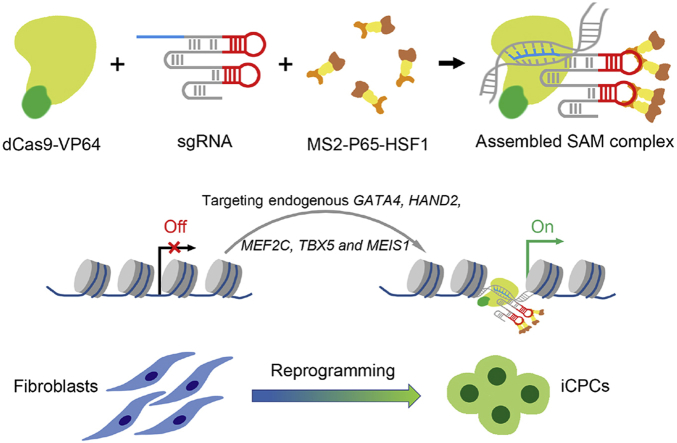
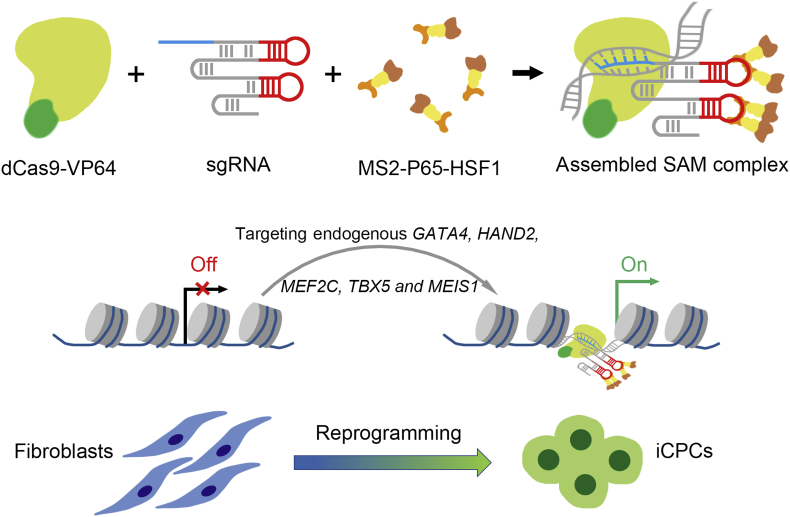
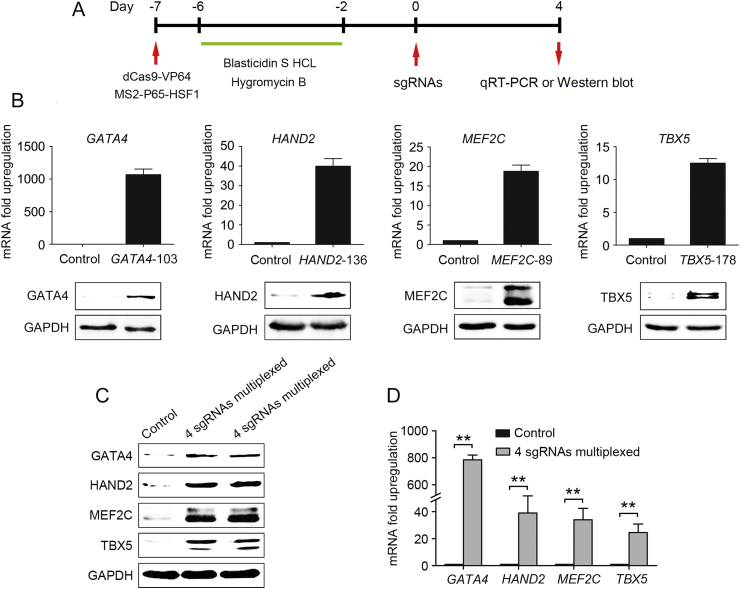
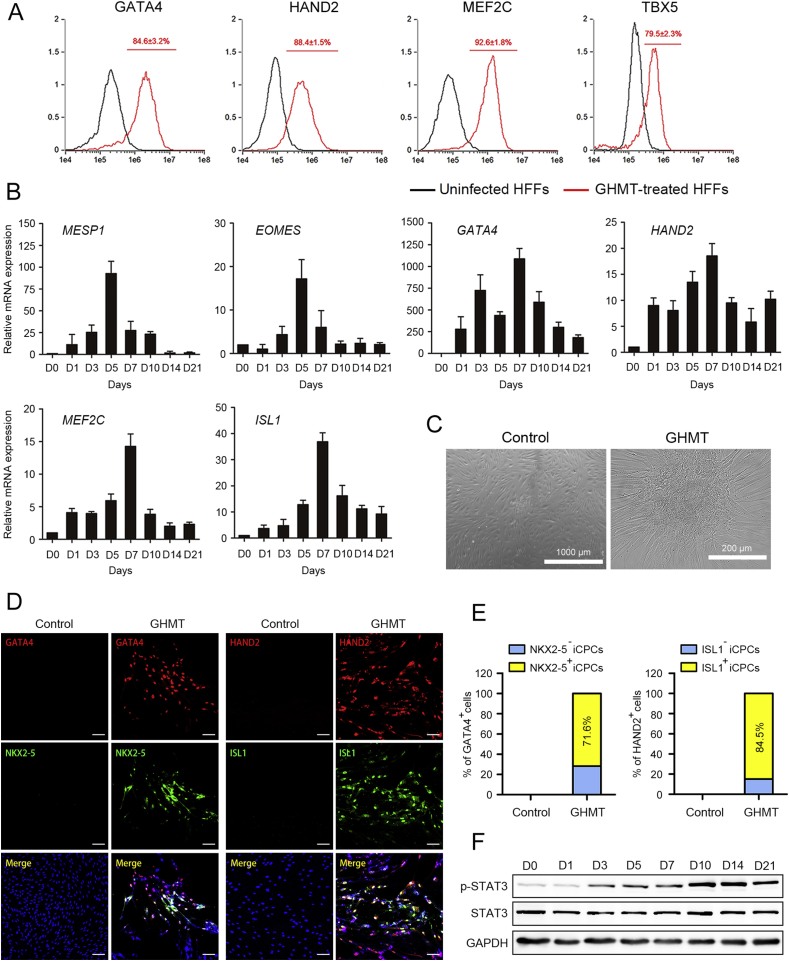
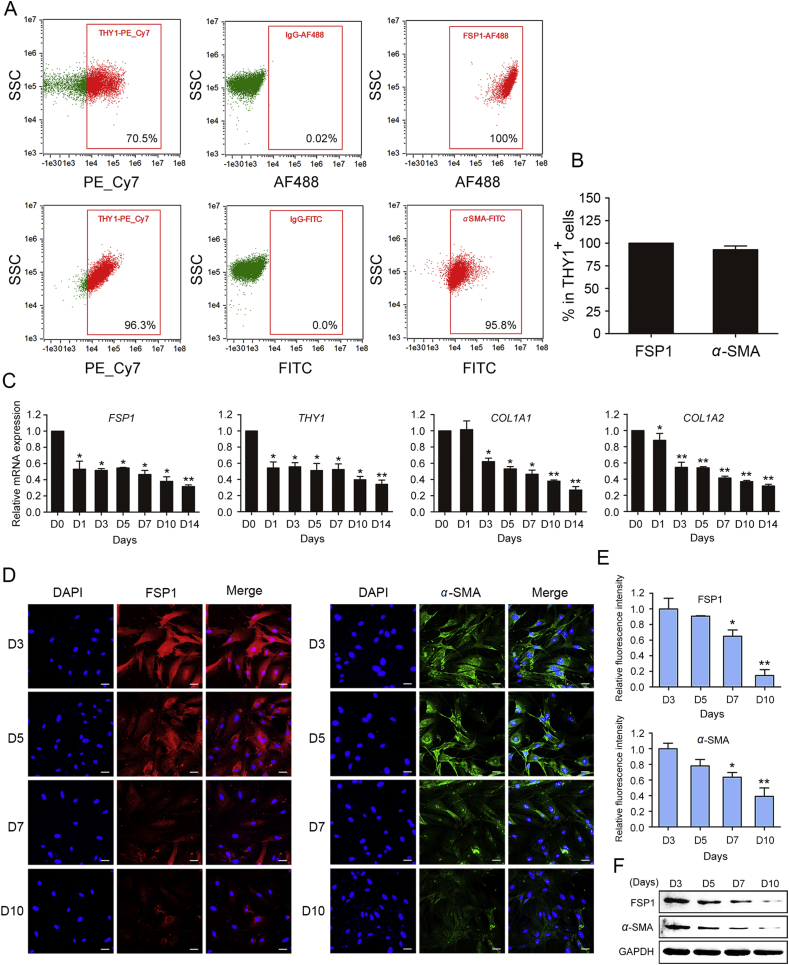
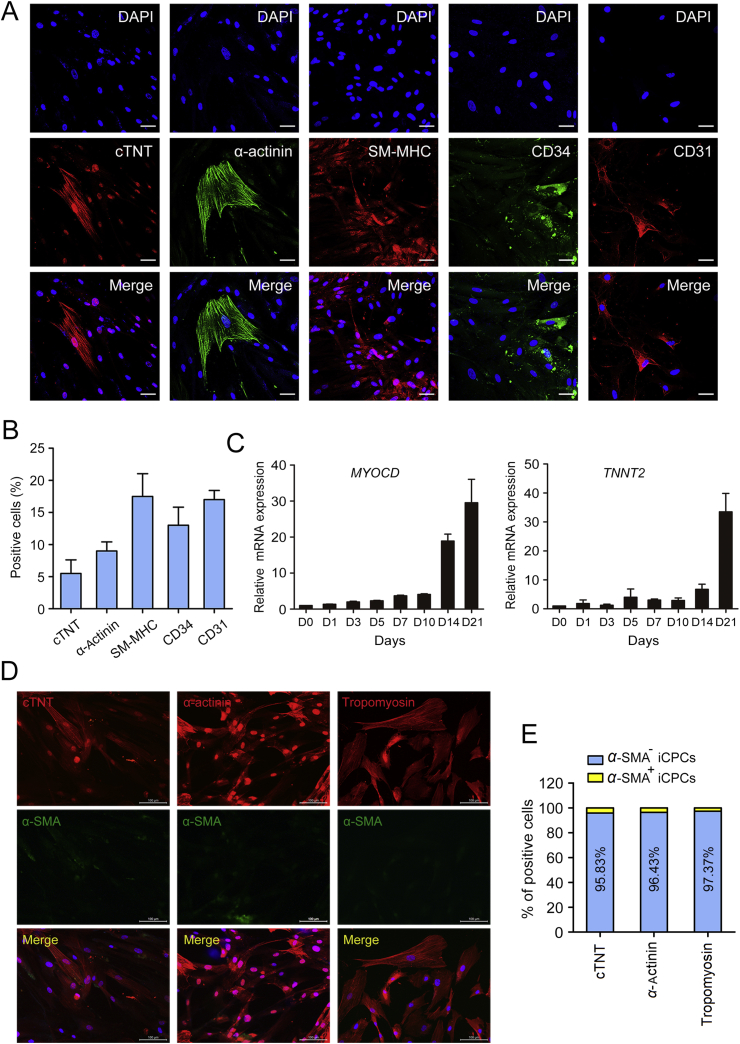
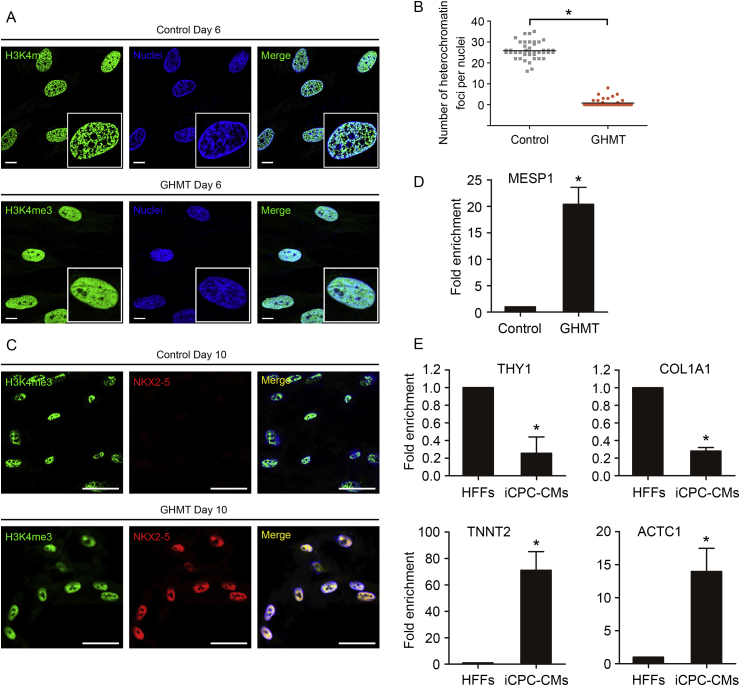
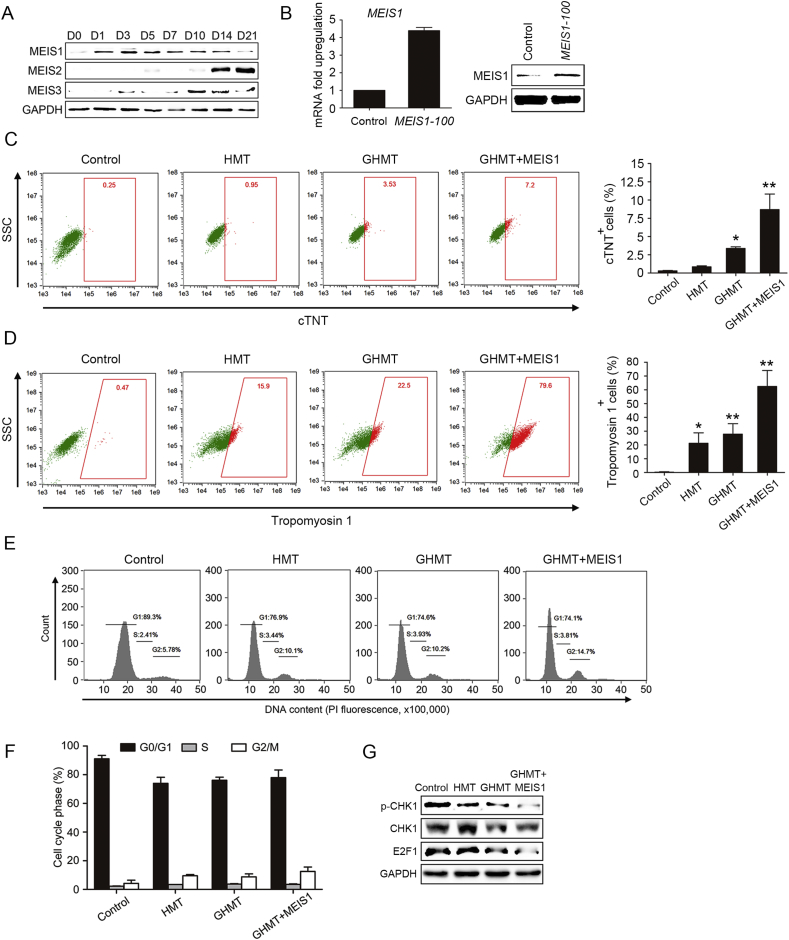
Overexpression of exogenous lineage-determining factors succeeds in directly reprogramming fibroblasts to various cell types. Several studies have reported reprogramming of fibroblasts into induced cardiac progenitor cells (iCPCs). CRISPR/Cas9-mediated gene activation is a potential approach for cellular reprogramming due to its high precision and multiplexing capacity. Here we show lineage reprogramming to iCPCs through a dead Cas9 (dCas9)-based transcription activation system. Targeted and robust activation of endogenous cardiac factors, including GATA4, HAND2, MEF2C and TBX5 (G, H, M and T; GHMT), can reprogram human fibroblasts toward iCPCs. The iCPCs show potentials to differentiate into cardiomyocytes, smooth muscle cells and endothelial cells . Addition of MEIS1 to GHMT induces cell cycle arrest in G2/M and facilitates cardiac reprogramming. Lineage reprogramming of human fibroblasts into iCPCs provides a promising cellular resource for disease modeling, drug discovery and individualized cardiac cell therapy.
外源性谱系决定因子的过表达成功地将成纤维细胞直接重编程为各种细胞类型。多项研究报道了将成纤维细胞重编程为诱导性心脏祖细胞(iCPCs)。CRISPR/Cas9介导的基因激活因其高精度和多重调控能力,是细胞重编程的一种潜在方法。在此,我们展示了通过基于无核酸酶活性的Cas9(dCas9)转录激活系统将谱系重编程为iCPCs。内源性心脏因子(包括GATA4、HAND2、MEF2C和TBX5,即G、H、M和T;GHMT)的靶向且强效激活,可将人类成纤维细胞重编程为iCPCs。这些iCPCs具有分化为心肌细胞、平滑肌细胞和内皮细胞的潜力。在GHMT中添加MEIS1可诱导细胞周期停滞于G2/M期,并促进心脏重编程。将人类成纤维细胞谱系重编程为iCPCs为疾病建模、药物发现和个体化心脏细胞治疗提供了一种有前景的细胞资源。