Tucker Matthew A, Humiston Graelyn B, Summer Theodore, Wamsley Erin
University of South Carolina School of Medicine, Department of Biomedical Sciences, Greenville, SC, USA.
Furman University, Department of Psychology and Program in Neuroscience, Greenville, SC, USA.
Nat Sci Sleep. 2020 Feb 3;12:79-91. doi: 10.2147/NSS.S223917. eCollection 2020.
There is ample evidence that overnight sleep and daytime naps benefit memory retention, compared to comparable amounts of active wakefulness. Yet recent evidence also suggests that a period of post-training rest (eg, quiet wakefulness with eyes closed) provides a similar memory benefit compared to wake. However, the relative benefits of sleep vs quiet waking rest on memory remain poorly understood. Here, we assessed the extent to which sleep provides a unique memory benefit, above and beyond that conferred by quiet waking rest.
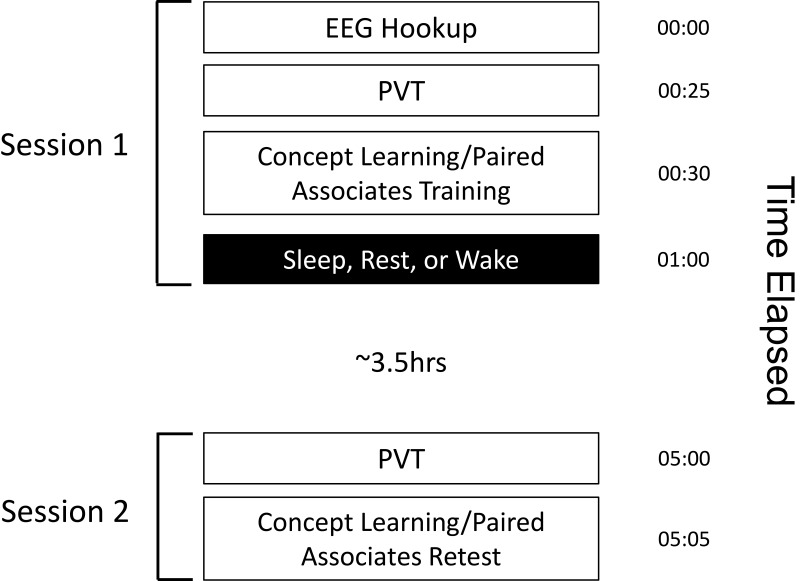
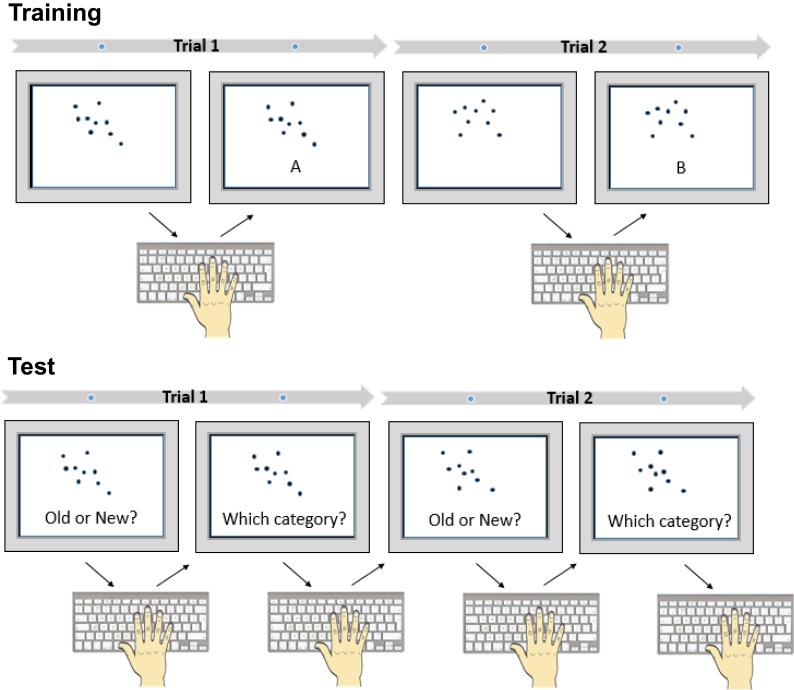
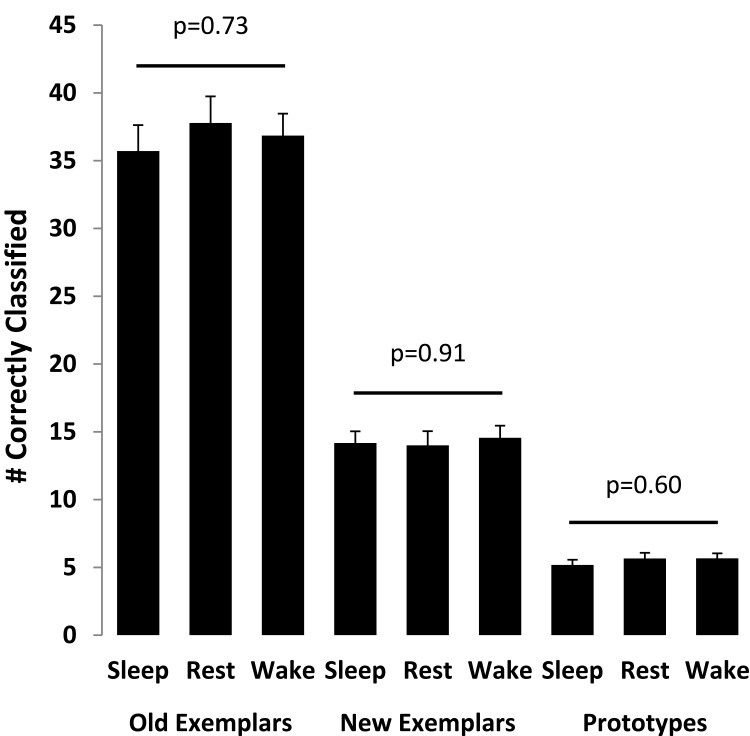
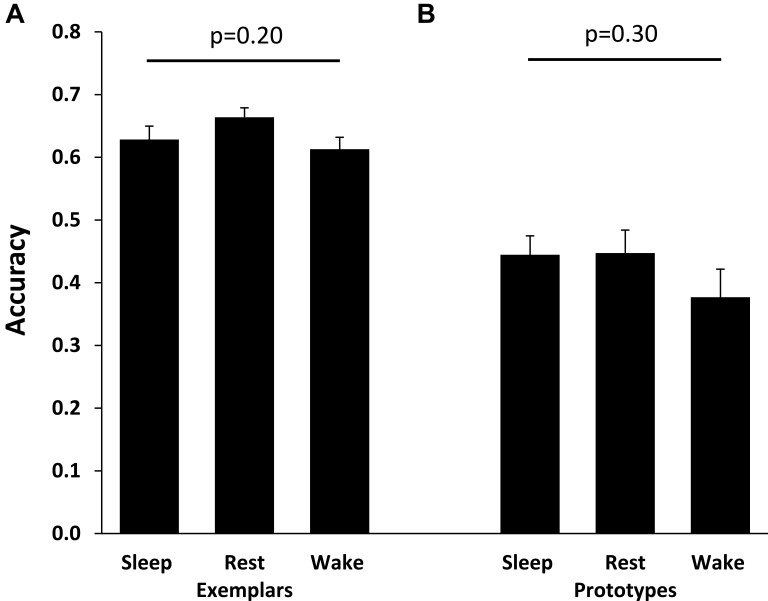
In a sample of healthy undergraduate students (N=83), we tested the effect of 30 mins of post-learning sleep, rest, or active wake on concept learning (dot pattern classification) and declarative memory (word pair associates) across a 4-hr daytime training-retest interval.
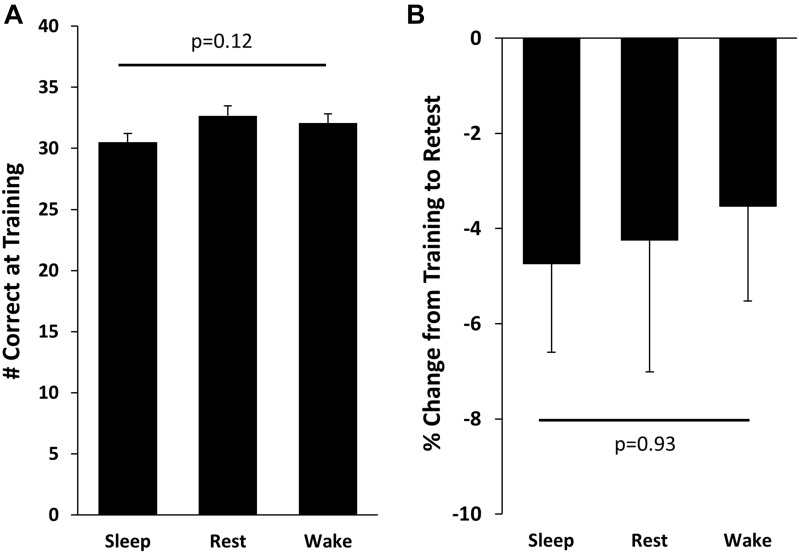
Contrary to our hypotheses, we found no differences in performance between the three conditions for either task. The findings are interpreted with reference to methodological considerations including the length of the experimental interval, the nature of the tasks used, and challenges inherent in creating experimental conditions that can be executed by participants.
有充分证据表明,与等量的清醒活动相比,夜间睡眠和白天小睡有益于记忆保持。然而,最近的证据也表明,训练后的一段休息时间(例如,闭眼安静清醒)与清醒相比,能带来类似的记忆益处。然而,睡眠与安静清醒休息对记忆的相对益处仍知之甚少。在此,我们评估了睡眠在安静清醒休息所带来的益处之外,还能提供独特记忆益处的程度。
在一个健康本科生样本(N = 83)中,我们测试了学习后30分钟的睡眠、休息或积极清醒对概念学习(点模式分类)和陈述性记忆(单词对联想)在4小时白天训练 - 重测间隔内的影响。
与我们的假设相反,我们发现对于这两项任务,三种条件下的表现均无差异。研究结果结合方法学考虑因素进行了解释,包括实验间隔的时长、所用任务的性质以及创建可供参与者执行的实验条件所固有的挑战。