Departments of Pediatrics and Medicine, School of Medicine, University of California, San Diego, La Jolla, California, USA.
Department of Family Medicine and Public Health, School of Medicine, University of California, San Diego, La Jolla, California, USA.
Clin Pharmacol Ther. 2020 Jul;108(1):40-53. doi: 10.1002/cpt.1818. Epub 2020 Apr 11.
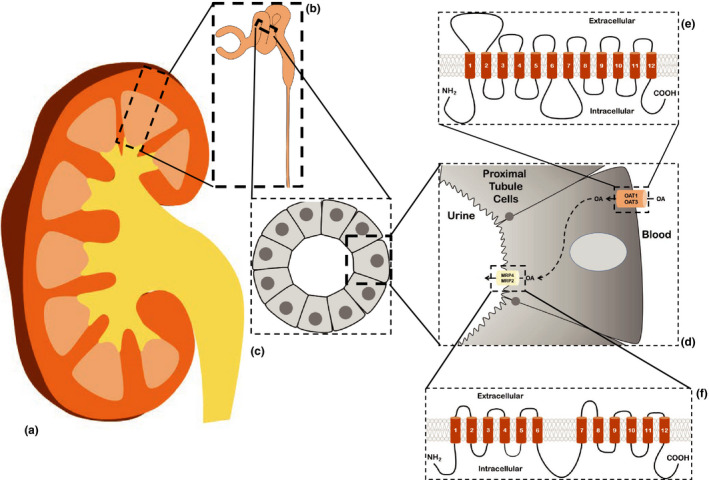
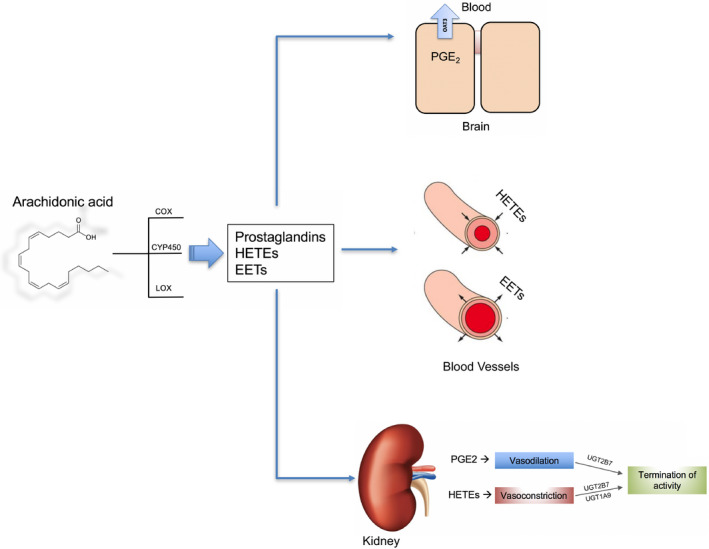
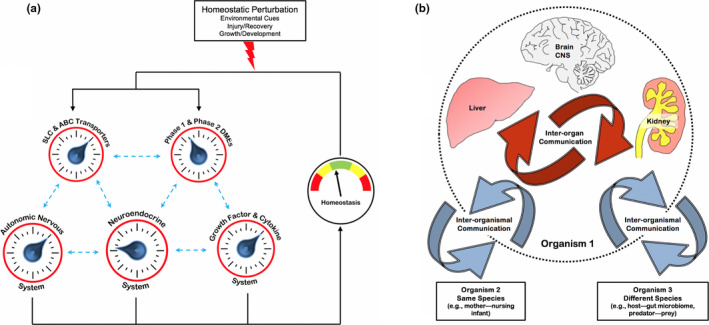
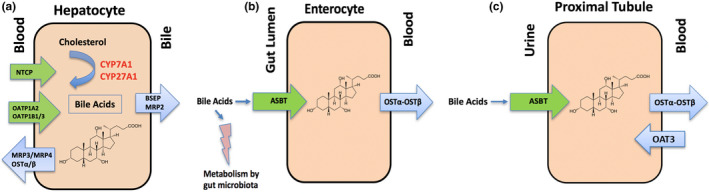
Quantitative systems pharmacology (QSP) has emerged as a transformative science in drug discovery and development. It is now time to fully rethink the biological functions of drug metabolizing enzymes (DMEs) and transporters within the framework of QSP models. The large set of DME and transporter genes are generally considered from the perspective of the absorption, distribution, metabolism, and excretion (ADME) of drugs. However, there is a growing amount of data on the endogenous physiology of DMEs and transporters. Recent studies-including systems biology analyses of "omics" data as well as metabolomics studies-indicate that these enzymes and transporters, which are often among the most highly expressed genes in tissues like liver, kidney, and intestine, have coordinated roles in fundamental biological processes. Multispecific DMEs and transporters work together with oligospecific and monospecific ADME proteins in a large multiorgan remote sensing and signaling network. We use the Remote Sensing and Signaling Theory (RSST) to examine the roles of DMEs and transporters in intratissue, interorgan, and interorganismal communication via metabolites and signaling molecules. This RSST-based view is applicable to bile acids, uric acid, eicosanoids, fatty acids, uremic toxins, and gut microbiome products, among other small organic molecules of physiological interest. Rooting this broader perspective of DMEs and transporters within QSP may facilitate an improved understanding of fundamental biology, physiologically based pharmacokinetics, and the prediction of drug toxicities based upon the interplay of these ADME proteins with key pathways in metabolism and signaling. The RSST-based view should also enable more tailored pharmacotherapy in the setting of kidney disease, liver disease, metabolic syndrome, and diabetes. We further discuss the pharmaceutical and regulatory implications of this revised view through the lens of systems physiology.
定量系统药理学 (QSP) 已成为药物发现和开发领域的一项变革性科学。现在是时候在 QSP 模型框架内全面重新思考药物代谢酶 (DME) 和转运体的生物学功能了。大量的 DME 和转运体基因通常从药物的吸收、分布、代谢和排泄 (ADME) 角度来考虑。然而,关于 DME 和转运体的内源性生理学的研究数据越来越多。最近的研究——包括“组学”数据的系统生物学分析以及代谢组学研究——表明,这些酶和转运体通常是肝脏、肾脏和肠道等组织中表达最高的基因之一,在基本生物学过程中具有协调作用。多特异性 DME 和转运体与寡特异性和单特异性 ADME 蛋白一起在一个大型多器官远程传感和信号网络中协同工作。我们使用远程传感和信号理论 (RSST) 来研究 DME 和转运体在组织内、器官间和个体间通过代谢物和信号分子进行通讯的作用。这种基于 RSST 的观点适用于胆汁酸、尿酸、类二十烷酸、脂肪酸、尿毒症毒素和肠道微生物组产物等具有生理意义的其他小分子有机化合物。在 QSP 中为 DME 和转运体提供更广泛的视角可能有助于更好地理解基础生物学、基于生理学的药代动力学以及基于这些 ADME 蛋白与代谢和信号关键途径相互作用的药物毒性预测。基于 RSST 的观点还应该能够在肾脏病、肝病、代谢综合征和糖尿病的背景下实现更具针对性的药物治疗。我们进一步通过系统生理学的视角讨论了这种修正观点的药物和监管意义。