College of Nursing, AIIMS Bhubaneswar, Bhubaneswar, Odisha, India.
Department of Community Medicine & Family Medicine, AIIMS Bhubaneswar, Bhubaneswar, Odisha, India.
BMC Womens Health. 2020 Mar 4;20(1):40. doi: 10.1186/s12905-020-00906-w.
The study was conducted to estimate the prevalence and risk factors of obstetric fistula in the rural area of the south eastern community of India and the training of community health workers for its prevention.
A population-based cross-sectional analytical study was conducted in the south eastern rural community of India. A total of 3939 women were included in the study and Probability proportional to size sampling was used in the study. Frequency distribution and logistic regression were computed to analyse the data using STATA version 11.2.
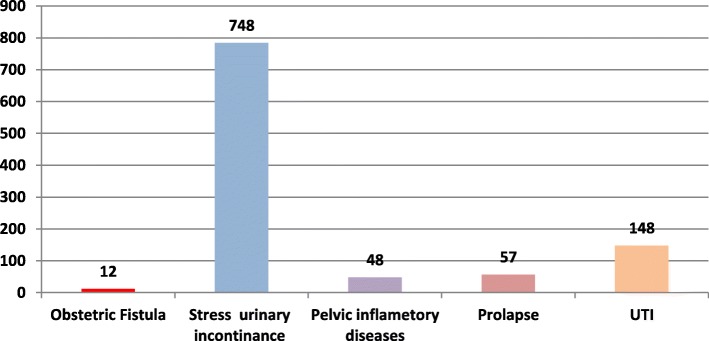
Out of 3939 participants interviewed, 23.7% women reported obstetric fistula symptoms whereas after clinical diagnosis and speculum examination the obstetric morbidity pattern was: Obstetric fistula 0.3%, stress urinary incontinence 20.0%, pelvic inflammatory diseases 1.2%, uterine prolapse 1.4% and urinary tract infection 3.8%. The awareness level of the rural women regarding the obstetric fistula was assessed by a structured knowledge questionnaire and found to be very poor, hence community based fistula training was implemented among community health workers as a health system based strategy for its prevention. Obstetric fistula found to be more prevalent among women of poor educational level, low socioeconomic status, less no of antenatal visits, delay in accessing the emergency obstetric care and prolonged labour (p ≤ 0.05).
Finding of the study indicated that the prevalence and risk of developing obstetric fistula was associated with less number of antenatal visits, prolonged labour, delay in timely intervention, delay in accessing emergency obstetric care and more number of movements from home to the delivery place. Finally, our study suggests that emphasis needs to be placed on training of community health workers to facilitate early screening for identification and referral of women with obstetric fistula.
本研究旨在估计印度东南部农村地区的产科瘘患病率和相关风险因素,并培训社区卫生工作者以预防产科瘘。
在印度东南部农村社区进行了一项基于人群的横断面分析研究。研究共纳入 3939 名妇女,采用比例概率抽样法进行研究。使用 STATA 版本 11.2 计算频率分布和逻辑回归来分析数据。
在接受访谈的 3939 名参与者中,23.7%的妇女报告有产科瘘症状,而经过临床诊断和阴道镜检查,产科发病率模式为:产科瘘 0.3%、压力性尿失禁 20.0%、盆腔炎 1.2%、子宫脱垂 1.4%和尿路感染 3.8%。通过结构化知识问卷评估农村妇女对产科瘘的认识水平,发现非常低,因此在社区卫生工作者中实施了基于社区的瘘管培训,作为预防产科瘘的卫生系统策略。研究发现,产科瘘在教育程度低、社会经济地位低、产前检查次数少、及时获得产科急救服务延迟和产程延长的妇女中更为普遍(p≤0.05)。
研究结果表明,产科瘘的患病率和发病风险与产前检查次数少、产程延长、及时干预延迟、及时获得产科急救服务延迟以及从家到分娩地点的转移次数增加有关。最后,我们的研究表明,需要重视培训社区卫生工作者,以便早期筛查、识别和转诊产科瘘妇女。