Center for Frontier Oral Science, Graduate School of Frontier Biosciences, Osaka University, Suita, Osaka, Japan.
Center for Frontier Oral Science, Graduate School of Dentistry, Osaka University, Suita, Osaka, Japan.
PLoS One. 2020 Mar 5;15(3):e0230156. doi: 10.1371/journal.pone.0230156. eCollection 2020.
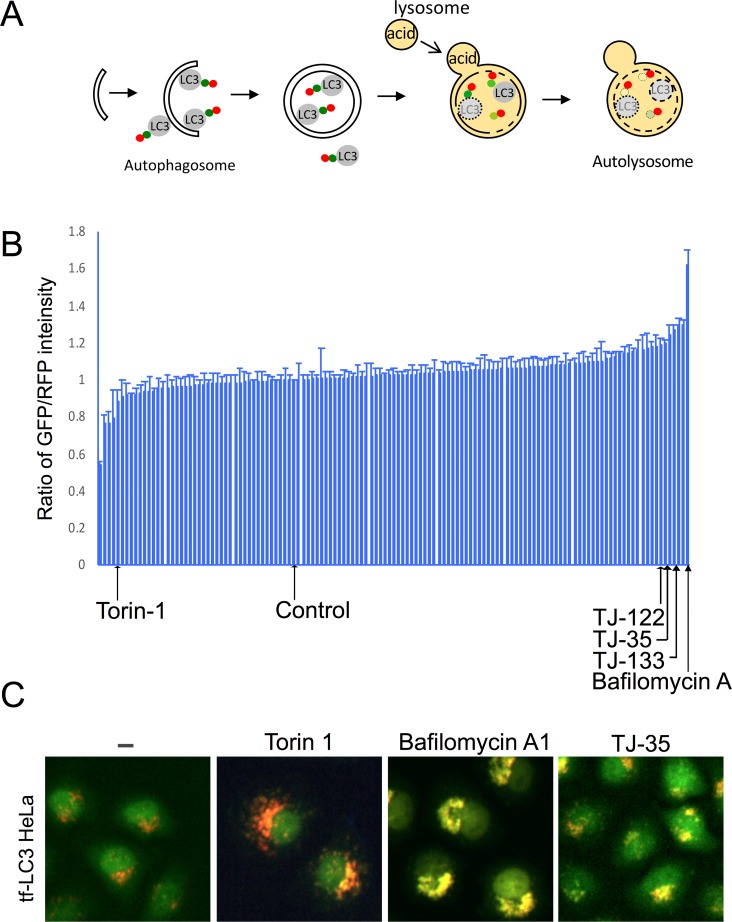
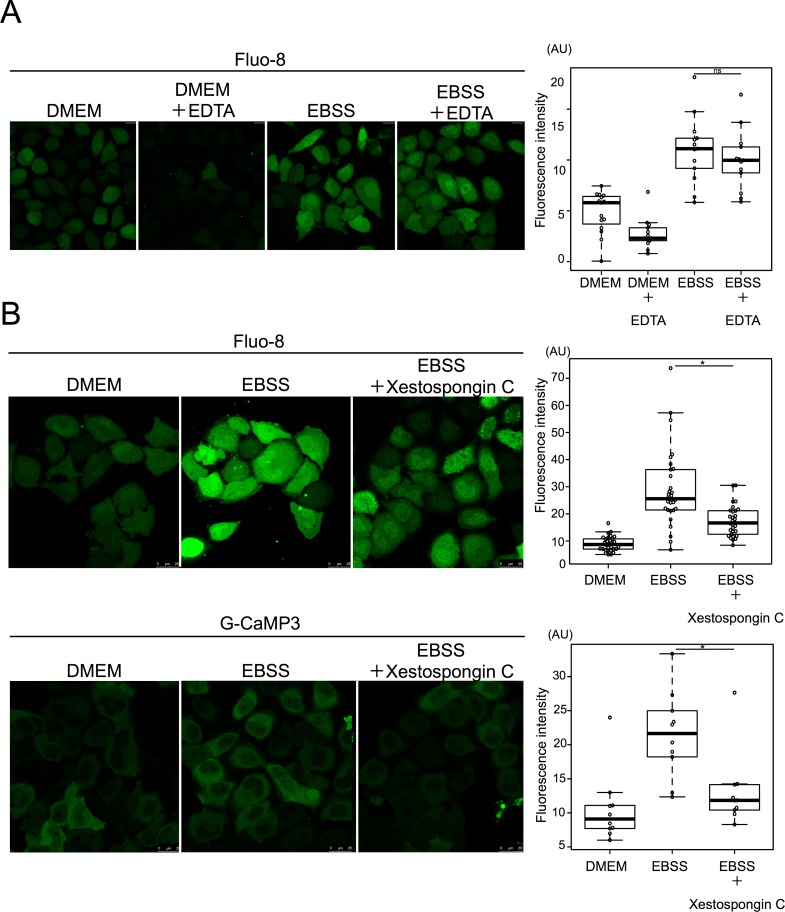
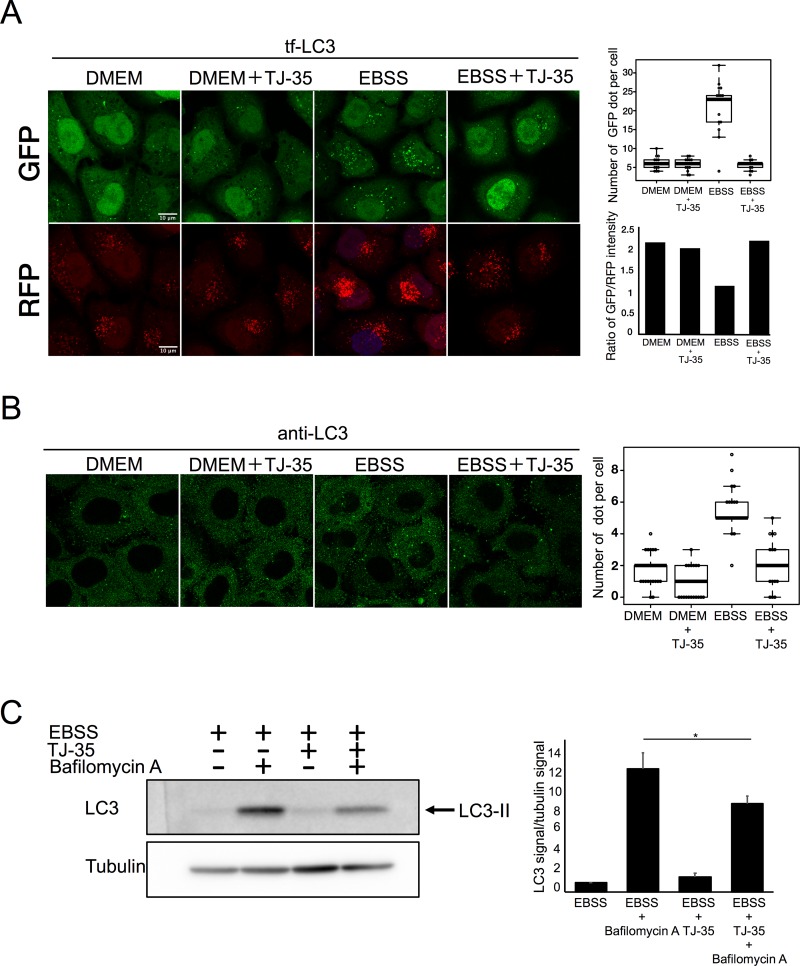
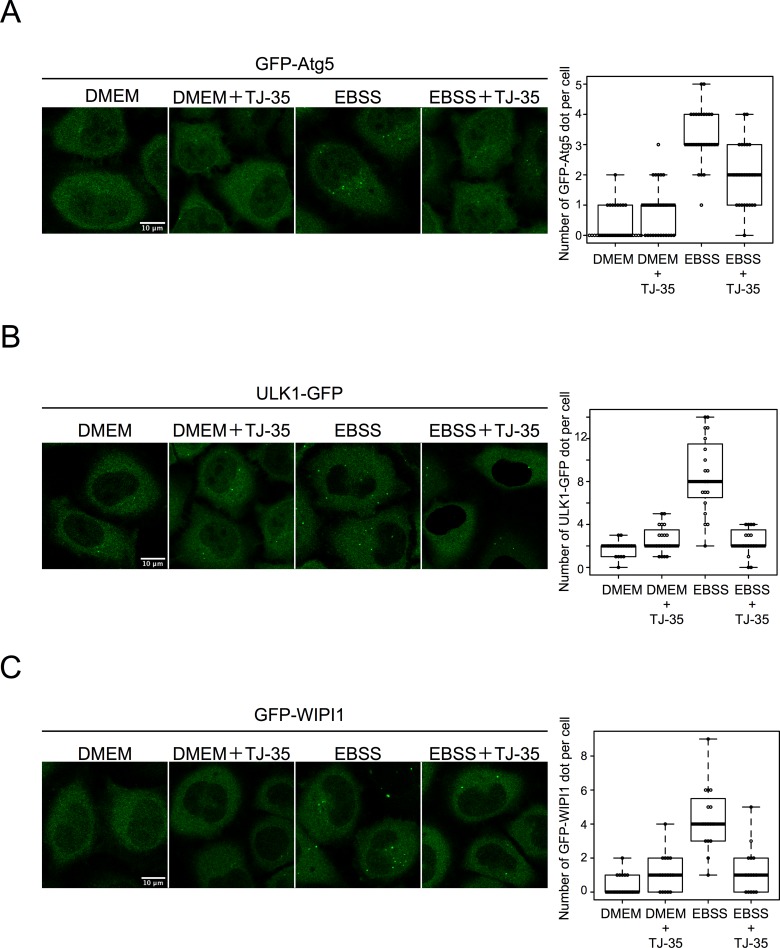
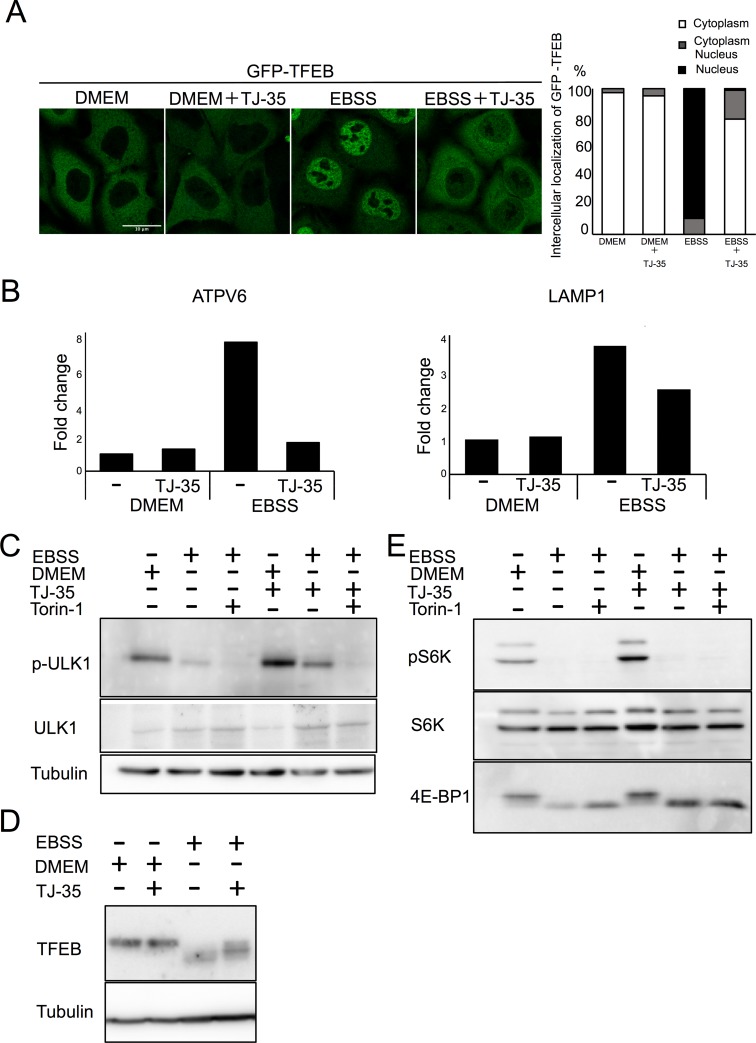
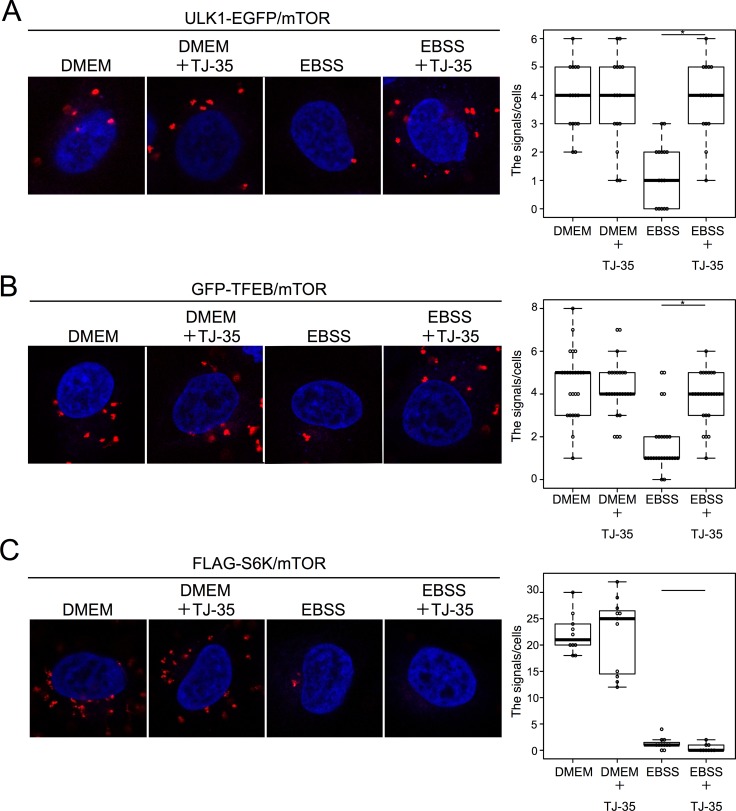
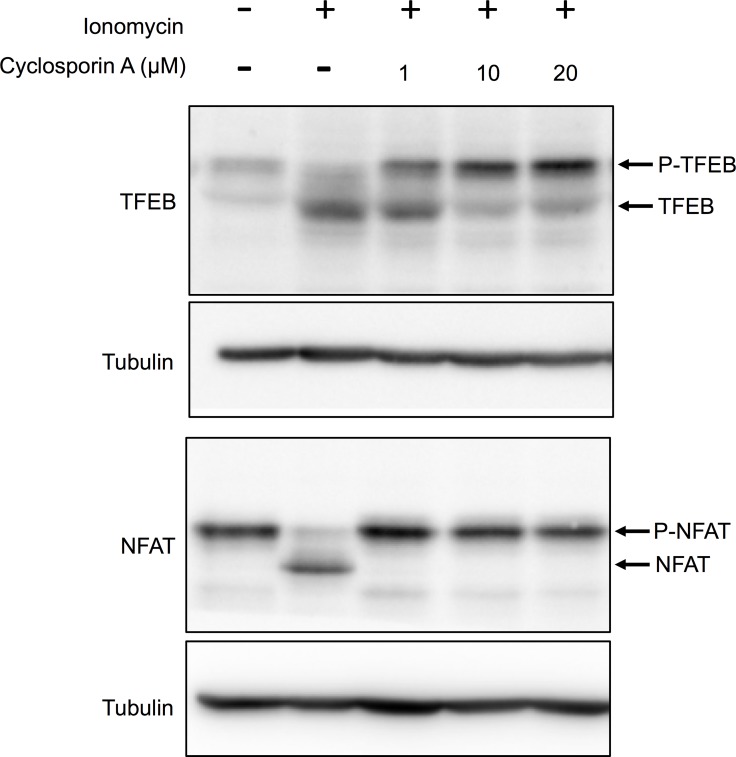
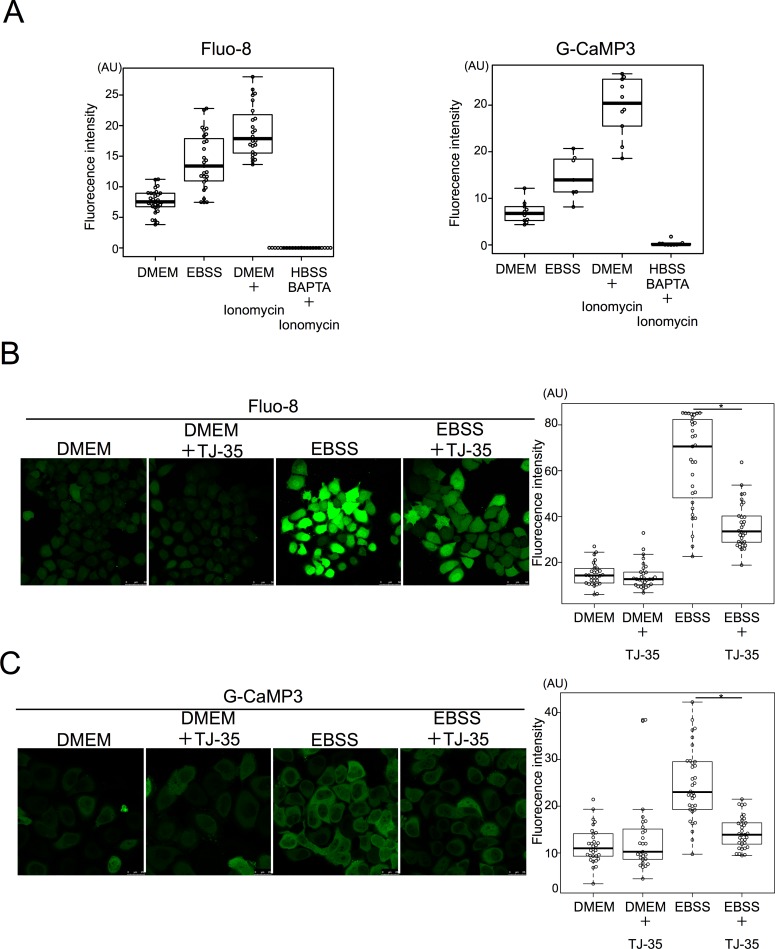
Kampo, a system of traditional Japanese therapy utilizing mixtures of herbal medicine, is widely accepted in the Japanese medical system. Kampo originated from traditional Chinese medicine, and was gradually adopted into a Japanese style. Although its effects on a variety of diseases are appreciated, the underlying mechanisms remain mostly unclear. Using a quantitative tf-LC3 system, we conducted a high-throughput screen of 128 kinds of Kampo to evaluate the effects on autophagy. The results revealed a suppressive effect of Shigyakusan/TJ-35 on autophagic activity. TJ-35 specifically suppressed dephosphorylation of ULK1 and TFEB, among several TORC1 substrates, in response to nutrient deprivation. TFEB was dephosphorylated by calcineurin in a Ca2+ dependent manner. Cytosolic Ca2+ concentration was increased in response to nutrient starvation, and TJ-35 suppressed this increase. Thus, TJ-35 prevents the starvation-induced Ca2+ increase, thereby suppressing induction of autophagy.
汉方药,一种利用草药混合物的传统日本疗法系统,在日本医疗体系中被广泛接受。汉方药源自传统中医,并逐渐被采纳为日本风格。尽管它对多种疾病的疗效受到赞赏,但潜在机制仍大多不清楚。我们使用定量 tf-LC3 系统对 128 种汉方药进行高通量筛选,以评估其对自噬的影响。结果表明,十全散/TJ-35 对自噬活性有抑制作用。TJ-35 特异性抑制了营养缺乏时 TORC1 底物中 ULK1 和 TFEB 的去磷酸化。TFEB 以 Ca2+ 依赖的方式被钙调神经磷酸酶去磷酸化。细胞溶质 Ca2+ 浓度响应营养饥饿而增加,而 TJ-35 抑制了这种增加。因此,TJ-35 防止了饥饿诱导的 Ca2+ 增加,从而抑制了自噬的诱导。