Wang Shuting, Ferrag Celia, Noroozifar Meissam, Kerman Kagan
Department of Physical and Environmental Sciences, University of Toronto Scarborough, 1265 Military Trail, Toronto, ON M1C 1A4, Canada.
Department of Chemistry, University of Toronto, 80 St. George Street, Toronto, ON M5S 3H6, Canada.
Micromachines (Basel). 2020 Mar 11;11(3):294. doi: 10.3390/mi11030294.
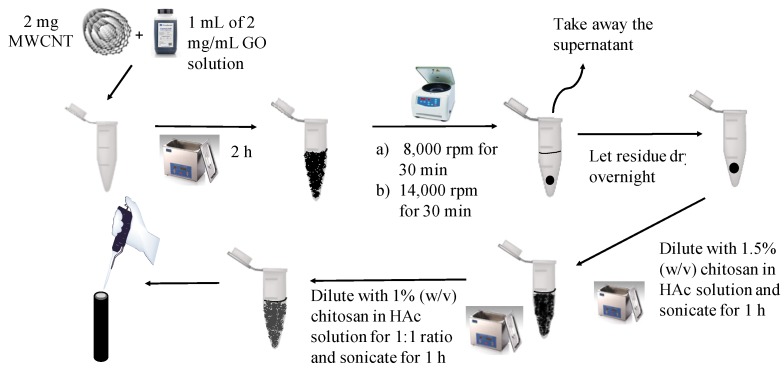
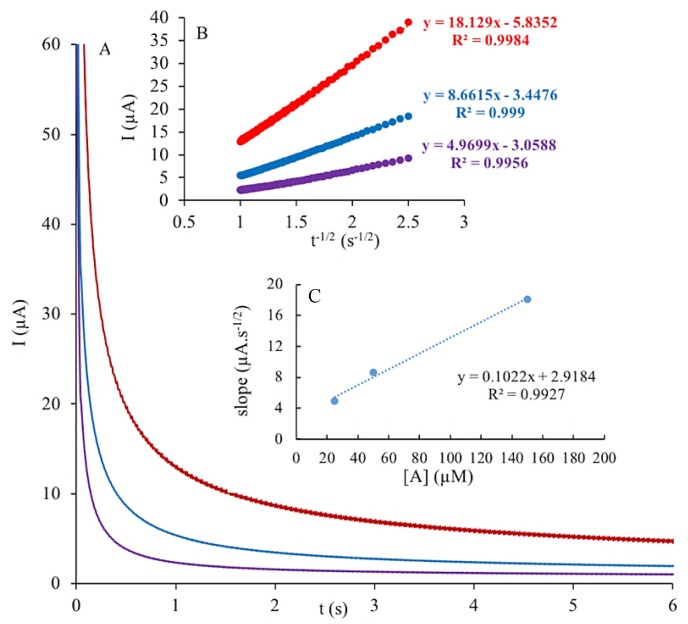
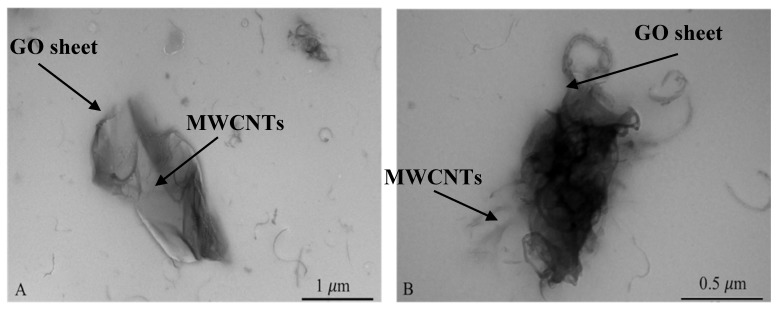
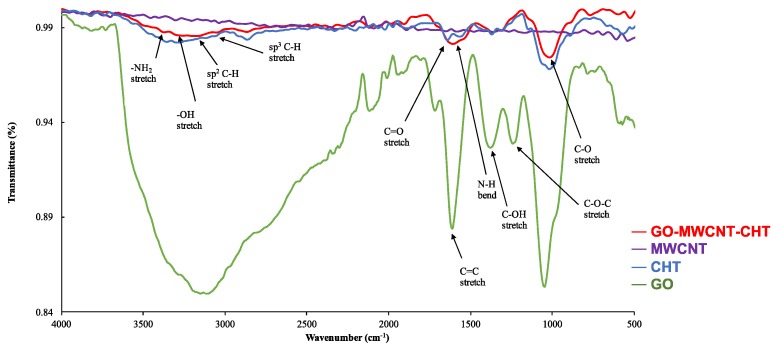
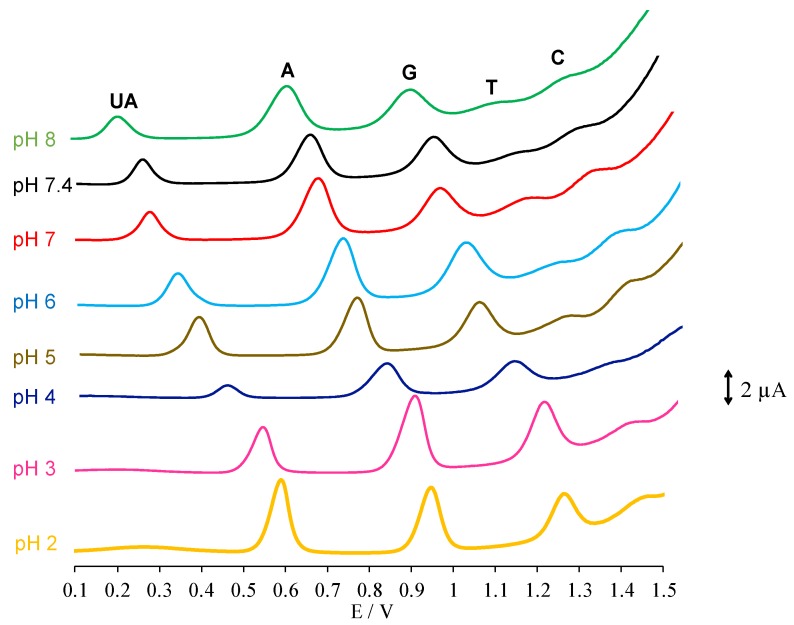
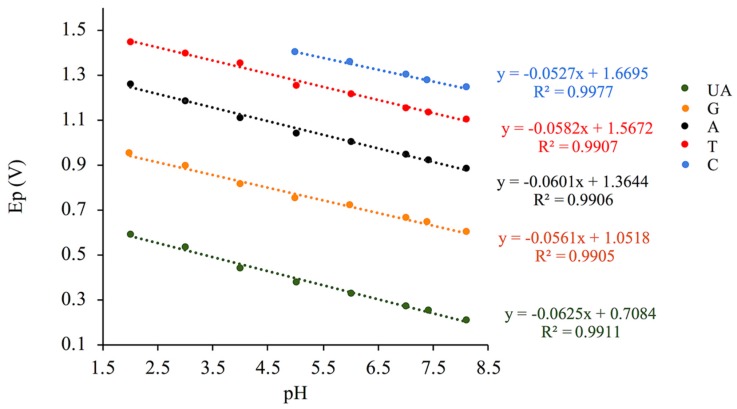
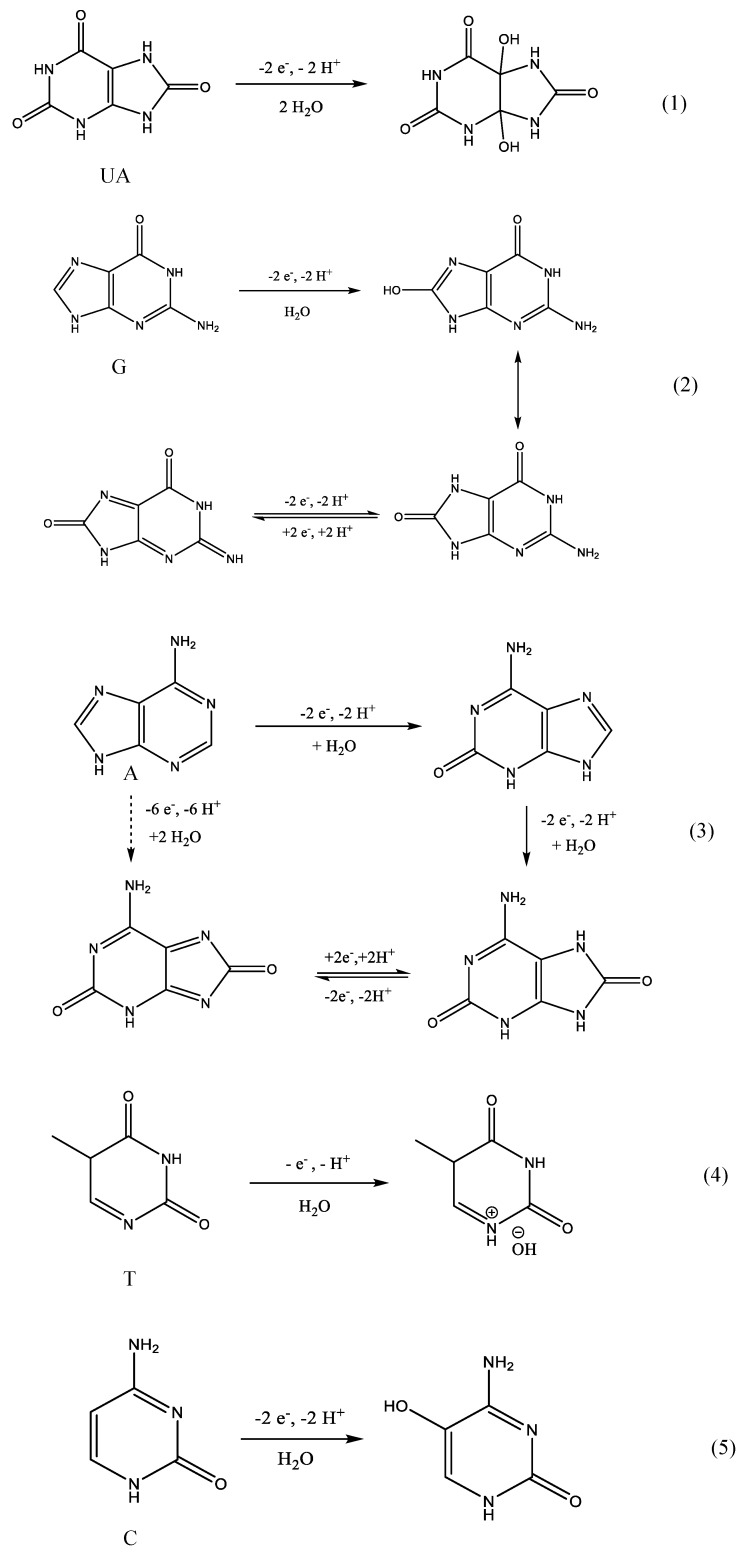
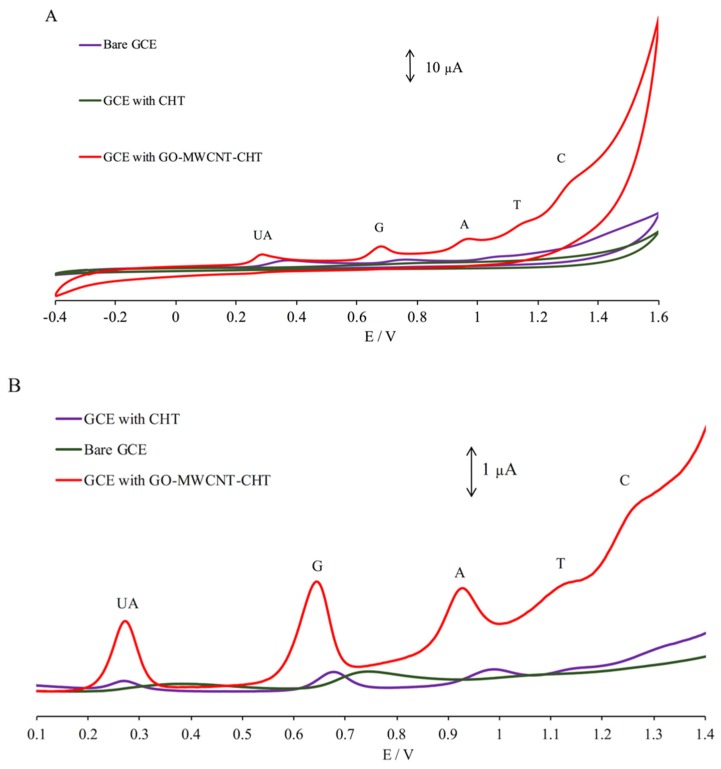
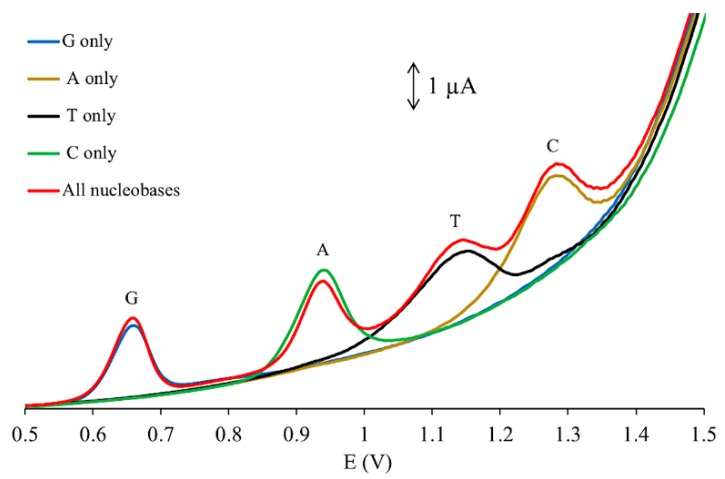
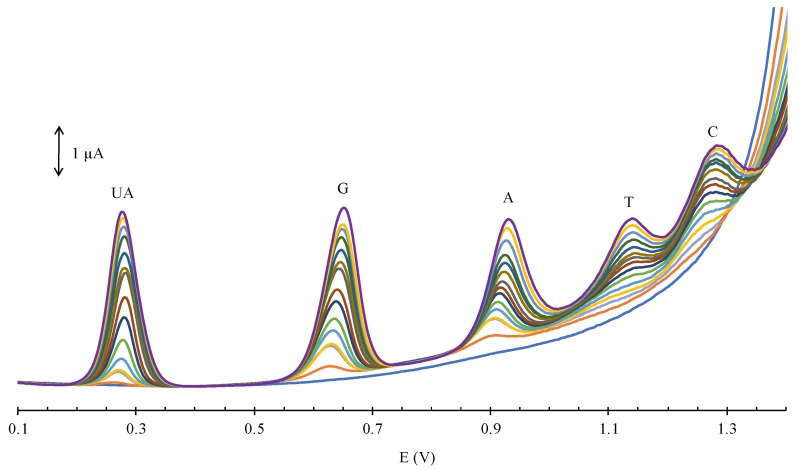
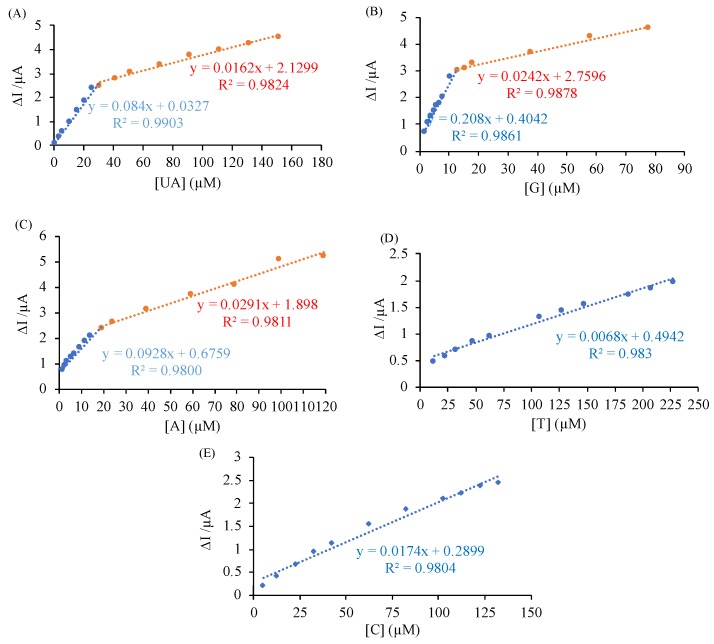
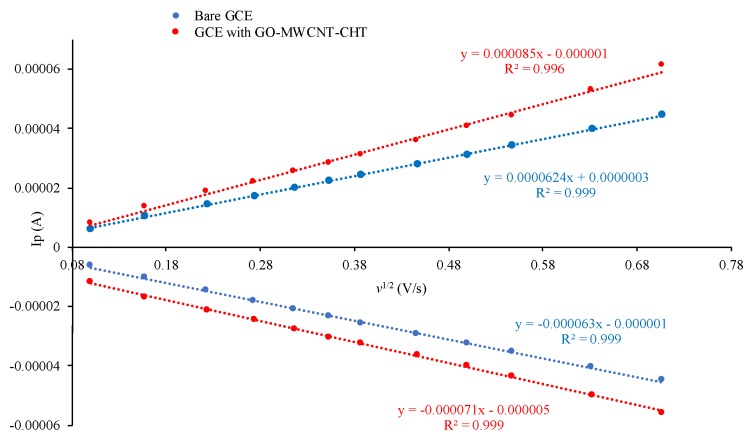
In this study, we developed a modified glassy carbon electrode (GCE) with graphene oxide, multi-walled carbon nanotube hybrid nanocomposite in chitosan (GCE/GO-MWCNT-CHT) to achieve simultaneous detection of four nucleobases (i.e., guanine (G), adenine (A), thymine (T) and cytosine (C)) along with uric acid (UA) as an internal standard. The nanocomposite was characterized using TEM and FT-IR. The linearity ranges were up to 151.0, 78.0, 79.5, 227.5, and 162.5 µM with a detection limit of 0.15, 0.12, 0.44, 4.02, 4.0, and 3.30 µM for UA, G, A, T, and C, respectively. Compared to a bare GCE, the nanocomposite-modified GCE demonstrated a large enhancement (~36.6%) of the electrochemical active surface area. Through chronoamperometric studies, the diffusion coefficients (), standard catalytic rate constant (K), and heterogenous rate constant (K) were calculated for the analytes. Moreover, the nanocomposite-modified electrode was used for simultaneous detection in human serum, human saliva, and artificial saliva samples with recovery values ranging from 95% to 105%.
在本研究中,我们制备了一种修饰玻碳电极(GCE),其在壳聚糖中含有氧化石墨烯、多壁碳纳米管混合纳米复合材料(GCE/GO-MWCNT-CHT),以实现同时检测四种核碱基(即鸟嘌呤(G)、腺嘌呤(A)、胸腺嘧啶(T)和胞嘧啶(C))以及作为内标的尿酸(UA)。使用透射电子显微镜(TEM)和傅里叶变换红外光谱(FT-IR)对该纳米复合材料进行了表征。线性范围分别高达151.0、78.0、79.5、227.5和162.5 μM,UA、G、A、T和C的检测限分别为0.15、0.12、0.44、4.02、4.0和3.30 μM。与裸玻碳电极相比,纳米复合材料修饰的玻碳电极的电化学活性表面积有大幅增加(约36.6%)。通过计时电流法研究,计算了分析物的扩散系数()、标准催化速率常数(K)和异相速率常数(K)。此外,该纳米复合材料修饰电极用于人血清、人唾液和人工唾液样品的同时检测,回收率在95%至105%之间。