Division of Bioorganic Chemistry, School of Pharmacy, Saarland University, D-66123 Saarbruecken, Germany.
Department of Philosophy, Saarland University, D-66123 Saarbruecken, Germany.
Int J Environ Res Public Health. 2020 Mar 12;17(6):1833. doi: 10.3390/ijerph17061833.
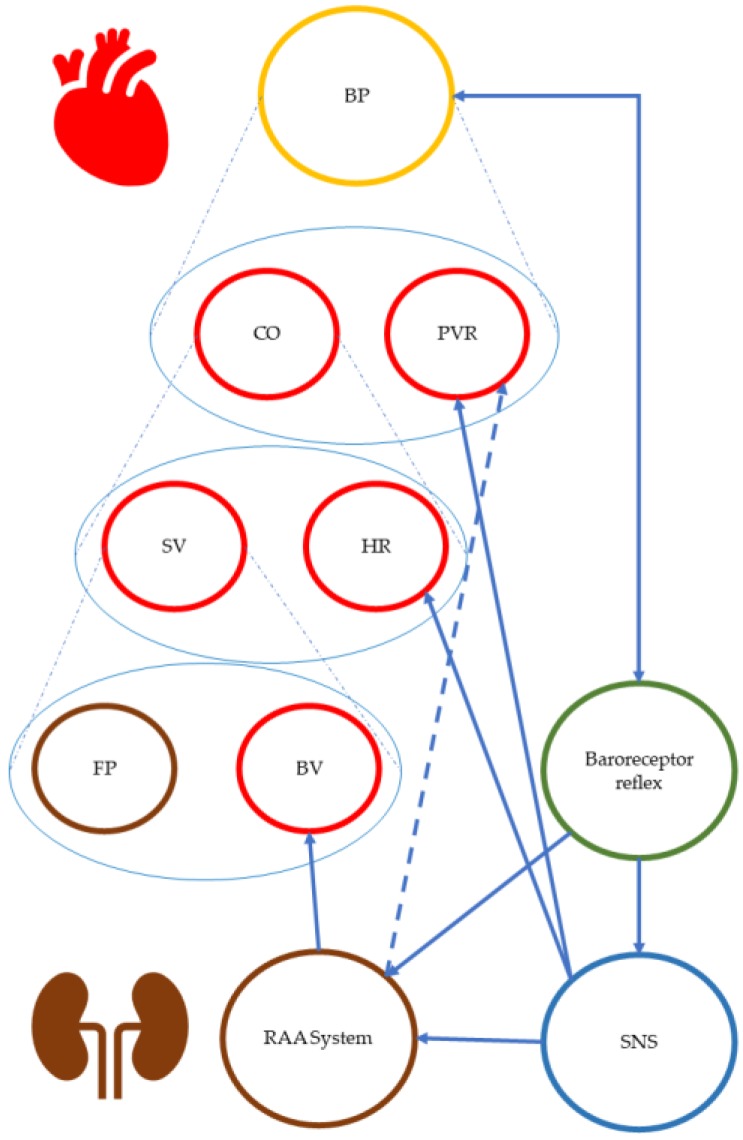
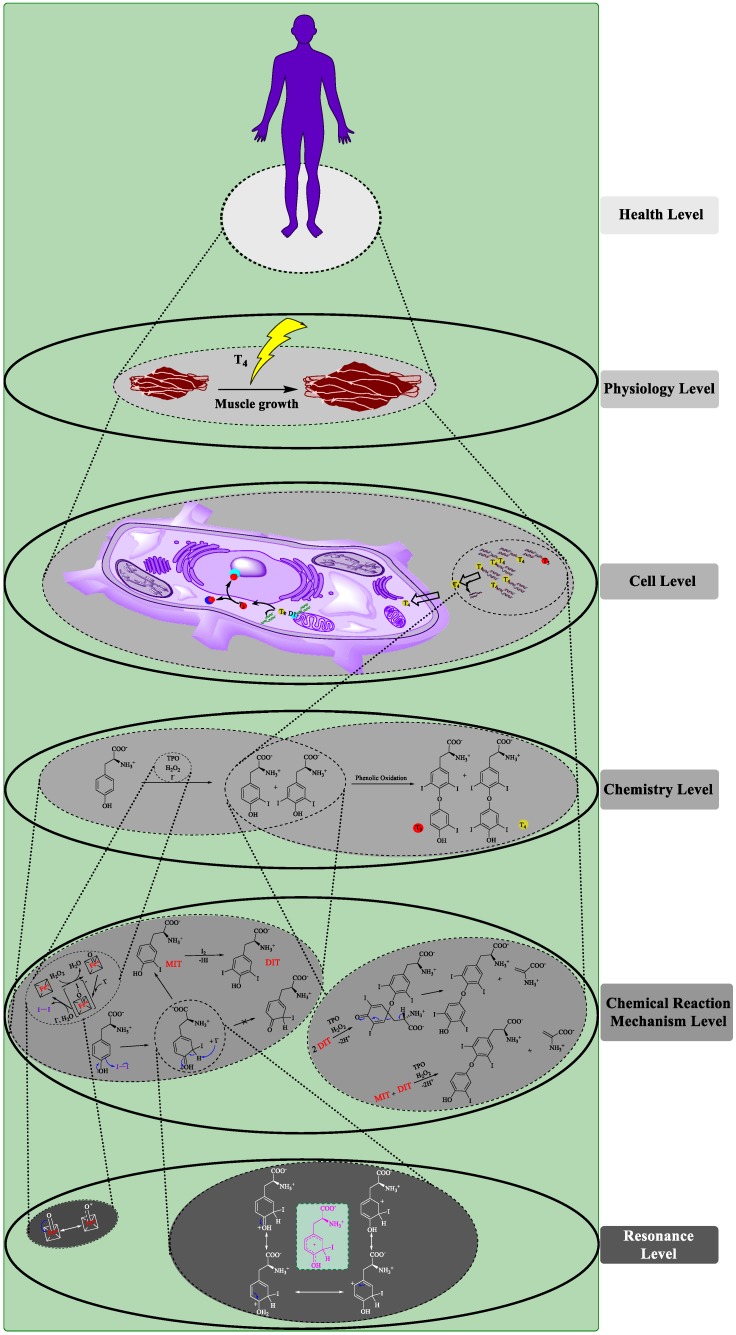
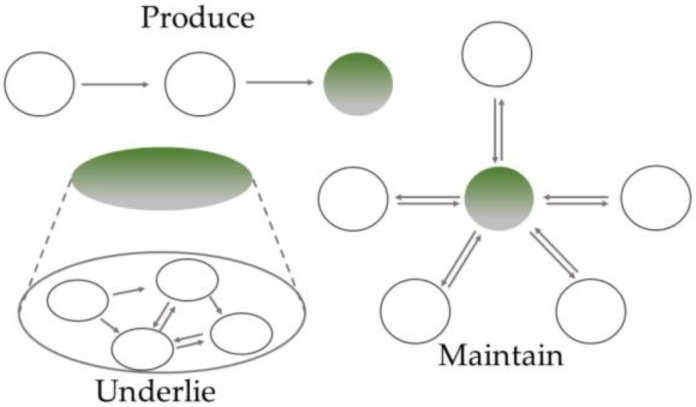
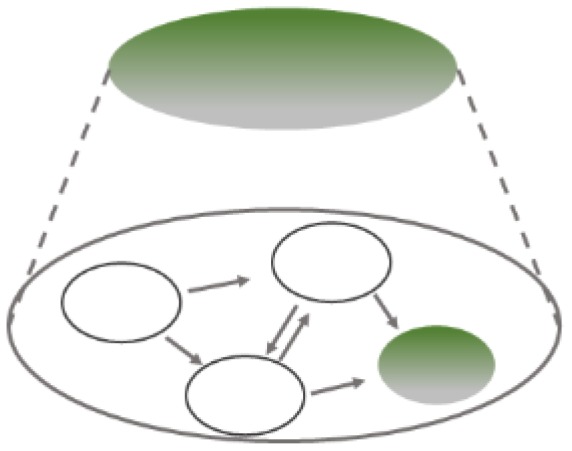
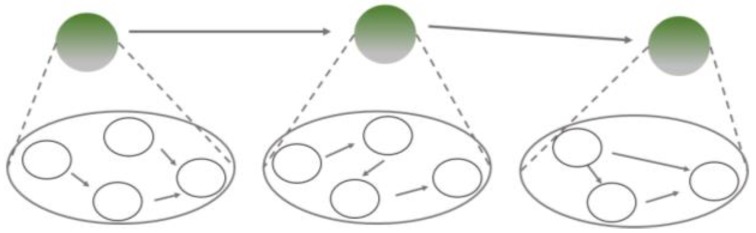
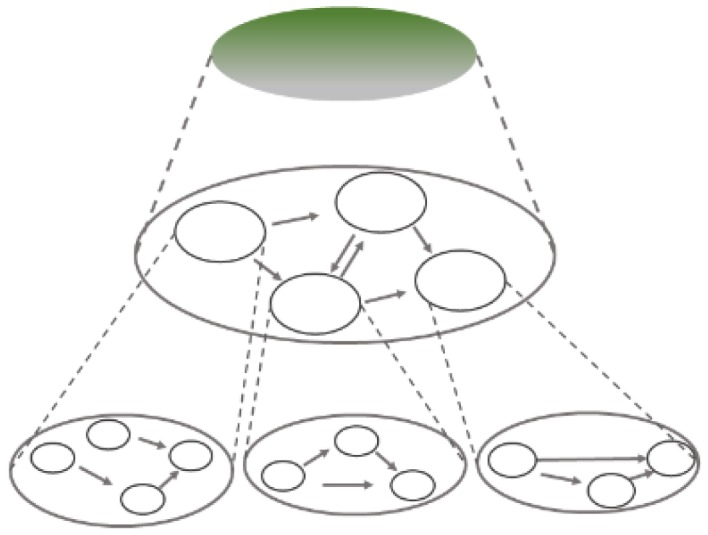
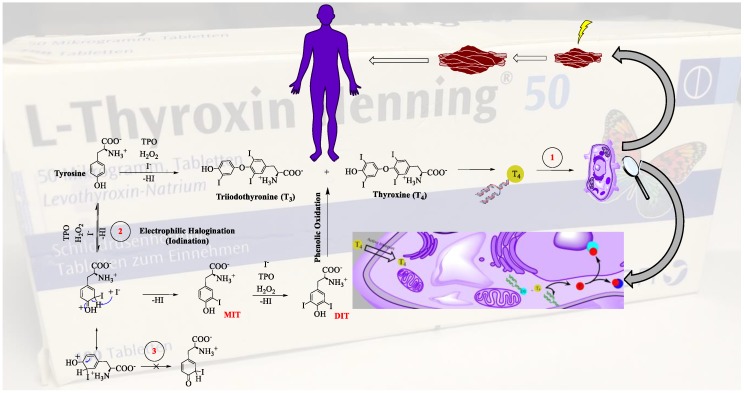
Talk of mechanisms is ubiquitous in the natural sciences. Interdisciplinary fields such as biochemistry and pharmacy frequently discuss mechanisms with the assistance of diagrams. Such diagrams usually depict entities as structures or boxes and activities or interactions as arrows. While some of these arrows may indicate causal or componential relations, others may represent temporal or operational orders. Importantly, what kind of relation an arrow represents may not only vary with context but also be underdetermined by empirical data. In this manuscript, we investigate how an analysis of pharmacological mechanisms in terms of producing and underlying mechanisms-as discussed in the contemporary philosophy of science-may shed light on these issues. Specifically, we shall argue that while pharmacokinetic mechanisms usually describe causal chains of production, pharmacodynamics tends to focus on mechanisms of action underlying the in vivo effects of a drug. Considering the action of thyroid gland hormones in the human body as a case study, we further demonstrate that pharmacodynamic schemes tend to incorporate entities and interactions on multiple levels. Yet, traditional pharmacodynamic schemes are sketched "flat", i.e., non-hierarchically. We suggest that transforming flat pharmacodynamic schemes into mechanistic multi-level representations may assist in disentangling the different kinds of mechanisms and relations depicted by arrows in flat schemes. The resulting Baumkuchen model provides a powerful and practical alternative to traditional flat schemes, as it explicates the relevant mechanisms and relations more clearly. On a more general note, our discussion demonstrates how pharmacology and related disciplines may benefit from applying concepts from the new mechanist philosophy to guide the interpretation of scientific diagrams.
在自然科学中,机制的讨论无处不在。像生物化学和药学这样的交叉学科经常借助图表来讨论机制。这些图表通常将实体描绘为结构或方框,将活动或相互作用描绘为箭头。虽然其中一些箭头可能表示因果或组成关系,但其他箭头可能表示时间或操作顺序。重要的是,箭头所代表的关系不仅可能因上下文而异,而且可能无法被经验数据所确定。在本文中,我们研究了根据当代科学哲学中讨论的产生机制和基础机制来分析药理学机制,如何能阐明这些问题。具体来说,我们将论证,虽然药代动力学机制通常描述的是因果产生链,但药效学倾向于关注药物在体内作用背后的作用机制。考虑到甲状腺激素在人体中的作用作为案例研究,我们进一步证明了药效学方案往往将多个层面的实体和相互作用纳入其中。然而,传统的药效学方案是“平面”的,即非层次化的。我们建议将平面的药效学方案转化为机械多层次的表示形式,可能有助于理清平面方案中箭头所描绘的不同种类的机制和关系。所得到的 Baumkuchen 模型为传统的平面方案提供了一个强大而实用的替代方案,因为它更清晰地阐明了相关的机制和关系。更普遍地说,我们的讨论表明了药理学和相关学科如何受益于应用新机械主义哲学的概念来指导科学图表的解释。