The Department of Nutrition, Dietetics and Food, Monash University, Level 1 264 Ferntree Gully Road, Notting Hill, VIC 3168, Australia.
Nutrients. 2020 Mar 12;12(3):750. doi: 10.3390/nu12030750.
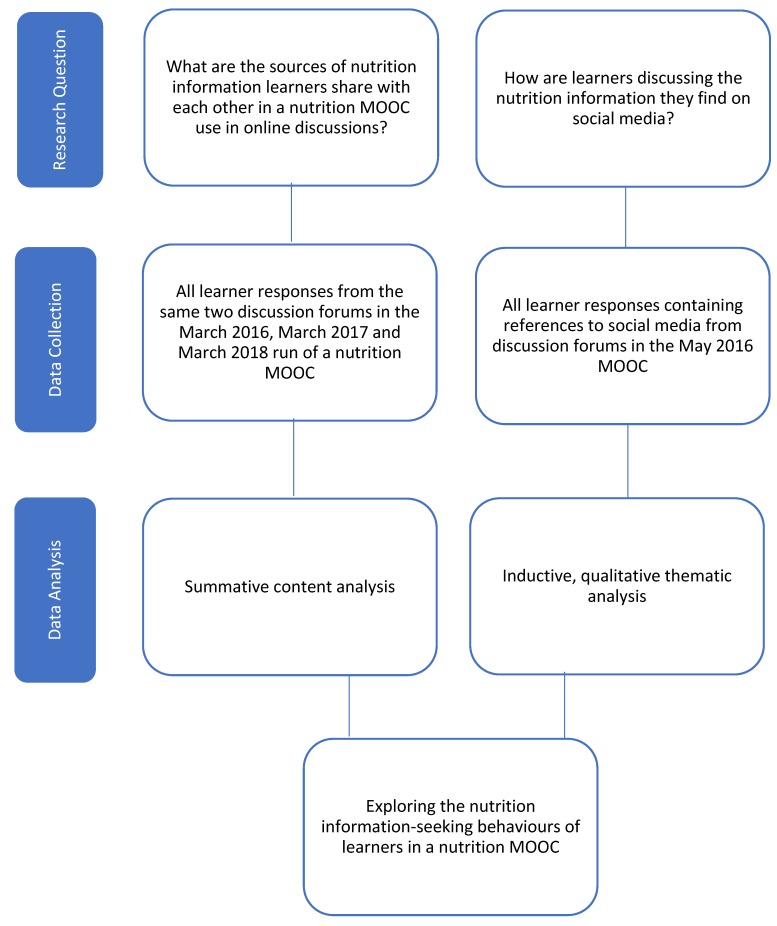
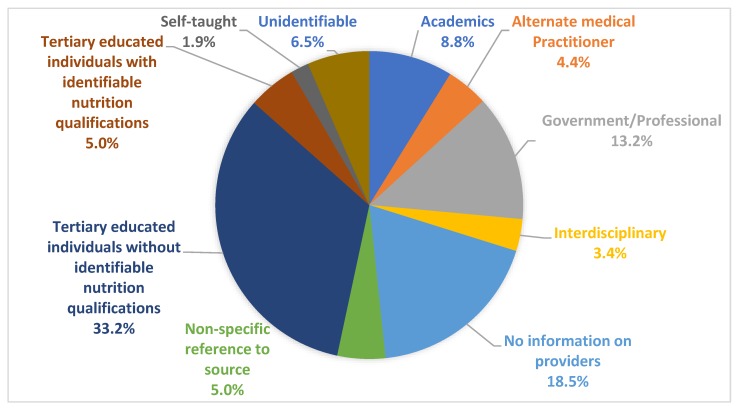
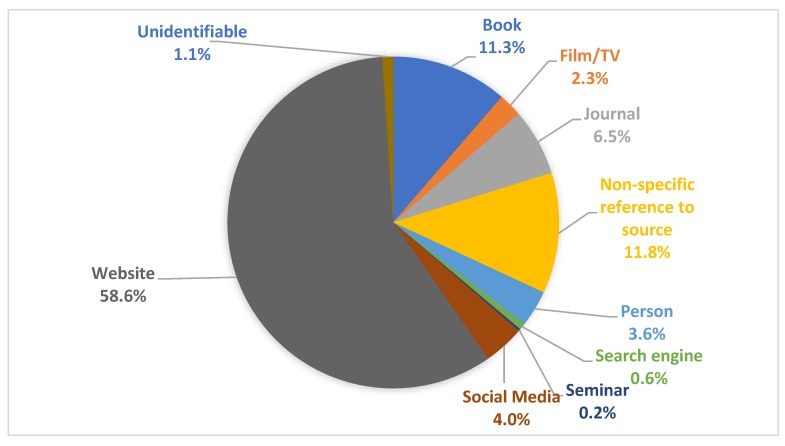
People's accessibility to nutrition information is now near universal due to internet access, and the information available varies in its scientific integrity and provider expertise. Understanding the information-seeking behaviours of the public is paramount for providing sound nutrition advice. This research aims to identify who learners in a nutrition-focused Massive Open Online Course (MOOC) turn to for nutrition information, and how they discuss the information they find. A multi-methods approach explored the information-seeking and sharing behaviours of MOOC learners. Summative content analysis, and an exploratory, inductive, qualitative approach analysed learners' posts in MOOC discussion forums. From 476 posts, the majority (58.6%) of nutrition information sources learners reported were from websites. Providers of nutrition information were most commonly (34%) tertiary educated individuals lacking identifiable nutrition qualifications; 19% had no identifiable author information, and only 5% were from nutrition professionals. Qualitative themes identified that learners used nutrition information to learn, teach and share nutrition information. Consistent with connectivist learning theory, learners contributed their own sources of nutrition information to discussions, using their own knowledge networks to teach and share information. Nutrition professionals need to understand the principles of connectivist learning behaviours in order to effectively engage the public.
由于互联网的普及,人们现在几乎可以随时获取营养信息,而这些信息在科学完整性和提供者专业知识方面存在差异。了解公众的信息搜索行为对于提供合理的营养建议至关重要。本研究旨在确定营养重点的大规模开放在线课程 (MOOC) 中的学习者会向谁寻求营养信息,以及他们如何讨论他们找到的信息。一种多方法方法探索了 MOOC 学习者的信息搜索和共享行为。总结性内容分析和探索性、归纳性、定性方法分析了 MOOC 论坛中的学习者帖子。在 476 个帖子中,学习者报告的大多数(58.6%)营养信息来源来自网站。营养信息提供者最常见的是(34%)没有可识别的营养资格的高等教育人员;19%没有可识别的作者信息,只有 5%来自营养专业人员。确定的定性主题表明,学习者使用营养信息进行学习、教学和分享营养信息。与连通主义学习理论一致,学习者将自己的营养信息来源贡献到讨论中,利用自己的知识网络进行教学和信息共享。营养专业人员需要了解连通主义学习行为的原则,以便有效地吸引公众。