Department of Microbiology, Soochow University, Shih-Lin, Taipei 111, Taiwan.
Department of Medical Research, Taipei Veterans General Hospital, Taipei 112, Taiwan.
J Microbiol Immunol Infect. 2020 Jun;53(3):419-424. doi: 10.1016/j.jmii.2020.03.002. Epub 2020 Mar 10.
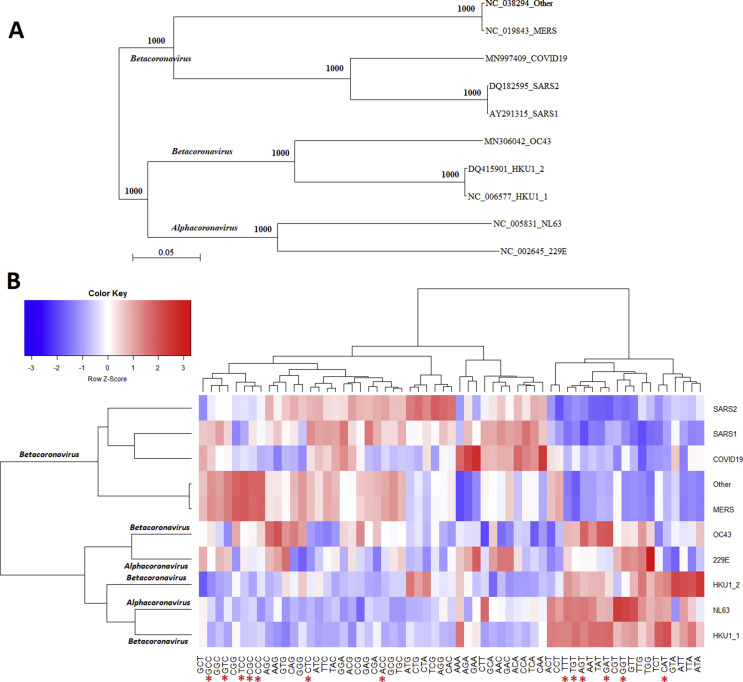
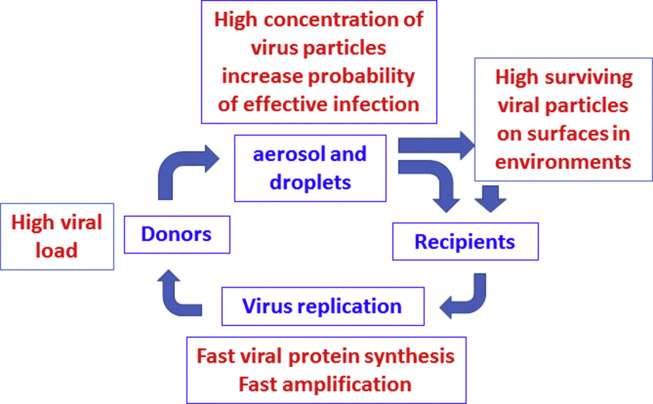
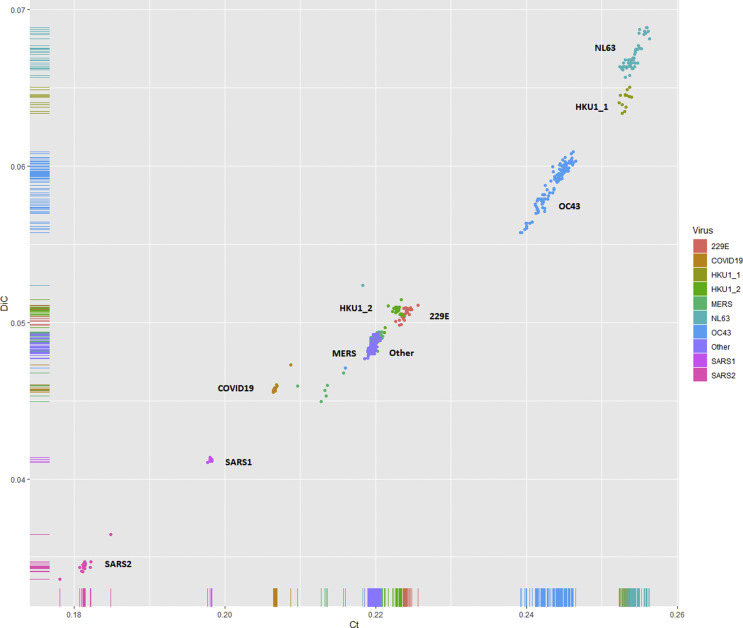
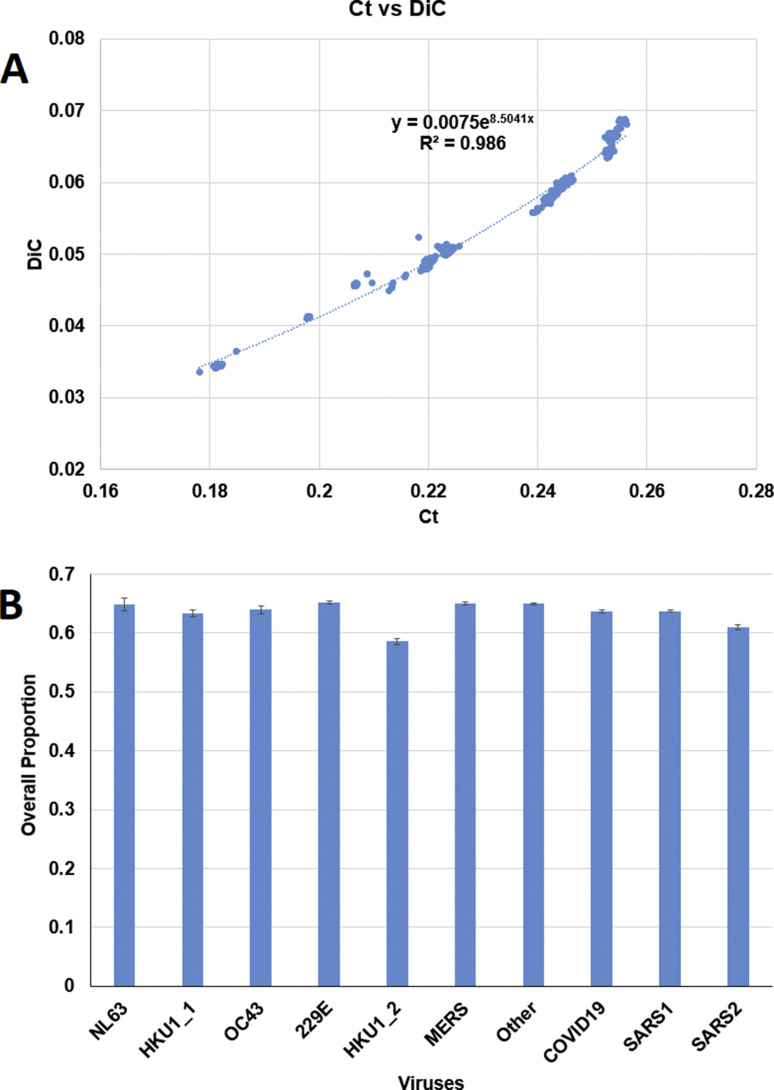
Translation of a genetic codon without a cognate tRNA gene is affected by both the cognate tRNA availability and the interaction with non-cognate isoacceptor tRNAs. Moreover, two consecutive slow codons (slow di-codons) lead to a much slower translation rate. Calculating the composition of host specific slow codons and slow di-codons in the viral protein coding sequences can predict the order of viral protein synthesis rates between different virus strains. Comparison of human-specific slow codon and slow di-codon compositions in the genomes of 590 coronaviruses infect humans revealed that the protein synthetic rates of 2019 novel coronavirus (2019-nCoV) and severe acute respiratory syndrome-related coronavirus (SARS-CoV) may be much faster than other coronaviruses infect humans. Analysis of host-specific slow codon and di-codon compositions provides links between viral genomic sequences and capability of virus replication in host cells that may be useful for surveillance of the transmission potential of novel viruses.
没有同源 tRNA 基因的遗传密码子的翻译受到同源 tRNA 可用性和与非同源同功受体 tRNA 相互作用的影响。此外,两个连续的慢速密码子(慢速双密码子)会导致翻译速度大大减慢。计算病毒蛋白编码序列中宿主特异性慢速密码子和慢速双密码子的组成,可以预测不同病毒株之间病毒蛋白合成率的顺序。比较 590 种感染人类的冠状病毒基因组中人类特异性慢速密码子和慢速双密码子的组成,发现 2019 年新型冠状病毒(2019-nCoV)和严重急性呼吸综合征相关冠状病毒(SARS-CoV)的蛋白质合成率可能比其他感染人类的冠状病毒快得多。对宿主特异性慢速密码子和双密码子组成的分析为病毒基因组序列与病毒在宿主细胞中的复制能力之间提供了联系,这可能有助于监测新型病毒的传播潜力。