Clémot Marie, Sênos Demarco Rafael, Jones D Leanne
Department of Molecular, Cell and Developmental Biology, University of California, Los Angeles, Los Angeles, CA, United States.
Eli and Edythe Broad Center of Regenerative Medicine and Stem Cell Research, University of California, Los Angeles, Los Angeles, CA, United States.
Front Cell Dev Biol. 2020 Feb 28;8:115. doi: 10.3389/fcell.2020.00115. eCollection 2020.
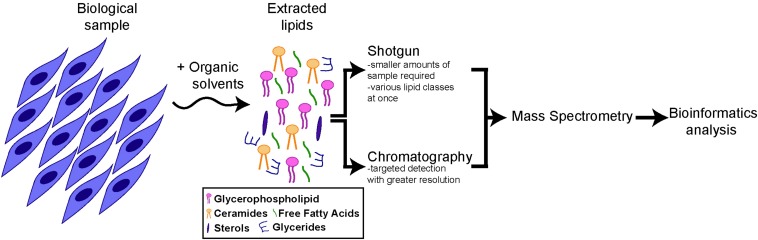
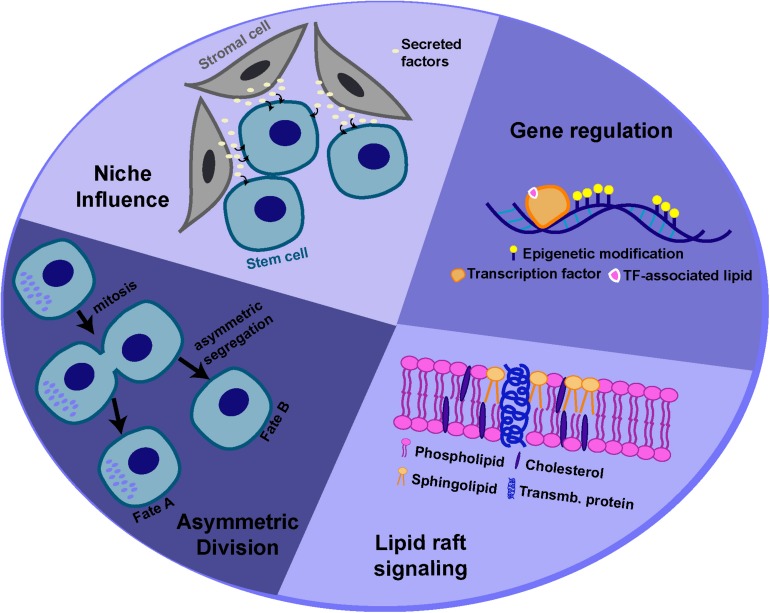
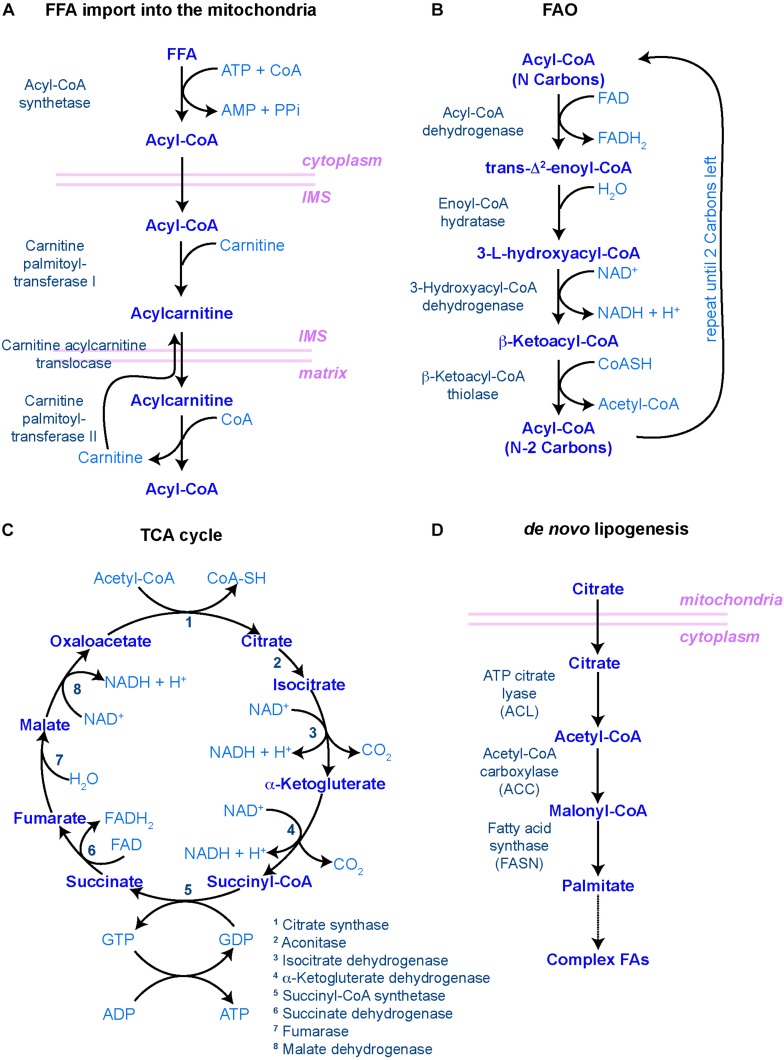
Adult stem cells constitute an important reservoir of self-renewing progenitor cells and are crucial for maintaining tissue and organ homeostasis. The capacity of stem cells to self-renew or differentiate can be attributed to distinct metabolic states, and it is now becoming apparent that metabolism plays instructive roles in stem cell fate decisions. Lipids are an extremely vast class of biomolecules, with essential roles in energy homeostasis, membrane structure and signaling. Imbalances in lipid homeostasis can result in lipotoxicity, cell death and diseases, such as cardiovascular disease, insulin resistance and diabetes, autoimmune disorders and cancer. Therefore, understanding how lipid metabolism affects stem cell behavior offers promising perspectives for the development of novel approaches to control stem cell behavior either or in patients, by modulating lipid metabolic pathways pharmacologically or through diet. In this review, we will first address how recent progress in lipidomics has created new opportunities to uncover stem-cell specific lipidomes. In addition, genetic and/or pharmacological modulation of lipid metabolism have shown the involvement of specific pathways, such as fatty acid oxidation (FAO), in regulating adult stem cell behavior. We will describe and compare findings obtained in multiple stem cell models in order to provide an assessment on whether unique lipid metabolic pathways may commonly regulate stem cell behavior. We will then review characterized and potential molecular mechanisms through which lipids can affect stem cell-specific properties, including self-renewal, differentiation potential or interaction with the niche. Finally, we aim to summarize the current knowledge of how alterations in lipid homeostasis that occur as a consequence of changes in diet, aging or disease can impact stem cells and, consequently, tissue homeostasis and repair.
成体干细胞构成了自我更新祖细胞的重要储备库,对于维持组织和器官的稳态至关重要。干细胞自我更新或分化的能力可归因于不同的代谢状态,现在越来越明显的是,代谢在干细胞命运决定中发挥着指导作用。脂质是一类极其庞大的生物分子,在能量稳态、膜结构和信号传导中起着重要作用。脂质稳态失衡可导致脂毒性、细胞死亡和疾病,如心血管疾病、胰岛素抵抗和糖尿病、自身免疫性疾病以及癌症。因此,了解脂质代谢如何影响干细胞行为,为通过药理学调节脂质代谢途径或通过饮食来开发控制干细胞行为的新方法提供了有前景的视角,无论是在体外还是在患者体内。在本综述中,我们将首先探讨脂质组学的最新进展如何为揭示干细胞特异性脂质组创造新机会。此外,脂质代谢的遗传和/或药理学调节已显示特定途径,如脂肪酸氧化(FAO),参与调节成体干细胞行为。我们将描述和比较在多个干细胞模型中获得的研究结果,以便评估独特的脂质代谢途径是否可能共同调节干细胞行为。然后,我们将回顾已表征的和潜在的分子机制,通过这些机制脂质可影响干细胞特异性特性,包括自我更新、分化潜能或与生态位的相互作用。最后,我们旨在总结当前关于饮食、衰老或疾病变化导致的脂质稳态改变如何影响干细胞,进而影响组织稳态和修复的知识。