Theoretical Biology and Bioinformatics, Utrecht University, Utrecht, Netherlands.
Division of Infection and Immunity, University College London, London, United Kingdom.
Elife. 2020 Mar 18;9:e49900. doi: 10.7554/eLife.49900.
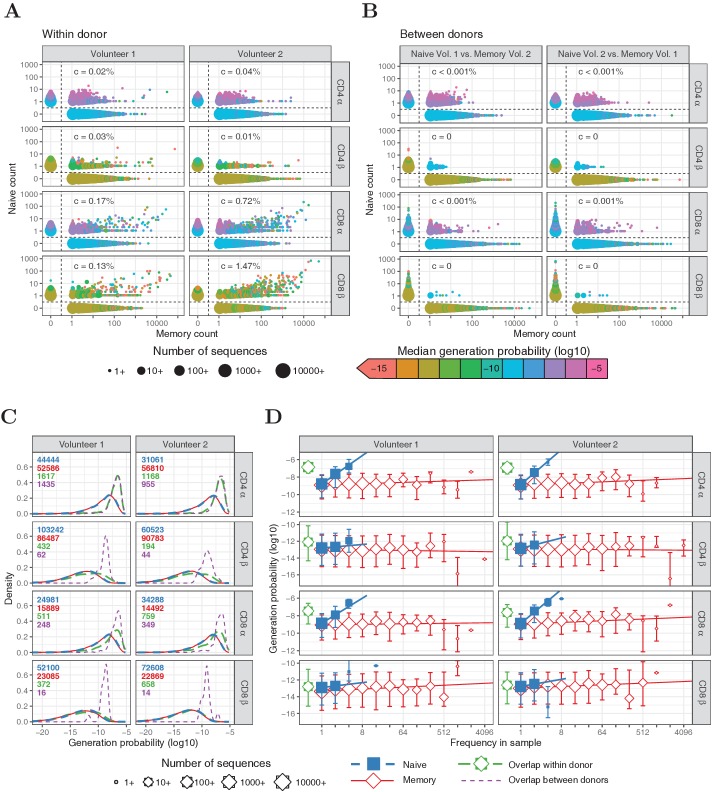
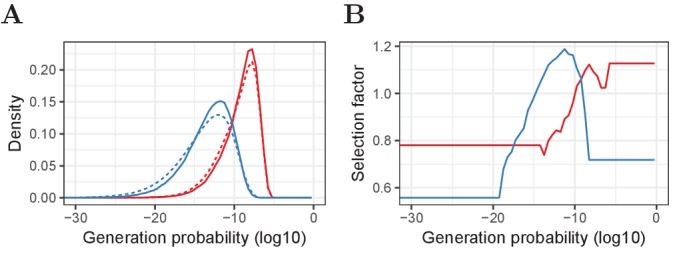
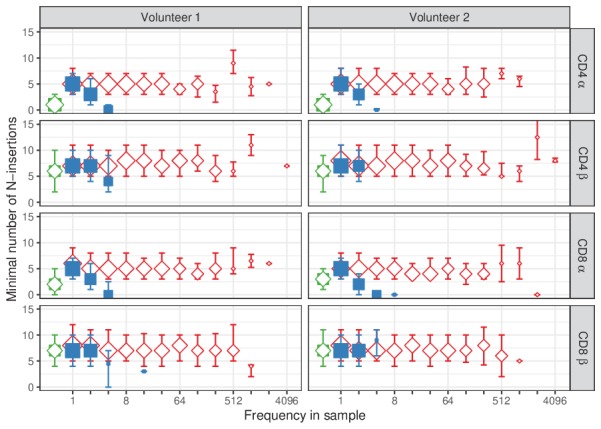
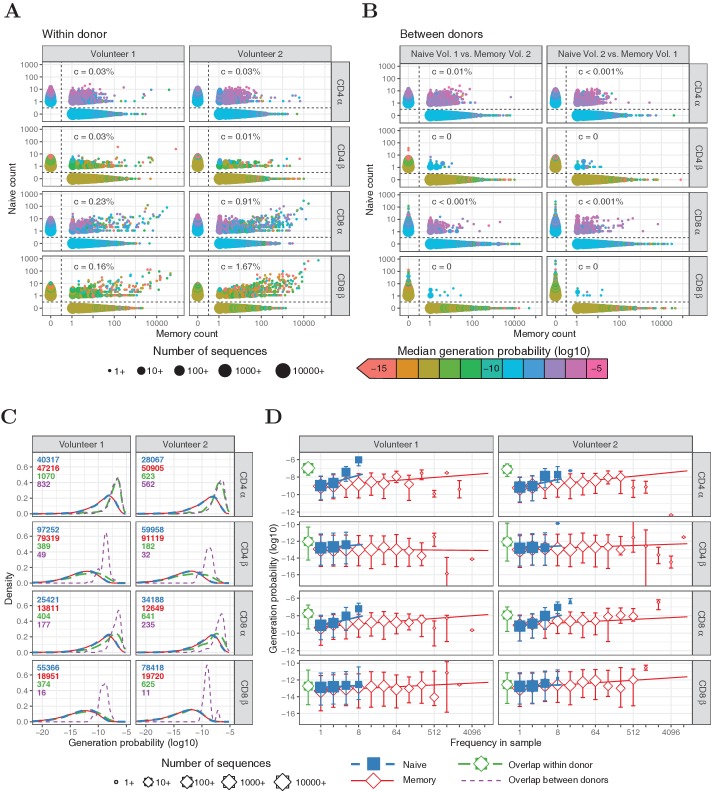
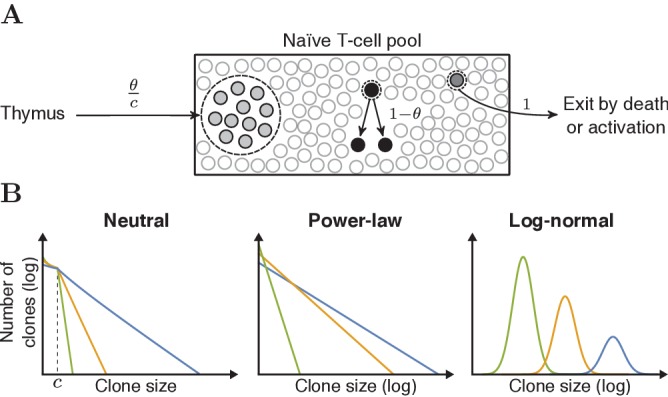
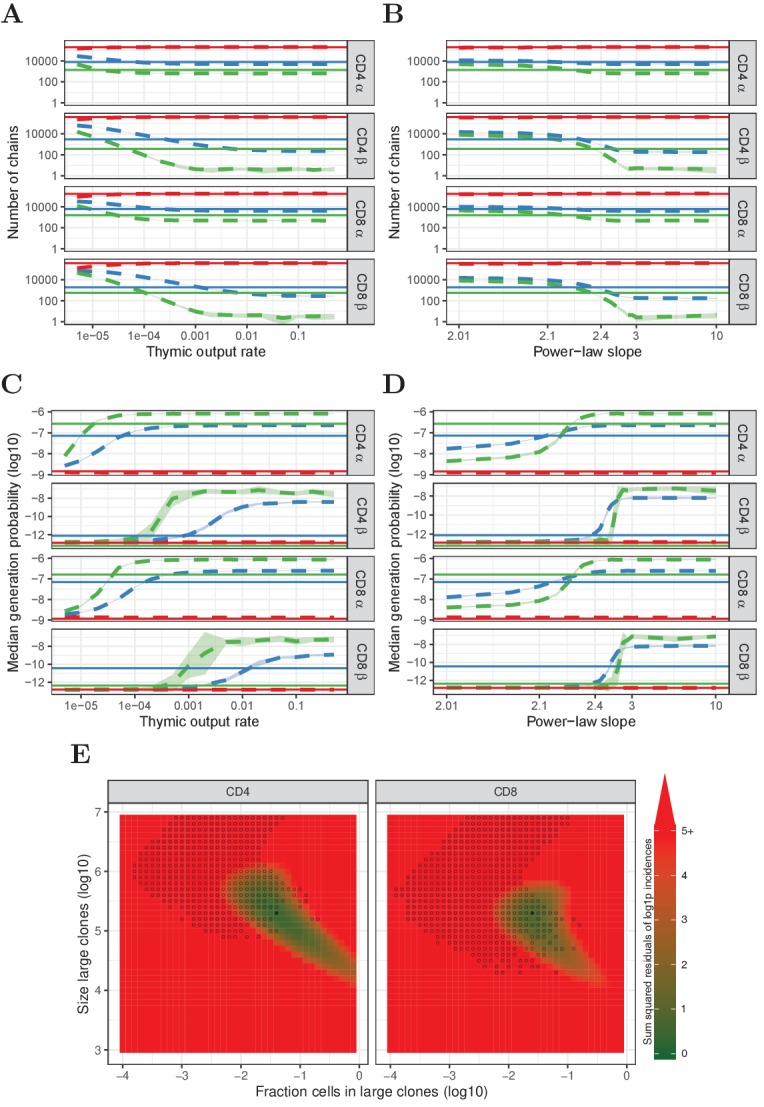
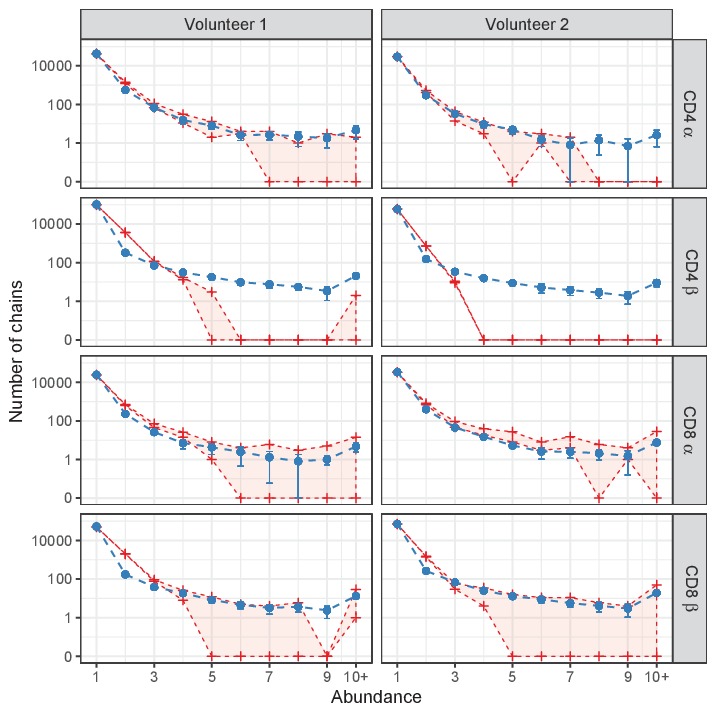
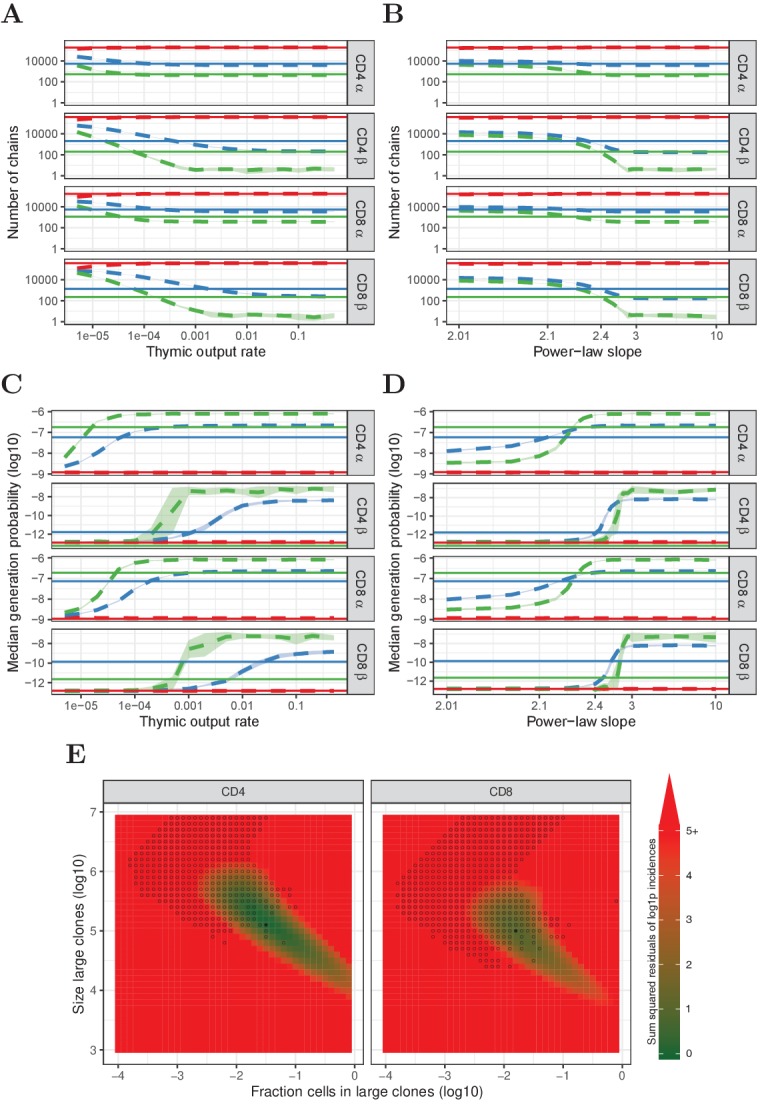
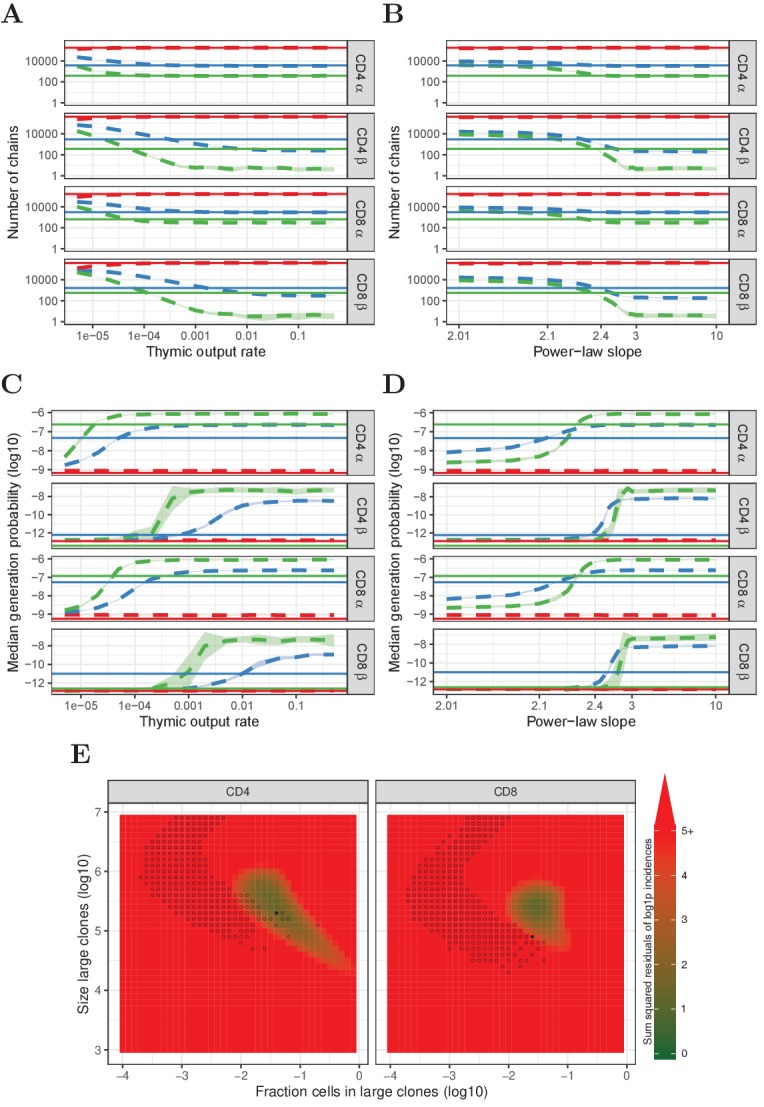
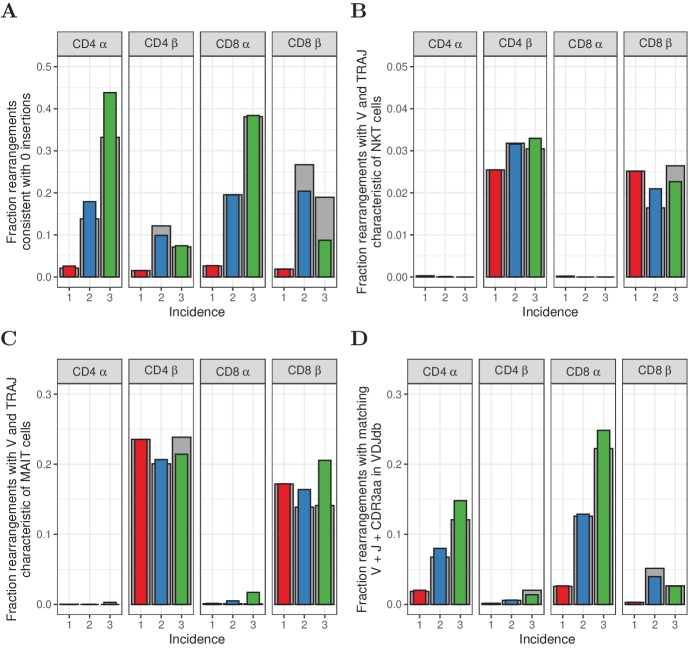
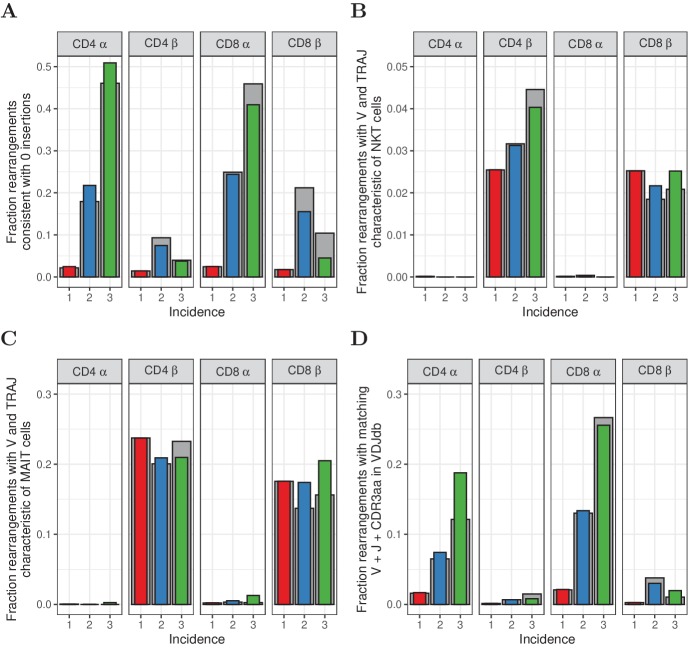
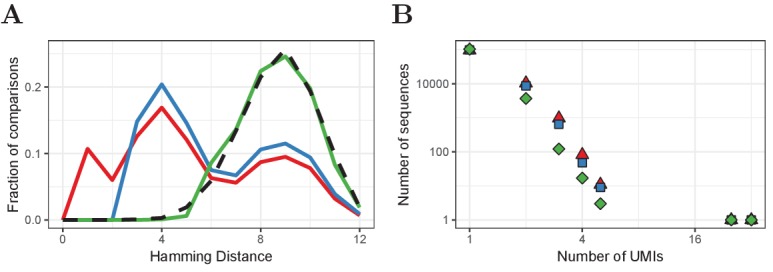
The clone size distribution of the human naive T-cell receptor (TCR) repertoire is an important determinant of adaptive immunity. We estimated the abundance of TCR sequences in samples of naive T cells from blood using an accurate quantitative sequencing protocol. We observe most TCR sequences only once, consistent with the enormous diversity of the repertoire. However, a substantial number of sequences were observed multiple times. We detect abundant TCR sequences even after exclusion of methodological confounders such as sort contamination, and multiple mRNA sampling from the same cell. By combining experimental data with predictions from models we describe two mechanisms contributing to TCR sequence abundance. TCRα abundant sequences can be primarily attributed to many identical recombination events in different cells, while abundant TCRβ sequences are primarily derived from large clones, which make up a small percentage of the naive repertoire, and could be established early in the development of the T-cell repertoire.
人类初始 T 细胞受体(TCR)库的克隆大小分布是适应性免疫的一个重要决定因素。我们使用准确的定量测序方案来估计血液中初始 T 细胞样本中 TCR 序列的丰度。我们观察到大多数 TCR 序列仅出现一次,这与库的巨大多样性一致。然而,大量的序列被多次观察到。即使排除了排序污染和从同一细胞中多次采样的方法学混杂因素,我们仍然能够检测到丰富的 TCR 序列。通过将实验数据与我们描述的模型预测相结合,我们发现了两种导致 TCR 序列丰度的机制。TCRα 丰富的序列主要归因于不同细胞中许多相同的重组事件,而 TCRβ 丰富的序列主要来自大克隆,这些克隆仅占初始库的一小部分,并且可能在 T 细胞库的早期发育中建立。