Ahmed Mostafa H, Ghatge Mohini S, Safo Martin K
Department of Medicinal Chemistry, School of Pharmacy, Virginia Commonwealth University, Richmond, VA, 23219, USA.
Institute for Structural Biology, Drug Discovery and Development, Virginia Commonwealth University, Richmond, VA, 23219, USA.
Subcell Biochem. 2020;94:345-382. doi: 10.1007/978-3-030-41769-7_14.
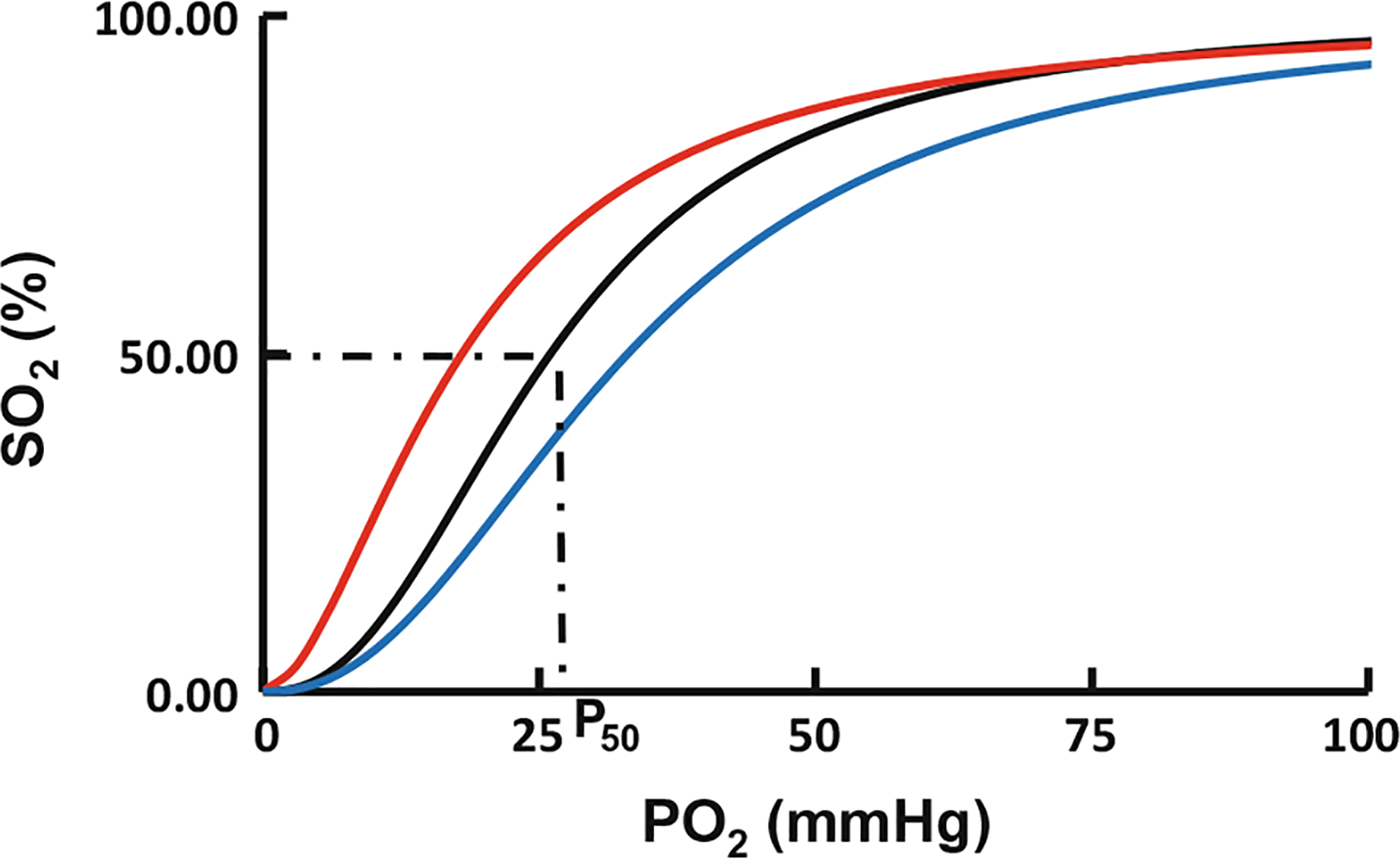
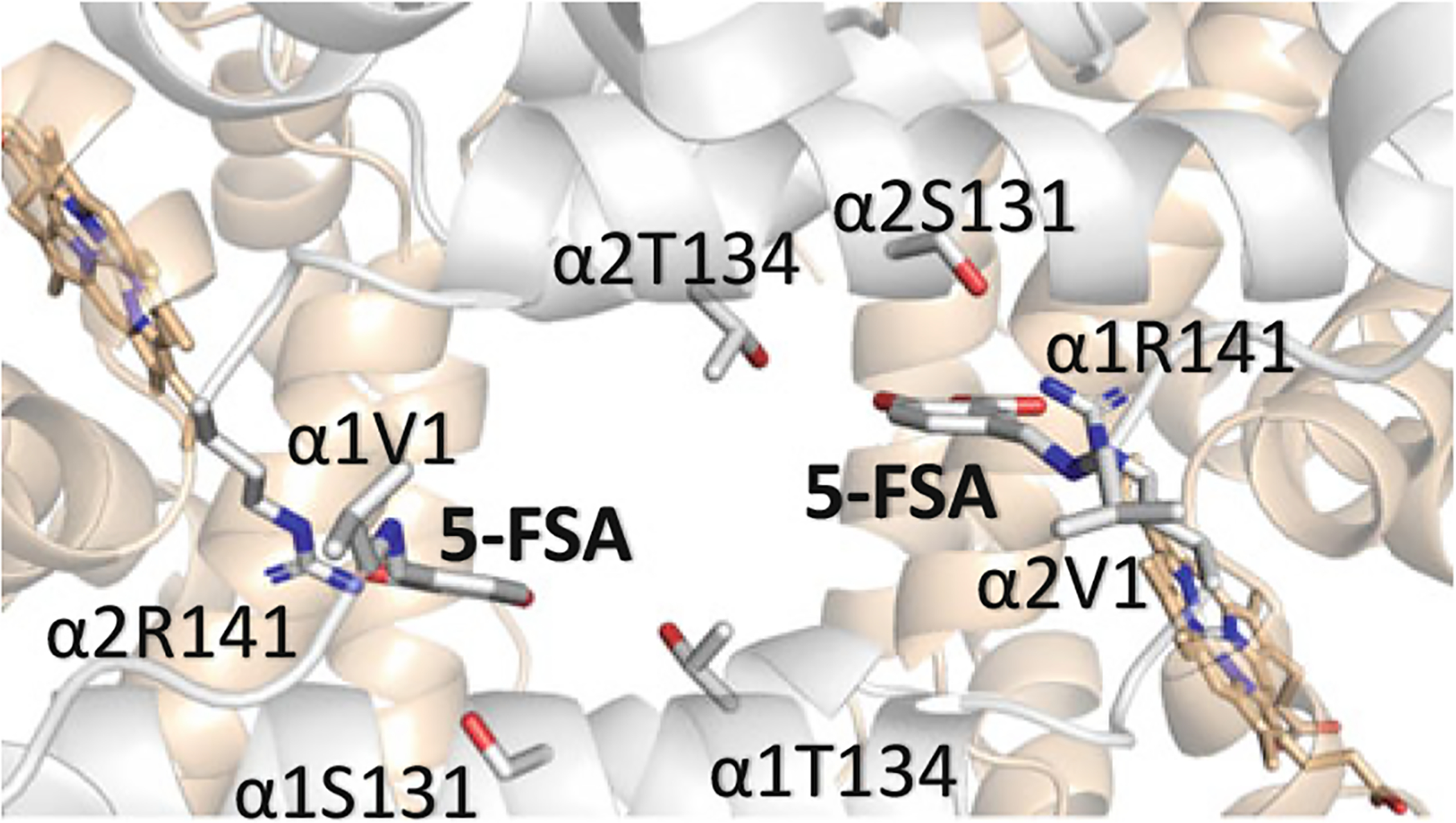
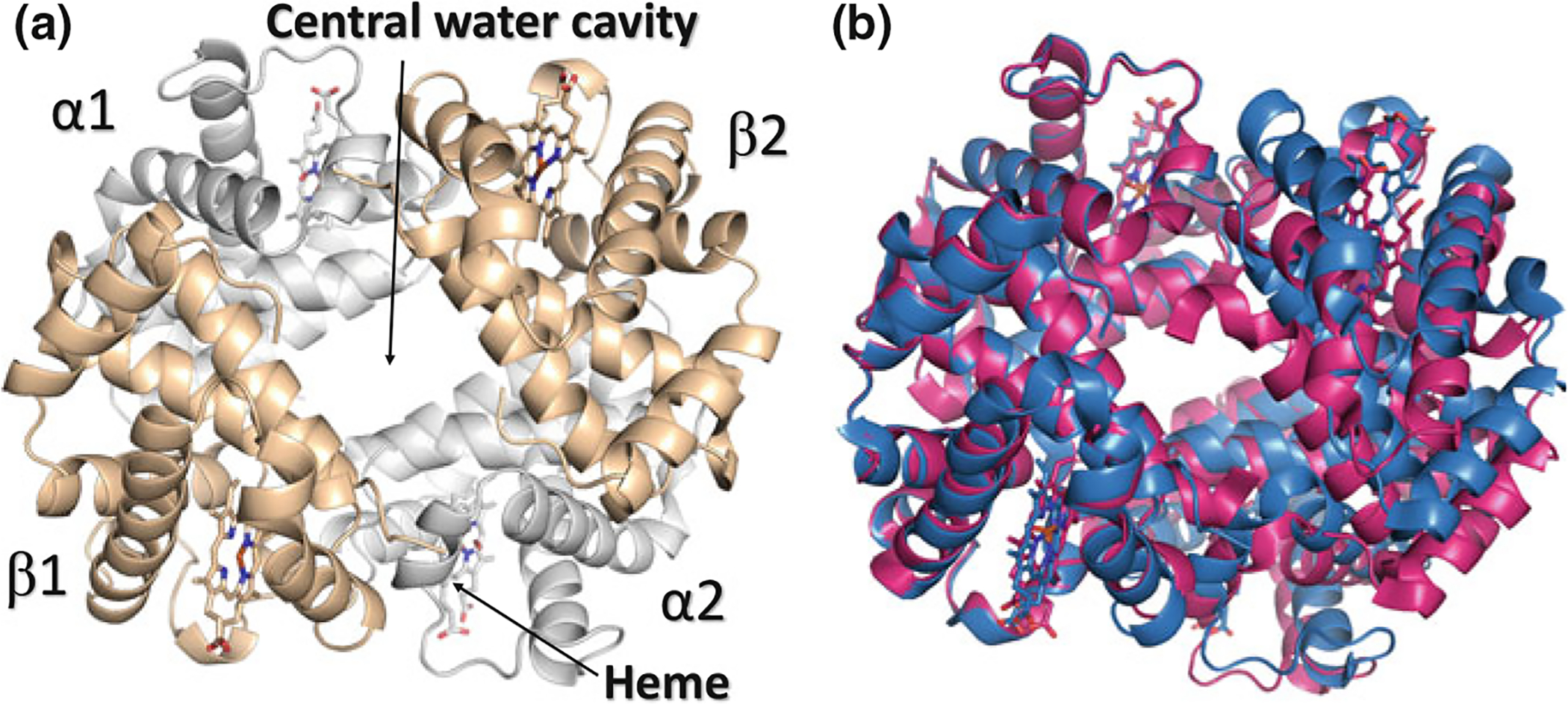
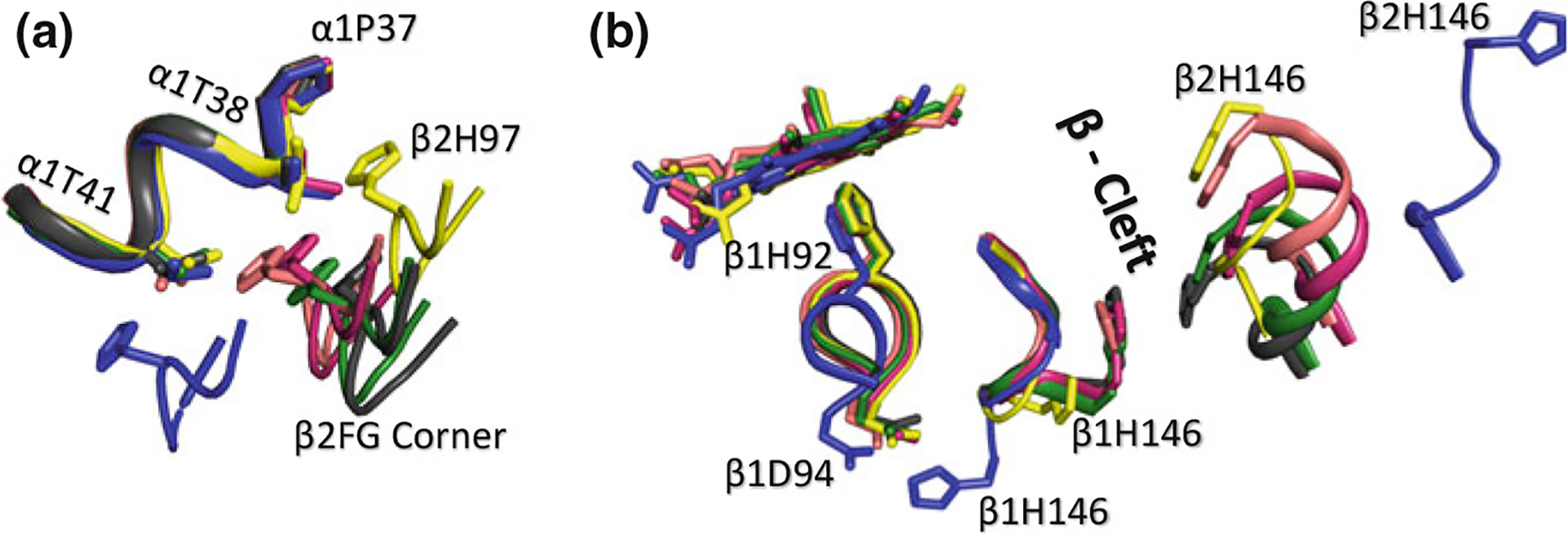
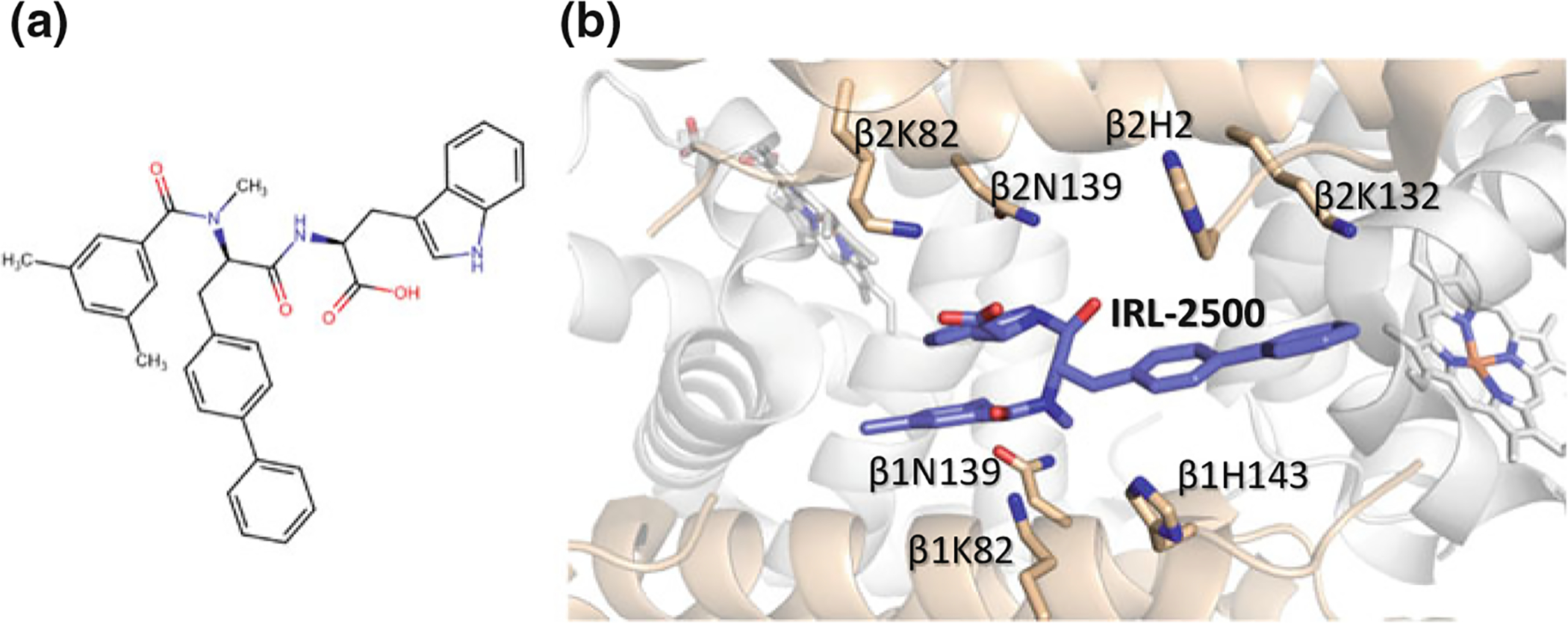
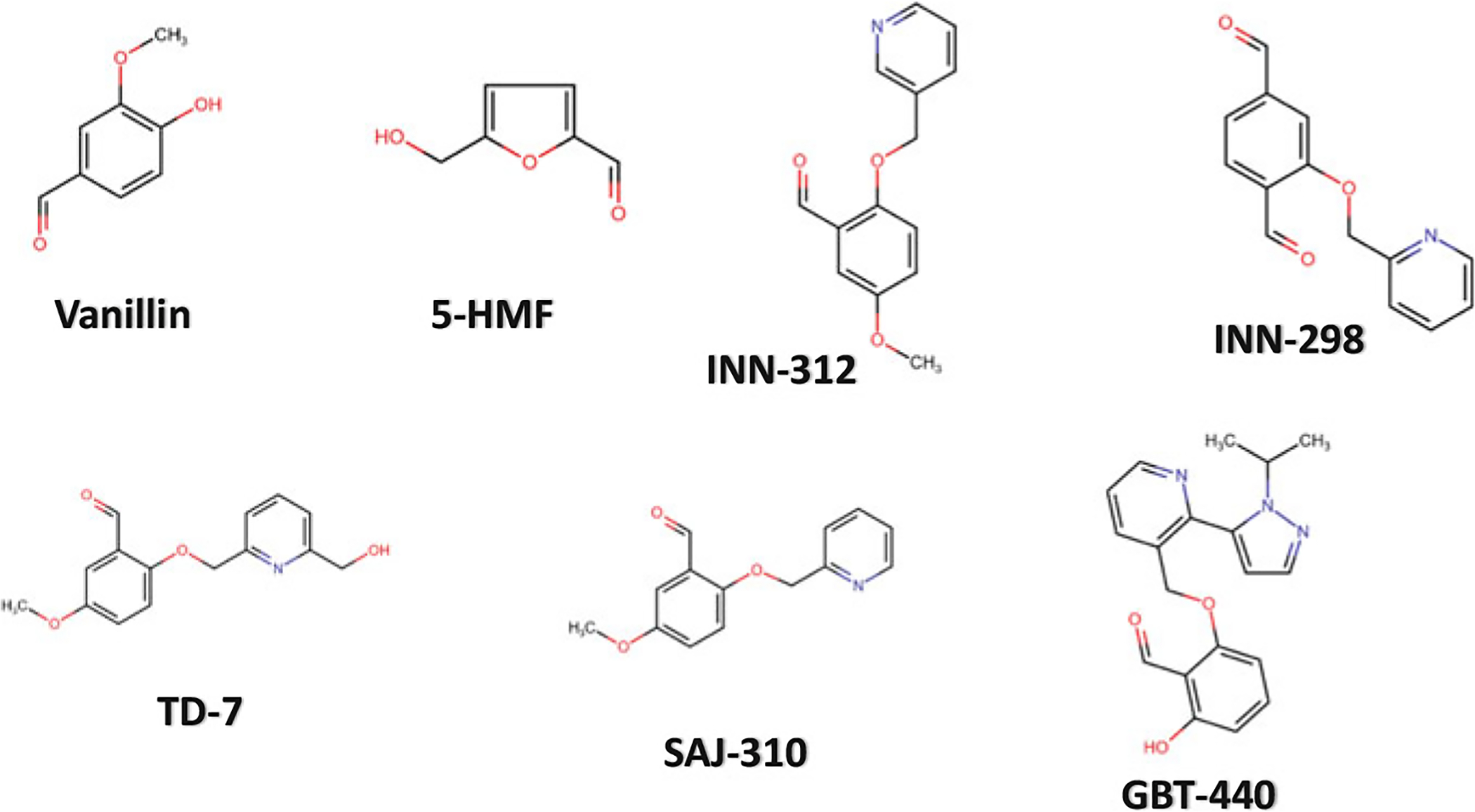
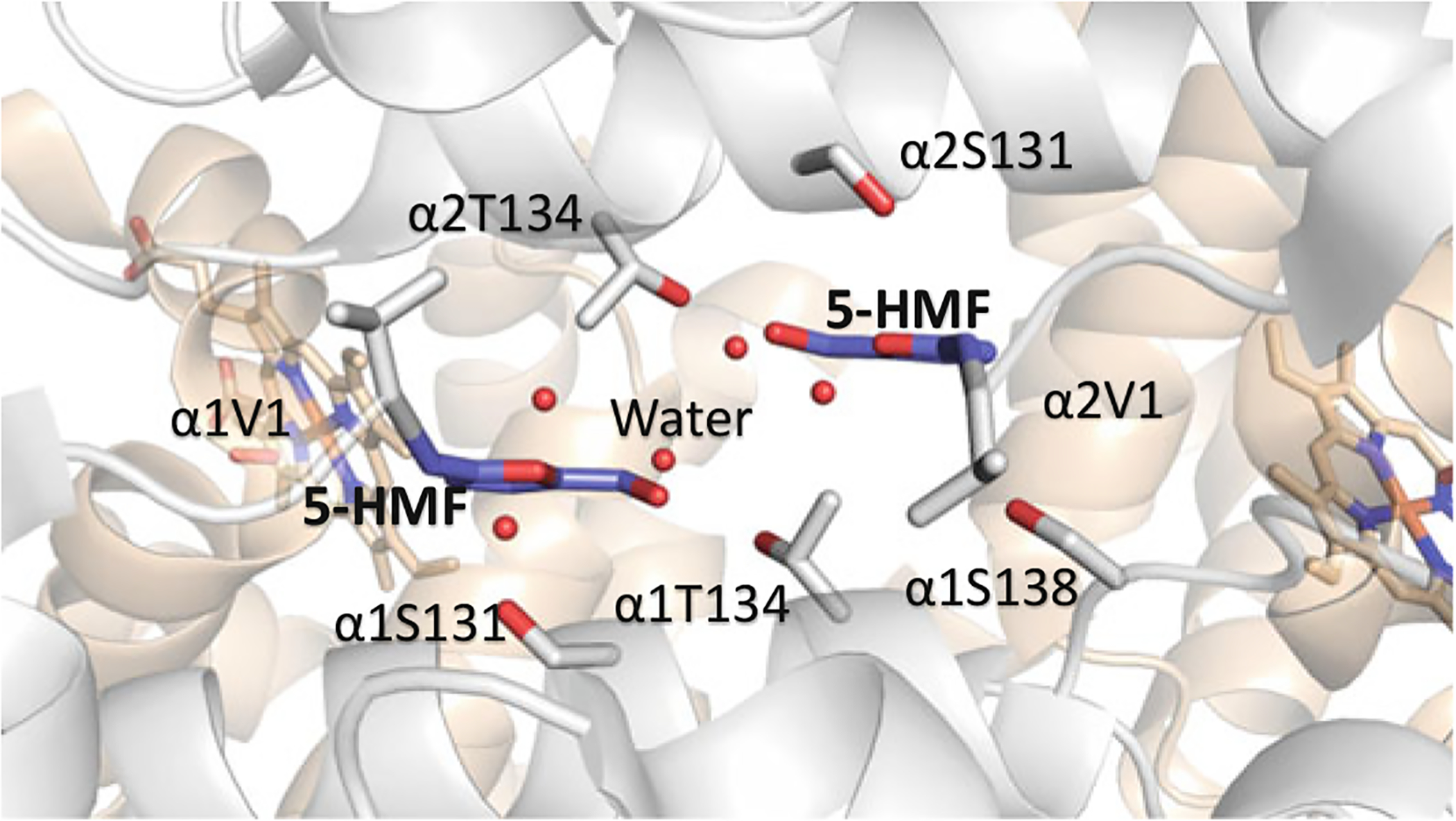
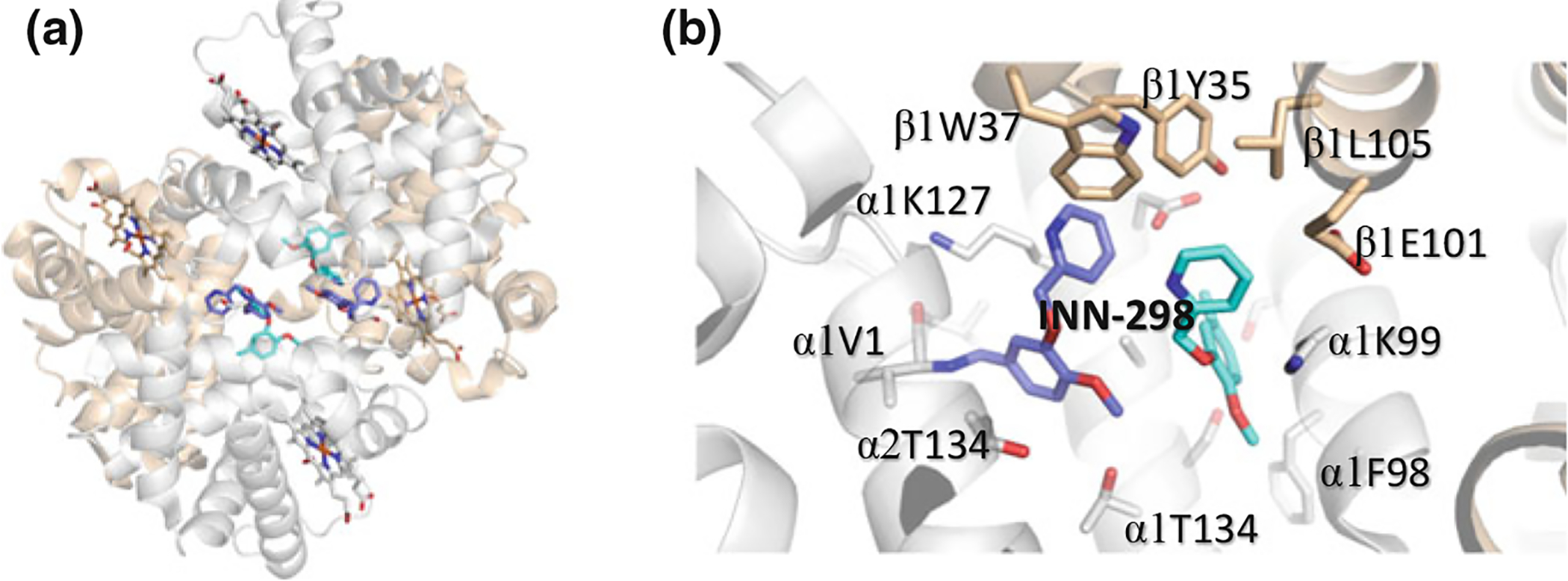
This chapter reviews how allosteric (heterotrophic) effectors and natural mutations impact hemoglobin (Hb) primary physiological function of oxygen binding and transport. First, an introduction about the structure of Hb is provided, including the ensemble of tense and relaxed Hb states and the dynamic equilibrium of Hb multistate. This is followed by a brief review of Hb variants with altered Hb structure and oxygen binding properties. Finally, a review of different endogenous and exogenous allosteric effectors of Hb is presented with particular emphasis on the atomic interactions of synthetic ligands with altered allosteric function of Hb that could potentially be harnessed for the treatment of diseases.
本章回顾了变构(异养)效应物和自然突变如何影响血红蛋白(Hb)结合和运输氧气的主要生理功能。首先,介绍了Hb的结构,包括紧张态和松弛态Hb的整体结构以及Hb多态的动态平衡。接下来简要回顾了具有改变的Hb结构和氧结合特性的Hb变体。最后,介绍了不同的Hb内源性和外源性变构效应物,特别强调了具有改变的Hb变构功能的合成配体的原子相互作用,这些相互作用可能被用于疾病治疗。