The Institute for Translational Nanomedicine, Shanghai East Hospital, The Institute for Biomedical Engineering & Nano Science, Tongji University School of Medicine, Shanghai, China.
Department of Thyroid Surgery, The First Affiliated Hospital of Zhengzhou University, Zhengzhou, Henan 450052, China.
Theranostics. 2020 Feb 10;10(8):3430-3450. doi: 10.7150/thno.38422. eCollection 2020.
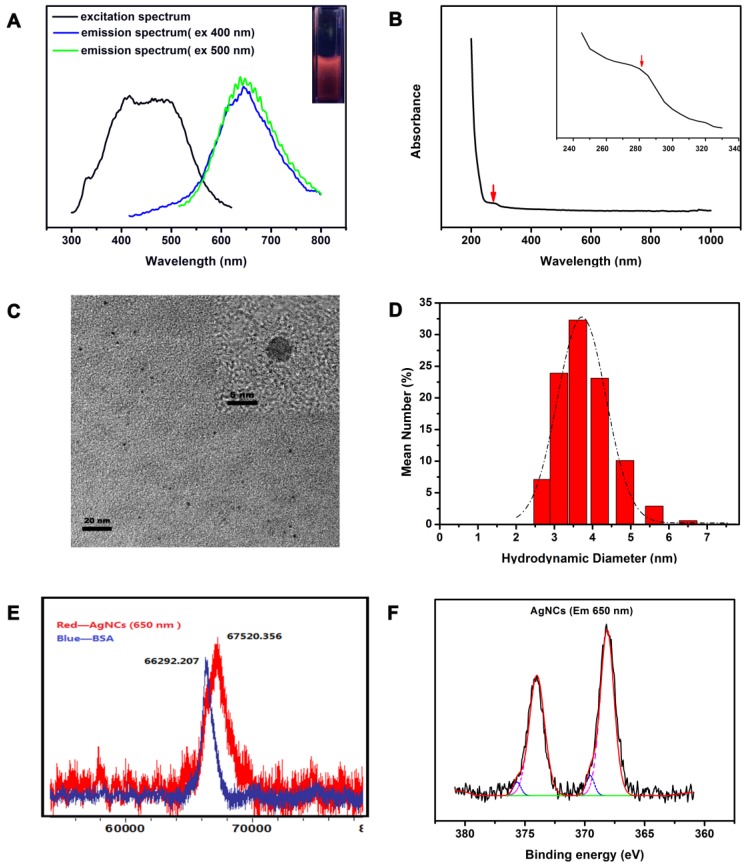
Reactive oxygen species (ROS) play a crucial role in cancer formation and development, especially cancer metastasis. However, lack of a precise tool, which could accurately distinguish specific types of ROS, restricts an in-depth study of ROS in cancer development and progression. Herein, we designed smart and versatile fluorescent Ag nanoclusters (AgNCs) for sensitive and selective detection of different species of ROS in cells and tissues. : Firstly, dual-emission fluorescent AgNCs was synthesized by using bovine serum albumin (BSA) to sense different types of ROS (HO, O2•-, •OH). The responsiveness of the AgNCs to different species of ROS was explored by fluorescence spectrum, hydrodynamic diameter, and so on. Furthermore, dual-emission fluorescent AgNCs was used to sense ROS in tumor with different degrees of differentiation. Finally, the relationship between specific types of ROS and tumor cell invasion was explored by cell migration ability and the expression of cell adhesion and EMT markers. : This dual-emission fluorescent AgNCs possessed an excellent ability to sensitively and selectively distinguish highly reactive oxygen species (hROS, including O•and •OH) from moderate reactive oxygen species (the form of HO), and exhibited no fluoresence and green fluorescence, respectively. The emission of AgNCs is effective in detecting cellular and tissular ROS. When cultured with AgNCs, malignant tumor cells exhibit non-fluorescence, while the benign tumor emits green and reduced red light and the normal cells appear in weak green and bright red fluorescence. We further verified that not just HO but specific species of ROS (O•and •OH) were involved in cell invasion and malignant transformation. Our study warrants further research on the role of ROS in physiological and pathophysiological processes. : Taken together, AgNCs would be a promising approach for sensing ROS, and offer an intelligent tool to detect different kinds of ROS in tumors.
活性氧(ROS)在癌症的形成和发展中起着至关重要的作用,特别是癌症转移。然而,缺乏一种精确的工具来准确区分特定类型的 ROS,限制了对 ROS 在癌症发展和进展中的深入研究。在这里,我们设计了智能且多功能的荧光 Ag 纳米团簇(AgNCs),用于在细胞和组织中灵敏和选择性地检测不同类型的 ROS。
首先,使用牛血清白蛋白(BSA)合成双发射荧光 AgNCs,以感测不同类型的 ROS(HO、O2•-、•OH)。通过荧光光谱、水动力学直径等研究了 AgNCs 对不同类型 ROS 的响应性。此外,双发射荧光 AgNCs 用于感测具有不同分化程度的肿瘤中的 ROS。最后,通过细胞迁移能力和细胞黏附和 EMT 标志物的表达,探索了特定类型的 ROS 与肿瘤细胞侵袭之间的关系。
该双发射荧光 AgNCs 具有出色的能力,可以灵敏且选择性地区分高反应性氧物种(hROS,包括 O•和 •OH)和中等反应性氧物种(HO 形式),分别表现出无荧光和绿色荧光。AgNCs 的发射有效地用于检测细胞和组织中的 ROS。当用 AgNCs 培养时,恶性肿瘤细胞表现出无荧光,而良性肿瘤则发出绿色和红色光减弱,正常细胞则呈现出弱绿色和明亮红色荧光。我们进一步验证了不仅是 HO,而且特定的 ROS 物种(O•和 •OH)参与了细胞侵袭和恶性转化。我们的研究进一步证明了 ROS 在生理和病理生理过程中的作用。
总之,AgNCs 将是一种有前途的 ROS 传感方法,并为检测肿瘤中的不同种类的 ROS 提供了一种智能工具。