School of Chemistry and Molecular Biosciences, The University of Queensland, St. Lucia, QLD, Australia.
Priority Research Centre for Healthy Lungs, Hunter Medical Research Institute, New Lambton, NSW, Australia.
mBio. 2020 Mar 24;11(2):e02841-19. doi: 10.1128/mBio.02841-19.
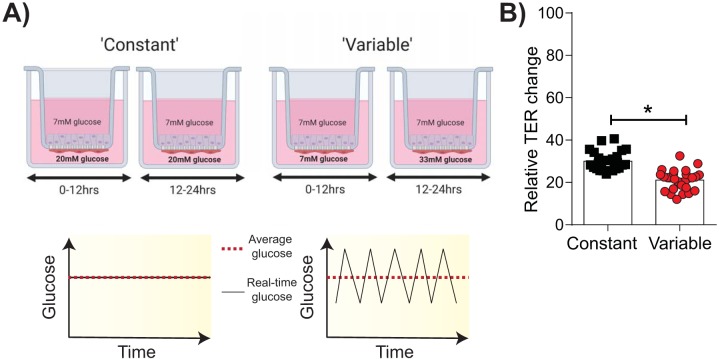
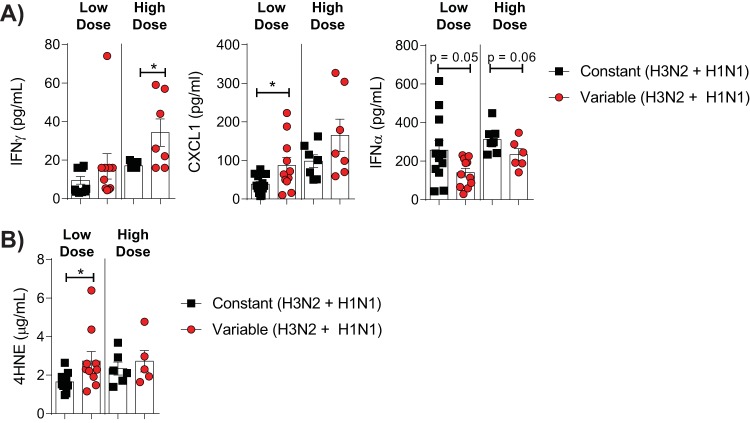
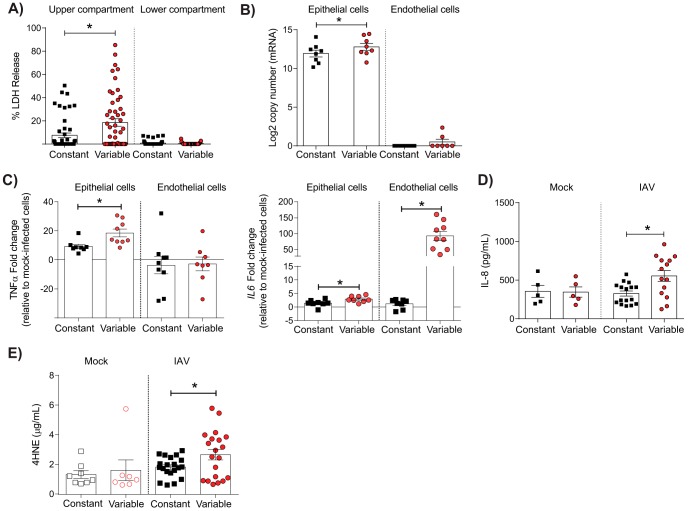
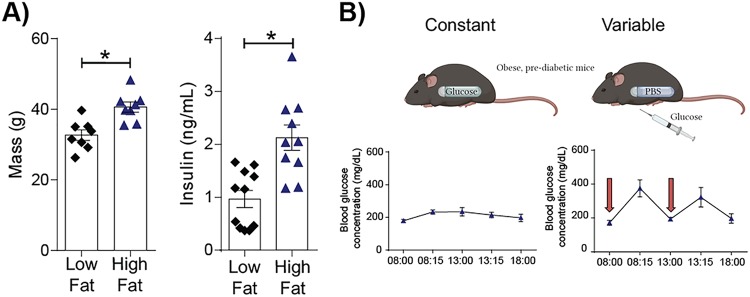
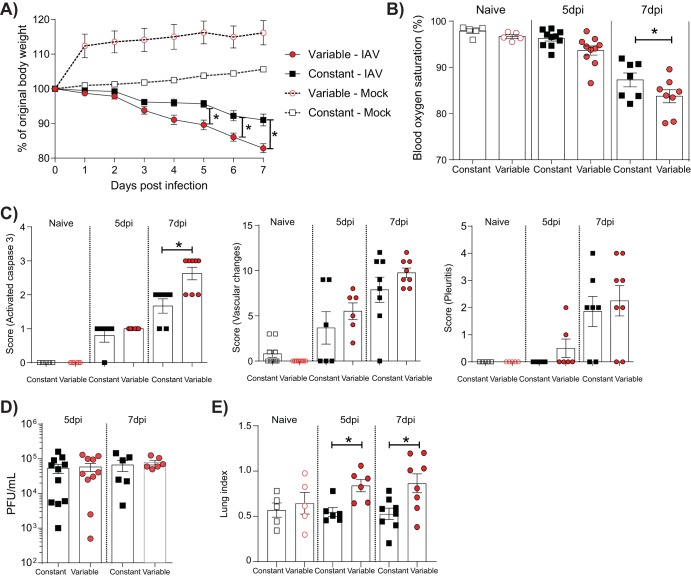
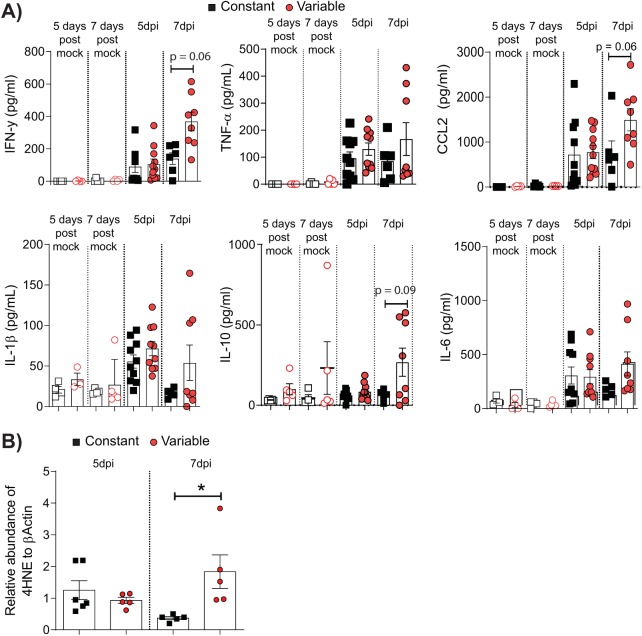
People with diabetes are two times more likely to die from influenza than people with no underlying medical condition. The mechanisms underlying this susceptibility are poorly understood. In healthy individuals, small and short-lived postprandial peaks in blood glucose levels occur. In diabetes mellitus, these fluctuations become greater and more frequent. This glycemic variability is associated with oxidative stress and hyperinflammation. However, the contribution of glycemic variability to the pathogenesis of influenza A virus (IAV) has not been explored. Here, we used an model of the pulmonary epithelial-endothelial barrier and novel murine models to investigate the role of glycemic variability in influenza severity. , a history of glycemic variability significantly increased influenza-driven cell death and destruction of the epithelial-endothelial barrier. , influenza virus-infected mice with a history of glycemic variability lost significantly more body weight than mice with constant blood glucose levels. This increased disease severity was associated with markers of oxidative stress and hyperinflammation both and Together, these results provide the first indication that glycemic variability may help drive the increased risk of severe influenza in people with diabetes mellitus. Every winter, people with diabetes are at increased risk of severe influenza. At present, the mechanisms that cause this increased susceptibility are unclear. Here, we show that the fluctuations in blood glucose levels common in people with diabetes are associated with severe influenza. These data suggest that glycemic stability could become a greater clinical priority for patients with diabetes during outbreaks of influenza.
糖尿病患者死于流感的可能性是无潜在医疗条件者的两倍。这种易感性的潜在机制尚不清楚。在健康个体中,餐后血糖水平会出现短暂的小幅度升高。在糖尿病患者中,这些波动变得更大且更频繁。这种血糖变异性与氧化应激和过度炎症有关。然而,血糖变异性对甲型流感病毒(IAV)发病机制的贡献尚未得到探索。在这里,我们使用肺上皮-内皮屏障模型和新型小鼠模型来研究血糖变异性在流感严重程度中的作用。结果表明,有血糖变异性史的小鼠,其流感驱动的细胞死亡和上皮-内皮屏障破坏显著增加。此外,有血糖变异性史的流感病毒感染小鼠比血糖水平稳定的小鼠体重明显减轻。这种疾病严重程度的增加与氧化应激和过度炎症的标志物有关。总之,这些结果首次表明,血糖变异性可能有助于增加糖尿病患者患严重流感的风险。每年冬天,糖尿病患者患严重流感的风险都会增加。目前,导致这种易感性增加的机制尚不清楚。在这里,我们表明糖尿病患者常见的血糖水平波动与严重流感有关。这些数据表明,在流感爆发期间,血糖稳定可能成为糖尿病患者的更大临床重点。