Schneiderová Kristýna, Šmejkal Karel
Department of Natural Drugs, Faculty of Pharmacy, University of Veterinary and Pharmaceutical Sciences Brno, Palackého 1/3, 612 42 Brno, Czech Republic.
Phytochem Rev. 2015;14(5):799-833. doi: 10.1007/s11101-014-9376-y. Epub 2014 Aug 29.
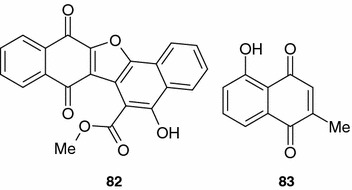
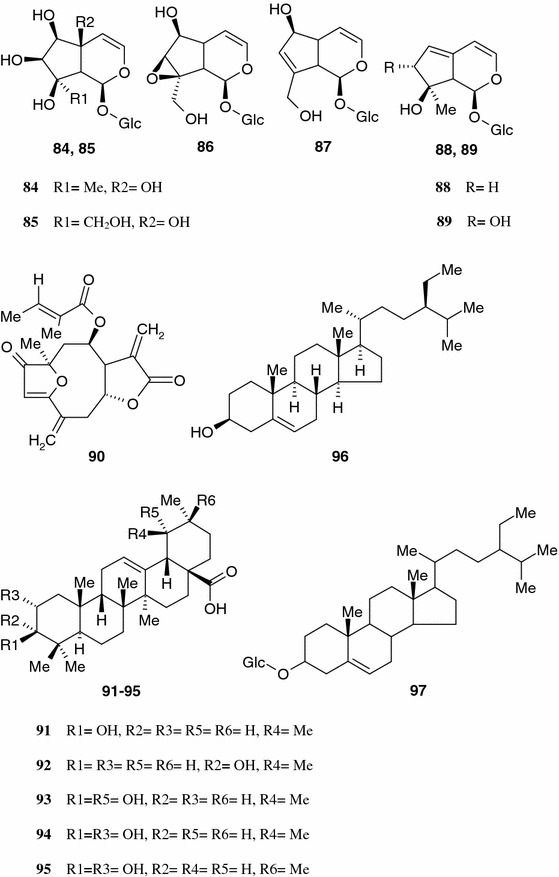
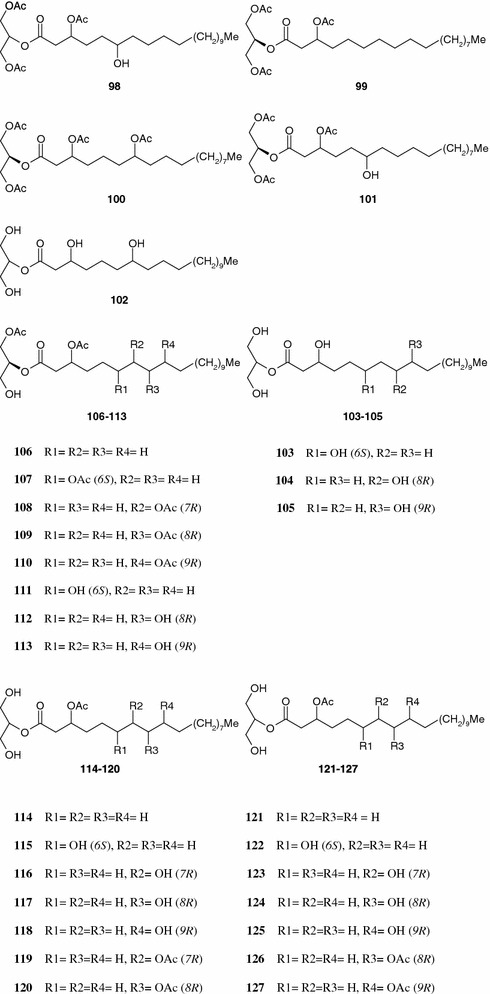
, a member of the plant family Paulowniaceae and a rich source of biologically active secondary metabolites, is traditionally used in Chinese herbal medicine. Flavonoids, lignans, phenolic glycosides, quinones, terpenoids, glycerides, phenolic acids, and miscellaneous other compounds have been isolated from different parts of plant. Recent interest in this species has focused on isolating and identifying of prenylated flavonoids, that exhibit potent antioxidant, antibacterial, and antiphlogistic activities and inhibit severe acute respiratory syndrome coronavirus papain-like protease. They show cytotoxic activity against various human cancer cell lines and inhibit the effects of human cholinesterase, butyrylcholinesterase, and bacterial neuraminidases. Most of the compounds considered here have never been isolated from any other species of plant. This review summarizes the information about the isolated compounds that are active, their bioactivities, and the structure-activity relationships that have been worked out for them.
泡桐属玄参科植物,富含生物活性次生代谢产物,传统上用于中草药。黄酮类、木脂素类、酚苷类、醌类、萜类、甘油酯类、酚酸类以及其他各类化合物已从泡桐的不同部位分离出来。最近对该物种的研究兴趣集中在异戊烯基黄酮类化合物的分离和鉴定上,这些化合物具有强大的抗氧化、抗菌和抗炎活性,并能抑制严重急性呼吸综合征冠状病毒木瓜样蛋白酶。它们对多种人类癌细胞系具有细胞毒性,并能抑制人类胆碱酯酶、丁酰胆碱酯酶和细菌神经氨酸酶的作用。这里讨论的大多数化合物从未从任何其他植物物种中分离出来。本综述总结了有关已分离出的活性化合物、它们的生物活性以及已确定的结构 - 活性关系的信息。