Department of Zoology, University of Oxford, 11a Mansfield Road, Oxford, OX1 3SZ, UK.
Department of Engineering Science, University of Oxford, Parks Road, Oxford, OX1 3PJ, UK.
Sci Data. 2020 Mar 26;7(1):102. doi: 10.1038/s41597-020-0442-6.
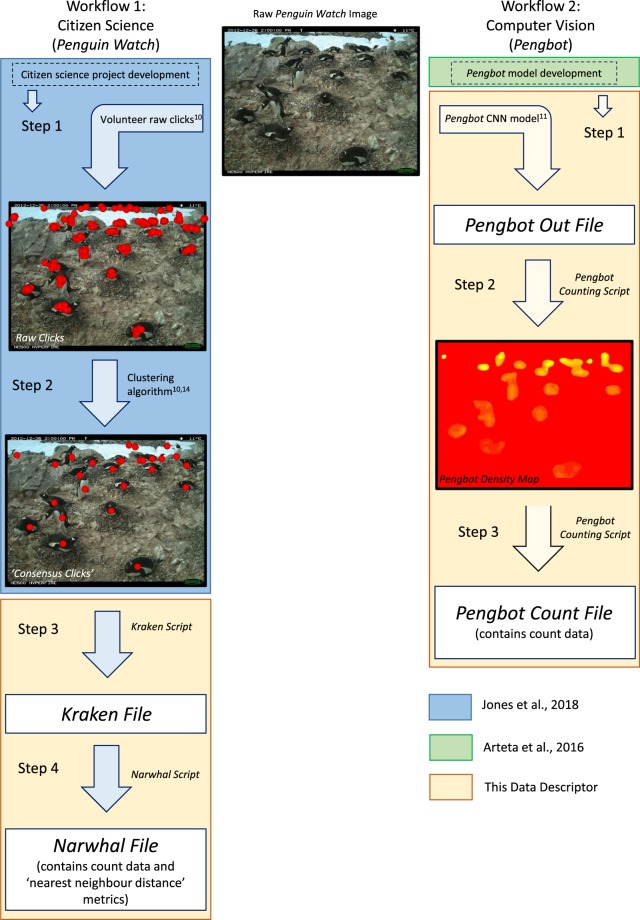
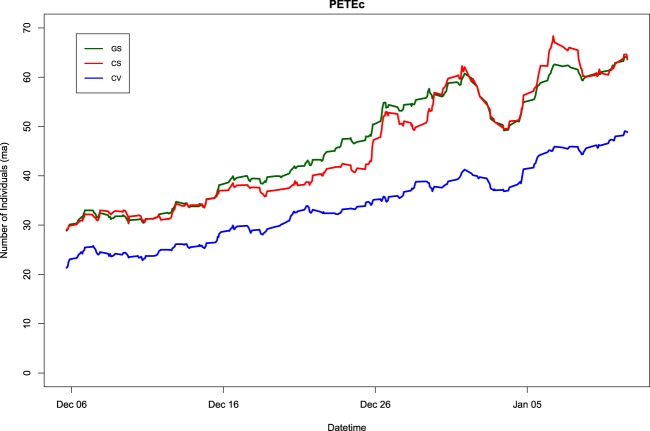
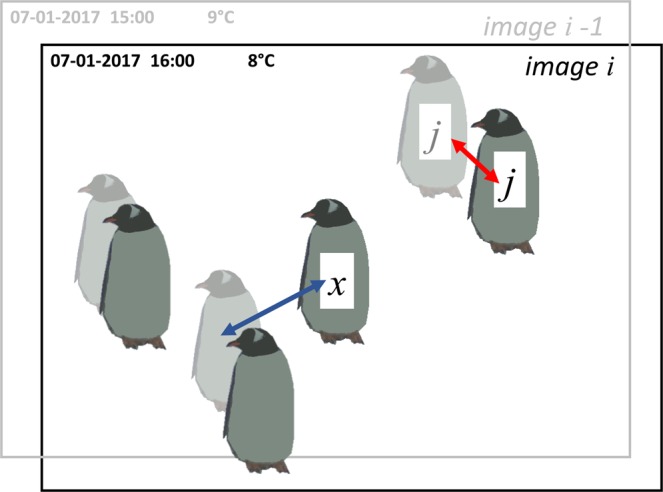
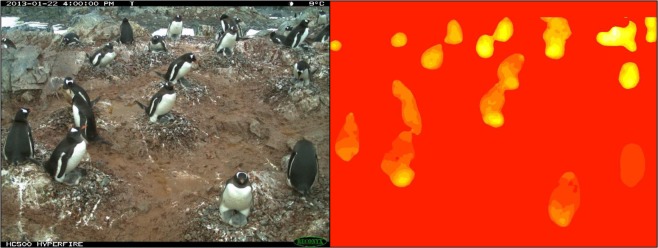
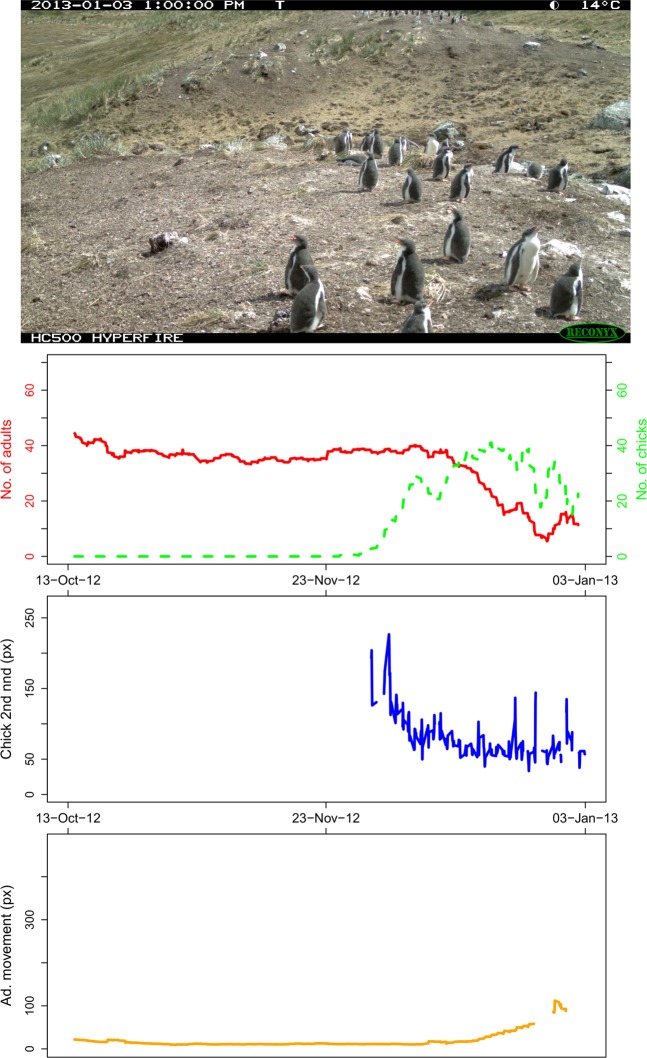
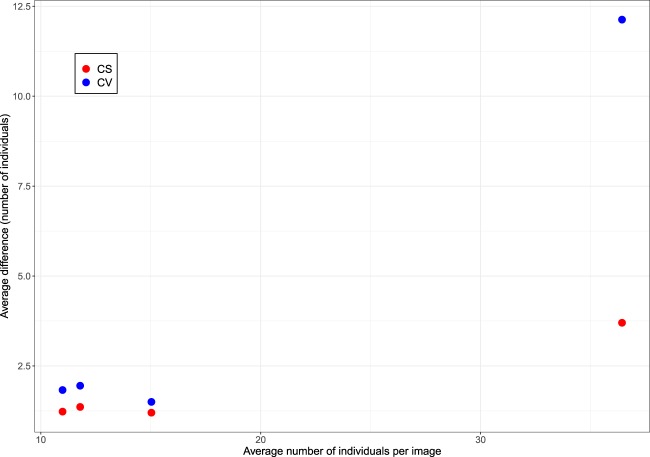
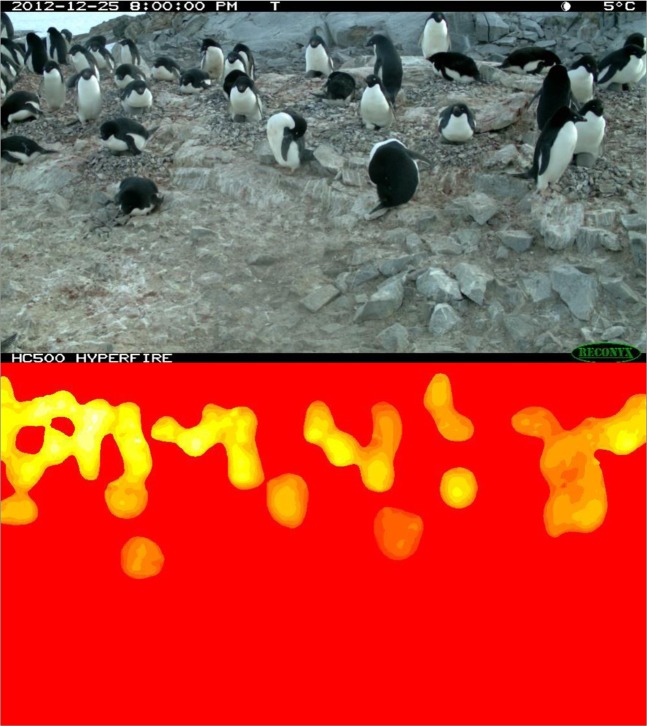
Time-lapse cameras facilitate remote and high-resolution monitoring of wild animal and plant communities, but the image data produced require further processing to be useful. Here we publish pipelines to process raw time-lapse imagery, resulting in count data (number of penguins per image) and 'nearest neighbour distance' measurements. The latter provide useful summaries of colony spatial structure (which can indicate phenological stage) and can be used to detect movement - metrics which could be valuable for a number of different monitoring scenarios, including image capture during aerial surveys. We present two alternative pathways for producing counts: (1) via the Zooniverse citizen science project Penguin Watch and (2) via a computer vision algorithm (Pengbot), and share a comparison of citizen science-, machine learning-, and expert- derived counts. We provide example files for 14 Penguin Watch cameras, generated from 63,070 raw images annotated by 50,445 volunteers. We encourage the use of this large open-source dataset, and the associated processing methodologies, for both ecological studies and continued machine learning and computer vision development.
延时摄像机便于对野生动物和植物群落进行远程和高分辨率监测,但生成的图像数据需要进一步处理才能使用。在这里,我们发布了处理原始延时图像的管道,生成计数数据(每张图像中的企鹅数量)和“最近邻距离”测量值。后者提供了有用的殖民地空间结构摘要(可指示物候阶段),并可用于检测运动——这些指标对于许多不同的监测场景都很有价值,包括在航空调查中进行图像拍摄。我们提出了两种生成计数的替代方法:(1)通过 Zooniverse 公民科学项目 Penguin Watch,以及(2)通过计算机视觉算法(Pengbot),并分享了公民科学、机器学习和专家衍生计数的比较。我们提供了 14 个 Penguin Watch 摄像机的示例文件,这些文件是由 63070 张由 50445 名志愿者注释的原始图像生成的。我们鼓励使用这个大型开源数据集,以及相关的处理方法,进行生态研究以及持续的机器学习和计算机视觉开发。