UNESP - Univ Estadual Paulista, Laboratório de Anelasticidade e Biomateriais, 17.033-360, Bauru, SP, Brazil.
IBTN-Br - Institute of Biomaterials, Tribocorrosion and Nanomedicine - Brazilian Branch, 17.033-360, Bauru, SP, Brazil.
Sci Rep. 2020 Apr 14;10(1):6298. doi: 10.1038/s41598-020-62865-4.
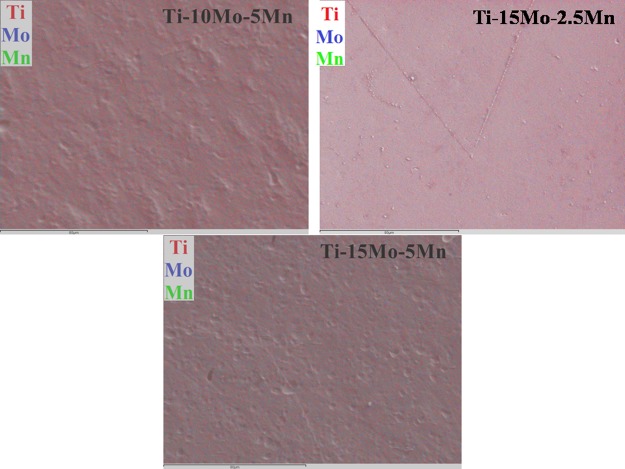
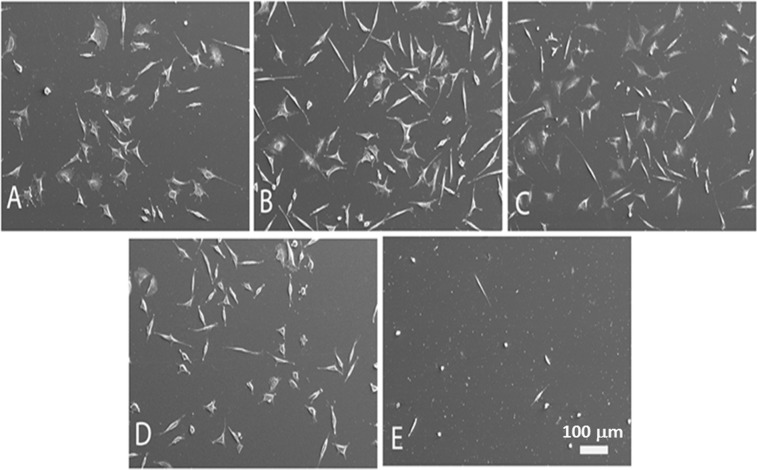
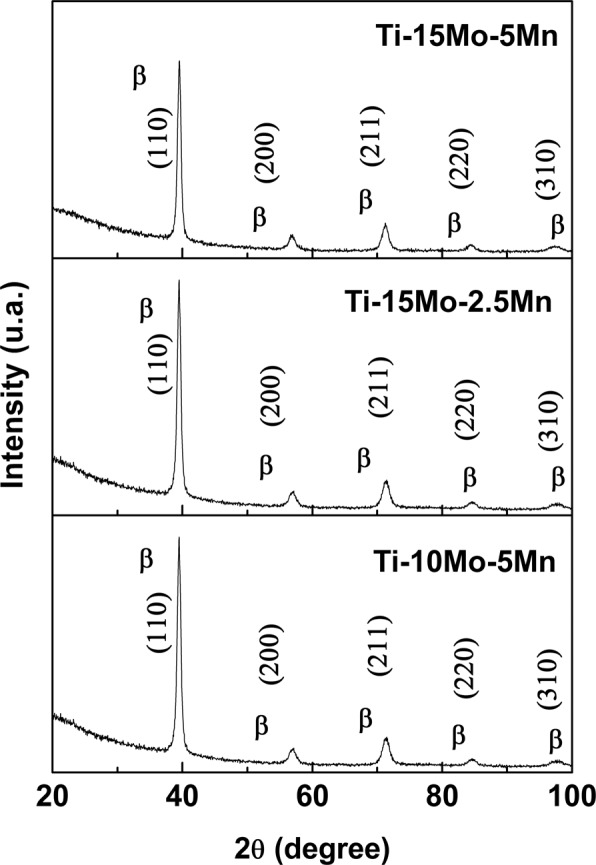
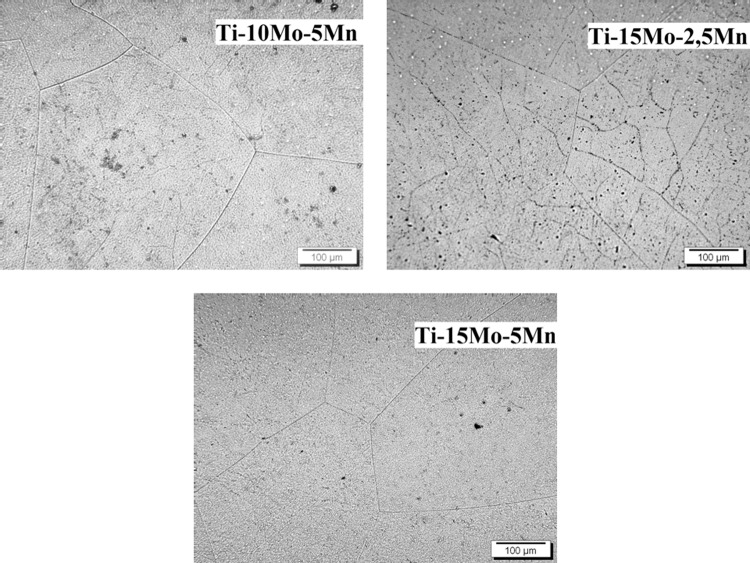
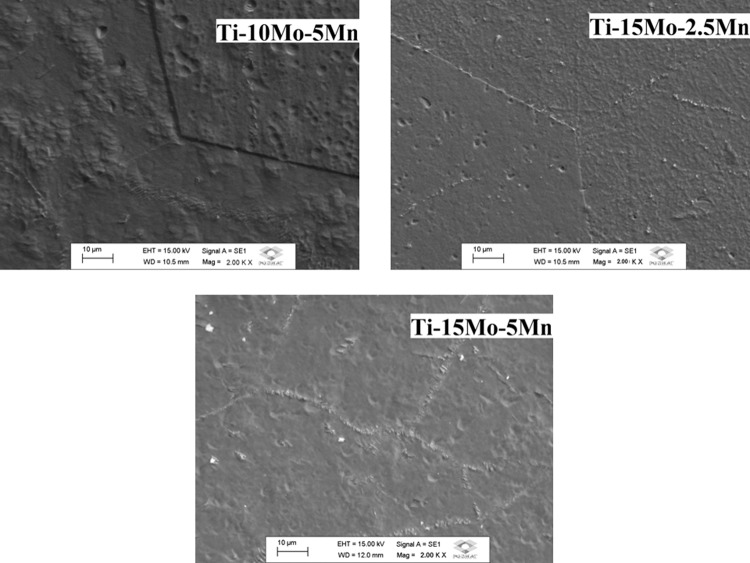
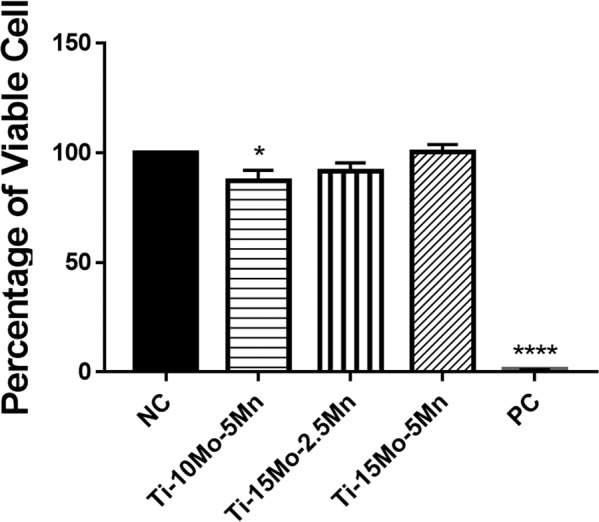
Due to excellent biocompatibility and corrosion resistance, the application of titanium alloys in orthopedic and dental implants has been increasing since the 1970s. However, the elasticity of these alloys as measured by their Young's modulus is still about two to four times higher than that of human cortical bone. The most widely used titanium alloy for biomedical applications is Ti-6Al-4V, however, previous studies have shown that the vanadium used in this alloy causes allergic reactions in human tissue and aluminum, also used in the alloy, has been associated with neurological disorders. To solve this problem, new titanium alloys without the presence of these elements and with the addition of different elements, usually beta-stabilizers, are being developed. Manganese is a strong candidate as an alloying element for the development of new beta-type titanium alloys, due to its abundance and low cytotoxicity. In this study, Ti-10Mo-5Mn, Ti-15Mo-2.5Mn and Ti-15Mo-5Mn alloys were prepared in an arc furnace, which resulted in an alloy structure clearly showing the predominance of the beta phase with a body-centered cubic crystalline structure. The observed microstructure confirmed the results on the structural characterization of alloys. Measurement of the indirect cytotoxicity of the alloys showed that the extracts of the studied alloys are not cytotoxic for fibroblastic cells.
由于具有优异的生物相容性和耐腐蚀性,钛合金自 20 世纪 70 年代以来在骨科和牙科植入物中的应用不断增加。然而,这些合金的弹性(用杨氏模量衡量)仍然比人类皮质骨高 2 到 4 倍。生物医学应用中最广泛使用的钛合金是 Ti-6Al-4V,但先前的研究表明,该合金中使用的钒会引起人体组织的过敏反应,而合金中使用的铝也与神经紊乱有关。为了解决这个问题,正在开发不含这些元素并添加不同元素(通常是β稳定剂)的新型钛合金。由于锰储量丰富且细胞毒性低,因此是开发新型β型钛合金的理想合金元素。在这项研究中,在电弧炉中制备了 Ti-10Mo-5Mn、Ti-15Mo-2.5Mn 和 Ti-15Mo-5Mn 合金,其合金结构清楚地显示出以体心立方晶体结构为主的β相的优势。观察到的微观结构证实了合金结构特征的结果。对合金间接细胞毒性的测量表明,所研究的合金的浸提液对成纤维细胞没有细胞毒性。