CRAN, CNRS-Université de Lorraine, F-54506 Vandœuvre-lès-Nancy, France.
LIBio, Université de Lorraine, F-54000 Nancy, France.
Mar Drugs. 2020 Apr 13;18(4):211. doi: 10.3390/md18040211.
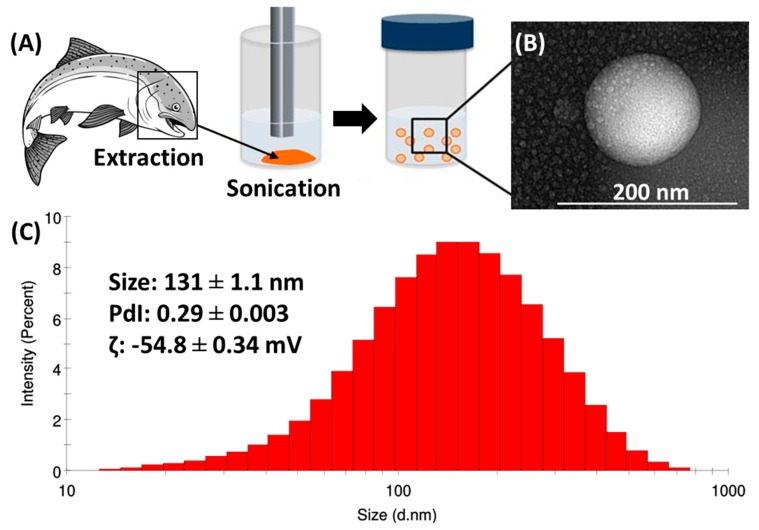
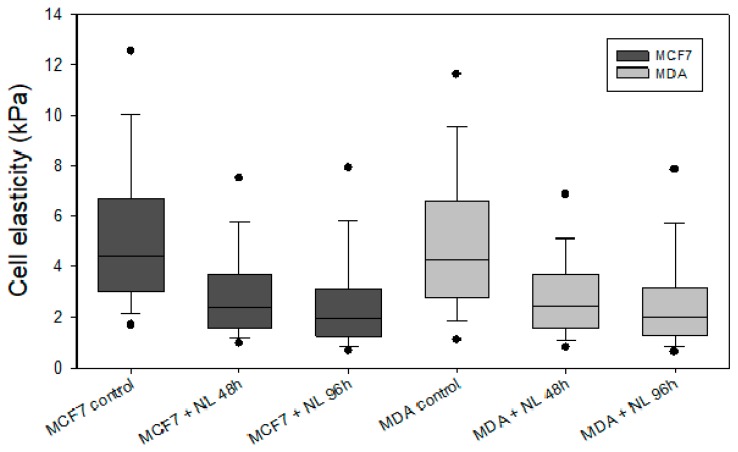
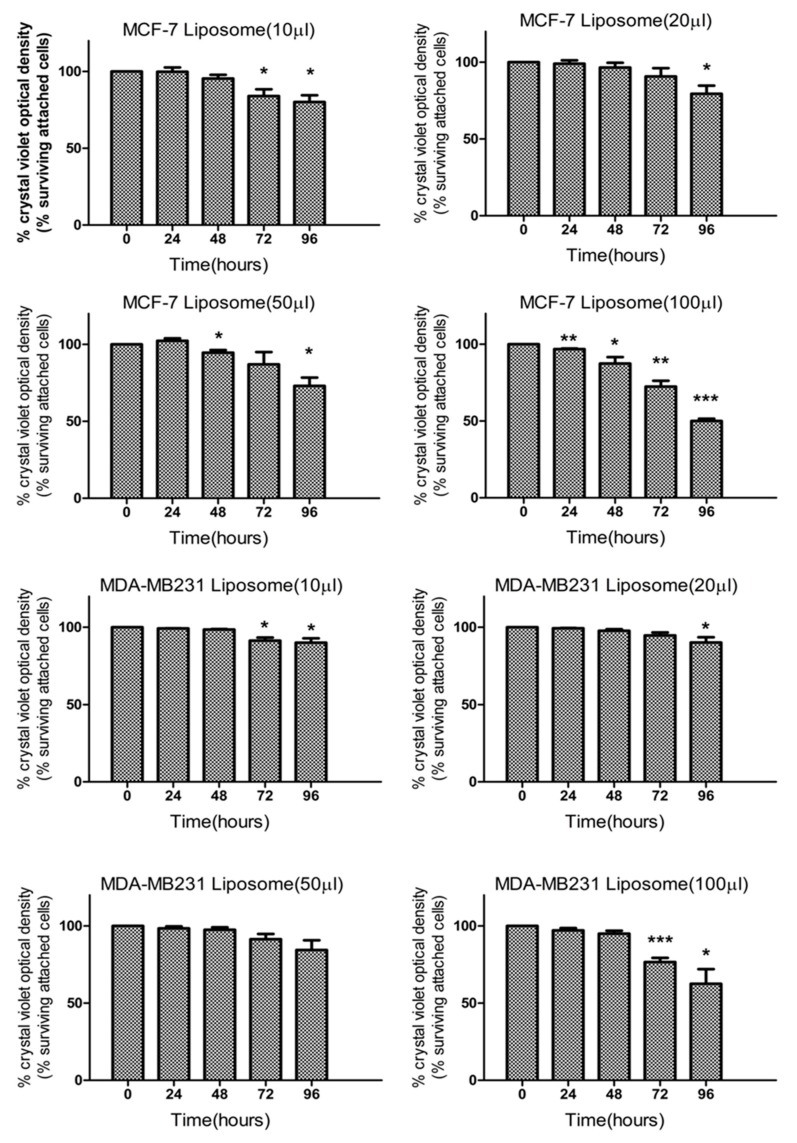
Breast cancer is the leading cause of death from cancer among women. Higher consumption of dietary marine n-3 long-chain polyunsaturated fatty acids (LC-PUFAs) is associated with a lower risk of breast cancer. Eicosapentaenoic acid (EPA) and docosahexaenoic acid (DHA) are two n-3 LC-PUFAs found in fish and exert anticancer effects. In this study, natural marine-derived lecithin that is rich in various polyunsaturated fatty acids (PUFAs) was extracted from salmon heads and transformed into nanoliposomes. These nanoliposomes were characterized and cultured with two breast cancer lines (MCF-7 and MDA-MB-231). The nanoliposomes decreased the proliferation and the stiffness of both cancer cell types. These results suggest that marine-derived lecithin possesses anticancer properties, which may have an impact on developing new liposomal delivery strategies for breast cancer treatment.
乳腺癌是女性癌症死亡的主要原因。较高的饮食中摄入的海洋 n-3 长链多不饱和脂肪酸(LC-PUFAs)与乳腺癌风险降低相关。二十碳五烯酸(EPA)和二十二碳六烯酸(DHA)是两种存在于鱼类中的 n-3 LC-PUFA,具有抗癌作用。在这项研究中,从三文鱼鱼头中提取了富含各种多不饱和脂肪酸(PUFAs)的天然海洋衍生卵磷脂,并将其转化为纳米脂质体。这些纳米脂质体进行了表征,并与两种乳腺癌细胞系(MCF-7 和 MDA-MB-231)进行了培养。纳米脂质体降低了这两种癌细胞类型的增殖和硬度。这些结果表明,海洋衍生卵磷脂具有抗癌特性,这可能对开发新的用于乳腺癌治疗的脂质体递送策略产生影响。