Wang Tongtong, Liu Quanhui, Wang Min, Zhang Limin
Institute of Quality Standard and Testing Technology for Agro-Products, Chinese Academy of Agricultural Sciences (CAAS), Beijing 100081, China.
Key Laboratory of Agro-food Safety and Quality, Ministry of Agriculture, Beijing 100081, China.
Foods. 2020 Apr 14;9(4):491. doi: 10.3390/foods9040491.
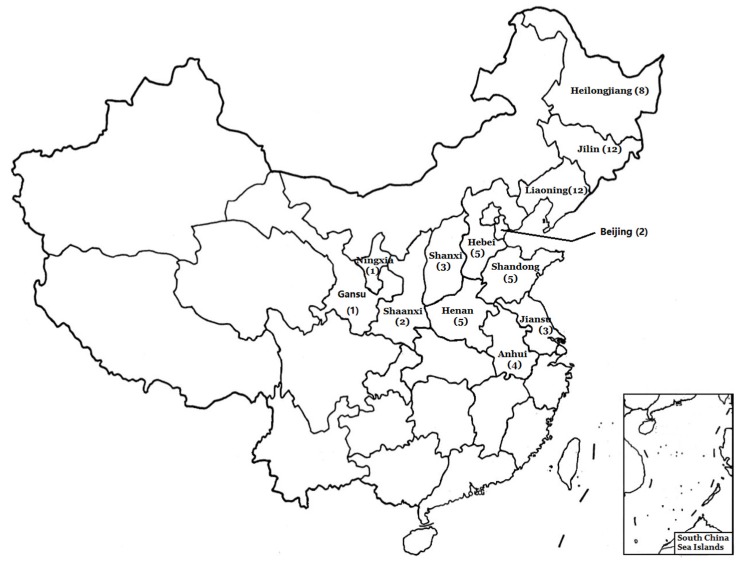
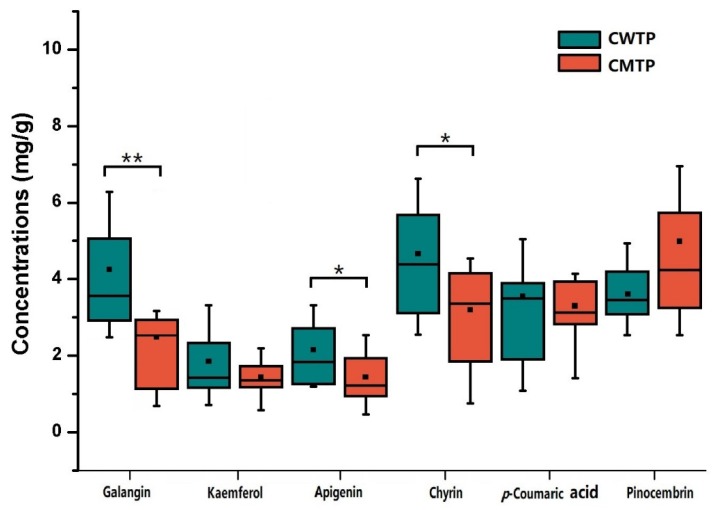
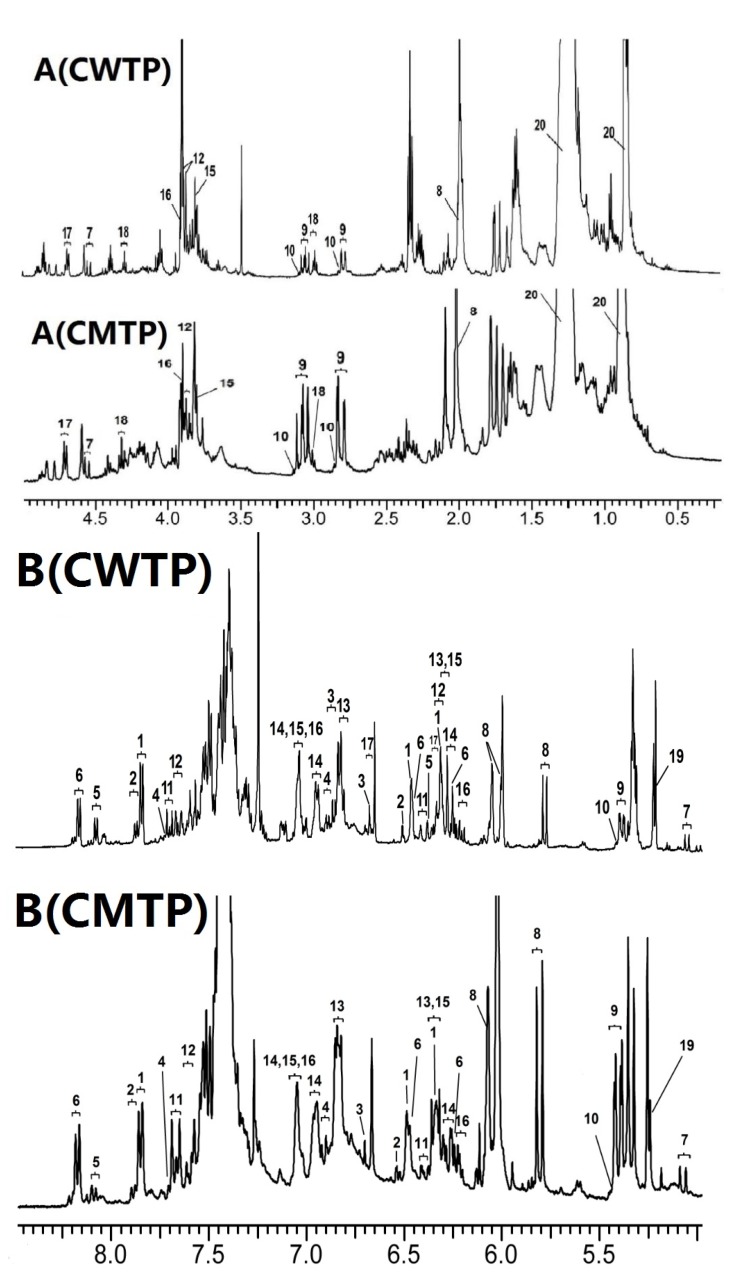
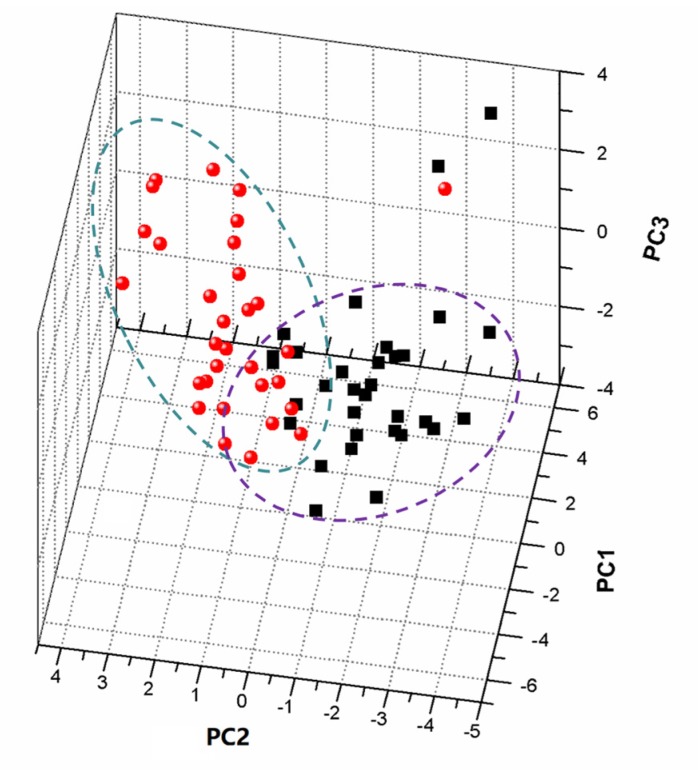
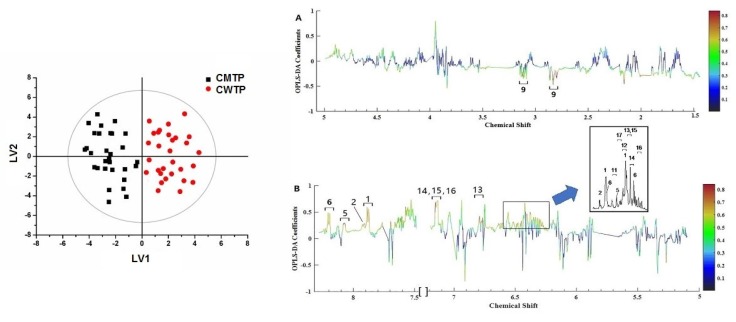
The chemical profiles of propolis vary greatly due to the botanic sources and geographic origins, which limit its standardization for modern usages. Here, we proposed a reliable H NMR-based metabolomic approach, to discriminate the function and quality of Chinese propolis. A total 63 Chinese propolis samples from different temperate regions were collected and extracted for NMR analysis. Twenty-one compositions in ethanol extracts were assigned based on characteristic chemical shifts and previous literature reports. Significant geographic indicators were identified after the PCA and orthogonal partial least squares discriminant analysis (OPLS-DA) analysis of the obtained H NMR data. It was found that the composition discriminations arose from long-term acclimation of the different climates of botanic origin and caused the differences in the biological activities. This study provides us a reasonable instruction for the quality control of Chinese propolis.
由于植物来源和地理起源的不同,蜂胶的化学特征差异很大,这限制了其在现代应用中的标准化。在此,我们提出了一种基于核磁共振氢谱(¹H NMR)的可靠代谢组学方法,以鉴别中国蜂胶的功能和质量。总共收集了63个来自不同温带地区的中国蜂胶样品,并进行提取用于核磁共振分析。根据特征化学位移和先前的文献报道,确定了乙醇提取物中的21种成分。对获得的¹H NMR数据进行主成分分析(PCA)和正交偏最小二乘法判别分析(OPLS-DA)后,识别出了显著的地理指标。研究发现,成分差异源于植物源不同气候条件下的长期适应性变化,并导致了生物活性的差异。本研究为中国蜂胶的质量控制提供了合理的指导。