Ren Yanping, Pan Liping, Du Xueyun, Hou Yuying, Li Xun, Song Yijun
Department of Neurology, Tianjin Medical University General Hospital, Key Laboratory of Neurotrauma, Variation and Regeneration, Ministry of Education and 4Tianjin Municipal Government, Tianjin Neurological Institute, Tianjin, 300052, China.
BMC Neurol. 2020 Apr 15;20(1):137. doi: 10.1186/s12883-020-01711-6.
Executive control dysfunction is observed in a sizable number of patients with temporal lobe epilepsy (TLE). Neural oscillations in the theta band are increasingly recognized as having a crucial role in executive control network. The purpose of this study was to investigate the alterations in the theta band in executive control network and explore the functional brain network mechanisms of executive control dysfunction in TLE patients.
A total of 20 TLE patients and 20 matched healthy controls (HCs) were recruited in the present study. All participants were trained to perform the executive control task by attention network test while the scalp electroencephalogram (EEG) data were recorded. The resting state signals were collected from the EEG in the subjects with quiet and closed eyes conditions. Functional connectivity among EEGs in the executive control network and resting state network were respectively calculated.
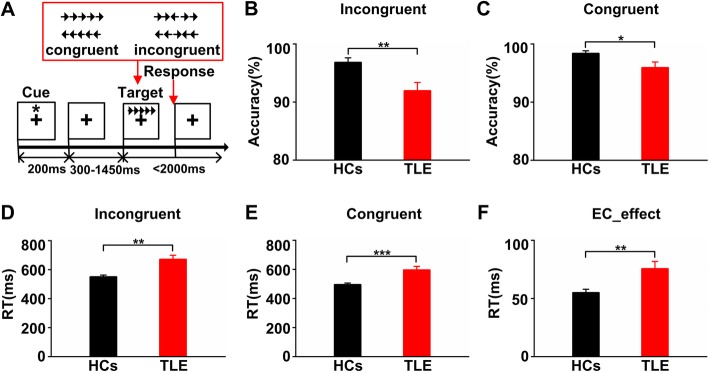
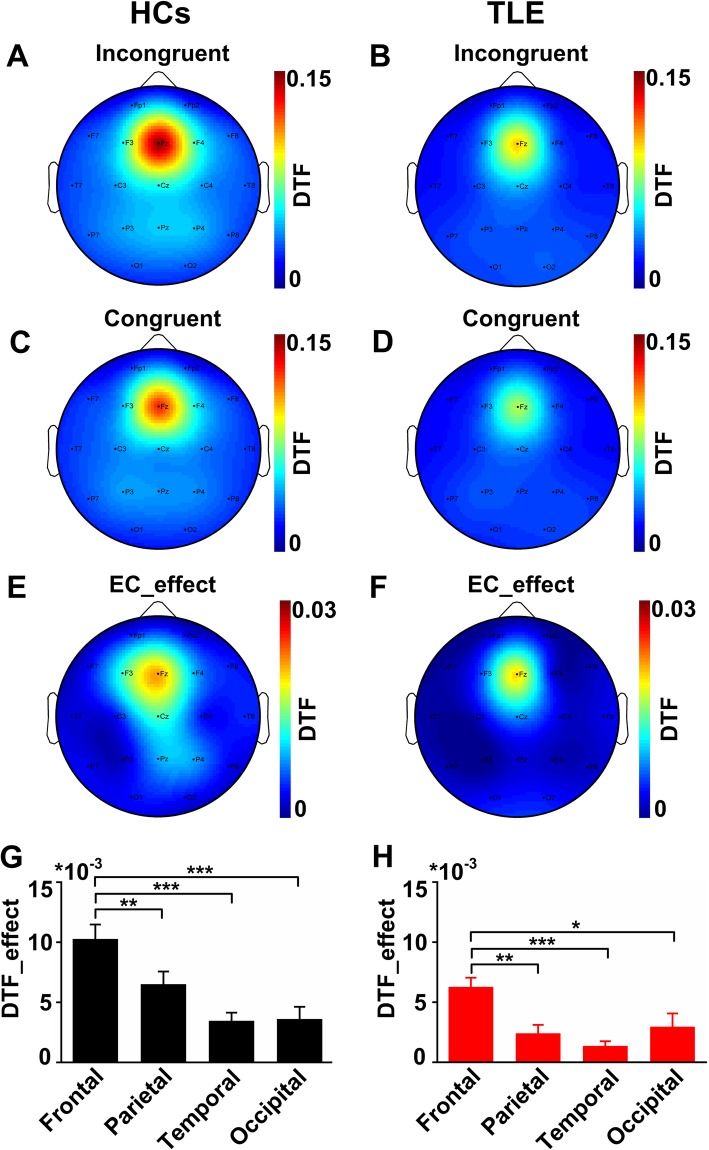
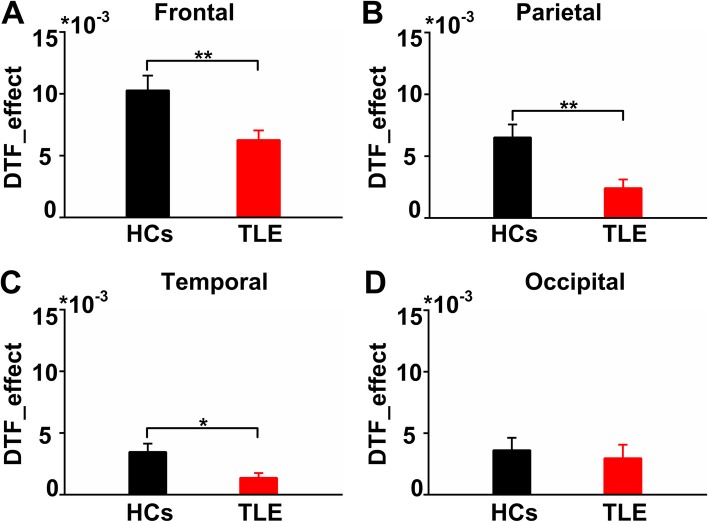
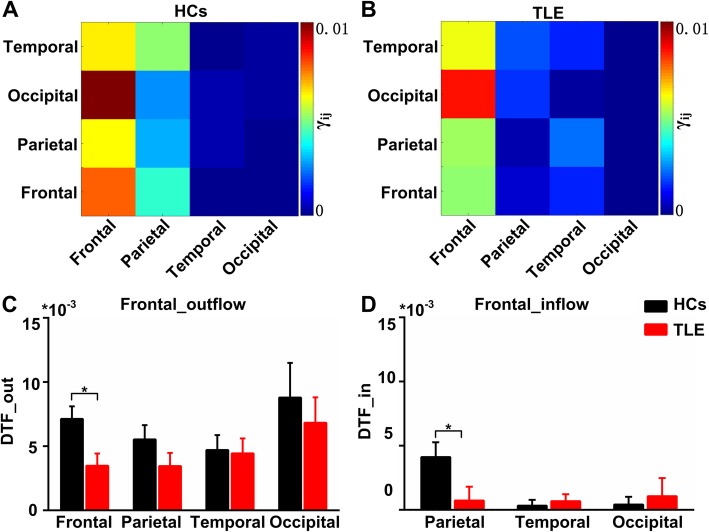
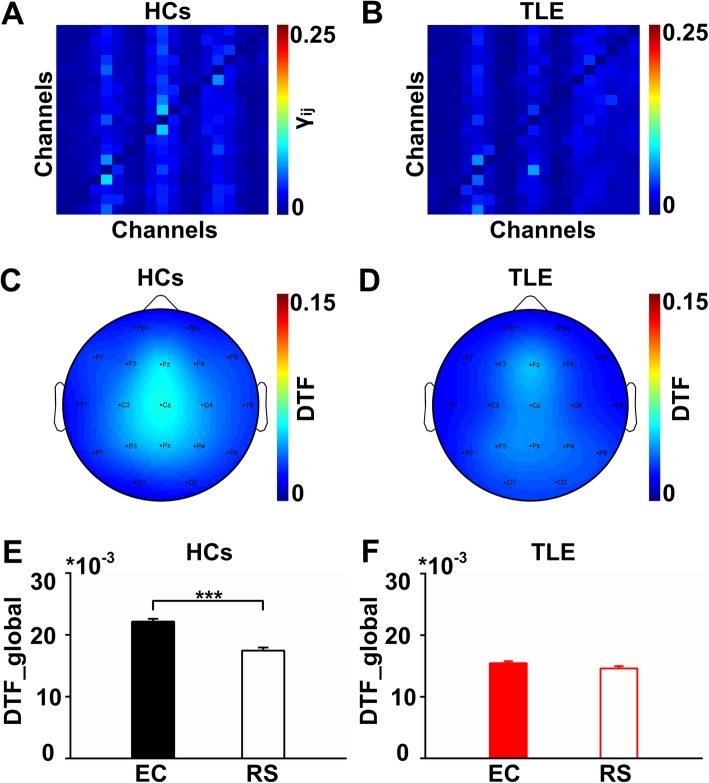
We found the significant executive control impairment in the TLE group. Compared to the HCs, the TLE group showed significantly weaker functional connectivity among EEGs in the executive control network. Moreover, in the TLE group, we found that the functional connectivity was significantly positively correlated with accuracy and negatively correlated with EC_effect. In addition, the functional connectivity of the executive control network was significantly higher than that of the resting state network in the HCs. In the TLE group, however, there was no significant change in functional connectivity strengths between the executive control network and resting state network.
Our results indicate that the decreased functional connectivity in theta band may provide a potential mechanism for executive control deficits in TLE patients.
在相当数量的颞叶癫痫(TLE)患者中观察到执行控制功能障碍。θ频段的神经振荡越来越被认为在执行控制网络中起关键作用。本研究的目的是调查执行控制网络中θ频段的改变,并探讨TLE患者执行控制功能障碍的功能性脑网络机制。
本研究共招募了20名TLE患者和20名匹配的健康对照(HCs)。所有参与者在进行注意力网络测试以执行执行控制任务时接受训练,同时记录头皮脑电图(EEG)数据。在受试者安静闭眼的状态下从EEG收集静息状态信号。分别计算执行控制网络和静息状态网络中EEG之间的功能连接性。
我们发现TLE组存在明显的执行控制损害。与HCs相比,TLE组在执行控制网络中EEG之间的功能连接性明显较弱。此外,在TLE组中,我们发现功能连接性与准确性呈显著正相关,与执行控制效应呈负相关。另外,HCs中执行控制网络的功能连接性显著高于静息状态网络。然而,在TLE组中,执行控制网络和静息状态网络之间的功能连接强度没有显著变化。
我们的结果表明,θ频段功能连接性降低可能为TLE患者的执行控制缺陷提供一种潜在机制。