Svečnjak Lidija, Marijanović Zvonimir, Okińczyc Piotr, Marek Kuś Piotr, Jerković Igor
Faculty of Agriculture, University of Zagreb, Svetošimunska cesta 25, 10000 Zagreb, Croatia.
Faculty of Chemistry and Technology, University of Split, Ruđera Boškovića 35, 21000 Split, Croatia.
Antioxidants (Basel). 2020 Apr 20;9(4):337. doi: 10.3390/antiox9040337.
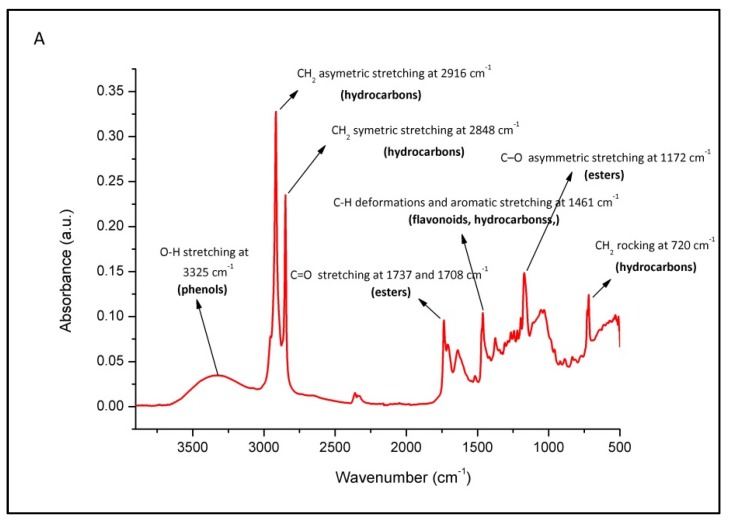
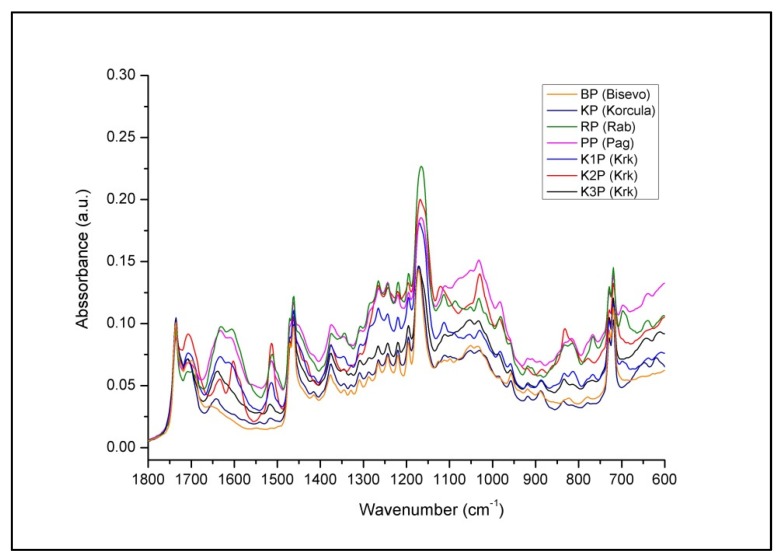
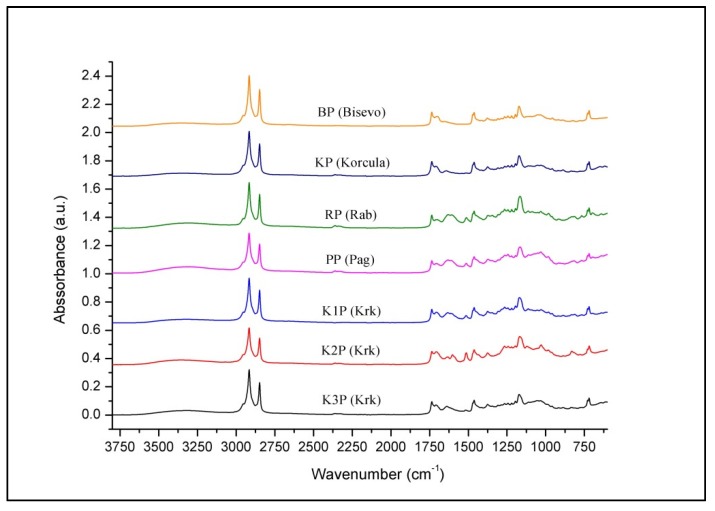
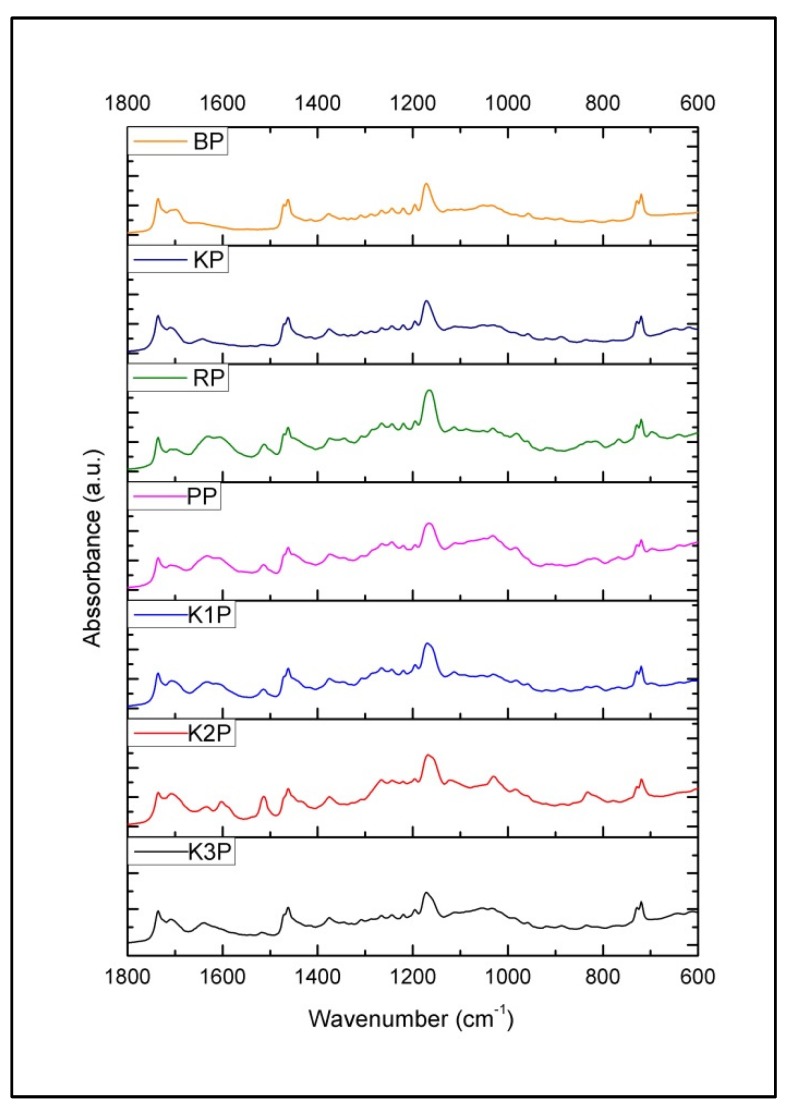
There is no systematic report about propolis chemical biodiversity from the Adriatic Sea islands affecting its antioxidant capacity. Therefore, the samples from the islands Krk, Rab, Pag, Biševo and Korčula were collected. Comprehensive methods were used to unlock their chemical biodiversity: headspace solid-phase microextraction (HS-SPME) and hydrodistillation (HD) followed by gas chromatography and mass spectrometry (GC-MS); Fourier transform mid-infrared spectroscopy (FT-MIR); ultra high performance liquid chromatography with diode array detector and quadrupole time-of-flight mass spectrometry (UHPLC-DAD-QqTOF-MS) and DPPH and FRAP assay. The volatiles variability enabled differentiation of the samples in 2 groups of Mediterranean propolis: non-poplar type (dominated by α-pinene) and polar type (characterized by cadinane type sesquiterpenes). Spectral variations (FT-MIR) associated with phenolics and other balsam-related components were significant among the samples. The UHPLC profiles allowed to track compounds related to the different botanical sources such as poplar (pinobanksin esters, esters and glycerides of phenolic acids, including prenyl derivatives), coniferous trees (labdane, abietane diterpenes) and spp. (clerodane and labdane diterpenes, methylated myricetin derivatives). The antioxidant potential determined by DPPH ranged 2.6-81.6 mg GAE/g and in FRAP assay 0.1-0.8 mmol Feg. The highest activity was observed for the samples of spp. origin. The antioxidant potential and phenolic/flavonoid content was positively, significantly correlated.
关于亚得里亚海岛屿蜂胶的化学多样性及其对抗氧化能力的影响,目前尚无系统报道。因此,采集了克尔克岛、拉布岛、帕格岛、比舍沃岛和科尔丘拉岛的样本。采用综合方法来揭示其化学多样性:顶空固相微萃取(HS-SPME)和水蒸馏(HD),随后进行气相色谱和质谱分析(GC-MS);傅里叶变换中红外光谱(FT-MIR);配备二极管阵列检测器和四极杆飞行时间质谱仪的超高效液相色谱(UHPLC-DAD-QqTOF-MS)以及DPPH和FRAP测定。挥发性成分的变异性使得这些样本能够分为两组地中海蜂胶:非杨树型(以α-蒎烯为主)和极性型(以杜松烷型倍半萜为特征)。样本之间与酚类和其他香脂相关成分相关的光谱变化(FT-MIR)显著。UHPLC图谱有助于追踪与不同植物来源相关的化合物,如杨树(松属素酯、酚酸的酯和甘油酯,包括异戊烯基衍生物)、针叶树(半日花烷、枞酸型二萜)和 spp.(克罗烷和半日花烷二萜、甲基化杨梅素衍生物)。通过DPPH测定的抗氧化潜力范围为2.6 - 81.6 mg GAE/g,在FRAP测定中为0.1 - 0.8 mmol Feg。观察到 spp. 来源的样本具有最高活性。抗氧化潜力与酚类/黄酮类含量呈正相关且显著相关。