Laboratory of Physics Applied to Soils and Environmental Sciences, Department of Physics, State University of Ponta Grossa (UEPG), 84.030-900 Ponta Grossa, PR, Brazil.
Laboratory of Physics Applied to Soils and Environmental Sciences, Department of Physics, State University of Ponta Grossa (UEPG), 84.030-900 Ponta Grossa, PR, Brazil.
Sci Total Environ. 2020 Aug 1;728:138834. doi: 10.1016/j.scitotenv.2020.138834. Epub 2020 Apr 20.
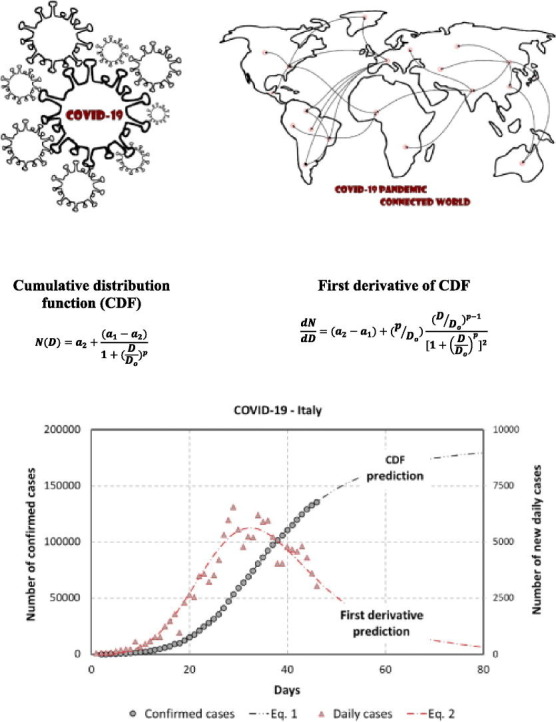
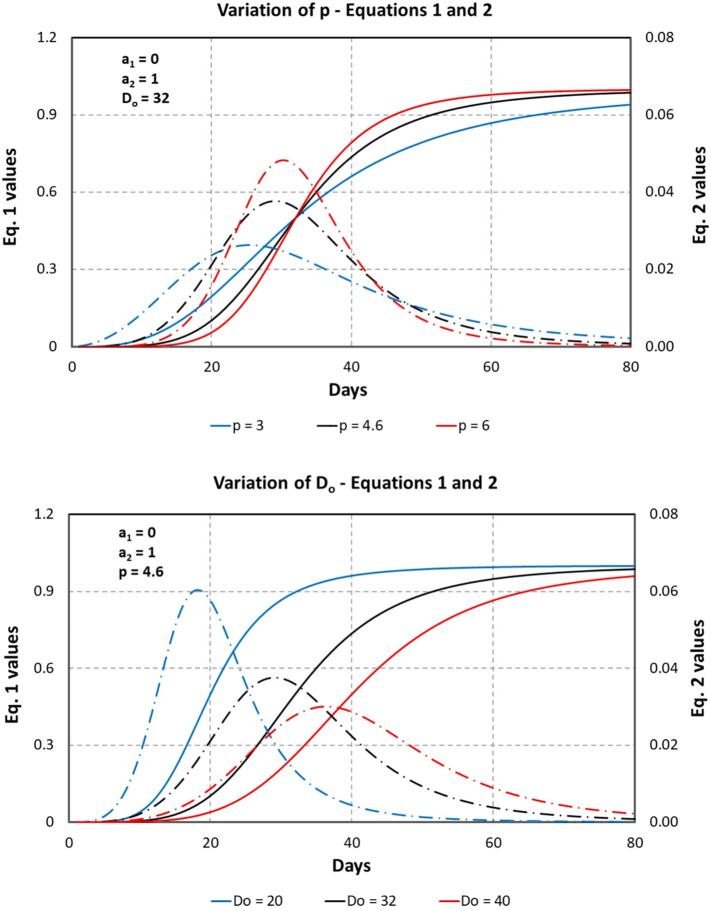
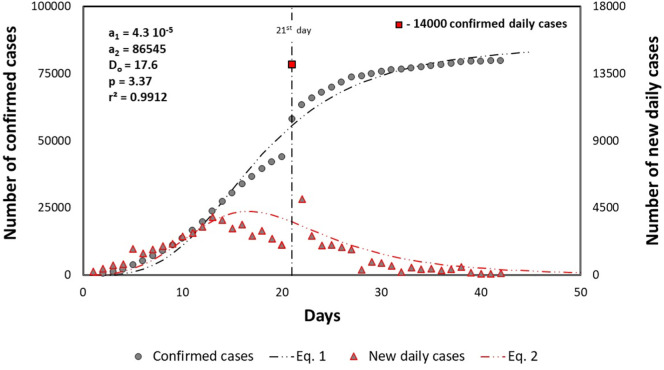
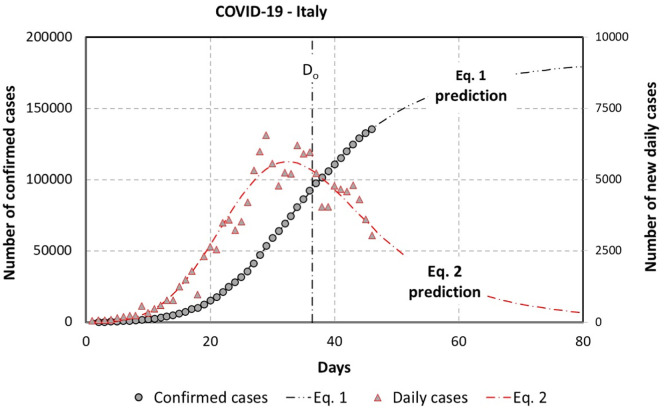
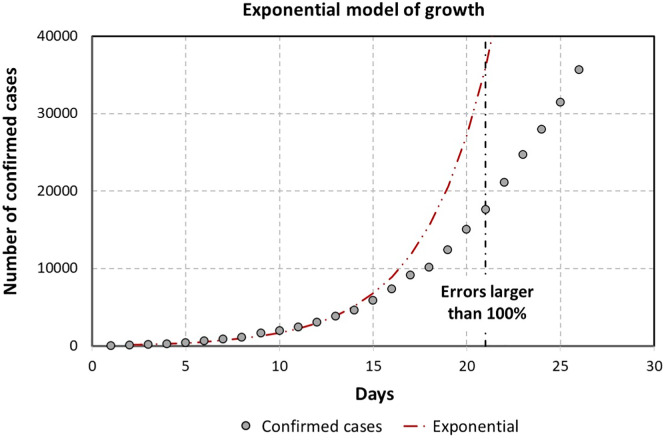
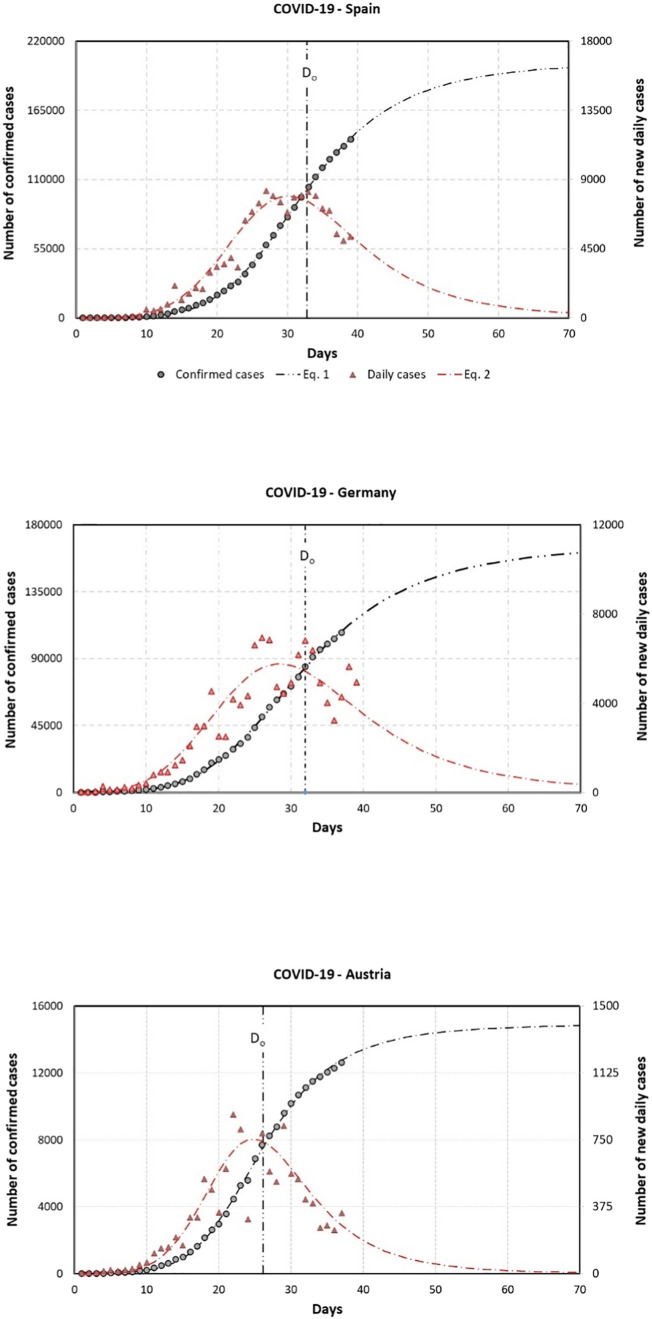
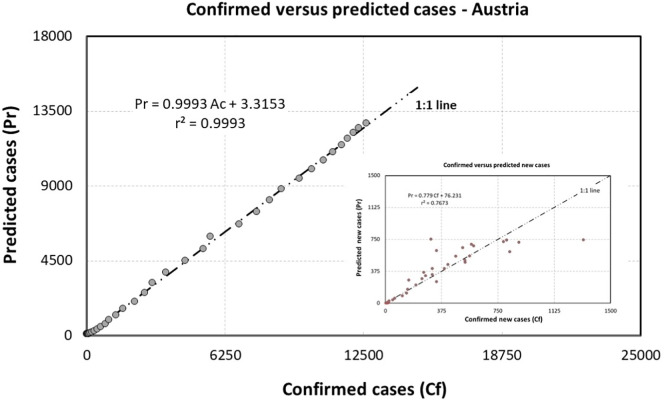
This study aimed to present a simple model to follow the evolution of the COVID-19 (CV-19) pandemic in different countries. The cumulative distribution function (CDF) and its first derivative were employed for this task. The simulations showed that it is almost impossible to predict based on the initial CV-19 cases (1st 2nd or 3rd weeks) how the pandemic will evolve. However, the results presented here revealed that this approach can be used as an alternative for the exponential growth model, traditionally employed as a prediction model, and serve as a valuable tool for investigating how protective measures are changing the evolution of the pandemic.
本研究旨在提出一个简单的模型来跟踪不同国家 COVID-19(CV-19)大流行的演变。该模型使用累积分布函数(CDF)及其一阶导数来实现这一目标。模拟结果表明,几乎不可能根据最初的 CV-19 病例(第 1、2 或 3 周)预测大流行将如何演变。然而,这里呈现的结果表明,这种方法可以替代传统上用作预测模型的指数增长模型,并作为研究保护措施如何改变大流行演变的有用工具。