Manchester Centre for Genomic Medicine, St Mary's Hospital, Manchester University Hospitals NHS Foundation Trust, Manchester Academic Health Sciences Centre, Manchester, M13 9WL, UK.
Department of Human and Medical Genetics, Institute of Biomedical Sciences of the Faculty of Medicine of Vilnius University, M. K. Čiurlionio g. 21/27, LT-03101, Vilnius, Lithuania.
Orphanet J Rare Dis. 2020 Apr 25;15(1):103. doi: 10.1186/s13023-020-1349-1.
The European Reference Networks, ERNs, are virtual networks for healthcare providers across Europe to collaborate and share expertise on complex or rare diseases and conditions. As part of the ERNs, the Clinical Patient Management System, CPMS, a secure digital platform, was developed to allow and facilitate web-based, clinical consultations between submitting clinicians and relevant international experts. The European Reference Network on Intellectual Disability, TeleHealth and Congenital Anomalies, ERN ITHACA, was formed to harness the clinical and diagnostic expertise in the sector of rare, multiple anomaly and/or intellectual disability syndromes, chromosome disorders and undiagnosed syndromic disorders. We present the first year results of CPMS use by ERN ITHACA as an example of a telemedicine strategy for the diagnosis and management of patients with rare developmental disorders.
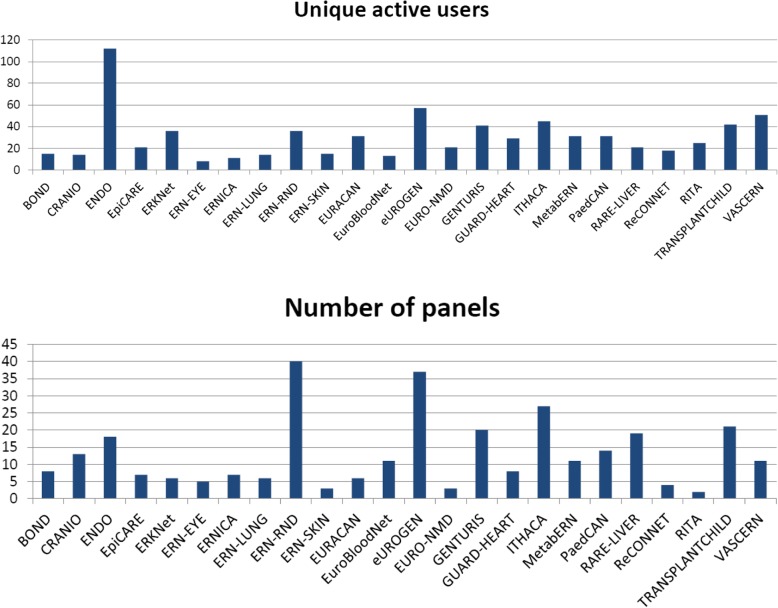
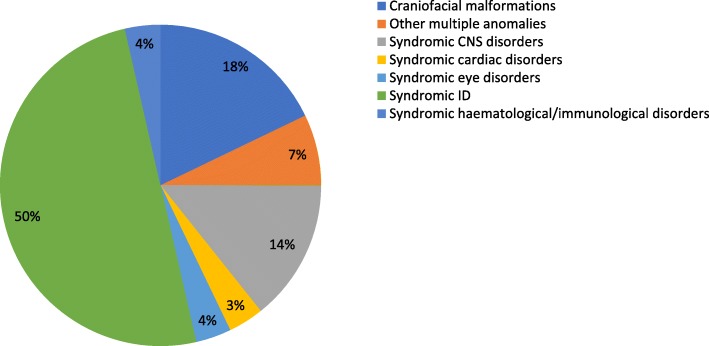
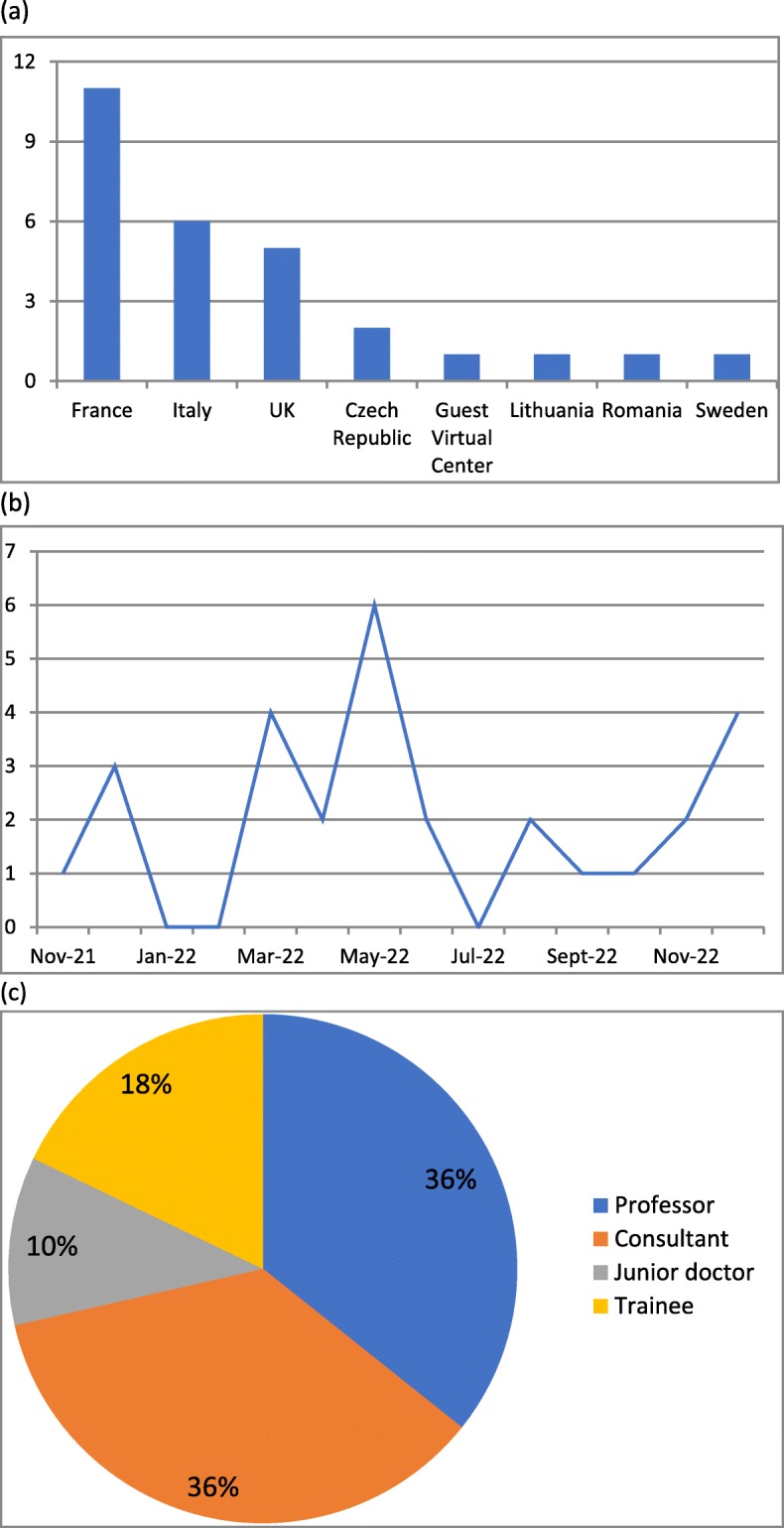
ERN ITHACA ranked third in telemedicine activity amongst 24 European networks after 12 months of using the CPMS. Information about 28 very rare cases from 13 different centres across 7 countries was shared on the platform, with diagnostic or other management queries. Early interaction with patient support groups identified data protection as of primary importance in adopting digital platforms for patient diagnosis and care. The first launch of the CPMS was built to accommodate the needs of all ERNs. The ERN ITHACA telemedicine process highlighted a need to customise the CPMS with network-specific requirements. The results of this effort should enhance the CPMS utility for telemedicine services and ERN-specific care outcomes.
We present the results of a long and fruitful process of interaction between the ERN ITHACA network lead team and EU officials, software developers and members of 38 EU clinical genetics centres to organise and coordinate direct e-healthcare through a secure, digital platform. The variability of the queries in just the first 28 cases submitted to the ERN ITHACA CPMS is a fair representation of the complexity and rarity of the patients referred, but also proof of the sophisticated and variable service that could be provided through a structured telemedicine approach for patients and families with rare developmental disorders. Web-based approaches are likely to result in increased accessibility to clinical genomic services.
欧洲参考网络(ERNs)是欧洲医疗保健提供者合作和分享复杂或罕见疾病和病症专业知识的虚拟网络。作为 ERNs 的一部分,开发了临床患者管理系统(CPMS),这是一个安全的数字平台,允许并促进提交临床医生和相关国际专家之间的基于网络的临床咨询。成立欧洲智力障碍、远程医疗和先天异常参考网络(ERN ITHACA)是为了利用该领域罕见的、多种异常和/或智力障碍综合征、染色体疾病和未确诊的综合征疾病的临床和诊断专业知识。我们展示了 ERN ITHACA 使用 CPMS 的第一年结果,作为一种用于诊断和管理罕见发育障碍患者的远程医疗策略的范例。
在使用 CPMS 12 个月后,ERN ITHACA 在欧洲的 24 个网络中,在远程医疗活动方面排名第三。该平台共享了来自 7 个国家的 13 个不同中心的 28 例非常罕见病例的信息,涉及诊断或其他管理查询。与患者支持团体的早期互动确定数据保护是采用数字平台进行患者诊断和护理的首要任务。CPMS 的首次推出是为了满足所有 ERN 的需求而构建的。ERN ITHACA 的远程医疗流程突出了需要根据网络的具体要求定制 CPMS。这一努力的结果应该增强 CPMS 在远程医疗服务和 ERN 特定护理结果方面的实用性。
我们介绍了 ERN ITHACA 网络领导团队与欧盟官员、软件开发商以及 38 个欧盟临床遗传学中心成员之间进行的长期、富有成效的互动过程的结果,该过程旨在通过安全的数字平台组织和协调直接的电子医疗保健。仅向 ERN ITHACA CPMS 提交的前 28 例病例中的查询的可变性是所涉及患者的复杂性和罕见性的公平代表,但也证明了通过结构化远程医疗方法为罕见发育障碍患者和家庭提供的复杂和可变服务。基于网络的方法可能会导致更多的人能够获得临床基因组服务。