Medical Technology Research Centre, Faculty of Health, Education, Medicine and Social Care, Anglia Ruskin University, Chelmsford, Essex CM1 1SQ, UK.
Institute of Population Health, Faculty of Medical and Human Sciences, University of Manchester; Manchester M13 9NT, UK.
Int J Mol Sci. 2020 Apr 24;21(8):3004. doi: 10.3390/ijms21083004.
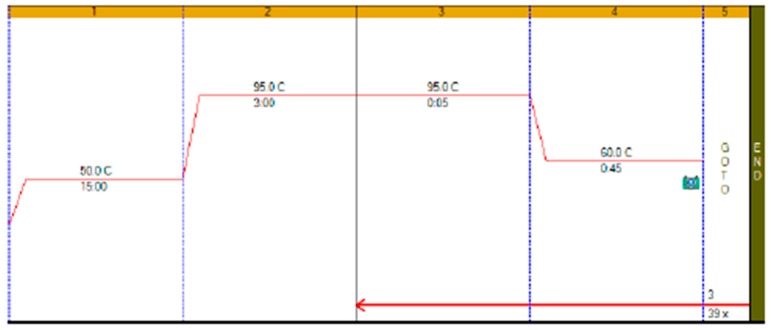
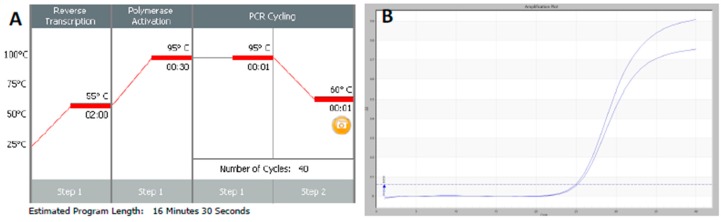
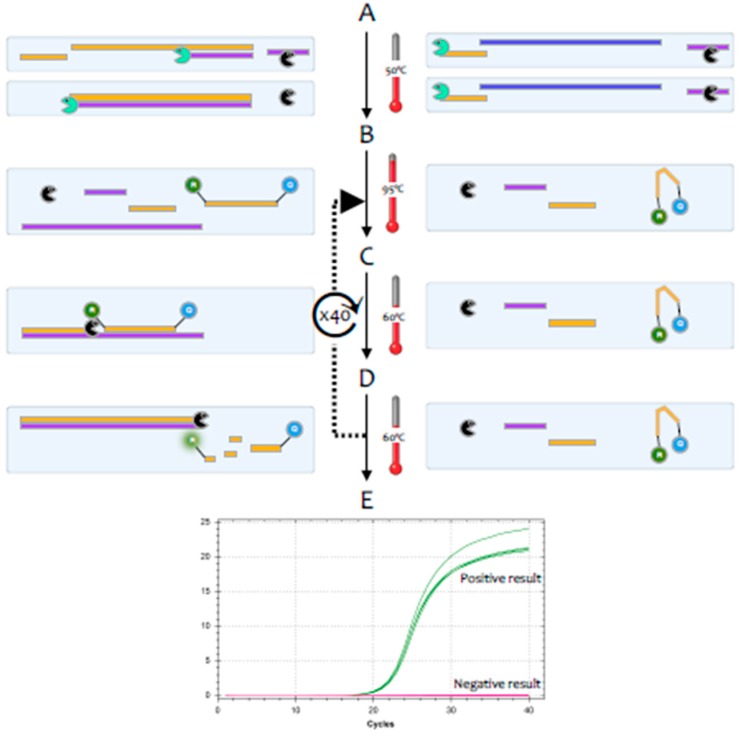
Testing for the presence of coronavirus is an essential diagnostic tool for monitoring and managing the current COVID-19 pandemic. The only reliable test in current use for testing acute infection targets the genome of SARS-CoV-2, and the most widely used method is quantitative fluorescence-based reverse transcription polymerase chain reaction (RT-qPCR). Despite its ubiquity, there is a significant amount of uncertainty about how this test works, potential throughput and reliability. This has resulted in widespread misrepresentation of the problems faced using this test during the current COVID-19 epidemic. This primer provides simple, straightforward and impartial information about RT-qPCR.
检测冠状病毒的存在是监测和管理当前 COVID-19 大流行的重要诊断工具。目前用于检测急性感染的唯一可靠测试方法是针对 SARS-CoV-2 基因组的定量荧光逆转录聚合酶链反应(RT-qPCR)。尽管它无处不在,但对于该测试的工作原理、潜在的通量和可靠性仍存在很大的不确定性。这导致在当前的 COVID-19 疫情期间,对该测试所面临的问题存在广泛的误解。本指南提供了有关 RT-qPCR 的简单、直接和公正的信息。