Jefferson Weinberg ALS Center, Department of Neuroscience, Vickie and Jack Farber Institute for Neuroscience, Thomas Jefferson University, Philadelphia, PA, USA.
German Center for Neurodegenerative Diseases (DZNE), Munich, Germany.
EMBO Mol Med. 2020 May 8;12(5):e10722. doi: 10.15252/emmm.201910722. Epub 2020 Apr 29.
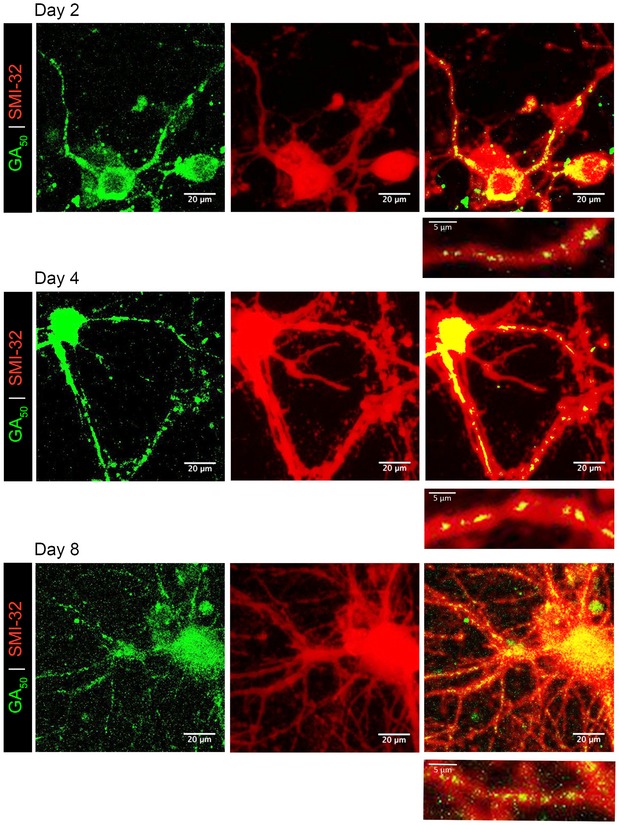
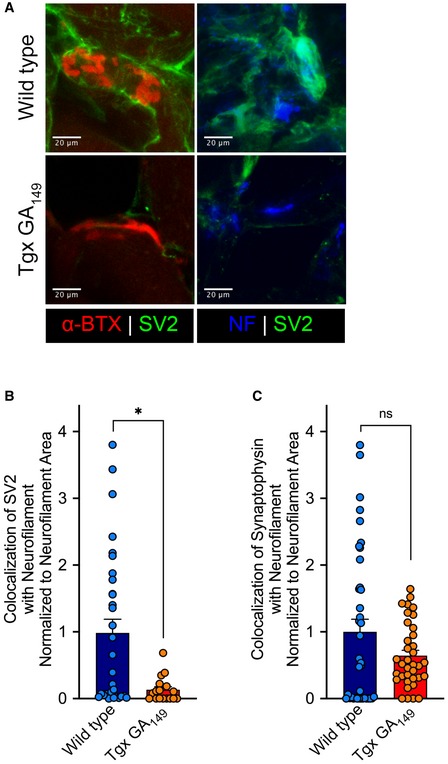
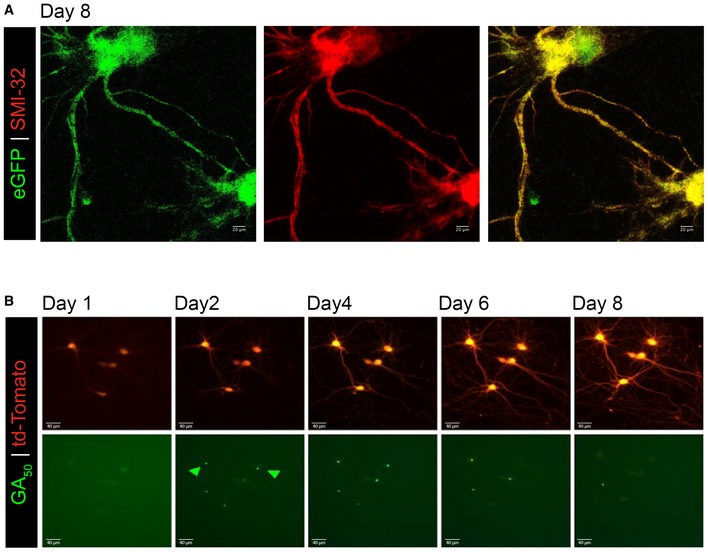
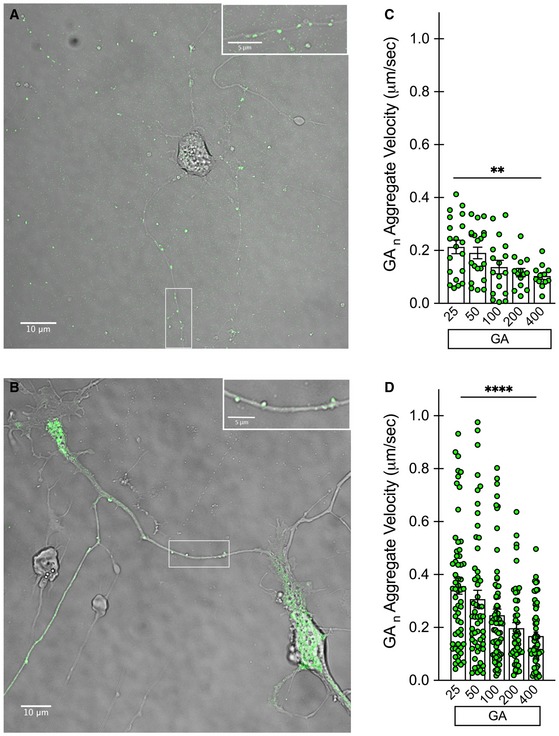
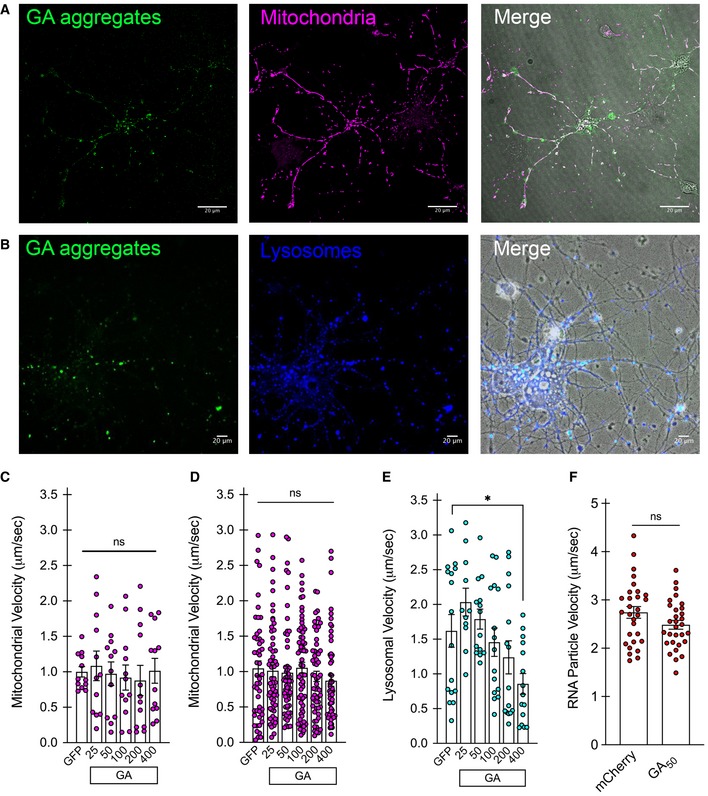
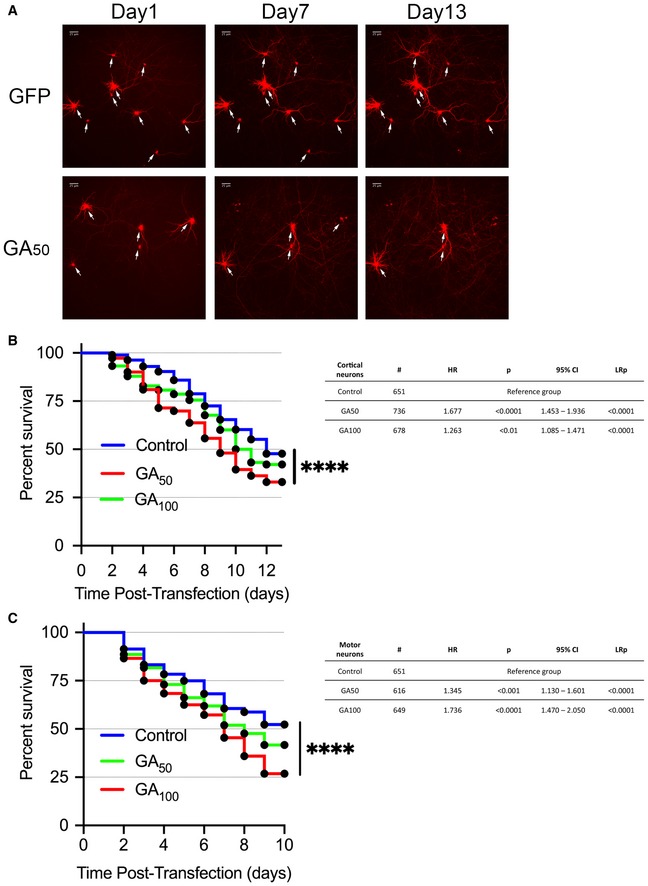
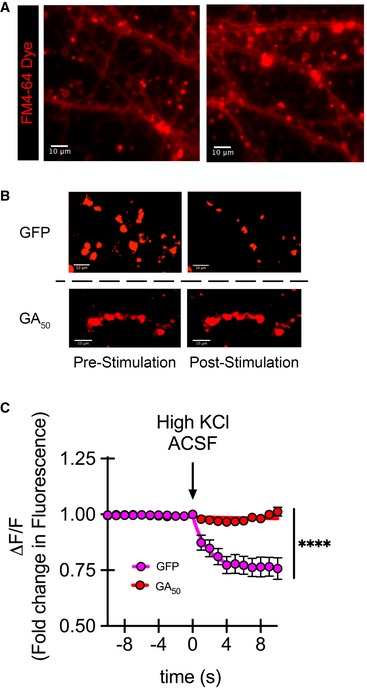
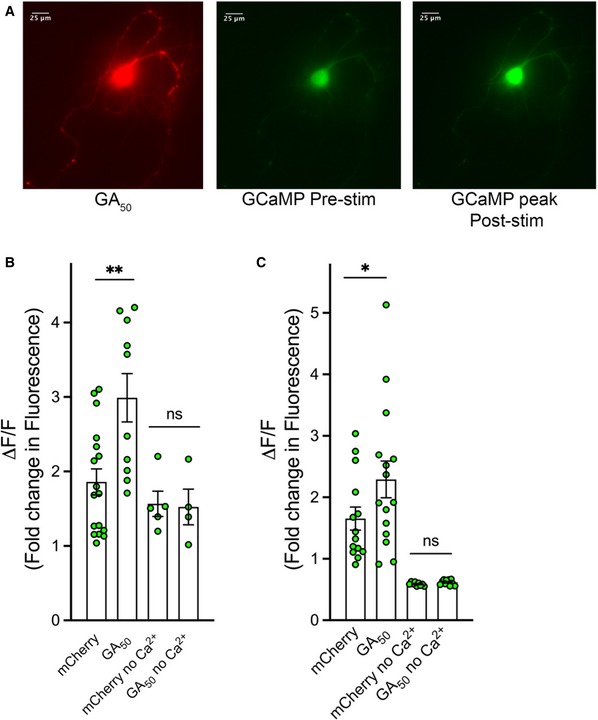
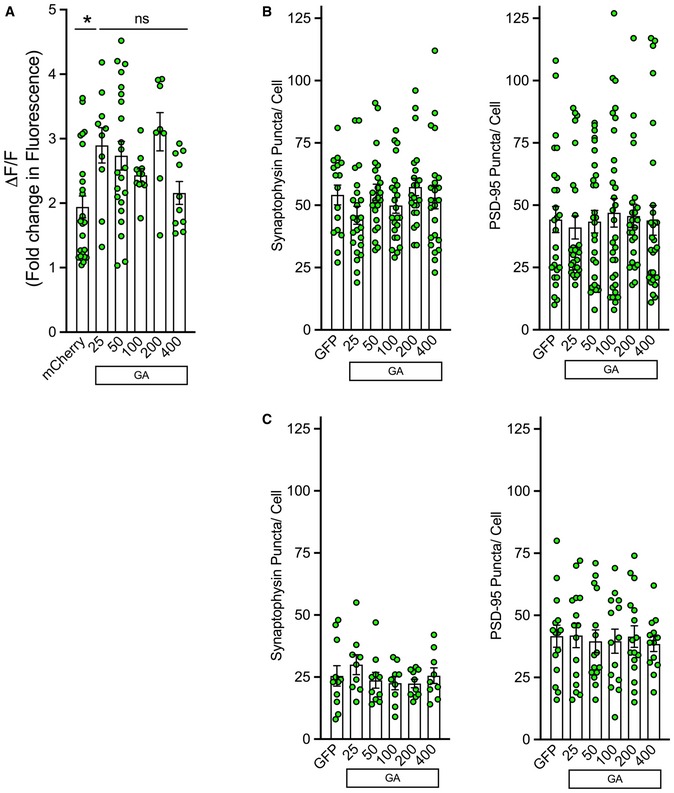
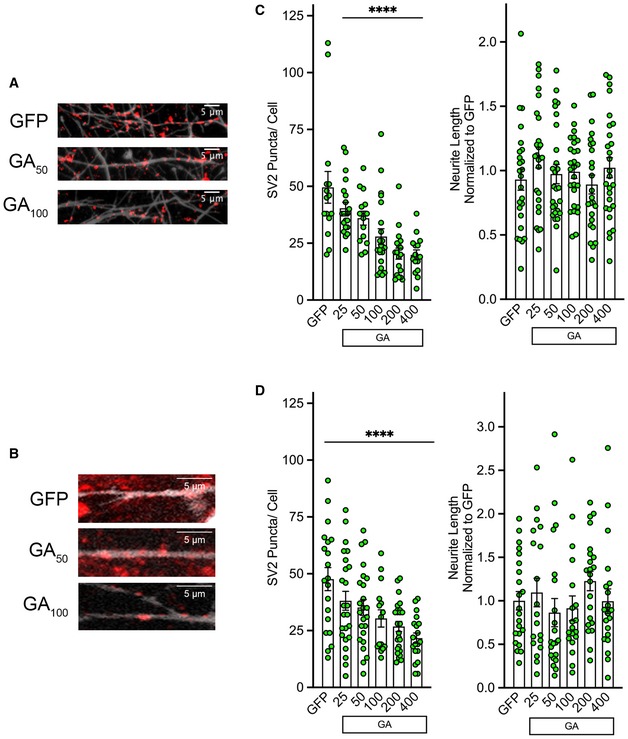
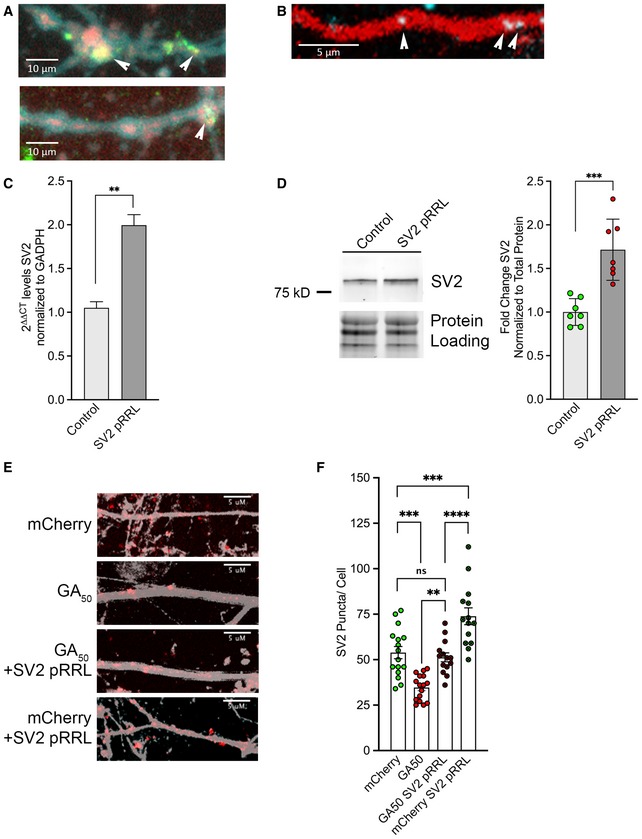
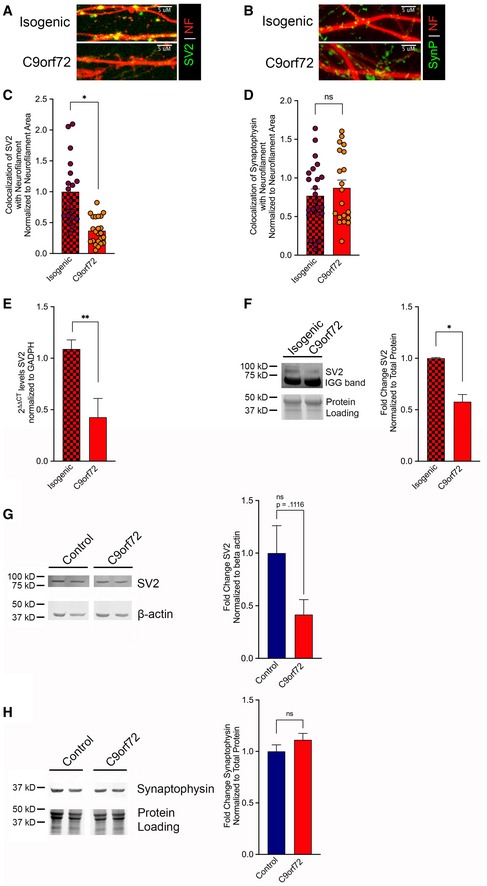
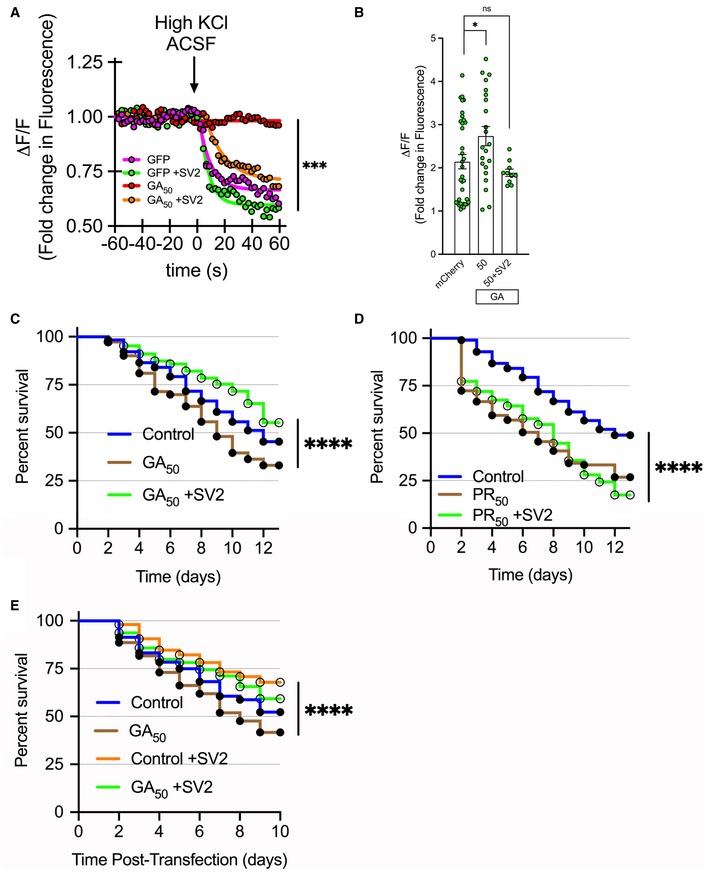
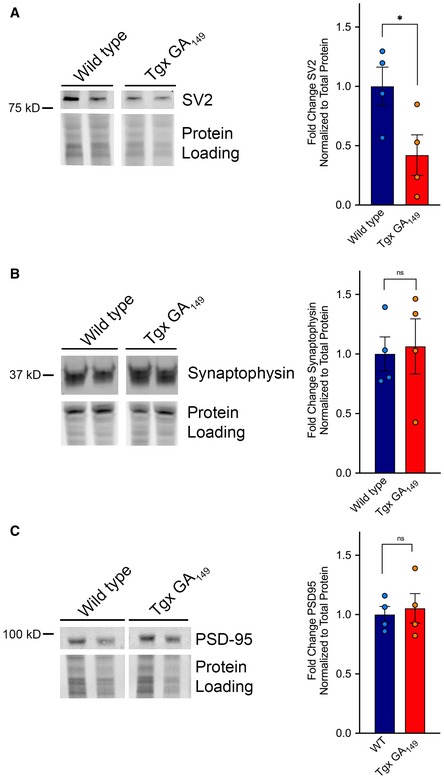
The most common cause of amyotrophic lateral sclerosis (ALS) and frontotemporal dementia (FTD) is an intronic hexanucleotide repeat expansion in the C9orf72 gene. In disease, RNA transcripts containing this expanded region undergo repeat-associated non-AUG translation to produce dipeptide repeat proteins (DPRs), which are detected in brain and spinal cord of patients and are neurotoxic both in vitro and in vivo paradigms. We reveal here a novel pathogenic mechanism for the most abundantly detected DPR in ALS/FTD autopsy tissues, poly-glycine-alanine (GA). Previously, we showed motor dysfunction in a GA mouse model without loss of motor neurons. Here, we demonstrate that mobile GA aggregates are present within neurites, evoke a reduction in synaptic vesicle-associated protein 2 (SV2), and alter Ca influx and synaptic vesicle release. These phenotypes could be corrected by restoring SV2 levels. In GA mice, loss of SV2 was observed without reduction of motor neuron number. Notably, reduction in SV2 was seen in cortical and motor neurons derived from patient induced pluripotent stem cell lines, suggesting synaptic alterations also occur in patients.
最常见的肌萎缩侧索硬化症(ALS)和额颞叶痴呆(FTD)的病因是 C9orf72 基因内含子六核苷酸重复扩增。在疾病中,含有此扩展区域的 RNA 转录本通过重复相关的非 AUG 翻译产生二肽重复蛋白(DPRs),这些蛋白在患者的大脑和脊髓中被检测到,并在体外和体内模型中具有神经毒性。我们在这里揭示了 ALS/FTD 尸检组织中最常见的 DPR,即聚甘氨酸-丙氨酸(GA)的一种新的致病机制。此前,我们在没有运动神经元丢失的 GA 小鼠模型中显示出运动功能障碍。在这里,我们证明了可移动的 GA 聚集体存在于神经突内,导致突触小泡相关蛋白 2(SV2)减少,并改变 Ca 流入和突触小泡释放。这些表型可以通过恢复 SV2 水平来纠正。在 GA 小鼠中,SV2 的丢失并未导致运动神经元数量减少。值得注意的是,在源自患者诱导多能干细胞系的皮质和运动神经元中观察到 SV2 的减少,表明这种突触改变也发生在患者中。