Kumari Madhuree, Pandey Shipra, Mishra Shashank Kumar, Giri Ved Prakash, Agarwal Lalit, Dwivedi Sanjay, Pandey Alok Kumar, Nautiyal Chandra Shekhar, Mishra Aradhana
CSIR-National Botanical Research Institute, Lucknow, India.
Academy of Scientific and Innovative Research, Ghaziabad, India.
Front Bioeng Biotechnol. 2020 Apr 17;8:242. doi: 10.3389/fbioe.2020.00242. eCollection 2020.
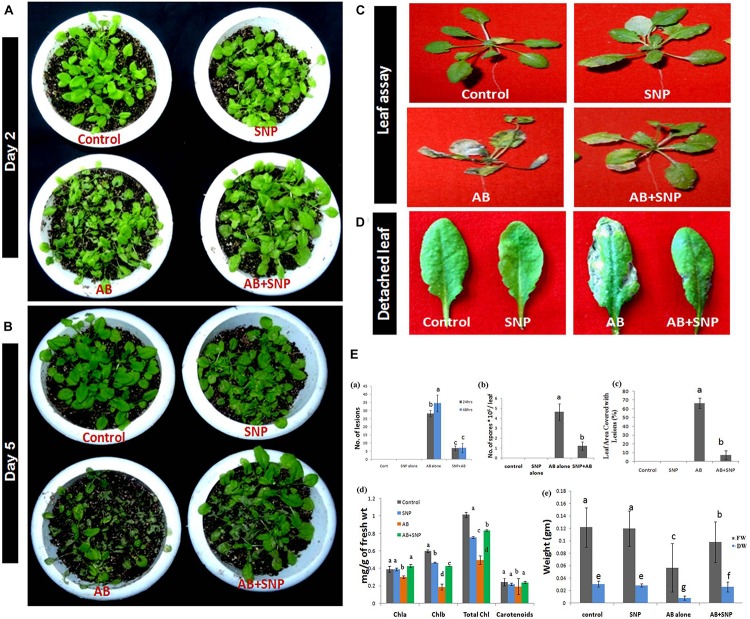
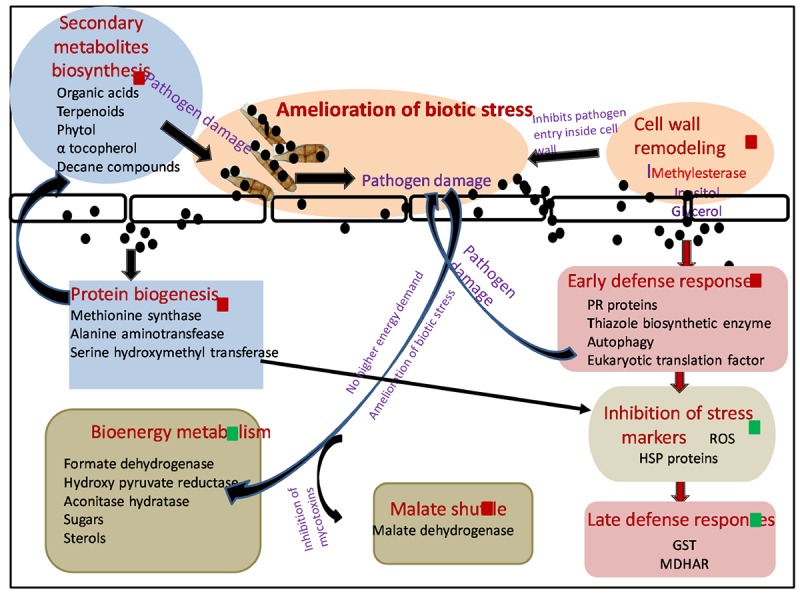
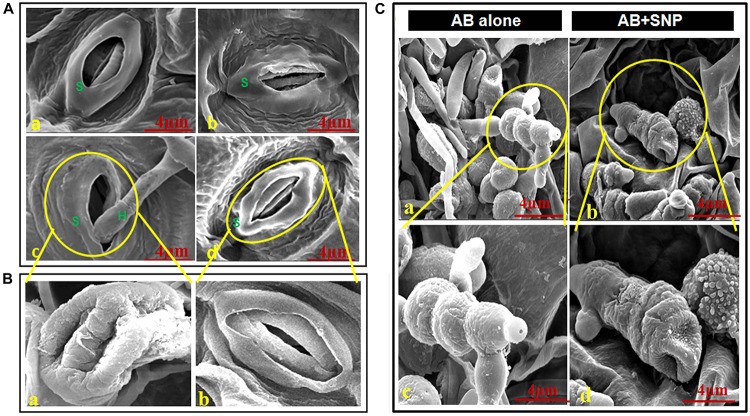
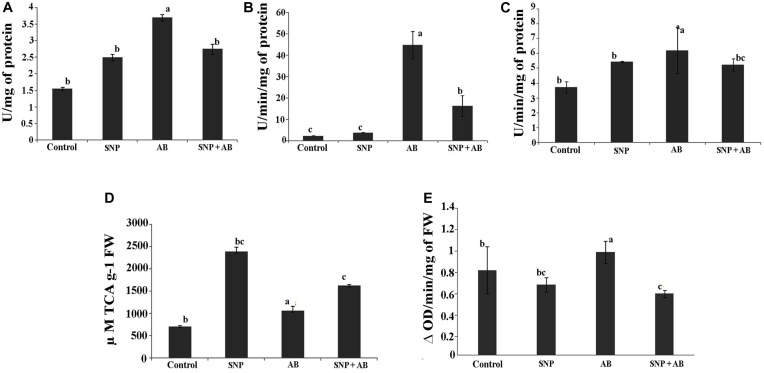
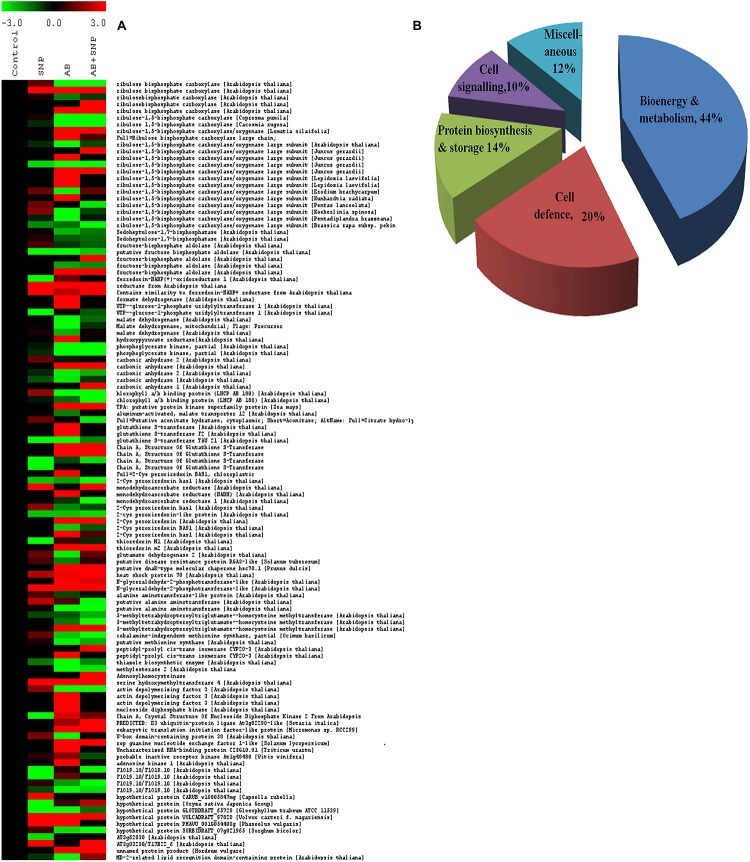
Bioengineered silver nanoparticles can emerge as a facile approach to combat plant pathogen, reducing the use of pesticides in an eco-friendly manner. The plants' response during tripartite interaction of plant, pathogen, and nanoparticles remains largely unknown. This study demonstrated the use of bioengineered silver nanoparticles in combating black spot disease caused by necrotrophic fungus in via foliar spray. The particles reduced disease severity by 70-80% at 5 μg/ml without showing phytotoxicity. It elicited plant immunity by a significant reduction in reactive oxygen species (ROS), decreases in stress enzymes by 0.6-19.8-fold, and emergence of autophagy. Comparative plant proteomics revealed 599 proteins expressed during the interaction, where 117 differential proteins were identified. Among different categories, proteins involved in bioenergy and metabolism were most abundant (44%), followed by proteins involved in plant defense (20%). Metabolic profiling by gas chromatography-mass spectroscopy yielded 39 metabolite derivatives in non-polar fraction and 25 in the polar fraction of plant extracts. It was observed that proteins involved in protein biogenesis and early plant defense were overexpressed to produce abundant antimicrobial metabolites and minimize ROS production. Bioengineered silver nanoparticles performed dual functions to combat pathogen attack by killing plant pathogen and eliciting immunity by altering plant defense proteome and metabolome.
生物工程银纳米颗粒可成为对抗植物病原体的简便方法,以环保方式减少农药的使用。在植物、病原体和纳米颗粒的三方相互作用过程中,植物的反应在很大程度上仍不为人知。本研究展示了通过叶面喷施使用生物工程银纳米颗粒对抗由坏死性真菌引起的黑斑病。这些颗粒在5μg/ml时可将病害严重程度降低70 - 80%,且未表现出植物毒性。它通过显著降低活性氧(ROS)、使应激酶减少0.6 - 19.8倍以及自噬的出现来引发植物免疫。比较植物蛋白质组学揭示了相互作用过程中表达的599种蛋白质,其中鉴定出117种差异蛋白质。在不同类别中,参与生物能量和代谢的蛋白质最为丰富(44%),其次是参与植物防御的蛋白质(20%)。通过气相色谱 - 质谱联用进行的代谢谱分析在植物提取物的非极性部分产生了39种代谢物衍生物,在极性部分产生了25种。观察到参与蛋白质生物合成和早期植物防御的蛋白质过度表达,以产生丰富的抗菌代谢物并使ROS产生最小化。生物工程银纳米颗粒发挥双重作用,通过杀死植物病原体来对抗病原体攻击,并通过改变植物防御蛋白质组和代谢组来引发免疫。