1State Key Laboratory of Cardiovascular Disease, Fuwai Hospital, National Center for Cardiovascular Diseases, Chinese Academy of Medical Sciences and Peking Union Medical College, Beijing, 100037 China.
2Clinical Data Center, Guangzhou Women and Children's Medical Center, Guangzhou, 510623 Guangdong China.
Glob Health Res Policy. 2020 May 6;5:20. doi: 10.1186/s41256-020-00145-4. eCollection 2020.
To contain the outbreak of coronavirus disease 2019 (COVID-19) in China, many unprecedented intervention measures are adopted by the government. However, these measures may interfere in the normal medical service. We sought to model the trend of COVID-19 and estimate the restoration of operational capability of metropolitan medical service in China.
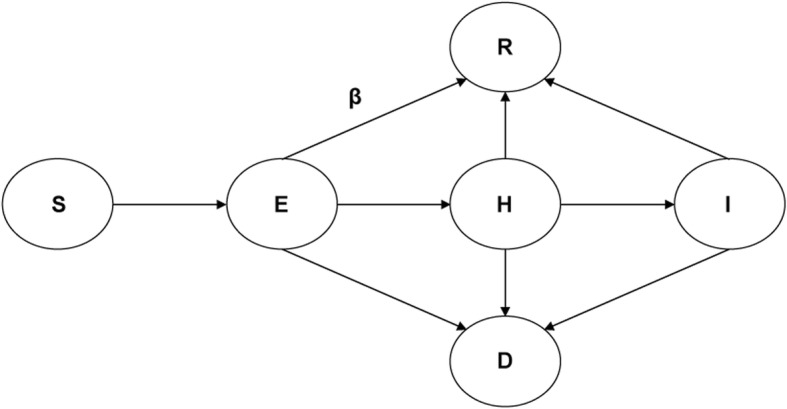
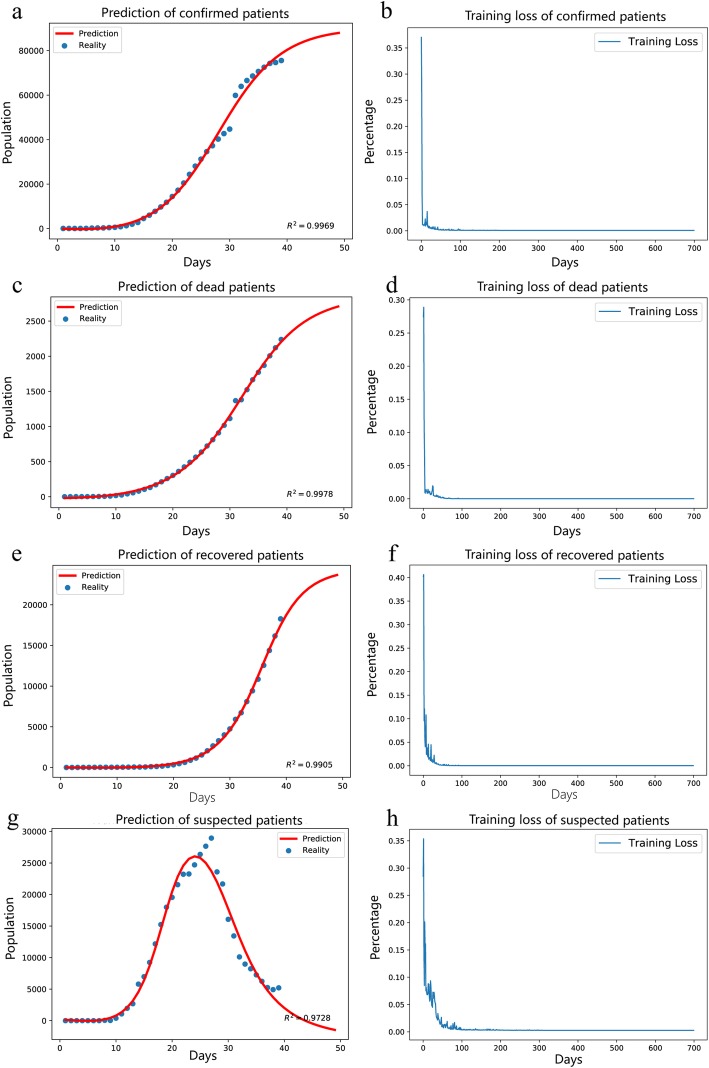
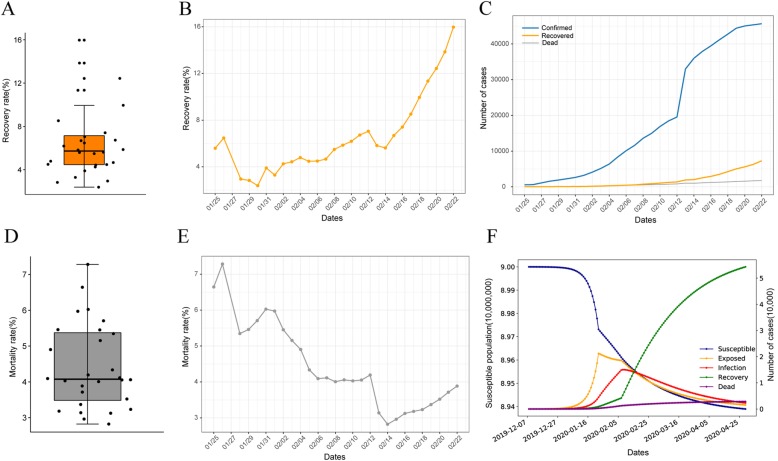
Real-time data of COVID-19 and population mobility data were extracted from open sources. SEIR (Susceptible, Exposed, Infectious, Recovered) and neural network models (NNs) were built to model disease trends in Wuhan, Beijing, Shanghai and Guangzhou. Combined with public transportation data, Autoregressive Integrated Moving Average (ARIMA) model was used to estimate the accumulated demands for nonlocal hospitalization during the epidemic period in Beijing, Shanghai and Guangzhou.
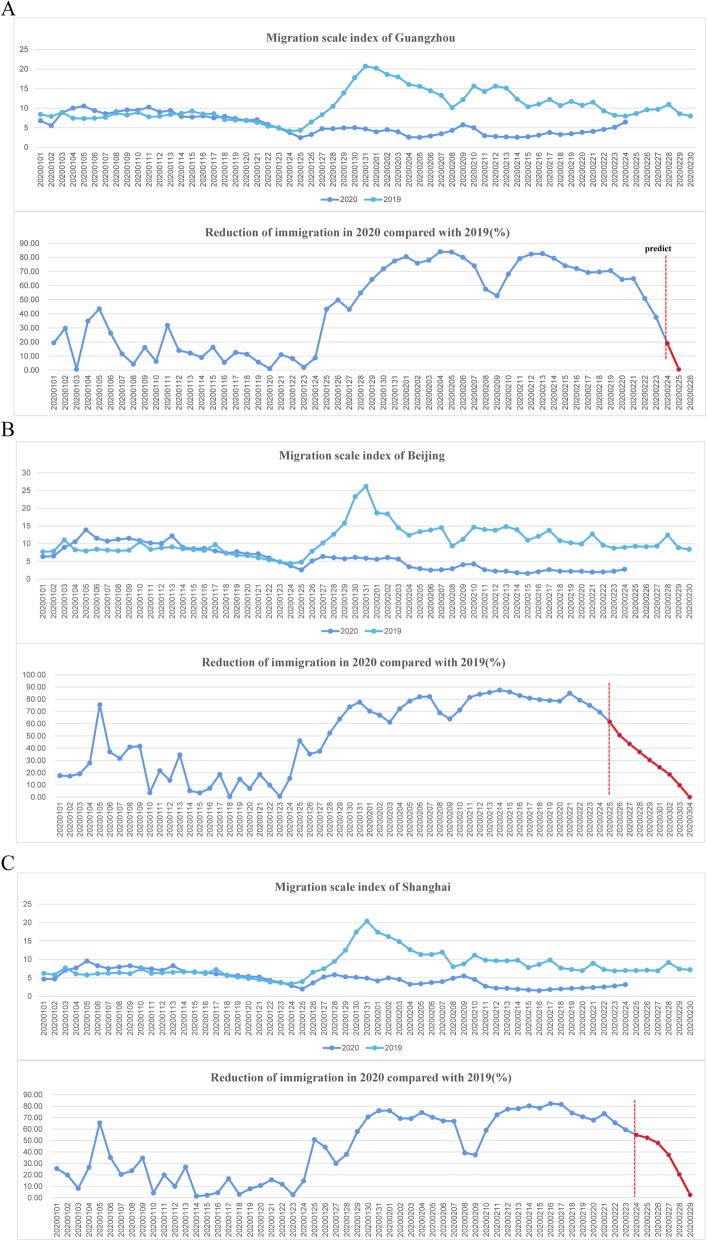
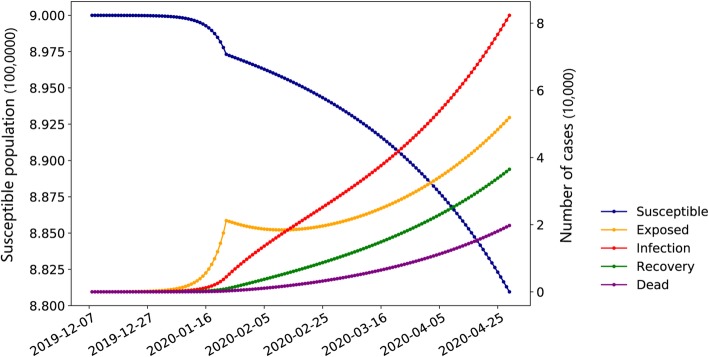
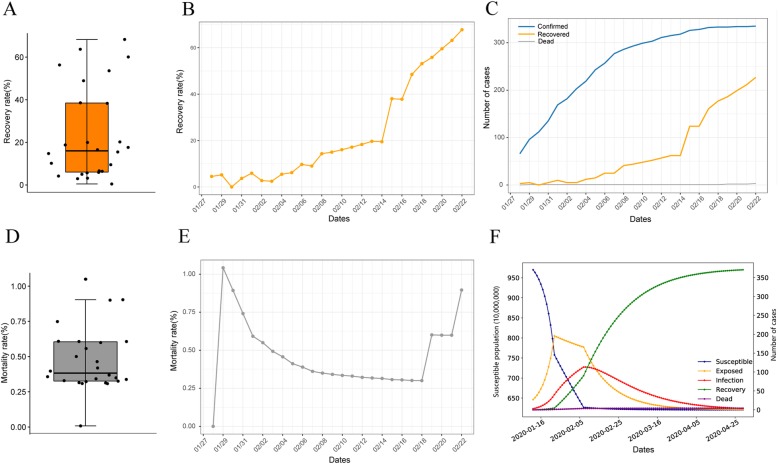
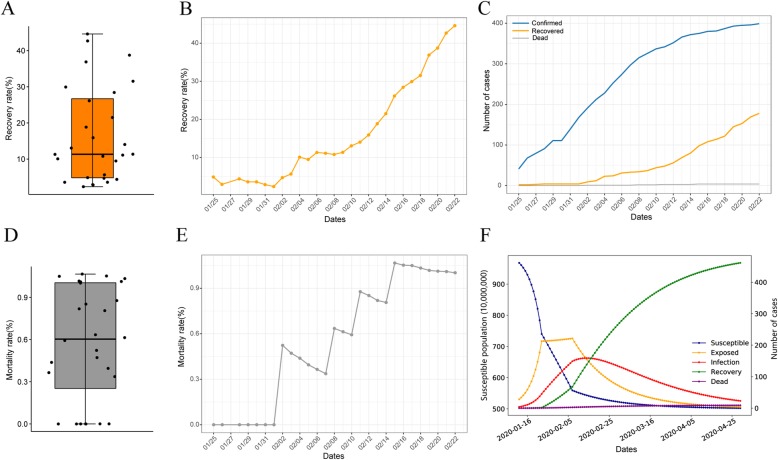
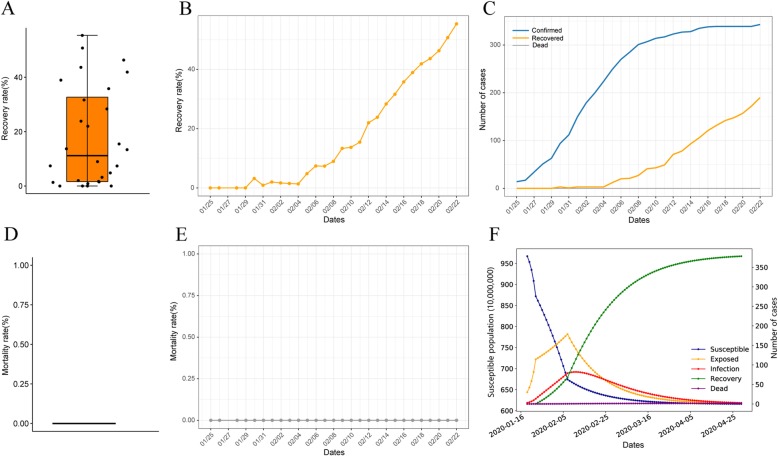
The number of infected people and deaths would increase by 45% and 567% respectively, given that the government only has implemented traffic control in Wuhan without additional medical professionals. The epidemic of Wuhan (measured by cumulative confirmed cases) was predicted to reach turning point at the end of March and end in later April, 2020. The outbreak in Beijing, Shanghai and Guangzhou was predicted to end at the end of March and the medical service could be fully back to normal in middle of April. During the epidemic, the number of nonlocal inpatient hospitalizations decreased by 69.86%, 57.41% and 66.85% in Beijing, Shanghai and Guangzhou respectively. After the end of epidemic, medical centers located in these metropolises may face 58,799 (95% CI 48926-67,232) additional hospitalization needs in the first month.
The COVID-19 epidemic in China has been effectively contained and medical service across the country is expected to return to normal in April. However, the huge unmet medical needs for other diseases could result in massive migration of patients and their families, bringing tremendous challenges for medical service in major metropolis and disease control for the potential asymptomatic virus carrier.
为控制 2019 年冠状病毒病(COVID-19)在中国的爆发,政府采取了许多前所未有的干预措施。然而,这些措施可能会干扰正常的医疗服务。我们试图建立模型来预测 COVID-19 的趋势,并估计中国大都市医疗服务的恢复运营能力。
从公开来源提取 COVID-19 的实时数据和人口流动数据。建立 SEIR(易感、暴露、感染、恢复)和神经网络模型(NNs)来模拟武汉、北京、上海和广州的疾病趋势。结合公共交通数据,使用自回归综合移动平均(ARIMA)模型来估计 COVID-19 流行期间北京、上海和广州非本地住院的累计需求。
如果政府仅在武汉实施交通管制而不增加额外的医疗专业人员,那么感染人数和死亡人数将分别增加 45%和 567%。武汉的疫情(以累计确诊病例衡量)预计将在 3 月底达到拐点,并于 2020 年 4 月中旬结束。北京、上海和广州的疫情预计将在 3 月底结束,医疗服务将在 4 月中旬全面恢复正常。在疫情期间,北京、上海和广州的非本地住院病人数量分别减少了 69.86%、57.41%和 66.85%。疫情结束后,这些大都市的医疗中心可能在第一个月面临 58799(95%CI 48926-67232)例额外的住院需求。
中国的 COVID-19 疫情已得到有效控制,预计全国医疗服务将在 4 月恢复正常。然而,其他疾病的巨大未满足的医疗需求可能导致大量患者及其家属迁移,这将给大都市的医疗服务和潜在无症状病毒携带者的疾病控制带来巨大挑战。