Jajodia Ankush, Ebner Lukas, Heidinger Benedikt, Chaturvedi Arvind, Prosch Helmut
Dep. of Radiology, Rajiv Gandhi Cancer Institute and Research Centre -Delhi, India.
Department of Diagnostic, Interventional and Pediatric Radiology, Inselspital University Hospital Bern, Switzerland.
Eur J Radiol Open. 2020 May 11;7:100237. doi: 10.1016/j.ejro.2020.100237. eCollection 2020.
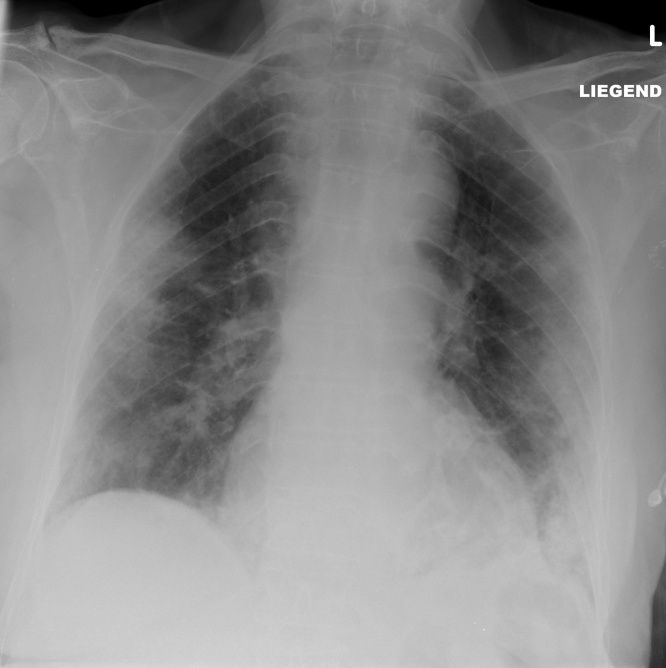
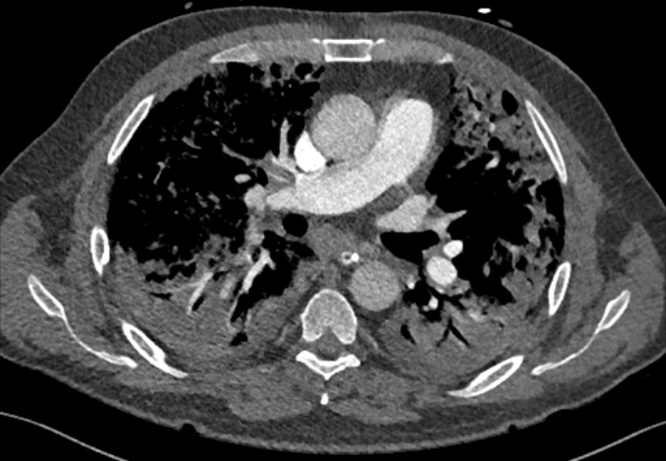
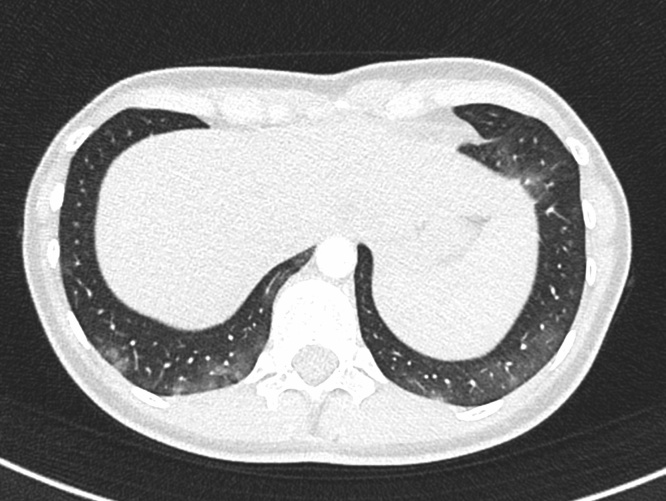
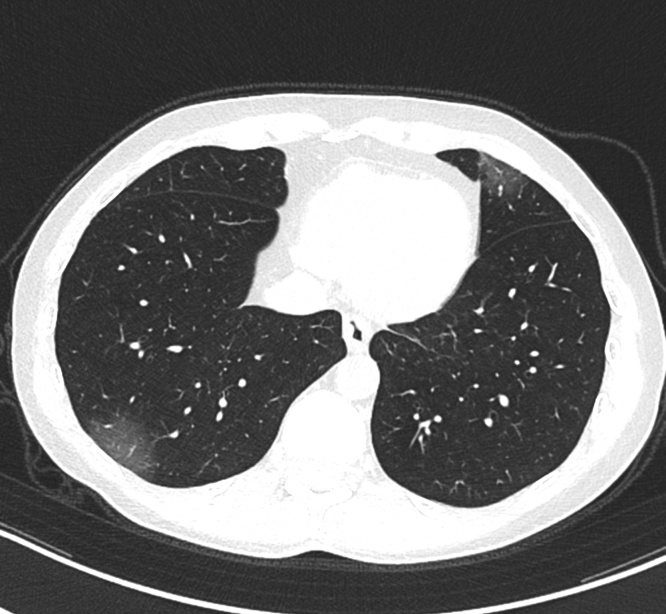
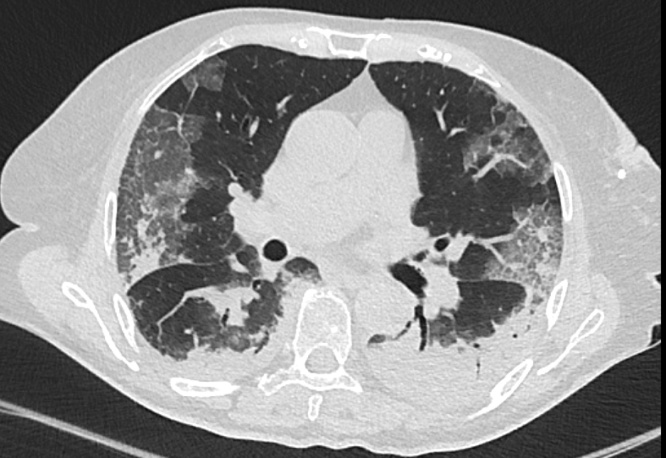
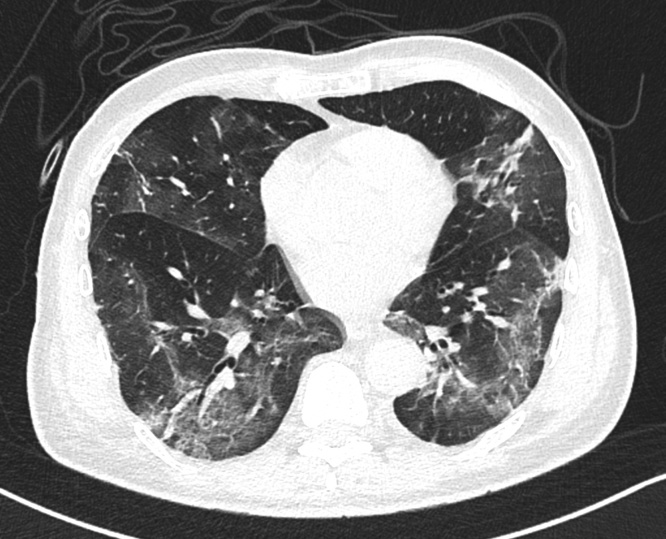
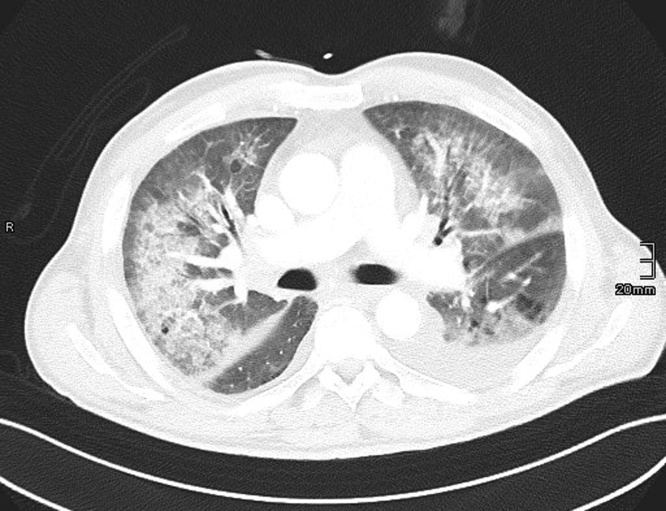
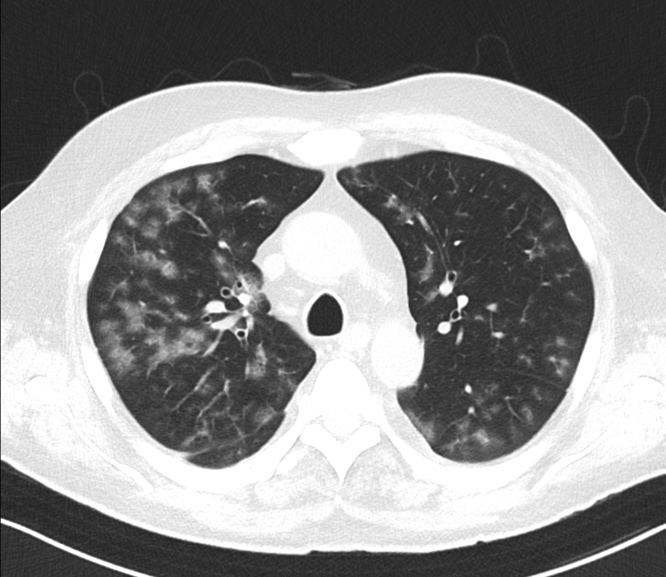
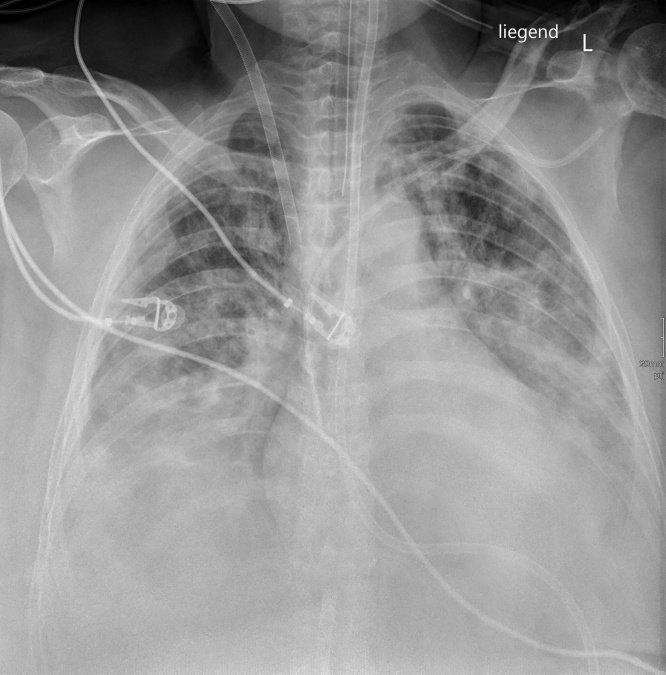
Coronavirus Disease-2019 (COVID-19) originated in the Wuhan, Hubei Province, China in November 2019 and has since been declared a pandemic by the WHO. COVID-19 is an acute infectious disease, primarily affecting the respiratory system. Currently, real-time reverse transcription polymerase chain reaction (RT-PCR) performed on respiratory specimens is considered the reference by which to diagnose COVID-19. However, the limitations of RT-PCR, specifically, the fact that it is time-consuming and inadequate for the assessment of disease severity, have affected the process of epidemiological disease containment and has taken a toll on the healthcare management chain. As the risk of infection for other patients and personnel must be kept to a minimum, the indications for imaging have to be carefully considered. Imaging is primarily performed in patients with a negative RT-PCR, but a high clinical suspicion of COVID-19, or, in patients with diagnosed COVID-19 who are suffering from moderate to severe symptoms. In this article, we review the typical imaging findings in COVID-19, the differential diagnoses, and common complications.
2019年冠状病毒病(COVID-19)于2019年11月起源于中国湖北省武汉市,此后世界卫生组织宣布其为大流行病。COVID-19是一种急性传染病,主要影响呼吸系统。目前,对呼吸道标本进行的实时逆转录聚合酶链反应(RT-PCR)被视为诊断COVID-19的参考标准。然而,RT-PCR的局限性,特别是其耗时且不足以评估疾病严重程度这一事实,影响了疫情防控进程,并给医疗管理链条带来了损失。由于必须将其他患者和医护人员的感染风险降至最低,因此必须仔细考虑影像学检查的指征。影像学检查主要针对RT-PCR阴性但临床高度怀疑COVID-19的患者,或针对已确诊COVID-19且出现中至重度症状的患者。在本文中,我们将综述COVID-19的典型影像学表现、鉴别诊断及常见并发症。