Chuang Skylar T, Cruz Siobanth, Narayanaswami Vasanthy
Department of Chemistry and Biochemistry, California State University, Long Beach, 1250 Bellflower Blvd, Long Beach, CA 90840, USA.
Nanomaterials (Basel). 2020 May 8;10(5):906. doi: 10.3390/nano10050906.
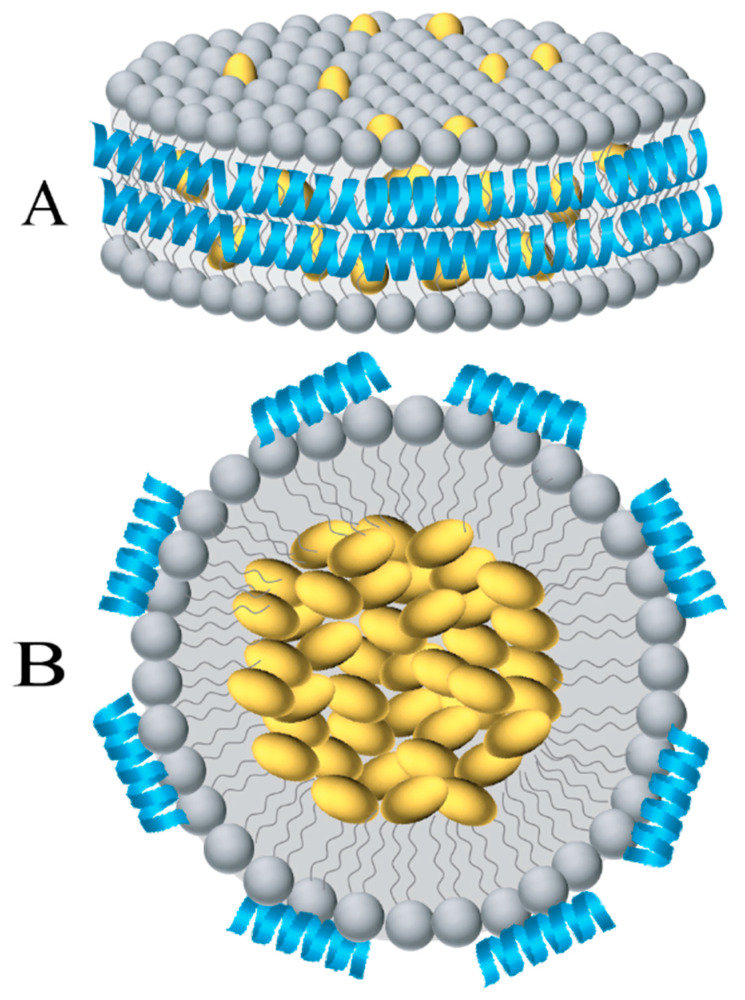
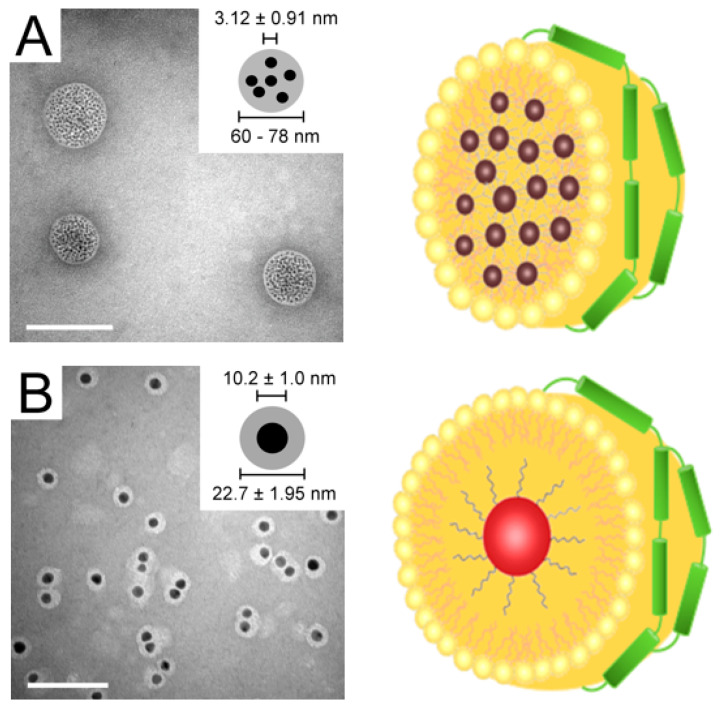
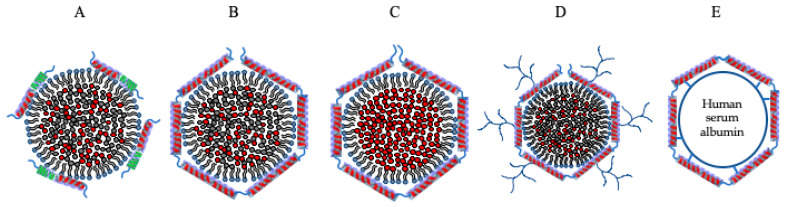
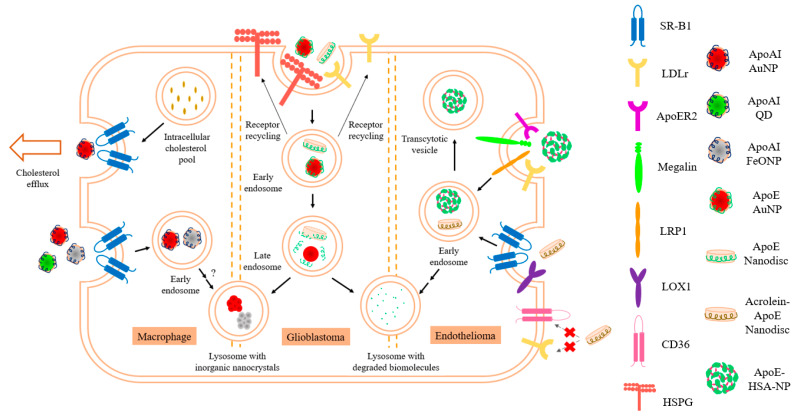
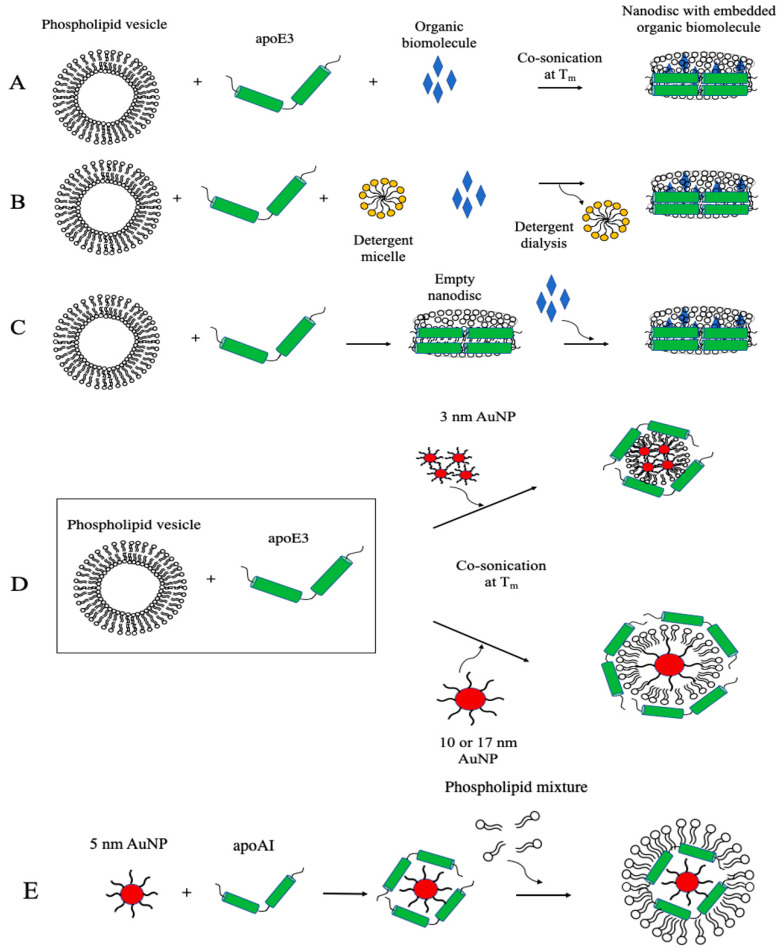
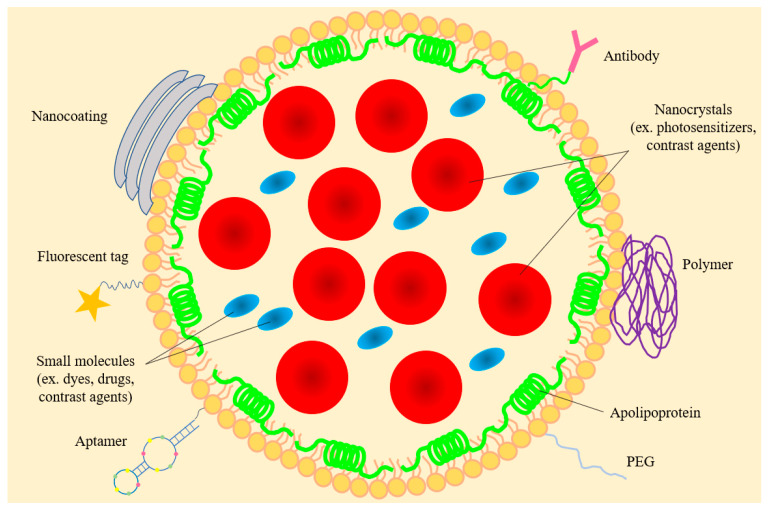
Apolipoproteins are critical structural and functional components of lipoproteins, which are large supramolecular assemblies composed predominantly of lipids and proteins, and other biomolecules such as nucleic acids. A signature feature of apolipoproteins is the preponderance of amphipathic α-helical motifs that dictate their ability to make extensive non-covalent inter- or intra-molecular helix-helix interactions in lipid-free states or helix-lipid interactions with hydrophobic biomolecules in lipid-associated states. This review focuses on the latter ability of apolipoproteins, which has been capitalized on to reconstitute synthetic nanoscale binary/ternary lipoprotein complexes composed of apolipoproteins/peptides and lipids that mimic native high-density lipoproteins (HDLs) with the goal to transport drugs. It traces the historical development of our understanding of these nanostructures and how the cholesterol accepting property of HDL has been reconfigured to develop them as drug-loading platforms. The review provides the structural perspective of these platforms with different types of apolipoproteins and an overview of their synthesis. It also examines the cargo that have been loaded into the core for therapeutic and imaging purposes. Finally, it lays out the merits and challenges associated with apolipoprotein-based nanostructures with a future perspective calling for a need to develop "zip-code"-based delivery for therapeutic and diagnostic applications.
载脂蛋白是脂蛋白的关键结构和功能成分,脂蛋白是主要由脂质、蛋白质以及核酸等其他生物分子组成的大型超分子聚集体。载脂蛋白的一个显著特征是两亲性α-螺旋基序占优势,这决定了它们在无脂状态下进行广泛的非共价分子间或分子内螺旋-螺旋相互作用的能力,以及在与脂质相关状态下与疏水性生物分子进行螺旋-脂质相互作用的能力。本综述聚焦于载脂蛋白的后一种能力,这种能力已被用于重构由载脂蛋白/肽和脂质组成的合成纳米级二元/三元脂蛋白复合物,这些复合物模拟天然高密度脂蛋白(HDL),目的是运输药物。它追溯了我们对这些纳米结构理解的历史发展,以及HDL的胆固醇接受特性如何被重新配置以将它们开发为药物装载平台。该综述提供了这些含有不同类型载脂蛋白的平台的结构视角及其合成概述。它还研究了为治疗和成像目的而装载到核心中的货物。最后,它阐述了基于载脂蛋白的纳米结构的优点和挑战,并展望未来需要开发基于“邮政编码”的递送方式用于治疗和诊断应用。