Zhang Xiao-Hua, He Xinxin, Austin Brian
MOE Key Laboratory of Marine Genetics and Breeding, College of Marine Life Sciences, Ocean University of China, Qingdao, 266003 China.
Laboratory for Marine Ecology and Environmental Science, Qingdao National Laboratory for Marine Science and Technology, Qingdao, 266237 China.
Mar Life Sci Technol. 2020;2(3):231-245. doi: 10.1007/s42995-020-00037-z. Epub 2020 Apr 3.
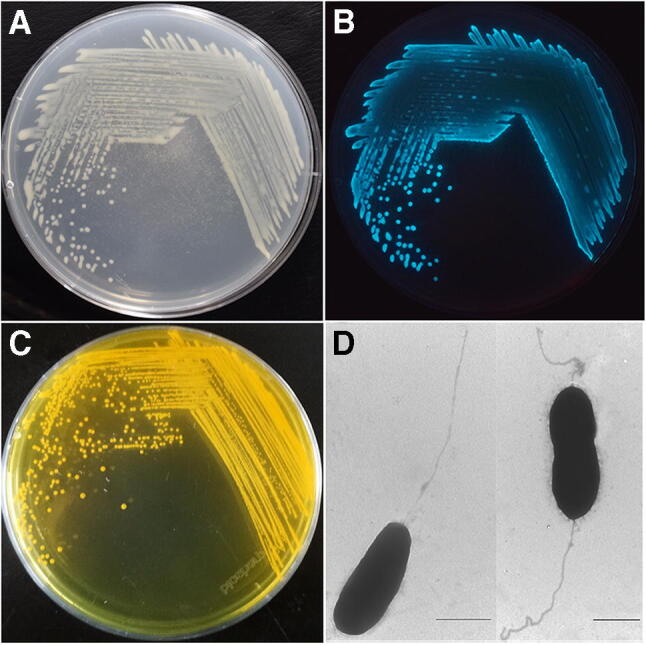
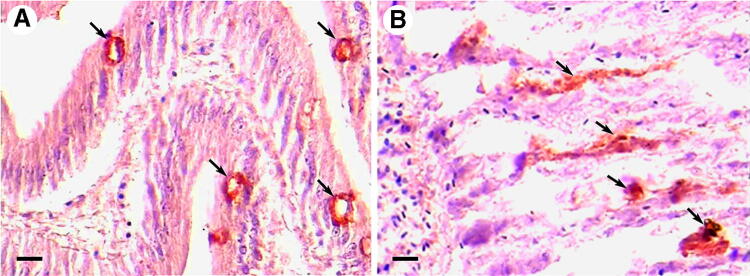
, which belongs to family of class , includes the species and as its junior synonyms. The organism is a well-recognized and serious bacterial pathogen of marine fish and invertebrates, including penaeid shrimp, in aquaculture. Diseased fish may exhibit a range of lesions, including eye lesions/blindness, gastro-enteritis, muscle necrosis, skin ulcers, and tail rot disease. In shrimp, is regarded as the etiological agent of luminous vibriosis in which affected animals glow in the dark. There is a second condition of shrimp known as where the digestive tract is filled with spheres of sloughed-off tissue. It is recognized that the pathogenicity mechanisms of may be different in fish and penaeid shrimp. In shrimp, the pathogenicity mechanisms involved the endotoxin lipopolysaccharide, and extracellular proteases, and interaction with bacteriophages. In fish, the pathogenicity mechanisms involved extracellular hemolysin (encoded by duplicate hemolysin genes), which was identified as a phospholipase B and could inactivate fish cells by apoptosis, via the caspase activation pathway. may enter the so-called viable but nonculturable (VBNC) state, and resuscitation of the VBNC cells may be an important reason for vibriosis outbreaks in aquaculture. Disease control measures center on dietary supplements (including probiotics), nonspecific immunostimulants, and vaccines and to a lesser extent antibiotics and other antimicrobial compounds.
它属于纲的 科,包括物种 和 作为其次异名。该生物体是水产养殖中海洋鱼类和无脊椎动物(包括对虾)中一种广为人知且严重的细菌病原体。患病鱼类可能表现出一系列病变,包括眼部病变/失明、肠胃炎、肌肉坏死、皮肤溃疡和尾腐病。在对虾中, 被认为是发光弧菌病的病原体,受感染的动物在黑暗中发光。对虾还有第二种病症称为 ,其中消化道充满脱落组织的球体。人们认识到, 在鱼类和对虾中的致病机制可能不同。在对虾中,致病机制涉及内毒素脂多糖、细胞外蛋白酶以及与噬菌体的相互作用。在鱼类中,致病机制涉及细胞外溶血素(由重复的溶血素基因编码),它被鉴定为磷脂酶B,可通过半胱天冬酶激活途径使鱼类细胞通过凋亡失活。 可能进入所谓的活的但不可培养(VBNC)状态,VBNC细胞的复苏可能是水产养殖中弧菌病爆发的一个重要原因。疾病控制措施集中在膳食补充剂(包括益生菌)、非特异性免疫刺激剂和疫苗,在较小程度上还包括抗生素和其他抗菌化合物。