Laboratorio de Interacoes Neuroimunes, Departamento de Imunologia - ICB IV, Universidade de Sao Paulo (USP), Sao Paulo, SP, BR.
Plataforma Cientifica Pasteur-USP, Universidade de Sao Paulo (USP), Sao Paulo, SP, BR.
Clinics (Sao Paulo). 2020;75:e1912. doi: 10.6061/clinics/2020/e1912. Epub 2020 May 15.
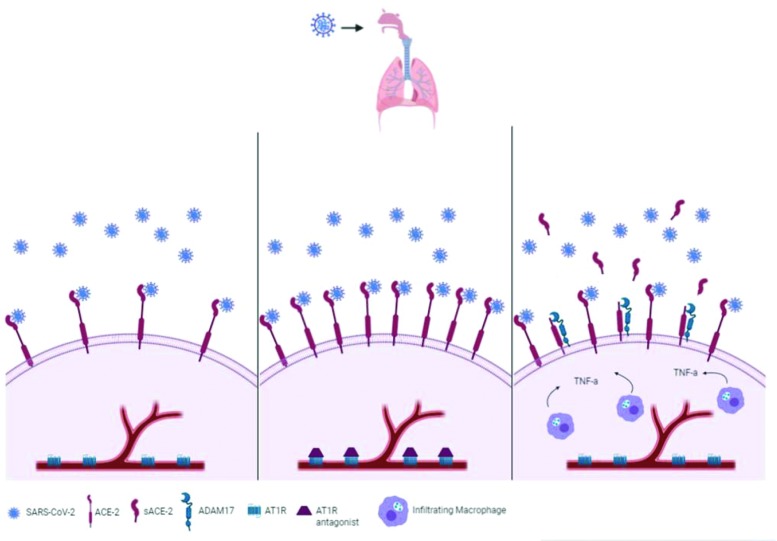
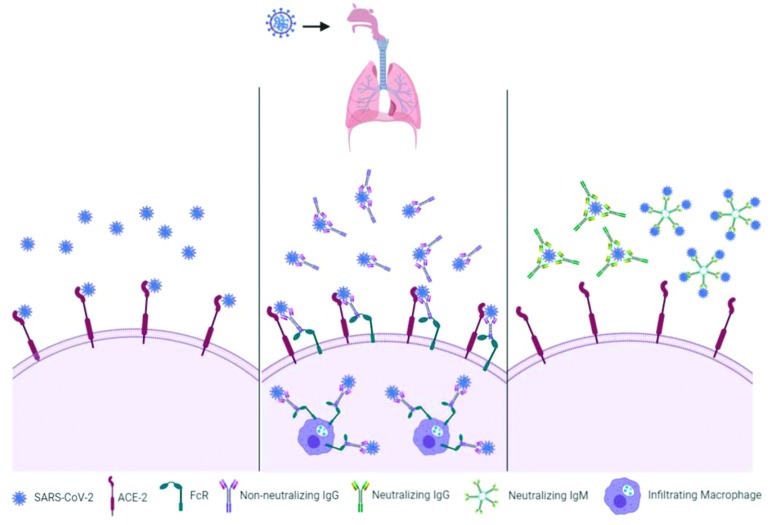
The world is currently facing a serious SARS-CoV-2 infection pandemic. This virus is a new isolate of coronavirus, and the current infection crisis has surpassed the SARS and MERS epidemics that occurred in 2002 and 2013, respectively. SARS-CoV-2 has currently infected more than 142,000 people, causing 5,000 deaths and spreading across more than 130 countries worldwide. The spreading capacity of the virus clearly demonstrates the potential threat of respiratory viruses to human health, thereby reiterating to the governments around the world that preventive health policies and scientific research are pivotal to overcoming the crisis. Coronavirus disease (COVID-19) causes flu-like symptoms in most cases. However, approximately 15% of the patients need hospitalization, and 5% require assisted ventilation, depending on the cohorts studied. What is intriguing, however, is the higher susceptibility of the elderly, especially individuals who are older than 60 years of age, and have comorbidities, including hypertension, diabetes, and heart disease. In fact, the death rate in this group may be up to 10-12%. Interestingly, children are somehow less susceptible and are not considered as a risk group. Therefore, in this review, we discuss some possible molecular and cellular mechanisms by virtue of which the elderly subjects may be more susceptible to severe COVID-19. Toward this, we raise two main points, i) increased ACE-2 expression in pulmonary and heart tissues in users of chronic angiotensin 1 receptor (AT1R) blockers; and ii) antibody-dependent enhancement (ADE) after previous exposure to other circulating coronaviruses. We believe that these points are pivotal for a better understanding of the pathogenesis of severe COVID-19, and must be carefully addressed by physicians and scientists in the field.
目前,全球正面临严重的严重急性呼吸综合征冠状病毒 2 型(SARS-CoV-2)感染大流行。该病毒是一种新型冠状病毒,目前的感染危机已经超过了分别于 2002 年和 2013 年爆发的严重急性呼吸综合征(SARS)和中东呼吸综合征(MERS)。截至目前,SARS-CoV-2 已感染超过 14.2 万人,造成 5000 人死亡,并在全球 130 多个国家传播。病毒的传播能力清楚地表明,呼吸道病毒对人类健康存在潜在威胁,这再次向全球各国政府表明,预防政策和科学研究对于克服危机至关重要。在大多数情况下,冠状病毒病(COVID-19)会引起类似流感的症状。然而,根据研究的患者群体,约有 15%的患者需要住院治疗,5%的患者需要辅助通气。有趣的是,老年人,特别是 60 岁以上且患有高血压、糖尿病和心脏病等合并症的人群,感染风险更高。事实上,该组的死亡率可能高达 10-12%。有趣的是,儿童的感染风险较低,不被视为高危人群。因此,在这篇综述中,我们讨论了一些可能的分子和细胞机制,这些机制使老年人更容易感染严重的 COVID-19。基于此,我们提出了两个主要观点:i)慢性血管紧张素 1 受体(AT1R)阻滞剂使用者的肺部和心脏组织中 ACE-2 表达增加;ii)先前暴露于其他循环冠状病毒后产生的抗体依赖性增强(ADE)。我们认为,这些观点对于更好地理解严重 COVID-19 的发病机制至关重要,并且必须引起该领域的医生和科学家的重视。