School of Biological and Chemical Sciences, Queen Mary University of London, Mile End Road, London, E1 4NS, UK.
Medical Research Council Mitochondrial Biology Unit, University of Cambridge, Cambridge, CB2 0XY, UK.
BMC Biol. 2020 May 20;18(1):54. doi: 10.1186/s12915-020-00768-6.
For decades, semiquinone intermediates have been suggested to play an essential role in catalysis by one of the most enigmatic proton-pumping enzymes, respiratory complex I, and different mechanisms have been proposed on their basis. However, the difficulty in investigating complex I semiquinones, due to the many different enzymes embedded in the inner mitochondrial membrane, has resulted in an ambiguous picture and no consensus.
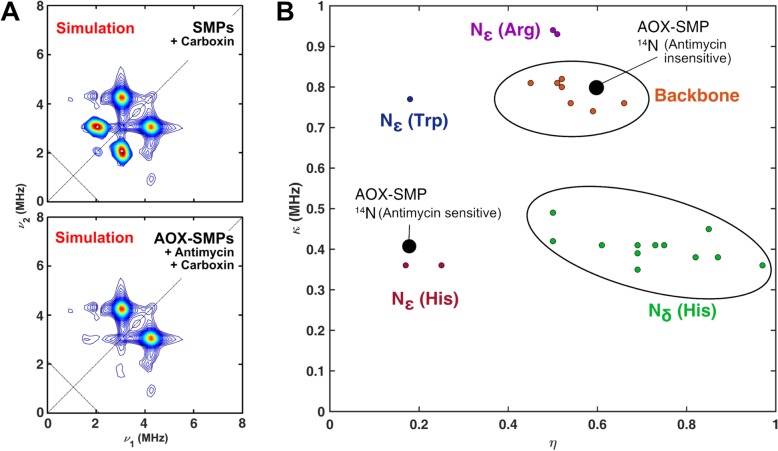
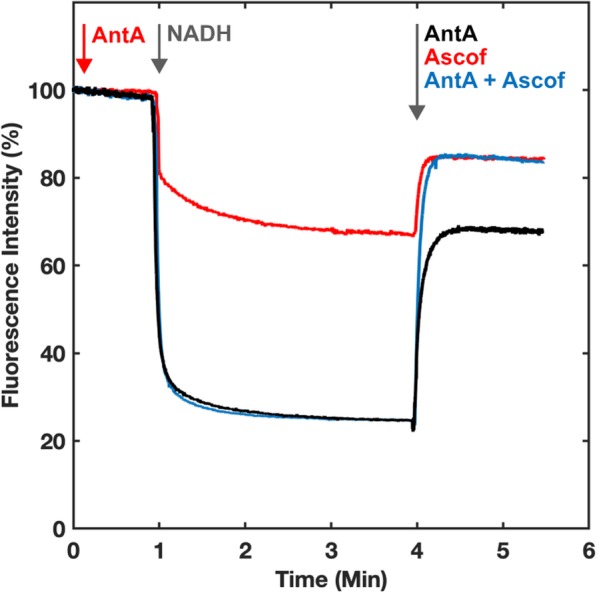
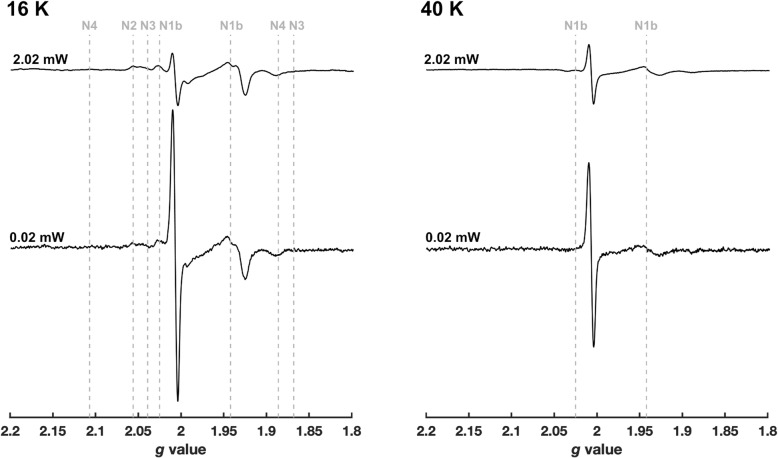
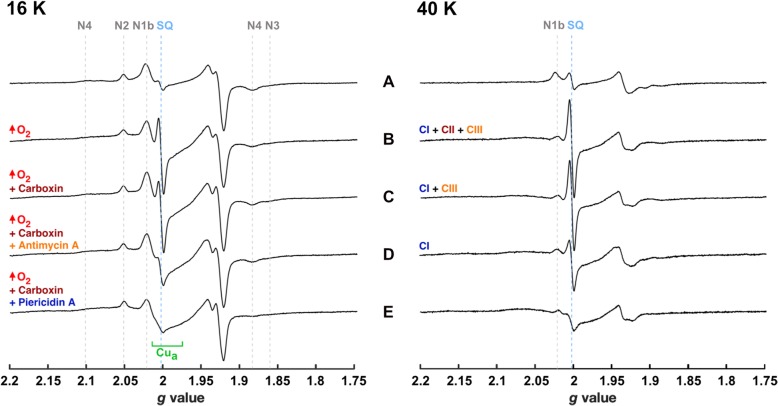
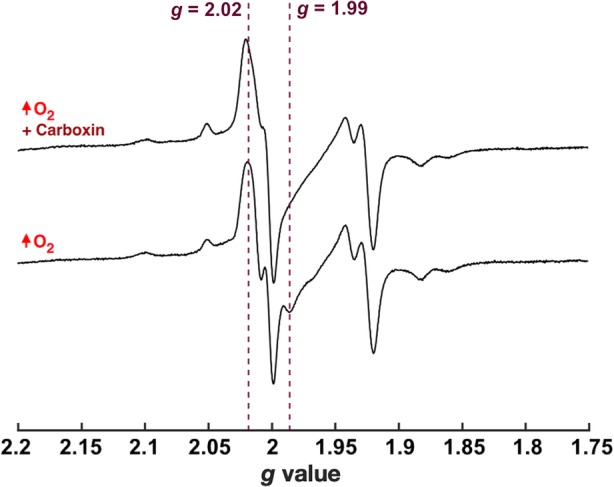
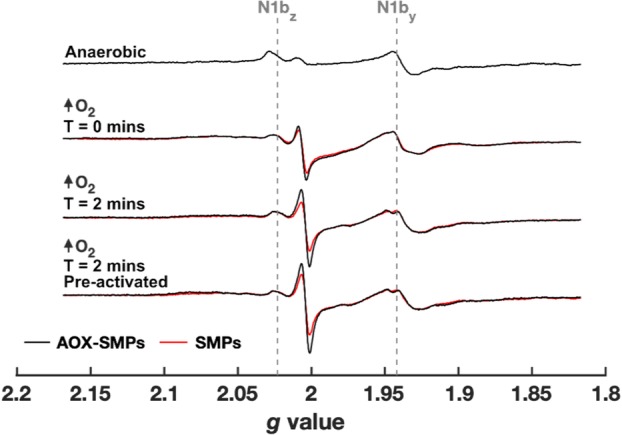
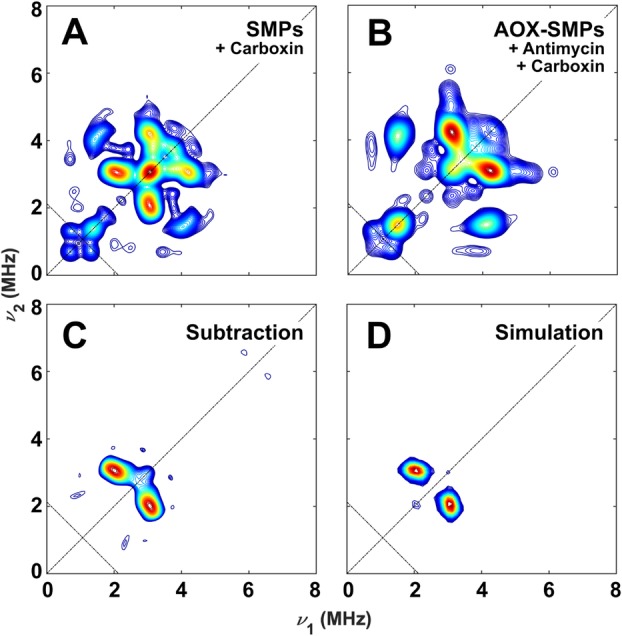
In this paper, we re-examine the highly debated origin of semiquinone species in mitochondrial membranes using a novel approach. Our combination of a semi-artificial chimeric respiratory chain with pulse EPR spectroscopy (HYSCORE) has enabled us to conclude, unambiguously and for the first time, that the majority of the semiquinones observed in mitochondrial membranes originate from complex III. We also identify a minor contribution from complex II.
We are unable to attribute any semiquinone signals unambiguously to complex I and, reconciling our observations with much of the previous literature, conclude that they are likely to have been misattributed to it. We note that, for this earlier work, the tools we have relied on here to deconvolute overlapping EPR signals were not available. Proposals for the mechanism of complex I based on the EPR signals of semiquinone species observed in mitochondrial membranes should thus be treated with caution until future work has succeeded in isolating any complex I semiquinone EPR spectroscopic signatures present.
几十年来,人们一直认为半醌中间体在最神秘的质子泵酶之一——呼吸复合物 I 的催化中发挥着重要作用,并基于此提出了不同的机制。然而,由于嵌入在内膜中的许多不同的酶,研究复合物 I 半醌变得非常困难,导致结果模棱两可,没有共识。
在本文中,我们使用一种新的方法重新研究了线粒体膜中备受争议的半醌物种的起源。我们将半人工嵌合呼吸链与脉冲 EPR 光谱(HYSCORE)相结合,能够首次明确地得出结论,即在观察到的线粒体膜中的大多数半醌物质来自复合物 III。我们还确定了复合物 II 的少量贡献。
我们无法明确地将任何半醌信号归因于复合物 I,并且将我们的观察结果与大量先前的文献进行协调,得出结论认为它们很可能被错误地归因于复合物 I。我们注意到,对于这项早期工作,我们在这里用来分解重叠 EPR 信号的工具不可用。因此,基于在线粒体膜中观察到的半醌物种的 EPR 信号提出的复合物 I 机制的建议,应该谨慎对待,直到未来的工作成功分离出任何存在的复合物 I 半醌 EPR 光谱特征。