School of Pharmacy, Mongolian National University of Medical Sciences, S. Zorig street, Ulaanbaatar, Sukhbaatar District, 14210, Mongolia.
School of Pharmacy, Curtin University of Technology, GPO Box U1987, Perth, 6845, Western Australia.
BMC Public Health. 2020 May 20;20(1):743. doi: 10.1186/s12889-020-08897-x.
High prevalence of falsified, counterfeit and substandard medicines pose a threat to public health and treatment failure. This study aimed to investigate the quality of selected essential medicines available in Mongolia.
A cross-sectional study collected essential medicines from pharmacy outlets in Mongolia, during June and July, 2017. These products were then submitted for pharmacopoeial analysis and registration status.
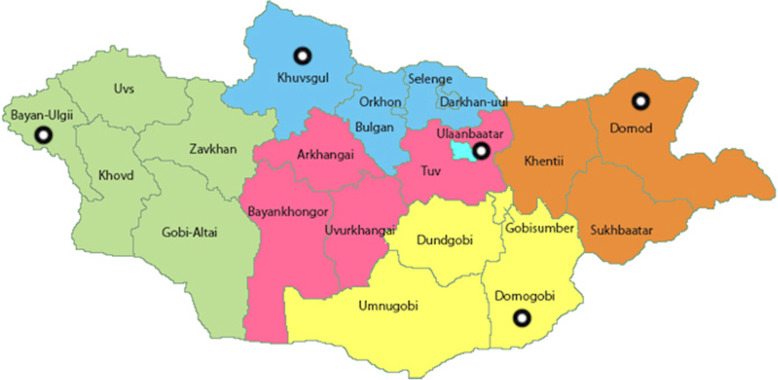
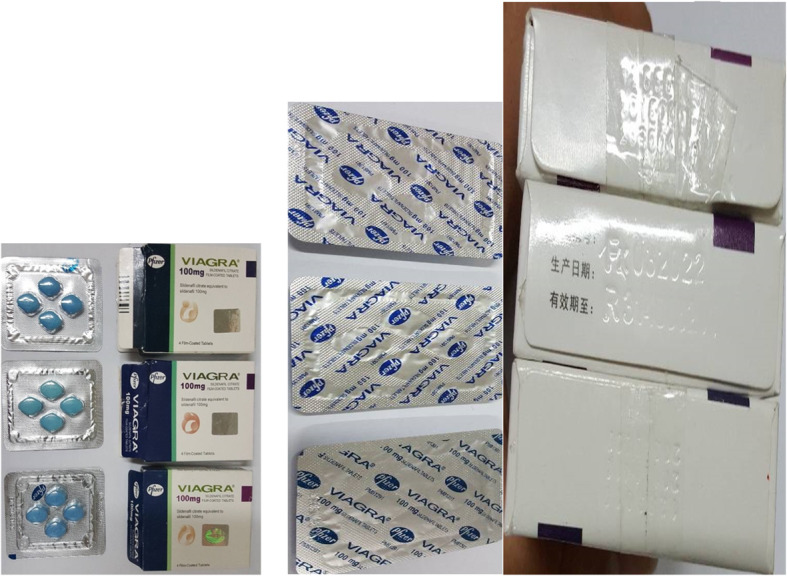
A total of 1770 samples from 118 pharmacy entities were purchased from wholesalers in urban and rural areas. Pharmacopoeial analysis found 179 (10.1%) samples or eleven product groups were unacceptable. The prevalence of substandard locally produced medicines (n = 105, 5.9%) was higher than imported equivalents [(n = 74, 4.17%, p = 0.0001)]. Approximately one-third of all unacceptable tests were related to assay (n = 73, 30.8%) and weight variation. Of 1770 samples, 76 (4.3%) were unregistered and the prevalence of unregistered samples was 3.8% in Ulaanbaatar city and 5.8% in rural areas, respectively.
This study has indicated that falsified and substandard medicines are prevalent in Mongolia. Considerable effort is required by regulatory authorities, private manufacturers, as well as importers to increase the quality of essential medicines in Mongolia.
假药、伪劣药和劣药的高流行率对公众健康和治疗失败构成威胁。本研究旨在调查蒙古现有选定基本药物的质量。
本横断面研究于 2017 年 6 月至 7 月从蒙古的药店采集基本药物。然后对这些产品进行药典分析和注册状态评估。
从城乡批发商处购买了来自 118 家药店实体的 1770 个样本。药典分析发现有 179 个(10.1%)样本或 11 个产品组不合格。不合格国产药品(n=105,5.9%)的流行率高于进口同类药品(n=74,4.17%,p=0.0001)。大约三分之一的不合格检测与含量测定(n=73,30.8%)和重量变化有关。在 1770 个样本中,有 76 个(4.3%)未注册,乌兰巴托市的未注册样本比例为 3.8%,农村地区为 5.8%。
本研究表明,假药和劣药在蒙古很普遍。监管机构、私营制造商以及进口商都需要做出巨大努力,以提高蒙古的基本药物质量。