Antunes Geiza Fernanda, Gouveia Flavia Venetucci, Rezende Fabiana Strambio, Seno Midiã Dias de Jesus, de Carvalho Milene Cristina, de Oliveira Caroline Cruz, Dos Santos Lennon Cardoso Tosati, de Castro Marina Correia, Kuroki Mayra Akemi, Teixeira Manoel Jacobsen, Otoch José Pinhata, Brandao Marcus Lira, Fonoff Erich Talamoni, Martinez Raquel Chacon Ruiz
Division of Neuroscience, Hospital Sirio-Libanes, Sao Paulo, Brazil.
University of Sao Paulo and Institute of Neuroscience and Behavior (INeC), Campus USP, Ribeirao Preto, Brazil.
Neurobiol Stress. 2020 Apr 8;12:100219. doi: 10.1016/j.ynstr.2020.100219. eCollection 2020 May.
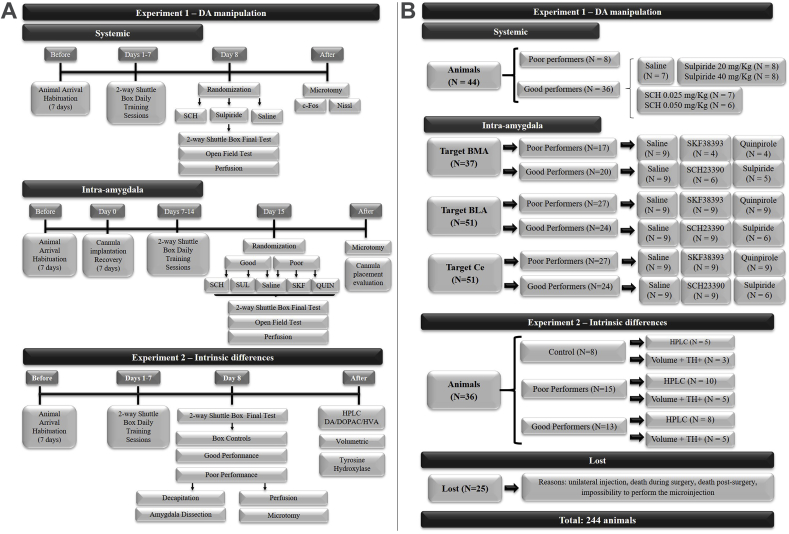
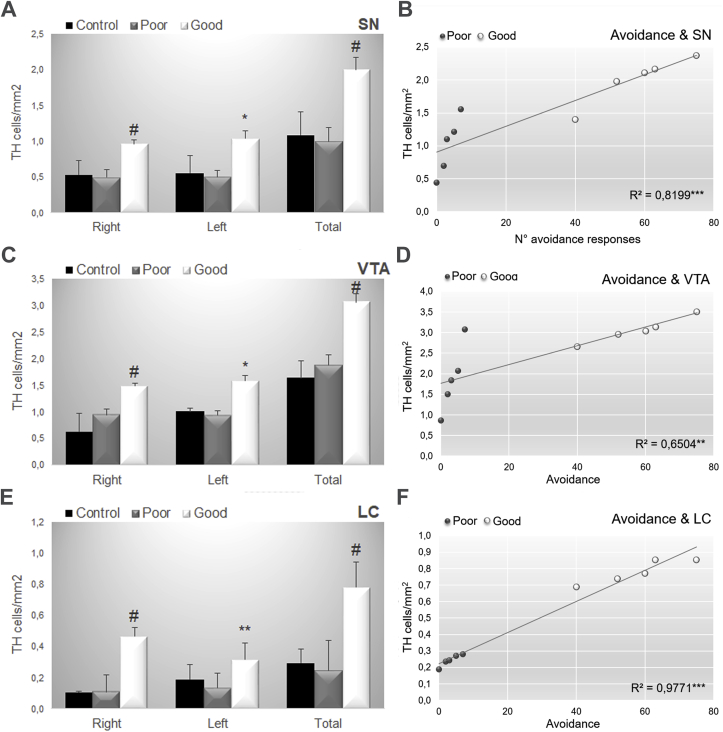
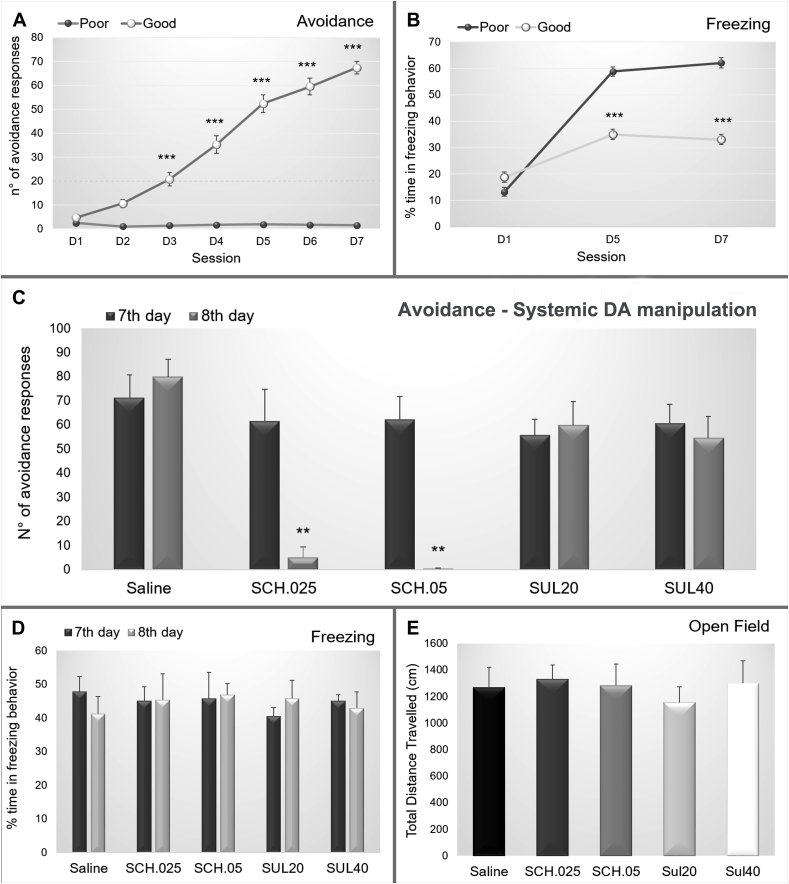
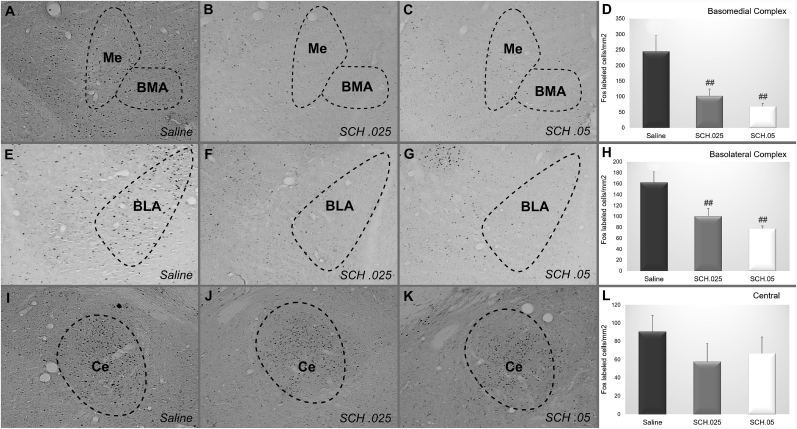
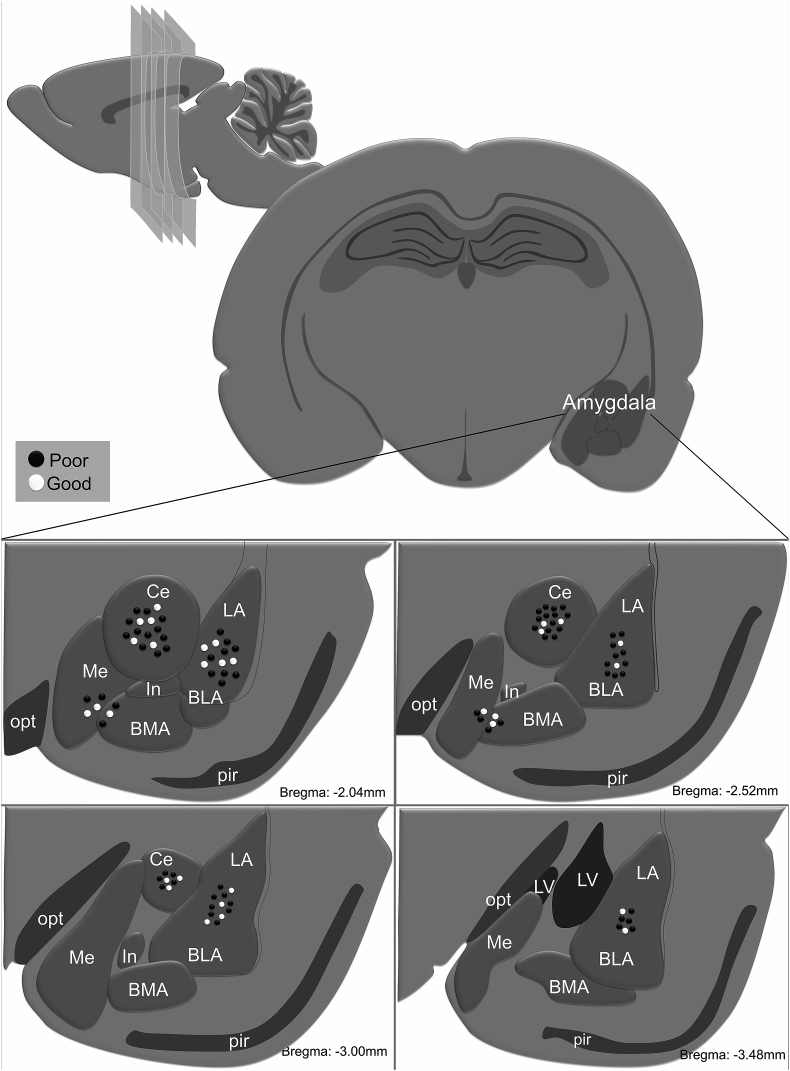
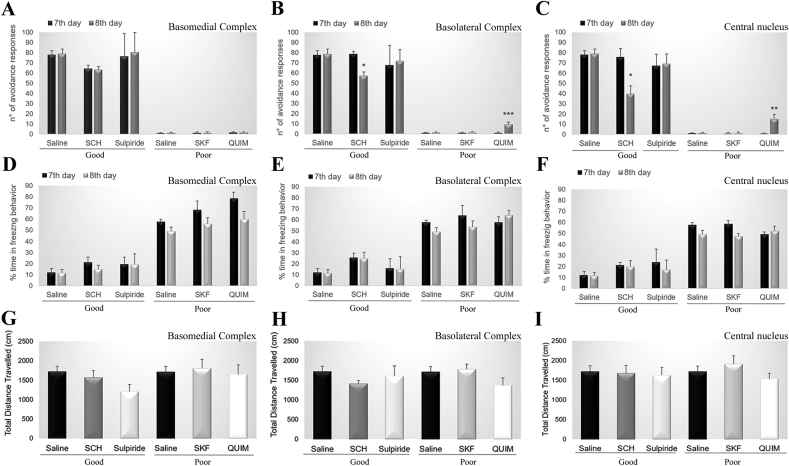
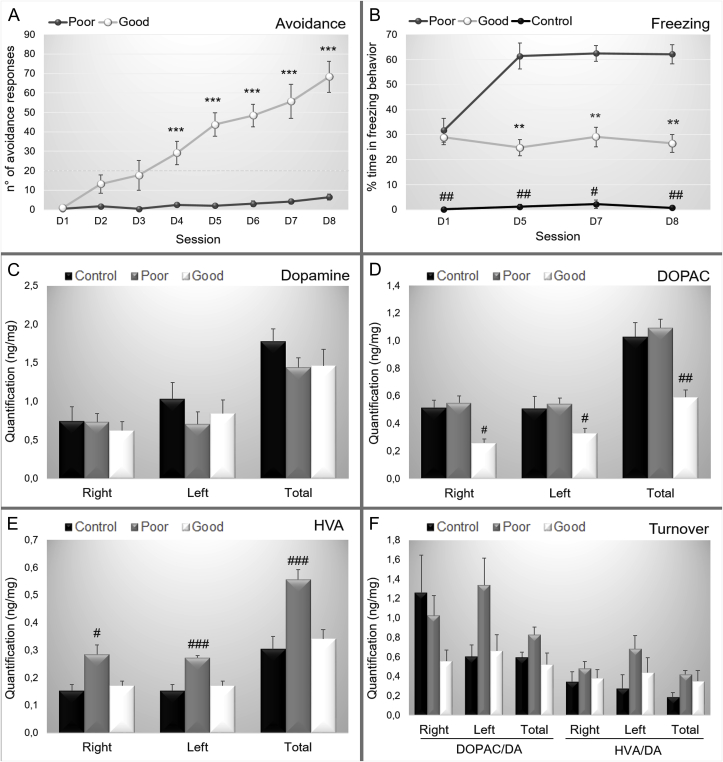
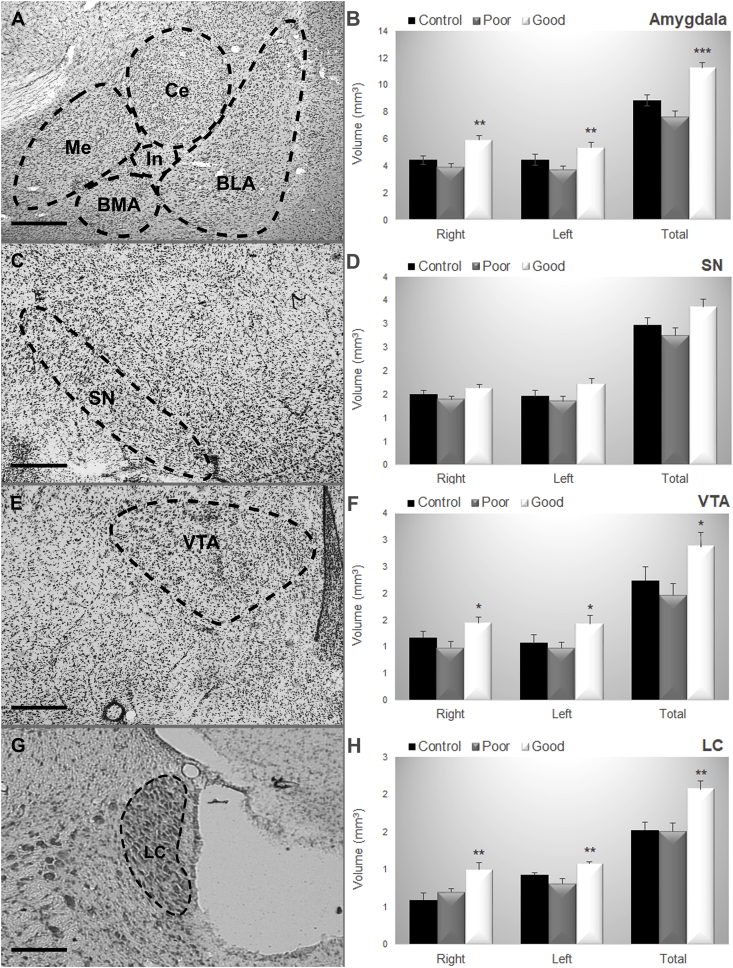
Avoidance behavior is a hallmark in pathological anxiety disorders and results in impairment of daily activities. Individual differences in avoidance responses are critical in determining vulnerability or resistance to anxiety disorders. Dopaminergic activation is implicated in the processing of avoidance responses; however, the mechanisms underlying these responses are unknown. In this sense, we used a preclinical model of avoidance behavior to investigate the possibility of an intrinsic differential dopaminergic pattern between good and poor performers. The specific goal was to assess the participation of dopamine (DA) through pharmacological manipulation, and we further evaluated the effects of systemic injections of the dopaminergic receptor type 1 (D1 antagonist - SCH23390) and dopaminergic receptor type 2 (D2 antagonist - sulpiride) antagonists in the good performers. Additionally, we evaluated the effects of intra-amygdala microinjection of a D1 antagonist (SCH23390) and a D2 antagonist (sulpiride) in good performers as well as intra-amygdala microinjection of a D1 agonist (SKF38393) and D2 agonist (quinpirole) in poor performers. Furthermore, we quantified the contents of dopamine and metabolites (3,4-dihydroxyphenylacetic acid (DOPAC) and homovanillic acid (HVA)) in the amygdala, evaluated the basal levels of tyrosine hydroxylase expression (catecholamine synthesis enzyme) and measured the volume of the substantia nigra, ventral tegmental area and locus coeruleus. Our results showed that it could be possible to convert animals from good to poor performers, and vice versa, by intra-amygdala (basolateral and central nucleus) injections of D1 receptor antagonists in good performers or D2 receptor agonists in poor performers. Additionally, the good performers had lower levels of DOPAC and HVA in the amygdala, an increase in the total volume of the amygdala (AMG), substantia nigra (SN), ventral tegmental area (VTA) and locus coeruleus (LC), and an increase in the number of tyrosine hydroxylase-positive cells in SN, VTA and LC, which positively correlates with the avoidance behavior. Taken together, our data show evidence for a dopaminergic signature of avoidance performers, emphasizing the role of distinct dopaminergic receptors in individual differences in avoidance behavior based on pharmacological, immunohistochemical, neurochemical and volumetric analyses. Our findings provide a better understanding of the role of the dopaminergic system in the execution of avoidance behavior.
回避行为是病理性焦虑障碍的一个标志,会导致日常活动受损。回避反应的个体差异对于确定焦虑症的易感性或抵抗力至关重要。多巴胺能激活与回避反应的处理有关;然而,这些反应背后的机制尚不清楚。从这个意义上说,我们使用了一种回避行为的临床前模型来研究表现良好者和表现不佳者之间内在多巴胺能模式差异的可能性。具体目标是通过药理学操作评估多巴胺(DA)的参与情况,我们进一步评估了对表现良好者全身注射1型多巴胺能受体拮抗剂(D1拮抗剂 - SCH23390)和2型多巴胺能受体拮抗剂(D2拮抗剂 - 舒必利)的效果。此外,我们评估了对表现良好者杏仁核内微量注射D1拮抗剂(SCH23390)和D2拮抗剂(舒必利)的效果,以及对表现不佳者杏仁核内微量注射D1激动剂(SKF38393)和D2激动剂(喹吡罗)的效果。此外,我们量化了杏仁核中多巴胺及其代谢产物(3,4 - 二羟基苯乙酸(DOPAC)和高香草酸(HVA))的含量,评估了酪氨酸羟化酶表达(儿茶酚胺合成酶)的基础水平,并测量了黑质、腹侧被盖区和蓝斑的体积。我们的结果表明,通过对表现良好者杏仁核内(基底外侧核和中央核)注射D1受体拮抗剂或对表现不佳者注射D2受体激动剂,有可能将动物从表现良好者转变为表现不佳者,反之亦然。此外,表现良好者杏仁核中的DOPAC和HVA水平较低,杏仁核(AMG)、黑质(SN)、腹侧被盖区(VTA)和蓝斑(LC)的总体积增加,并且SN、VTA和LC中酪氨酸羟化酶阳性细胞的数量增加,这与回避行为呈正相关。综上所述,我们的数据显示了回避行为执行者多巴胺能特征的证据,基于药理学、免疫组织化学、神经化学和体积分析强调了不同多巴胺能受体在回避行为个体差异中的作用。我们的研究结果为更好地理解多巴胺能系统在回避行为执行中的作用提供了依据。