Department of Chemical and Systems Biology, Stanford University School of Medicine, 318 Campus Drive, Stanford, CA 94305-5441, USA.
Institute of Molecular Cancer Research, University of Zurich, Zurich, Switzerland.
Mol Cell. 2020 Jun 18;78(6):1237-1251.e7. doi: 10.1016/j.molcel.2020.04.031. Epub 2020 May 21.
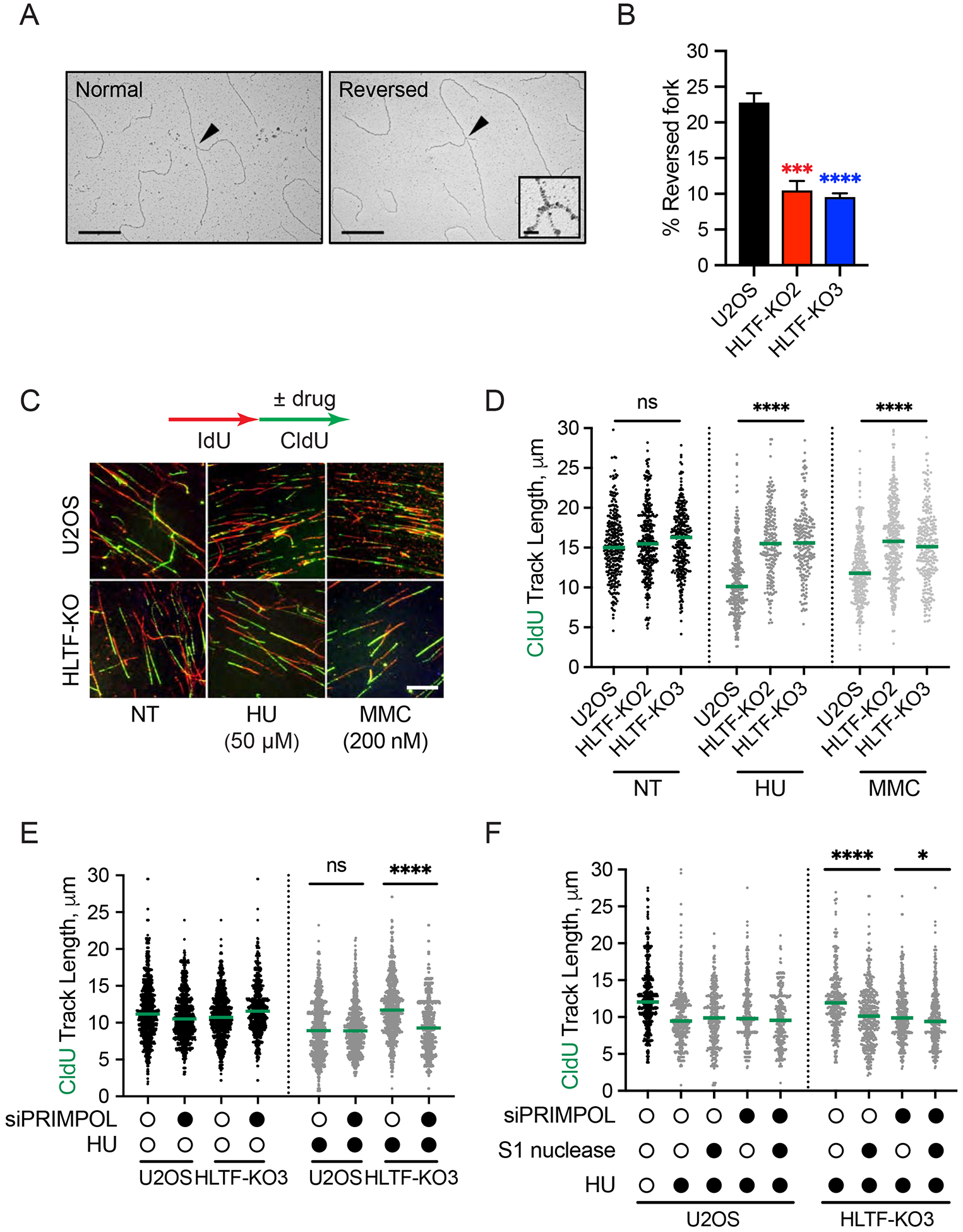
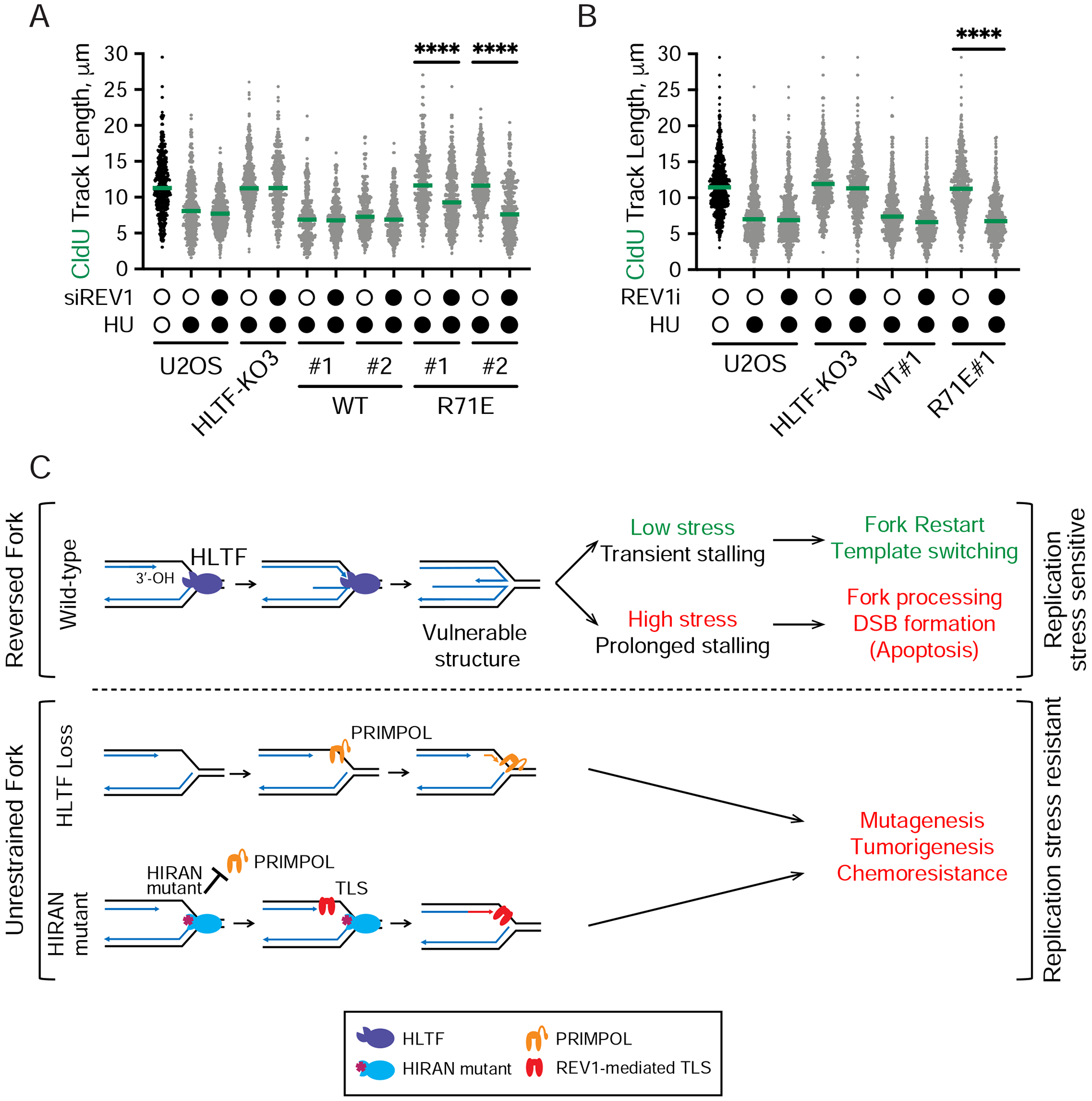
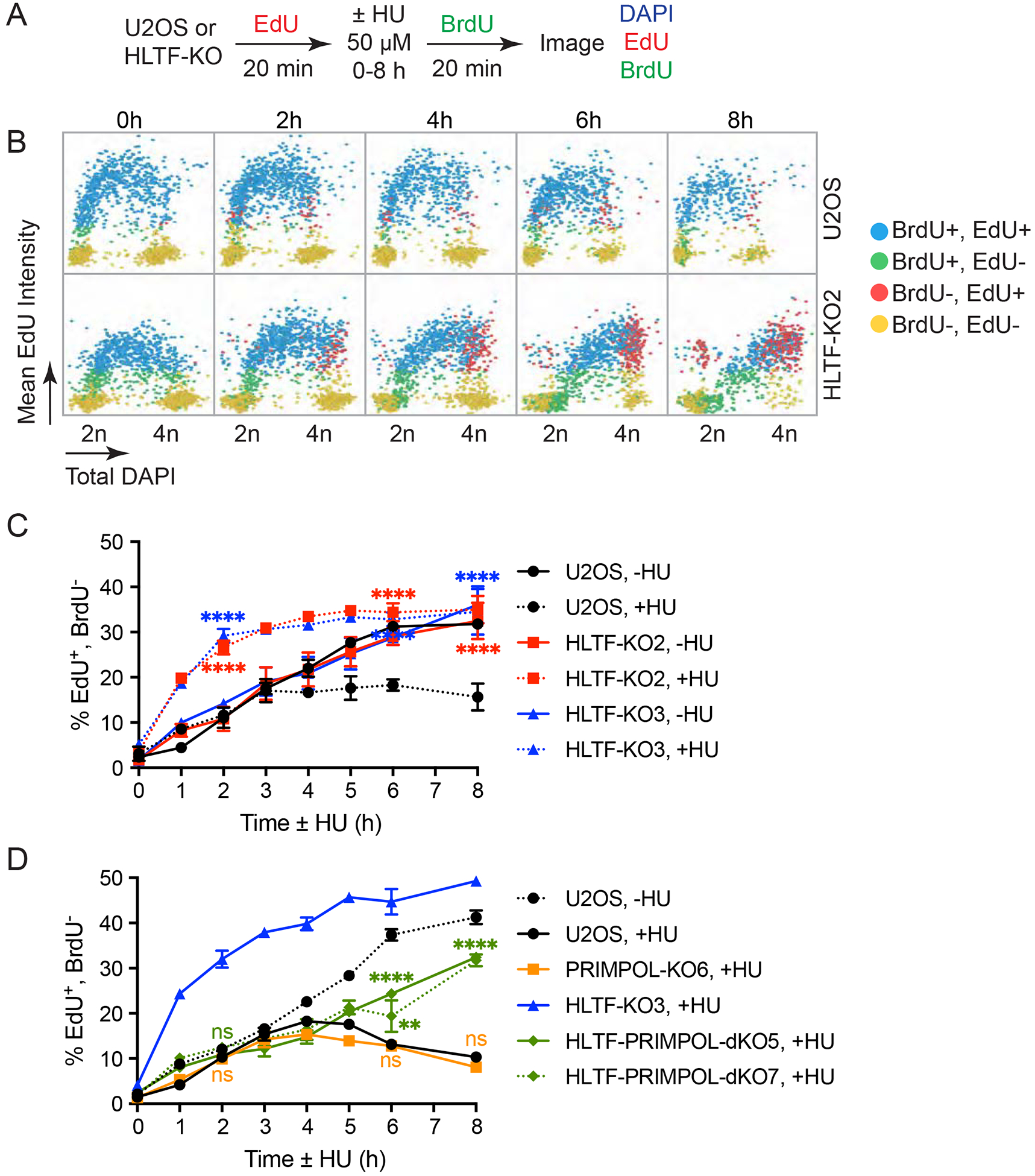
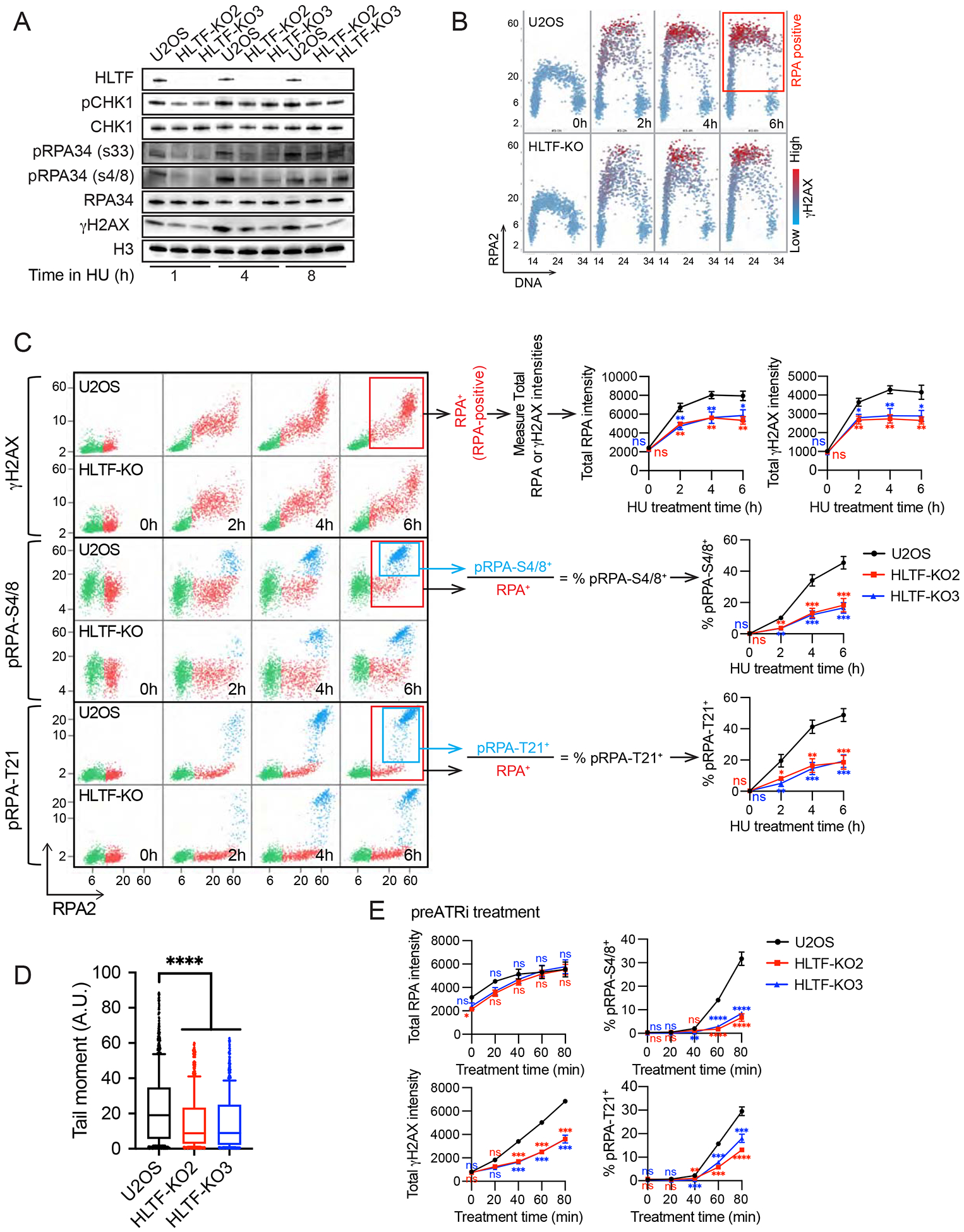
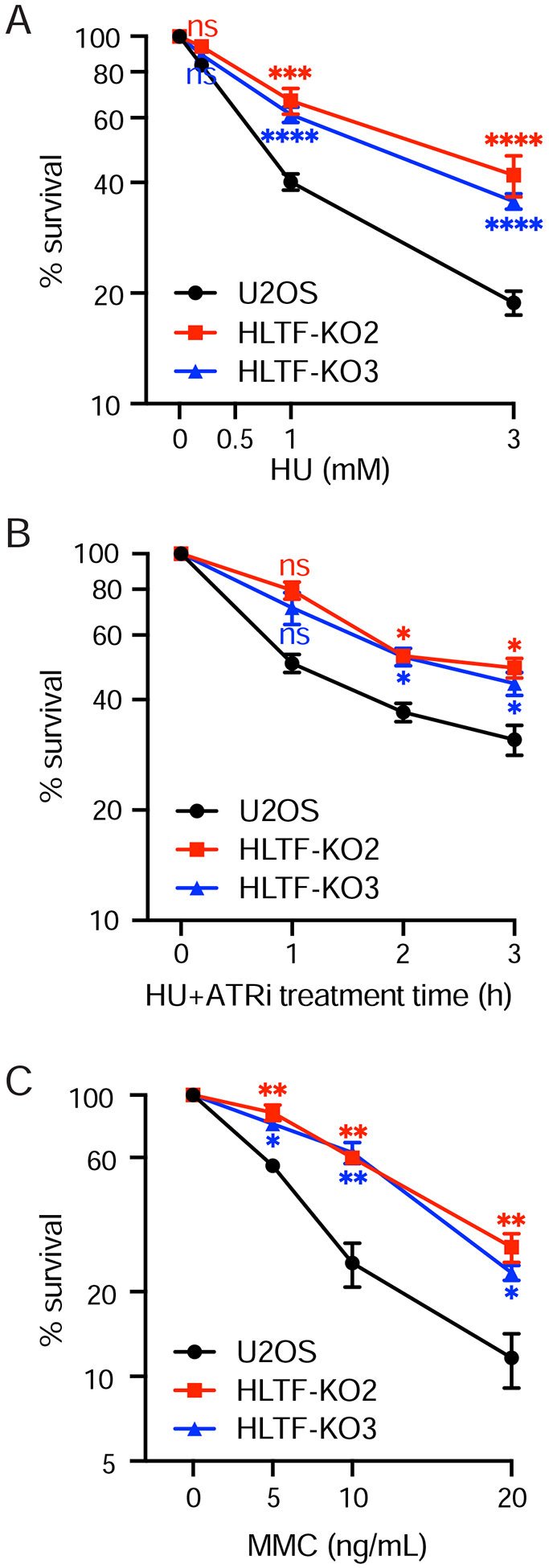
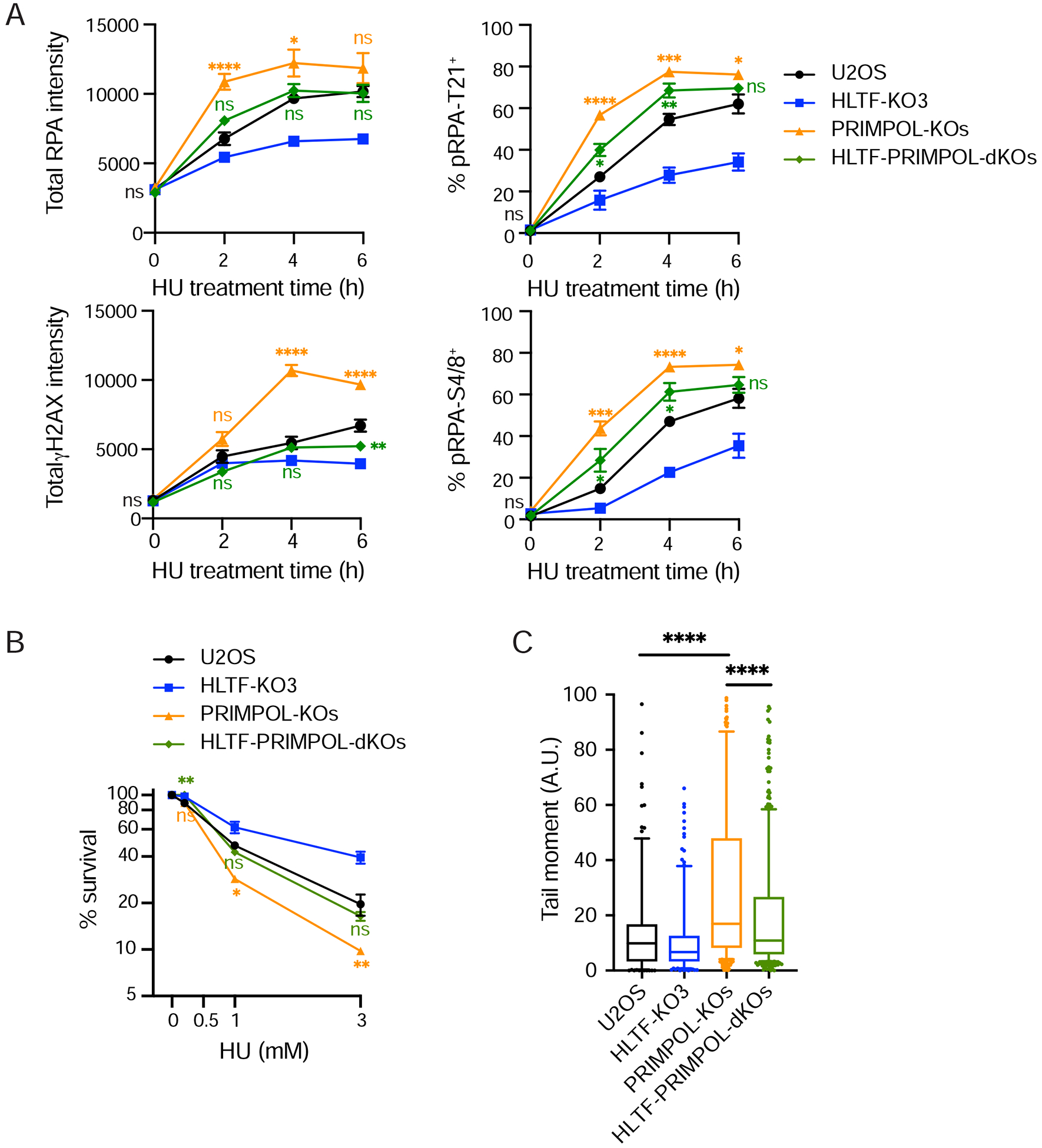
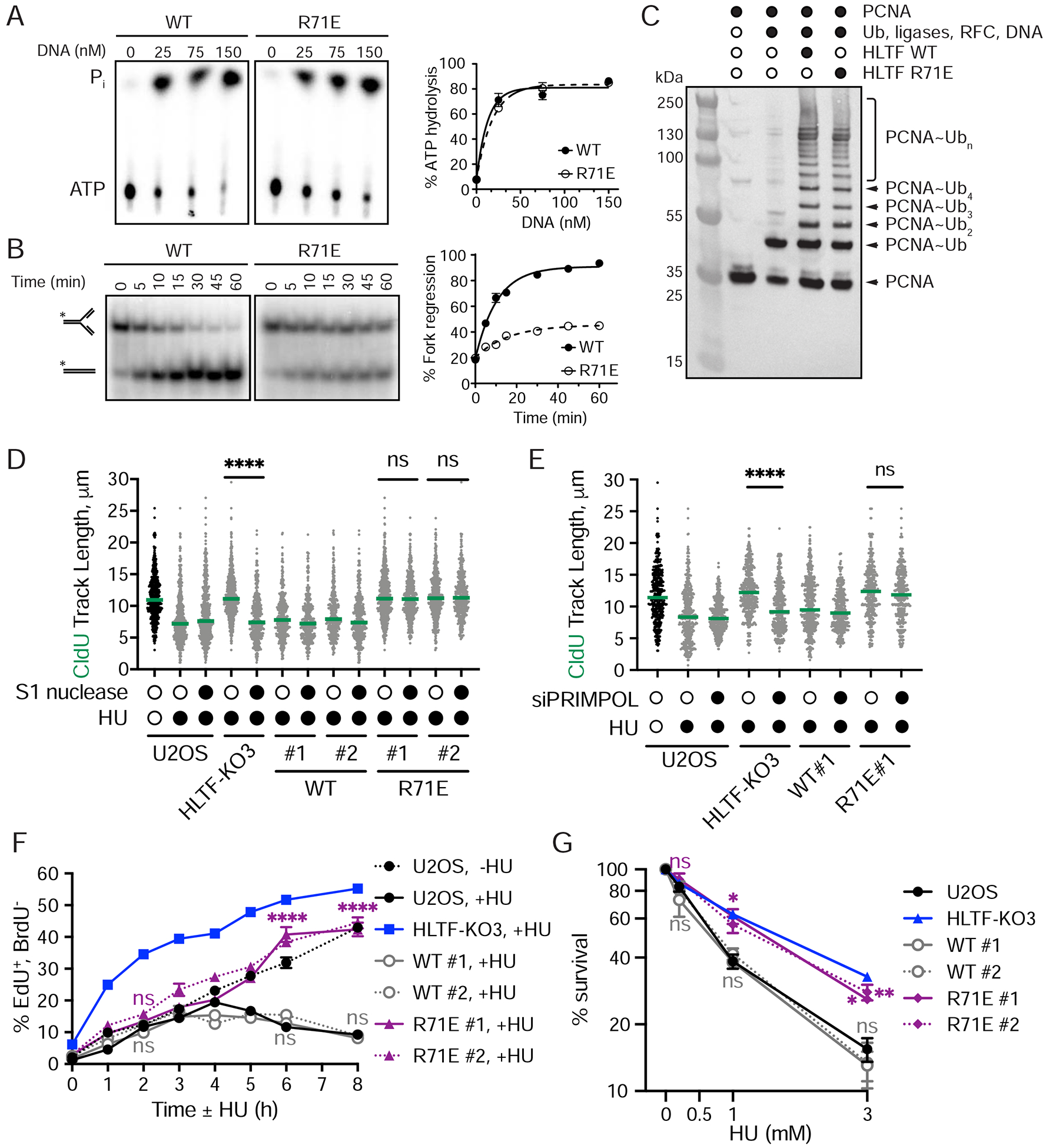
DNA replication stress can stall replication forks, leading to genome instability. DNA damage tolerance pathways assist fork progression, promoting replication fork reversal, translesion DNA synthesis (TLS), and repriming. In the absence of the fork remodeler HLTF, forks fail to slow following replication stress, but underlying mechanisms and cellular consequences remain elusive. Here, we demonstrate that HLTF-deficient cells fail to undergo fork reversal in vivo and rely on the primase-polymerase PRIMPOL for repriming, unrestrained replication, and S phase progression upon limiting nucleotide levels. By contrast, in an HLTF-HIRAN mutant, unrestrained replication relies on the TLS protein REV1. Importantly, HLTF-deficient cells also exhibit reduced double-strand break (DSB) formation and increased survival upon replication stress. Our findings suggest that HLTF promotes fork remodeling, preventing other mechanisms of replication stress tolerance in cancer cells. This remarkable plasticity of the replication fork may determine the outcome of replication stress in terms of genome integrity, tumorigenesis, and response to chemotherapy.
DNA 复制压力会使复制叉停滞,导致基因组不稳定。DNA 损伤容忍途径有助于叉的推进,促进复制叉反转、跨损伤 DNA 合成(TLS)和重新引发。在没有叉重构酶 HLTF 的情况下,复制叉在复制压力后无法减速,但潜在的机制和细胞后果仍然难以捉摸。在这里,我们证明 HLTF 缺陷细胞在体内无法进行叉反转,并且在限制核苷酸水平时依赖于引物酶-聚合酶 PRIMPOL 进行重新引发、无限制的复制和 S 期进程。相比之下,在 HLTF-HIRAN 突变体中,无限制的复制依赖于 TLS 蛋白 REV1。重要的是,HLTF 缺陷细胞在复制压力下还表现出双链断裂(DSB)形成减少和存活增加。我们的发现表明,HLTF 促进了叉的重构,防止了癌细胞中其他复制压力容忍机制的发生。这种复制叉的显著可塑性可能决定了复制压力在基因组完整性、肿瘤发生和对化疗的反应方面的结果。