Scott Jonathan M, Arani Arvin, Manduca Armando, McGee Kiaran P, Trzasko Joshua D, Huston John, Ehman Richard L, Murphy Matthew C
Mayo Clinic Medical Scientist Training Program, 200 First Street SW, Rochester 55905, MN, USA.
Department of Radiology, Mayo Clinic College of Medicine, 200 First Street SW, Rochester 55905, MN, USA.
Med Image Anal. 2020 Jul;63:101710. doi: 10.1016/j.media.2020.101710. Epub 2020 Apr 22.
To test the hypothesis that removing the assumption of material homogeneity will improve the spatial accuracy of stiffness estimates made by Magnetic Resonance Elastography (MRE).
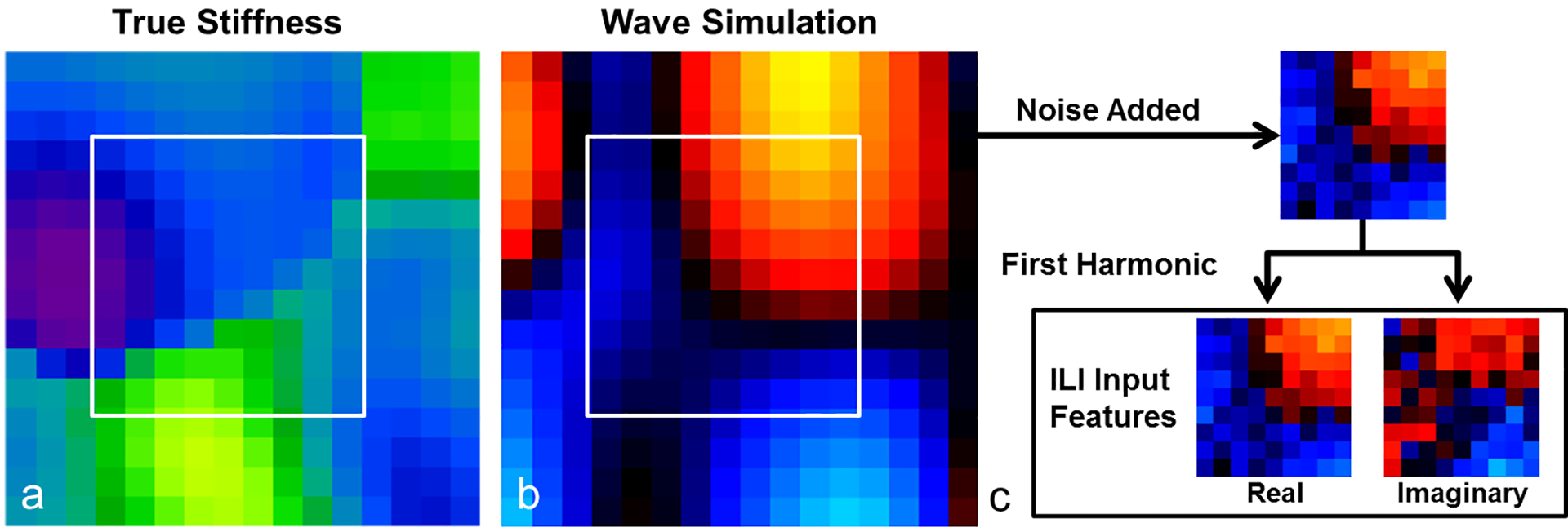
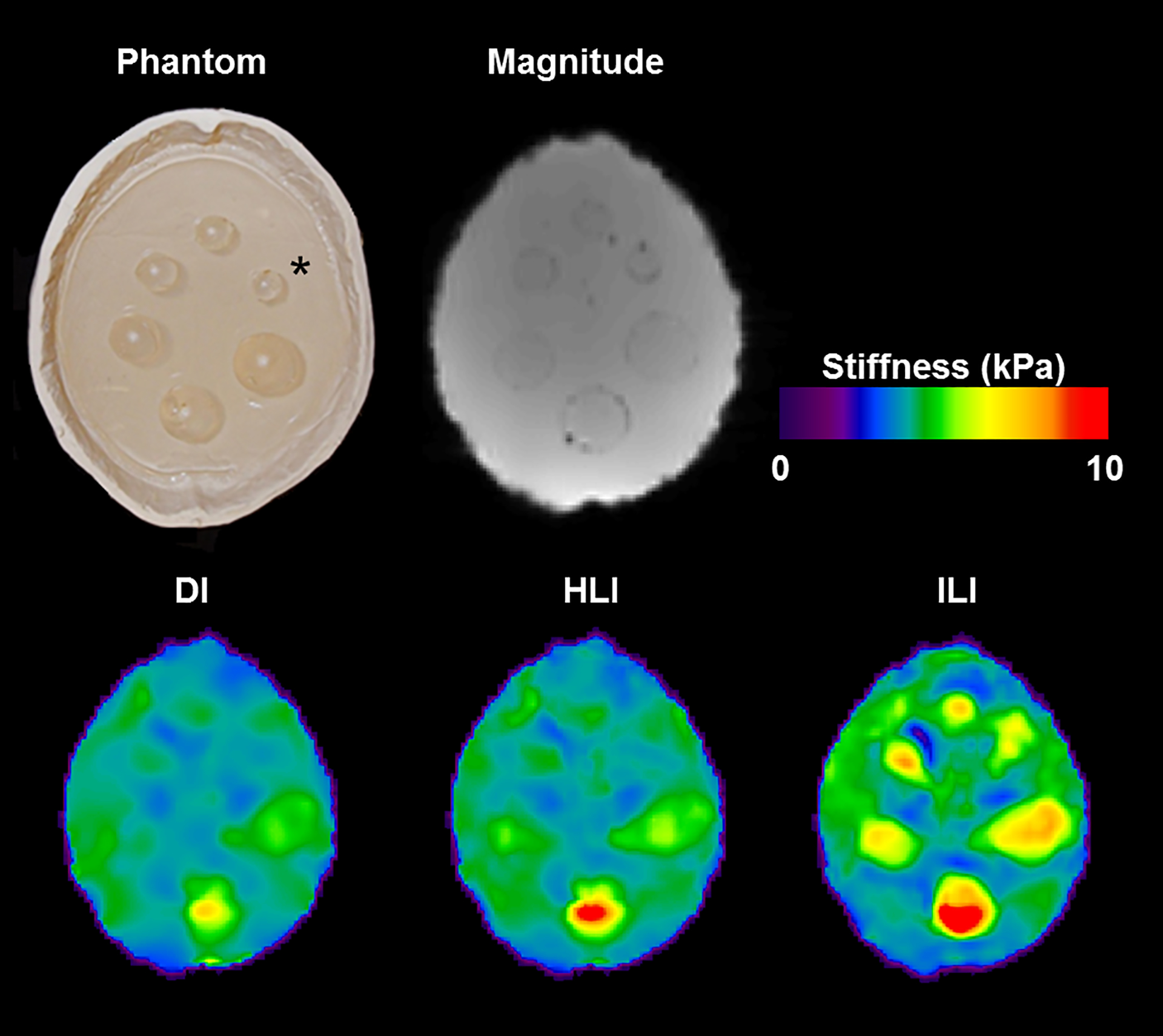
An artificial neural network was trained using synthetic wave data computed using a coupled harmonic oscillator model. Material properties were allowed to vary in a piecewise smooth pattern. This neural network inversion (Inhomogeneous Learned Inversion (ILI)) was compared against a previous homogeneous neural network inversion (Homogeneous Learned Inversion (HLI)) and conventional direct inversion (DI) in simulation, phantom, and in-vivo experiments.
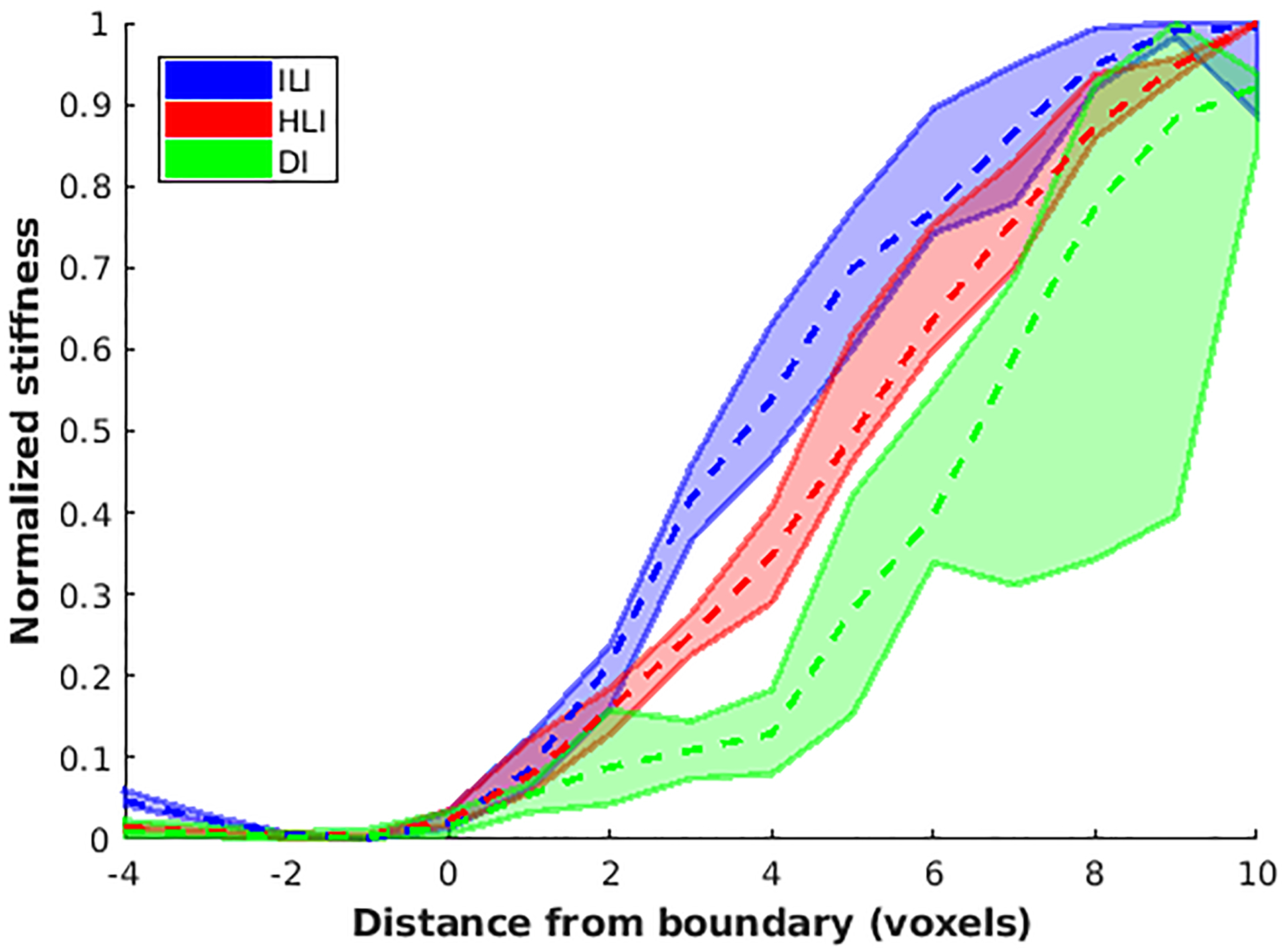
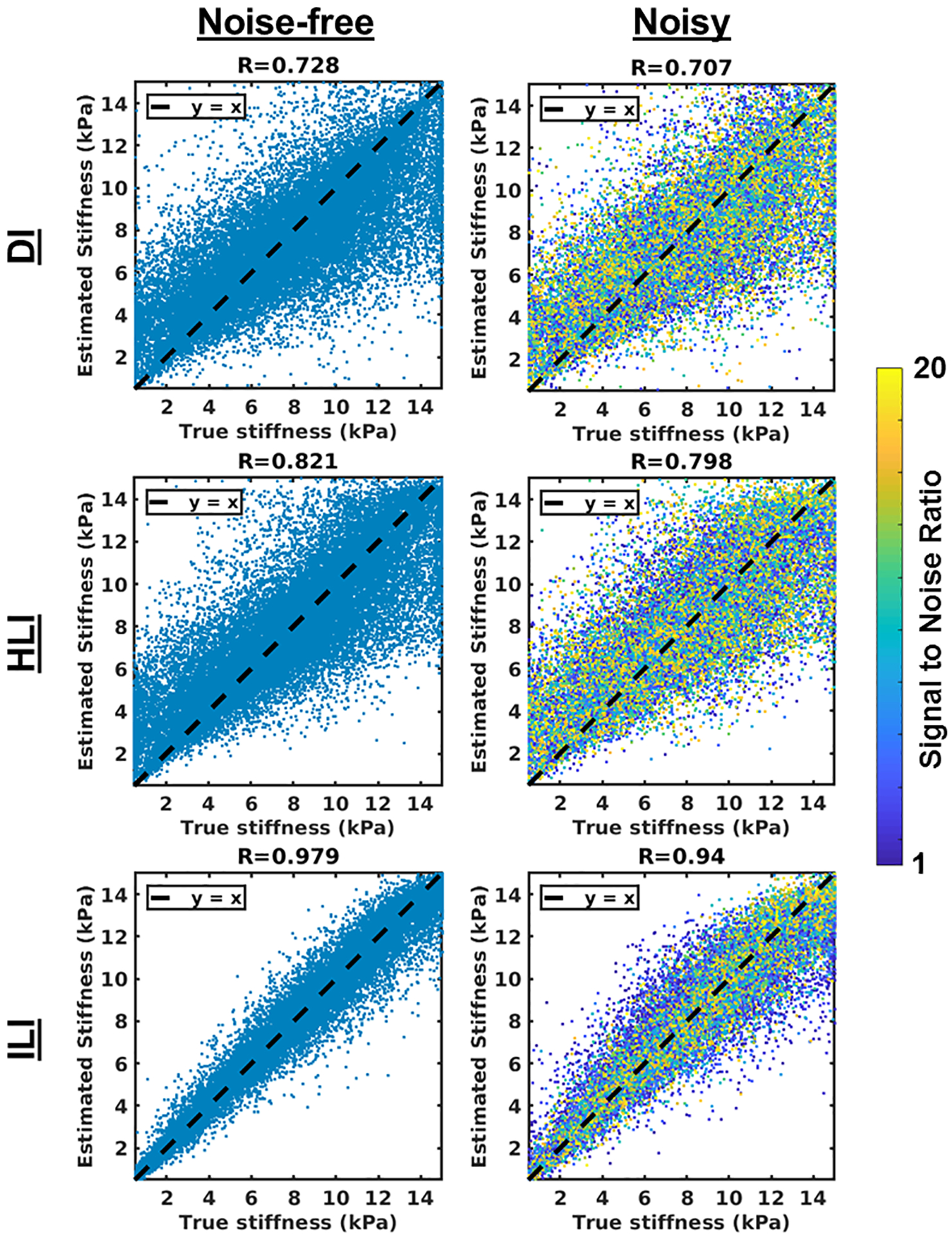
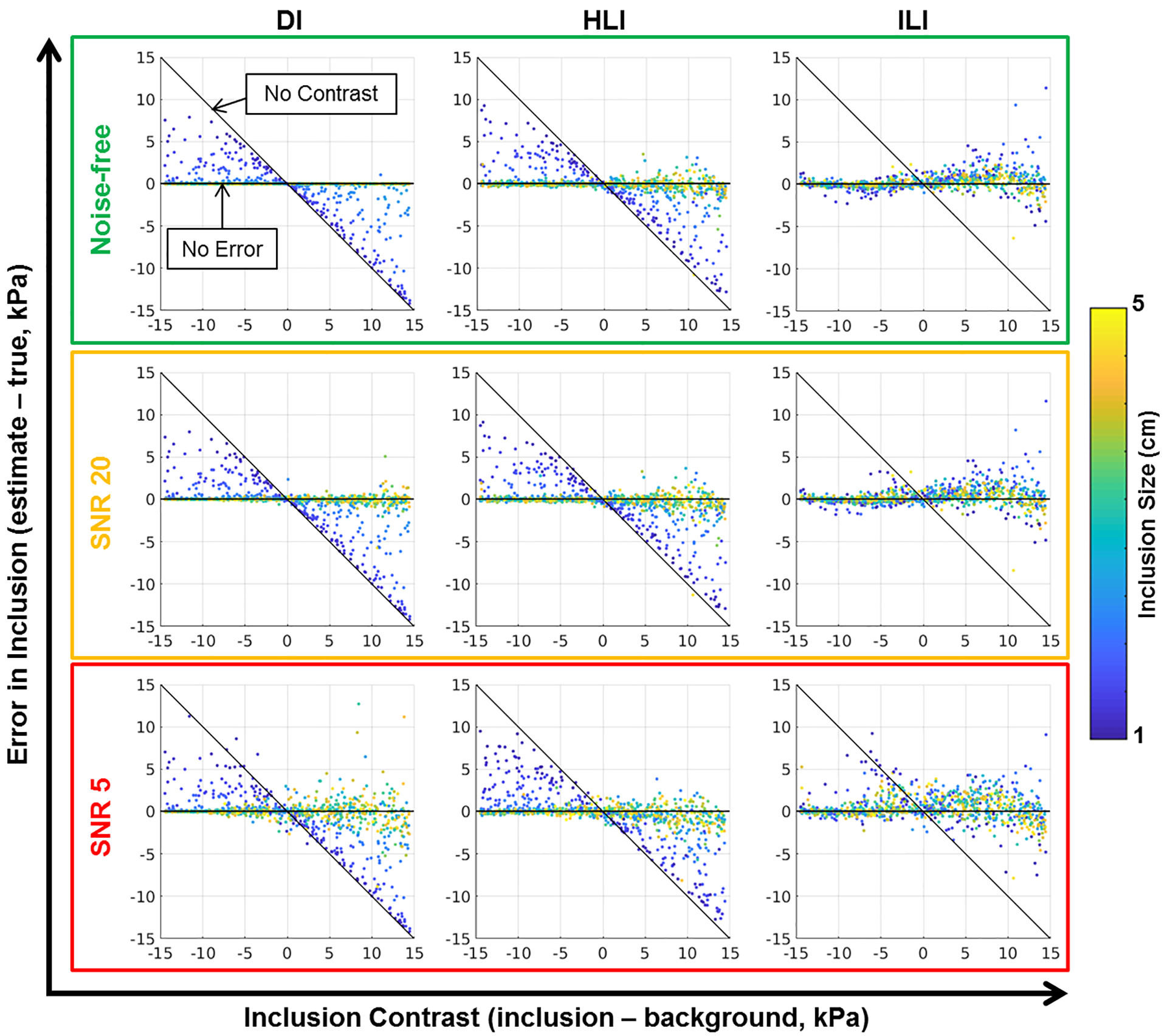
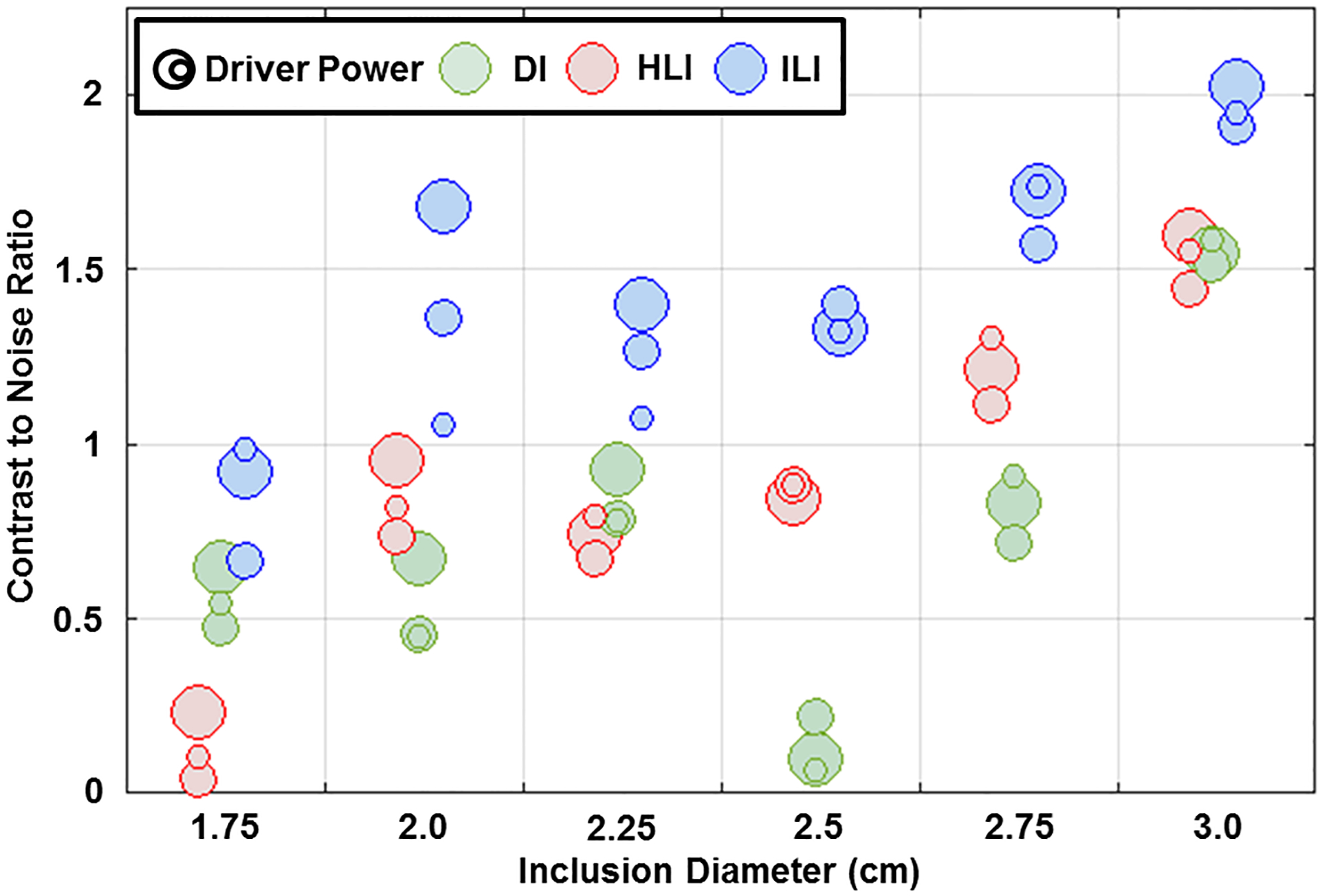
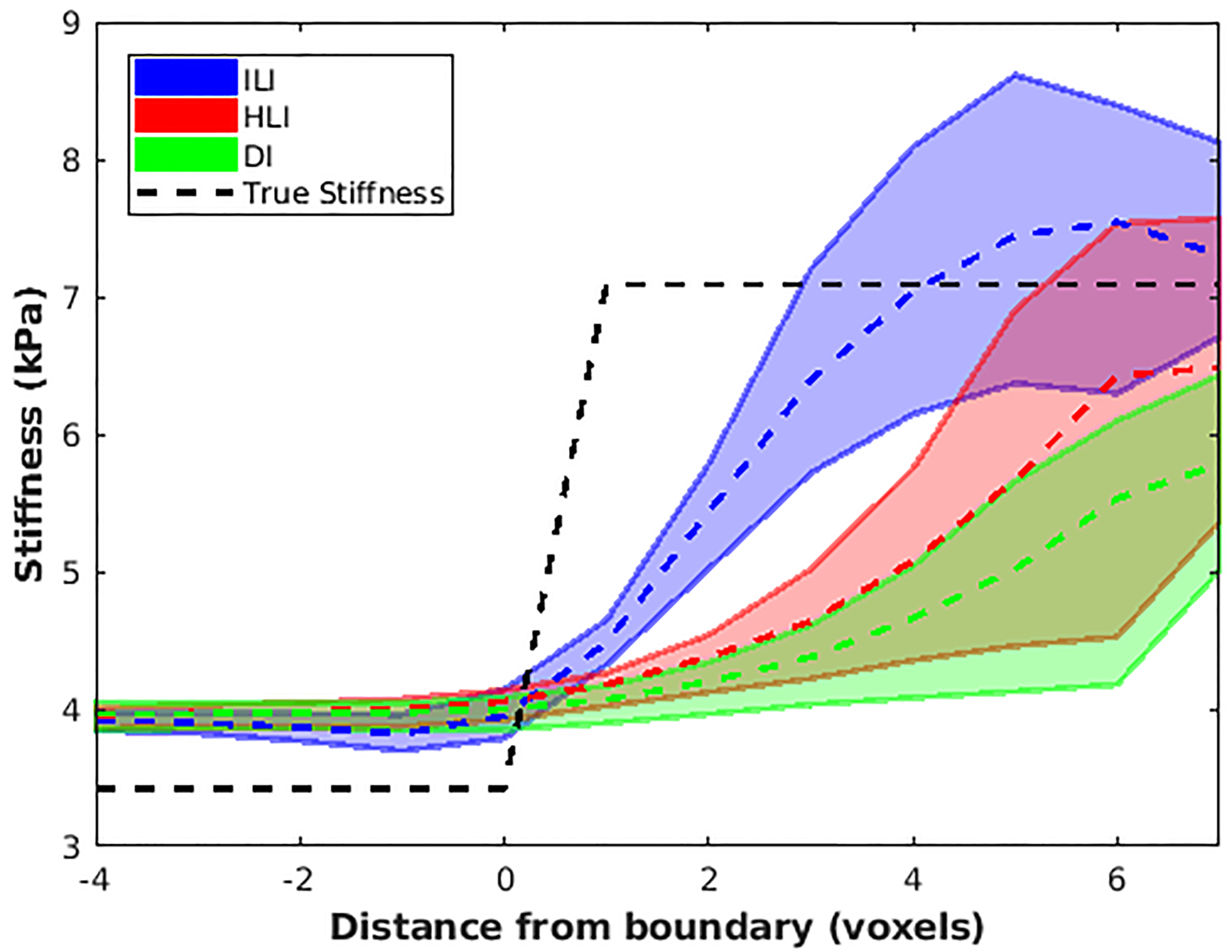
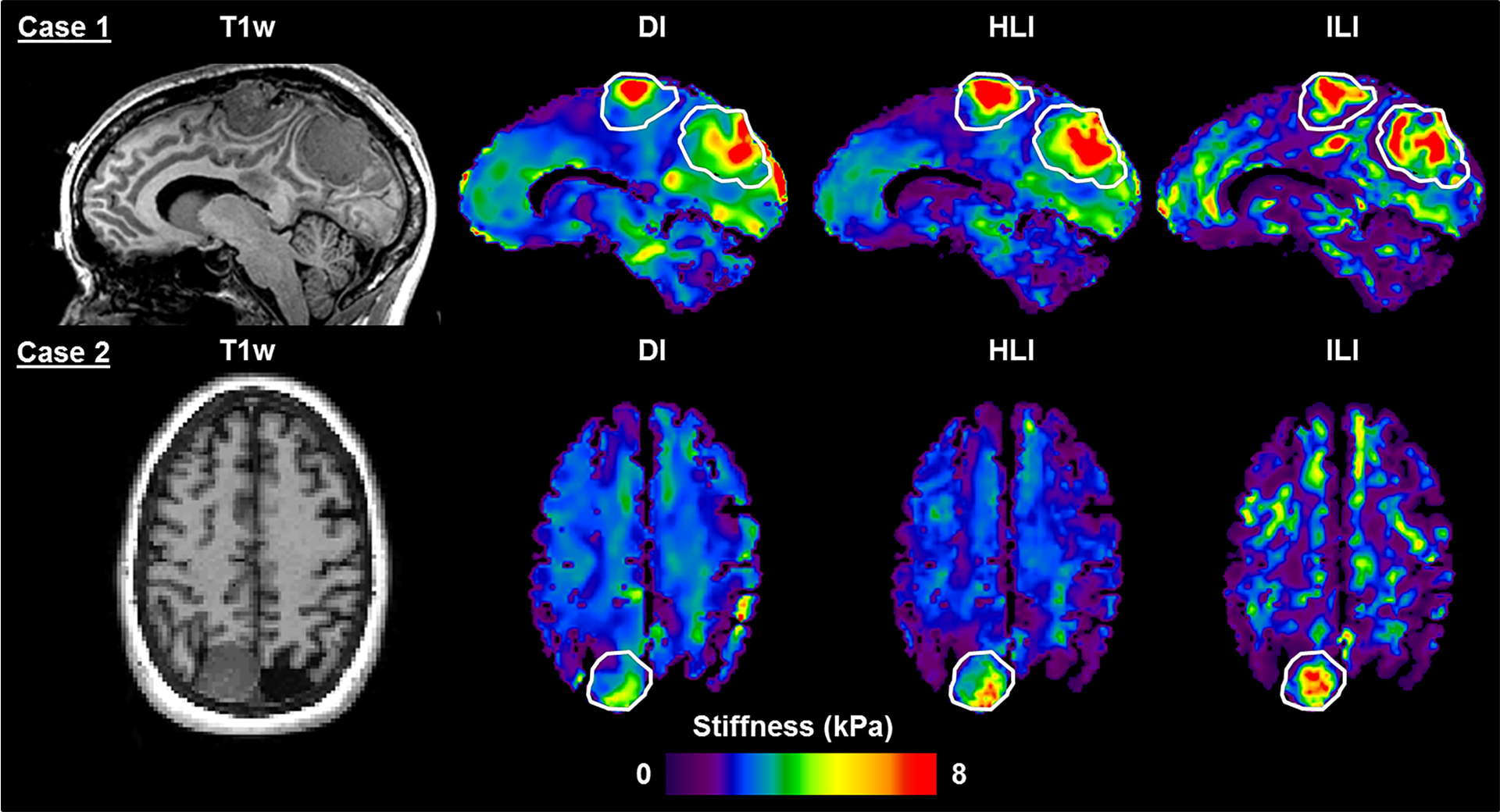
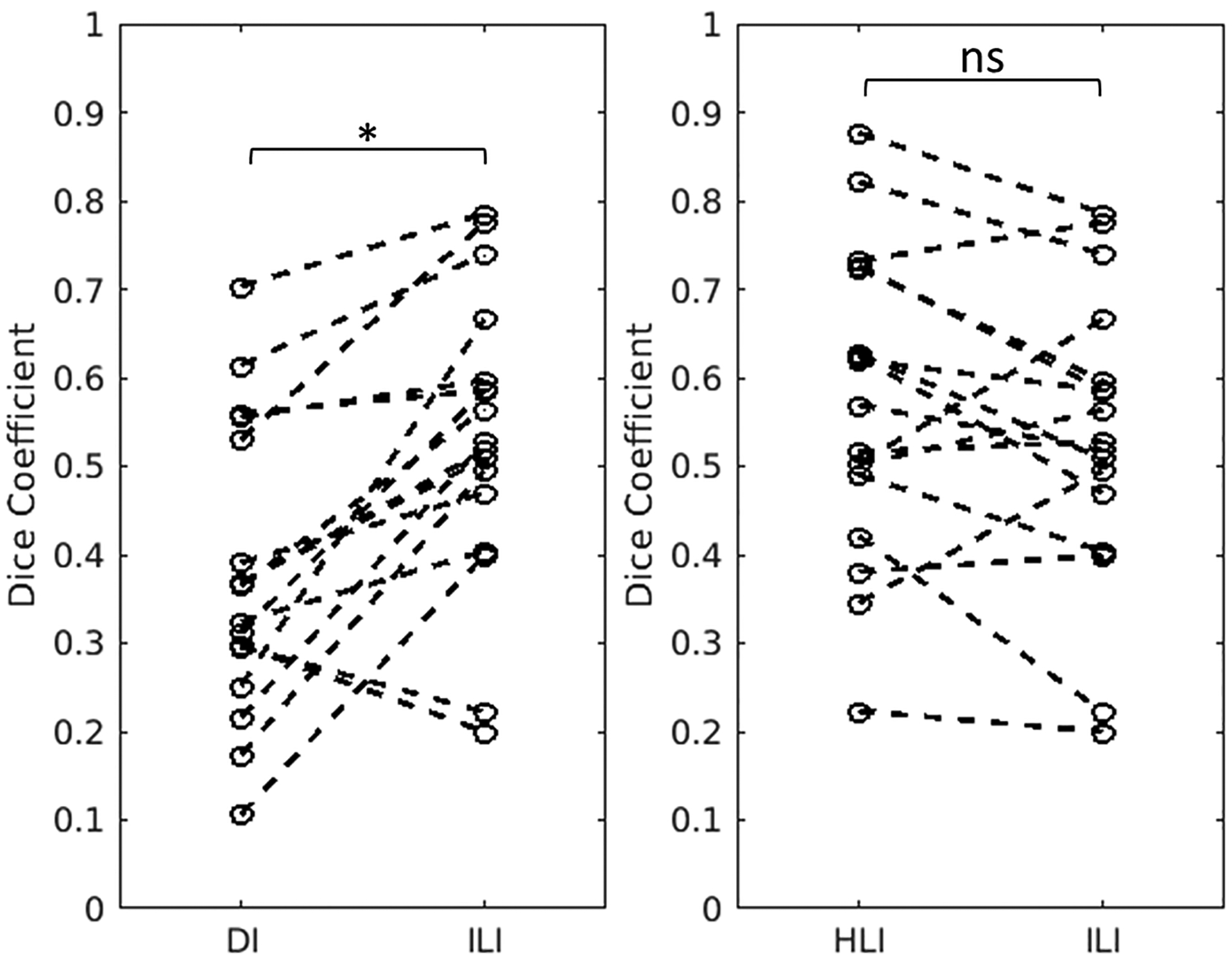
In simulation experiments, ILI was more accurate than HLI and DI in predicting the stiffness of an inclusion in noise-free, low-noise, and high-noise data. In the phantom experiment, ILI delineated inclusions ≤ 2.25 cm in diameter more clearly than HLI and DI, and provided a higher contrast-to-noise ratio for all inclusions. In a series of stiff brain tumors, ILI shows sharper stiffness transitions at the edges of tumors than the other inversions evaluated.
ILI is an artificial neural network based framework for MRE inversion that does not assume homogeneity in material stiffness. Preliminary results suggest that it provides more accurate stiffness estimates and better contrast in small inclusions and at large stiffness gradients than existing algorithms that assume local homogeneity. These results support the need for continued exploration of learning-based approaches to MRE inversion, particularly for applications where high resolution is required.
检验去除材料均匀性假设将提高磁共振弹性成像(MRE)刚度估计空间准确性这一假设。
使用耦合谐波振荡器模型计算的合成波数据训练人工神经网络。材料属性允许以分段平滑模式变化。在模拟、体模和体内实验中,将这种神经网络反演(非均匀学习反演(ILI))与先前的均匀神经网络反演(均匀学习反演(HLI))和传统直接反演(DI)进行比较。
在模拟实验中,在预测无噪声、低噪声和高噪声数据中夹杂物的刚度时,ILI比HLI和DI更准确。在体模实验中,ILI比HLI和DI更清晰地勾勒出直径≤2.25 cm的夹杂物,并且为所有夹杂物提供了更高的对比度噪声比。在一系列硬脑肿瘤中,ILI在肿瘤边缘显示出比其他评估的反演更明显的刚度转变。
ILI是一种基于人工神经网络的MRE反演框架,它不假设材料刚度均匀。初步结果表明,与假设局部均匀性的现有算法相比,它在小夹杂物和大刚度梯度情况下提供更准确的刚度估计和更好的对比度。这些结果支持继续探索基于学习的MRE反演方法的必要性,特别是对于需要高分辨率的应用。