Zhou Wei, Wu Jiarui, Liu Xinkui, Ni Mengwei, Meng Ziqi, Liu Shuyu, Jia Shanshan, Zhang Jingyuan, Guo Siyu, Zhang Xiaomeng
Department of Clinical Pharmacology of Traditional Chinese Medicine, School of Chinese Materia Medica, Beijing University of Chinese Medicine, Beijing 100102, China.
Medicine (Baltimore). 2020 May;99(20):e20340. doi: 10.1097/MD.0000000000020340.
Esophageal cancer (ESCA) is one of the most deadly malignancies in the world. Although the management and treatment of patients with ESCA have improved, the overall 5-year survival rate is still very poor.
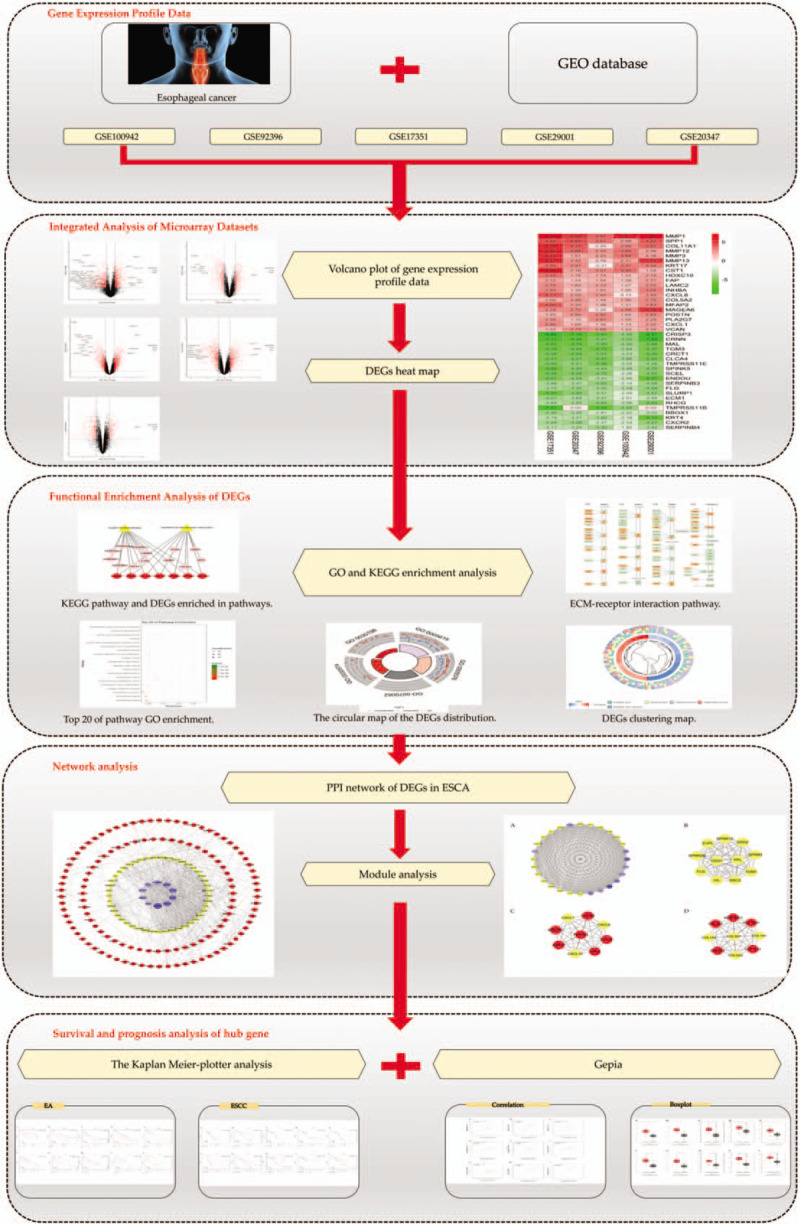
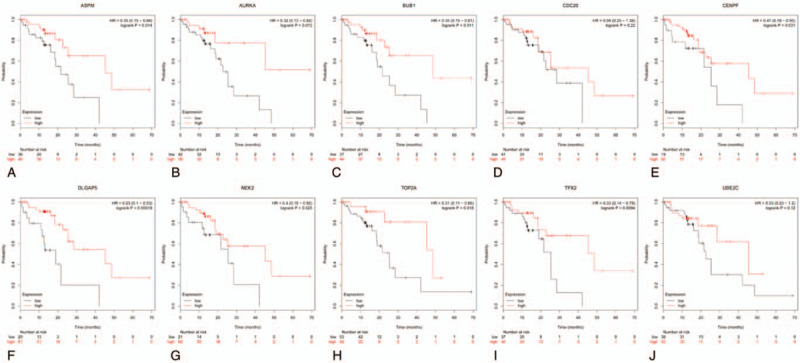
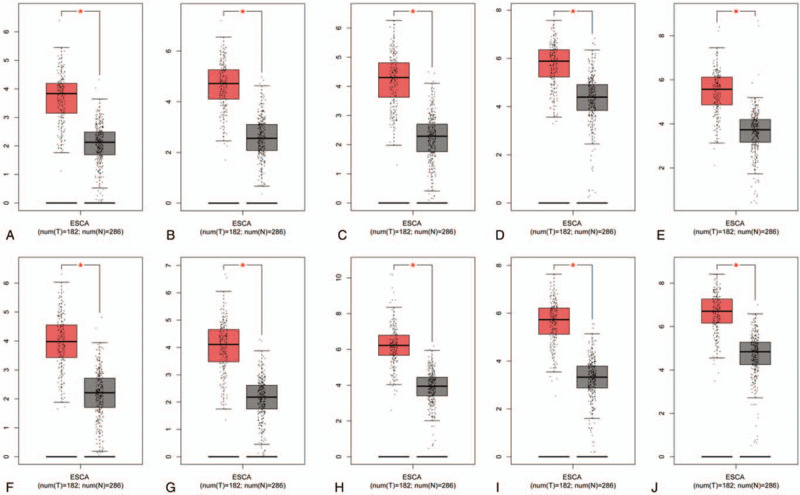
The study aimed to identify potential key genes associated with the pathogenesis and prognosis of ESCA. In the study, integrated bioinformatics methods were used to screen differentially expressed genes (DEGs) between ESCA and normal tissue in the data set of gene expression profiles. The hub gene in DEGs was further analyzed by protein-protein interaction (PPI) network and survival analysis to explore its relationship with the pathogenesis and poor prognosis of ESCA.
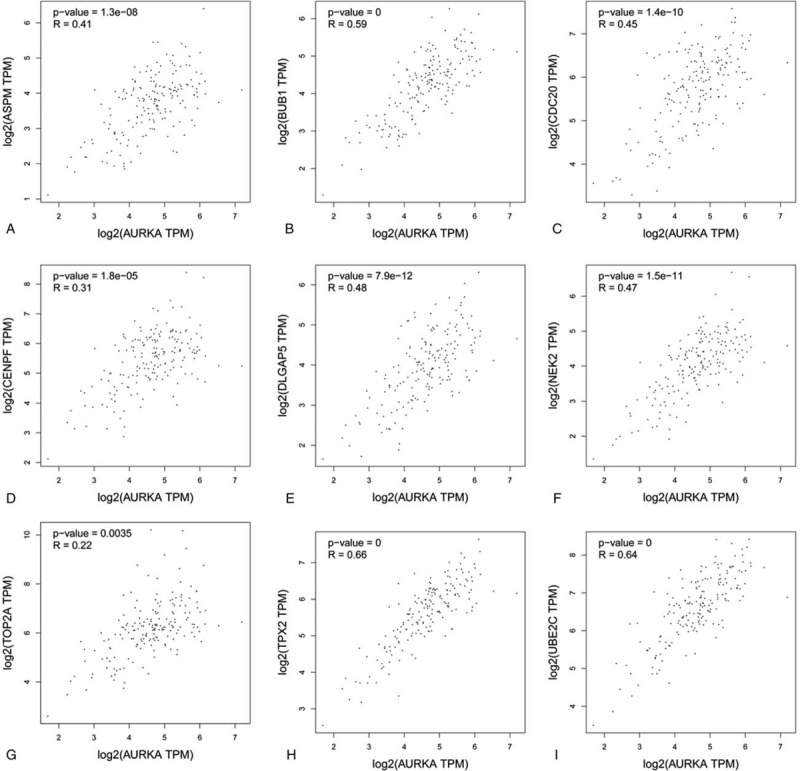
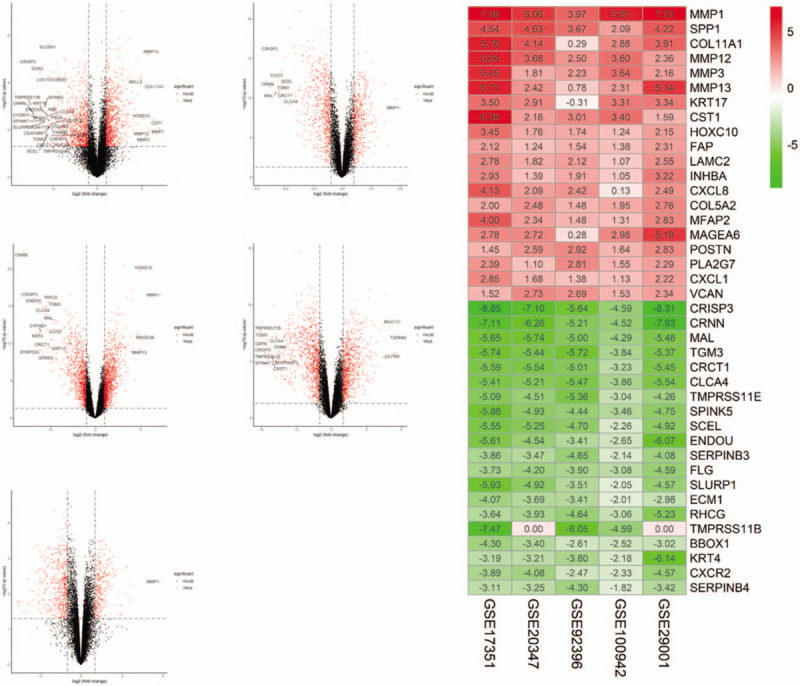
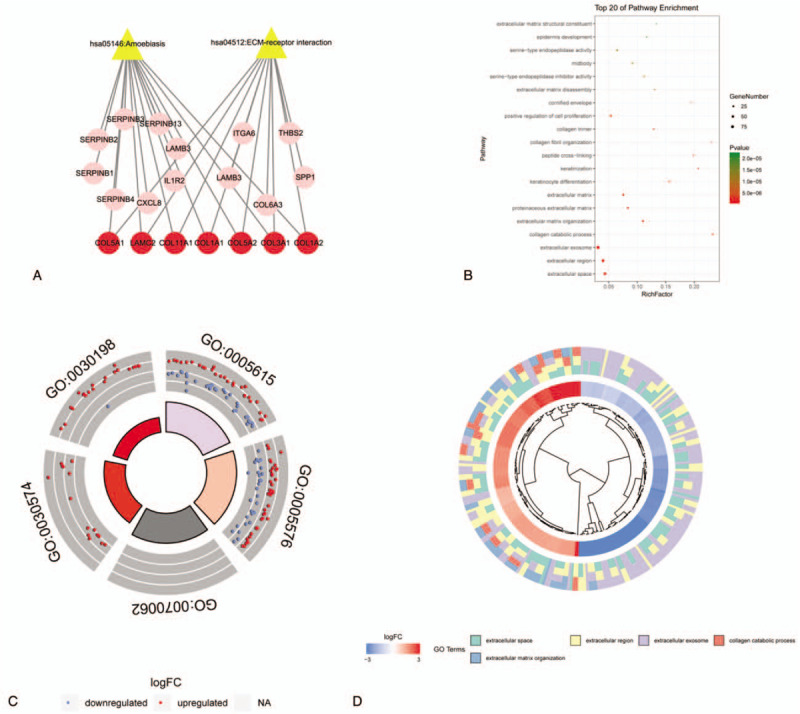
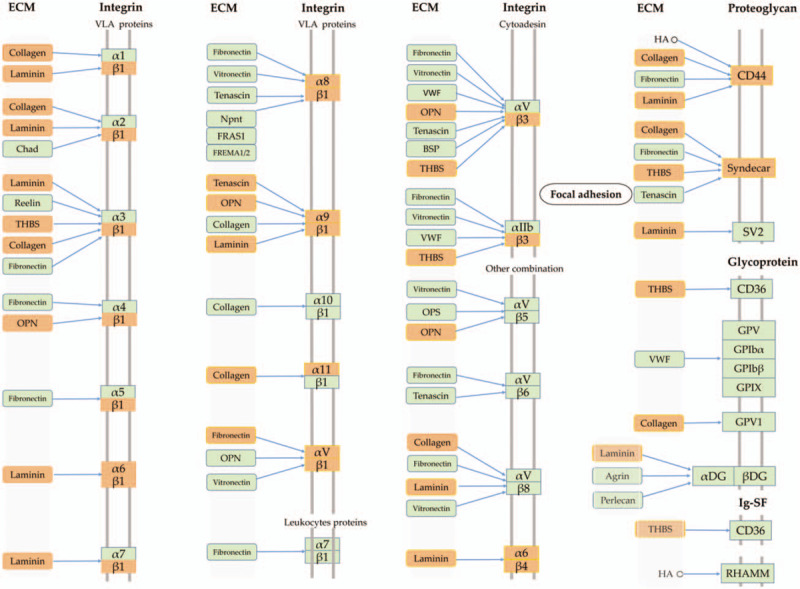
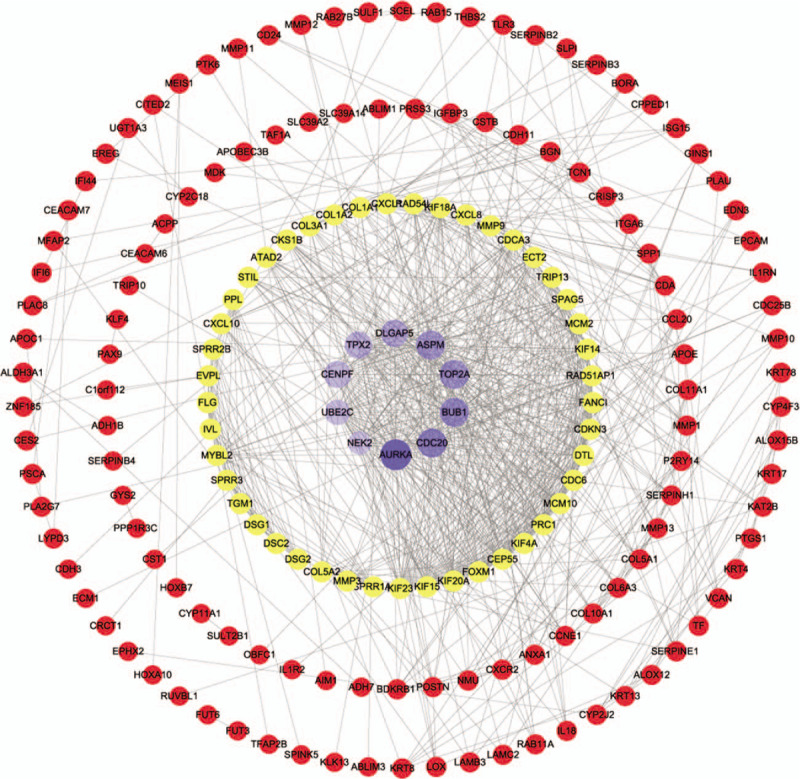
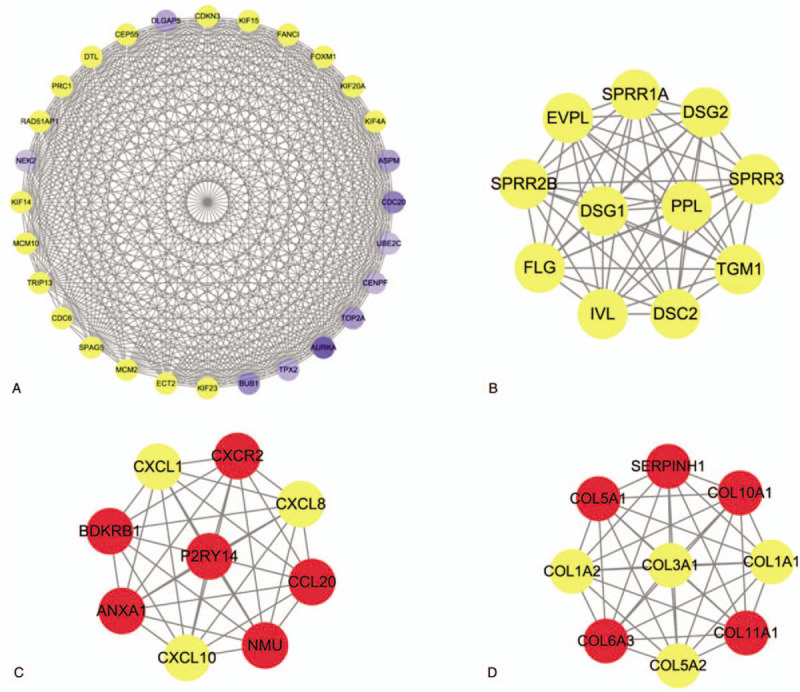
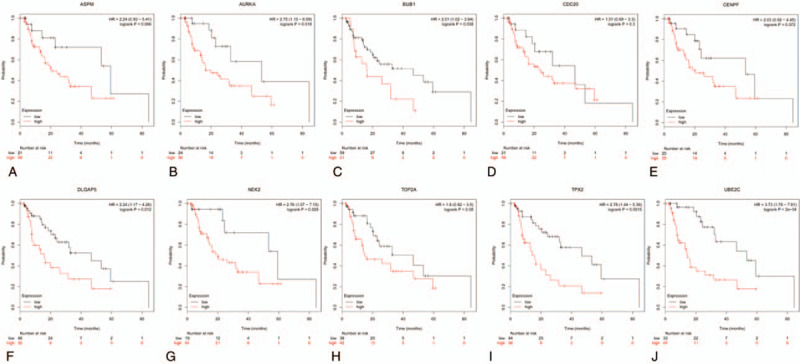
134 up-regulated genes and 183 down-regulated genes were obtained in ESCA compared with normal tissues. Moreover, the PPI network was established with 176 nodes and 800 interactions. Ten hub genes (AURKA, CDC20, BUB1, TOP2A, ASPM, DLGAP5, TPX2, CENPF, UBE2C, and NEK2) were filtered out based on the degree value. Functional enrichment analysis indicated that a variety of extracellular related items and ECM-receptor interaction pathway were all correlated with the ESCA.
The results of this study would provide some guidance for further study of diagnostic and prognostic biomarkers to promote ESCA treatment.
食管癌(ESCA)是世界上最致命的恶性肿瘤之一。尽管食管癌患者的管理和治疗有所改善,但总体5年生存率仍然很低。
本研究旨在识别与食管癌发病机制和预后相关的潜在关键基因。在研究中,采用综合生物信息学方法在基因表达谱数据集中筛选食管癌组织与正常组织之间的差异表达基因(DEGs)。通过蛋白质-蛋白质相互作用(PPI)网络和生存分析对DEGs中的枢纽基因进行进一步分析,以探讨其与食管癌发病机制和不良预后的关系。
与正常组织相比,在食管癌中获得了134个上调基因和183个下调基因。此外,构建了一个包含176个节点和800个相互作用的PPI网络。根据度值筛选出10个枢纽基因(AURKA、CDC20、BUB1、TOP2A、ASPM、DLGAP5、TPX2、CENPF、UBE2C和NEK2)。功能富集分析表明,多种细胞外相关条目和ECM-受体相互作用途径均与食管癌相关。
本研究结果将为进一步研究诊断和预后生物标志物以促进食管癌治疗提供一些指导。