Chen Huaping, Wu Junrong, Lu Liuyi, Hu Zuojian, Li Xi, Huang Li, Zhang Xiaolian, Chen Mingxing, Qin Xue, Xie Li
Department of Clinical Laboratory, First Affiliated Hospital of Guangxi Medical University, Nanning, China.
Department of Clinical Laboratory, Affiliated Tumor Hospital of Guangxi Medical University, Nanning, China.
Front Genet. 2021 Jan 11;11:575762. doi: 10.3389/fgene.2020.575762. eCollection 2020.
In the cancer-related research field, there is currently a major need for a greater number of valuable biomarkers to predict the prognosis of hepatocellular carcinoma (HCC). In this study, we aimed to screen hub genes related to immune cell infiltration and explore their prognostic value for HCC.
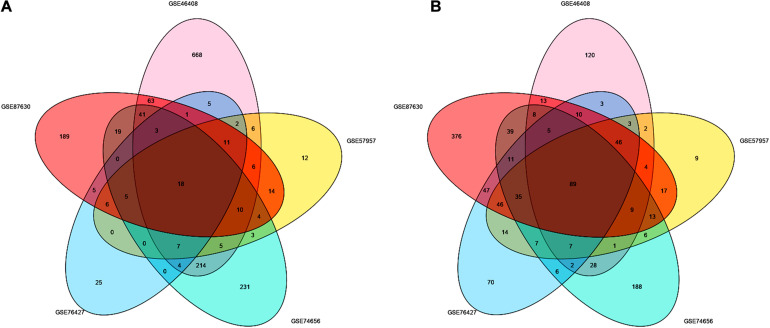
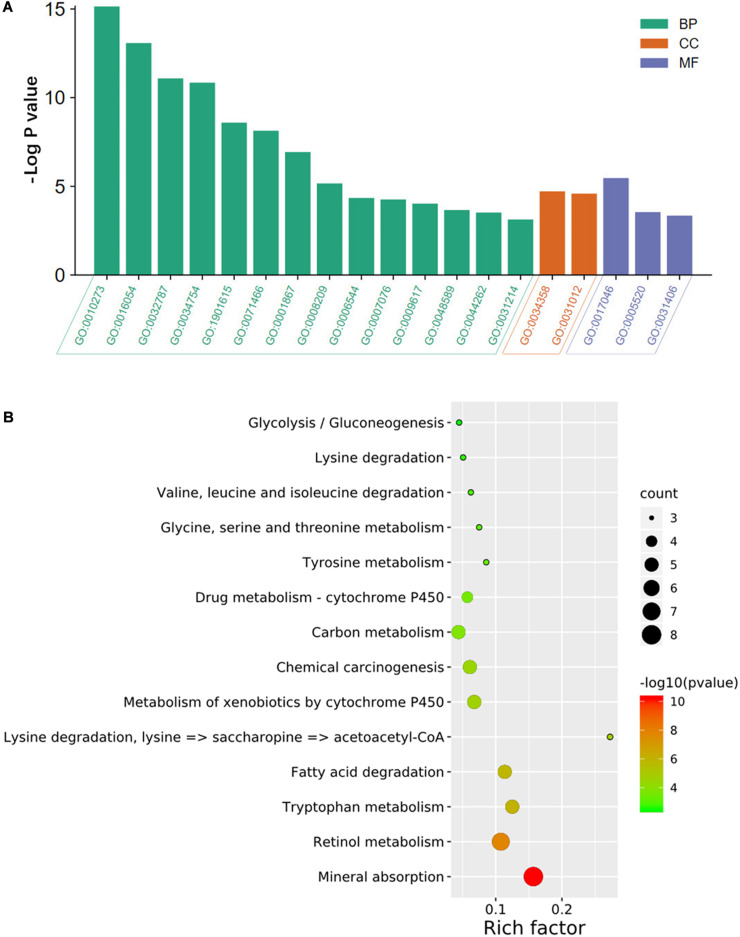
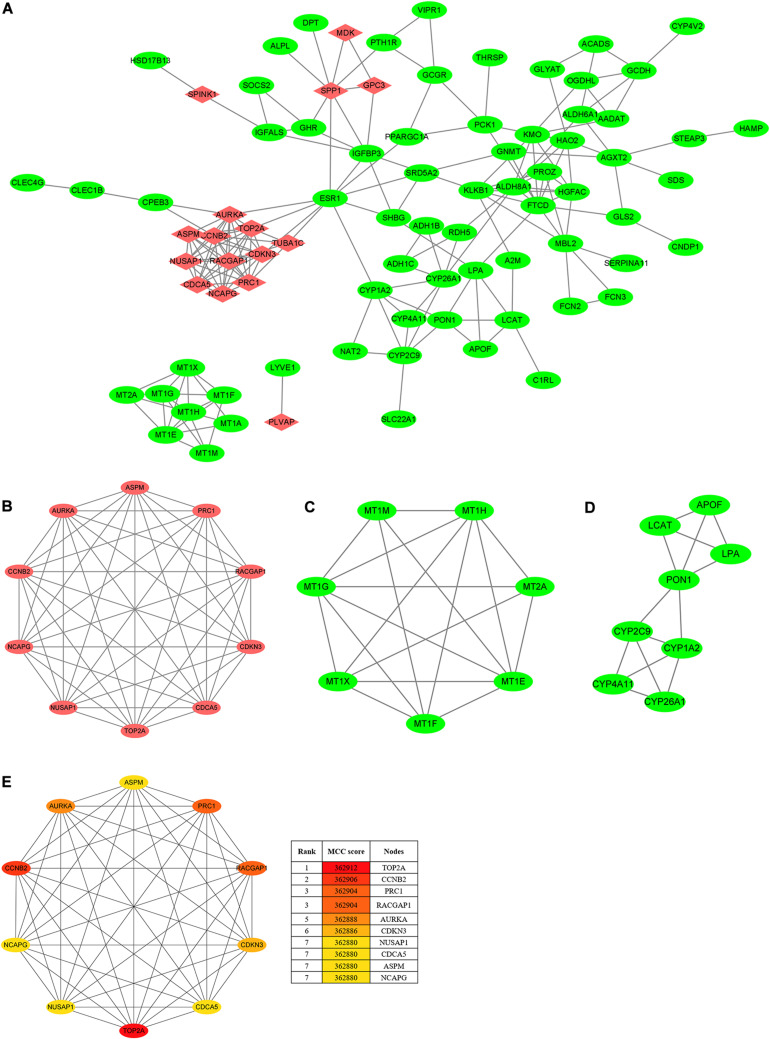
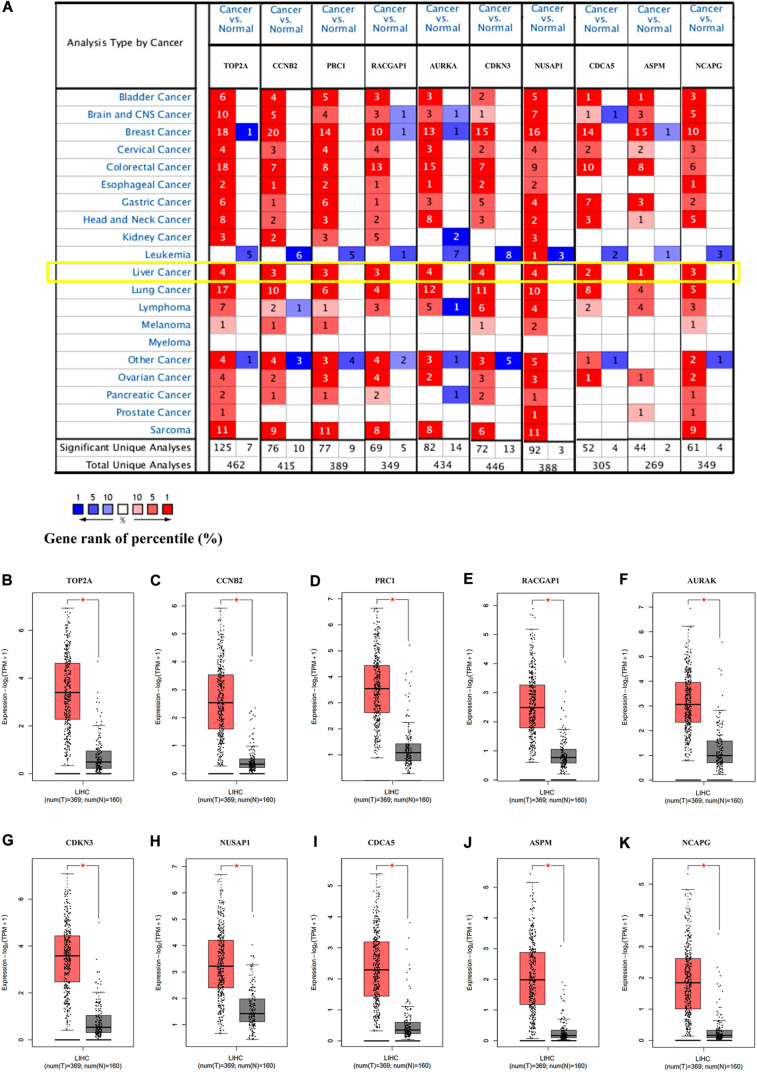
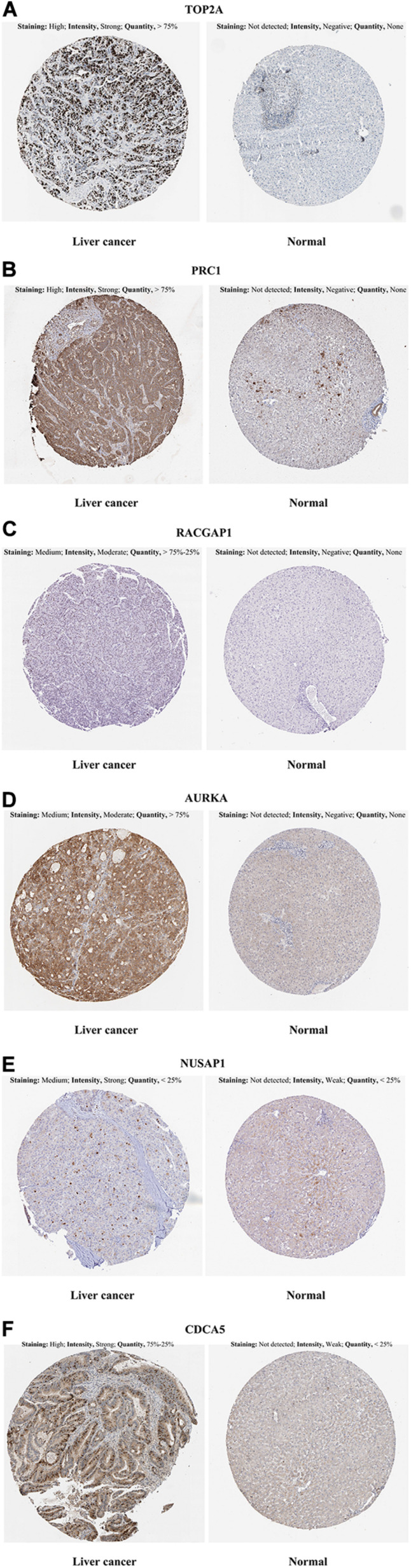
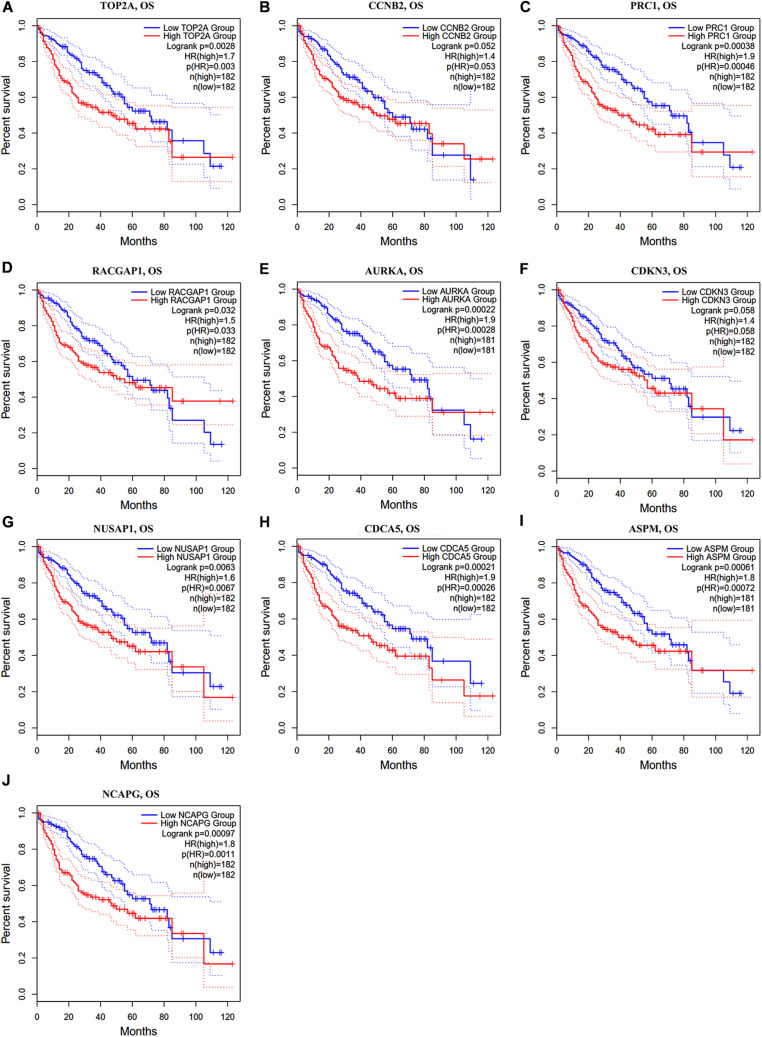
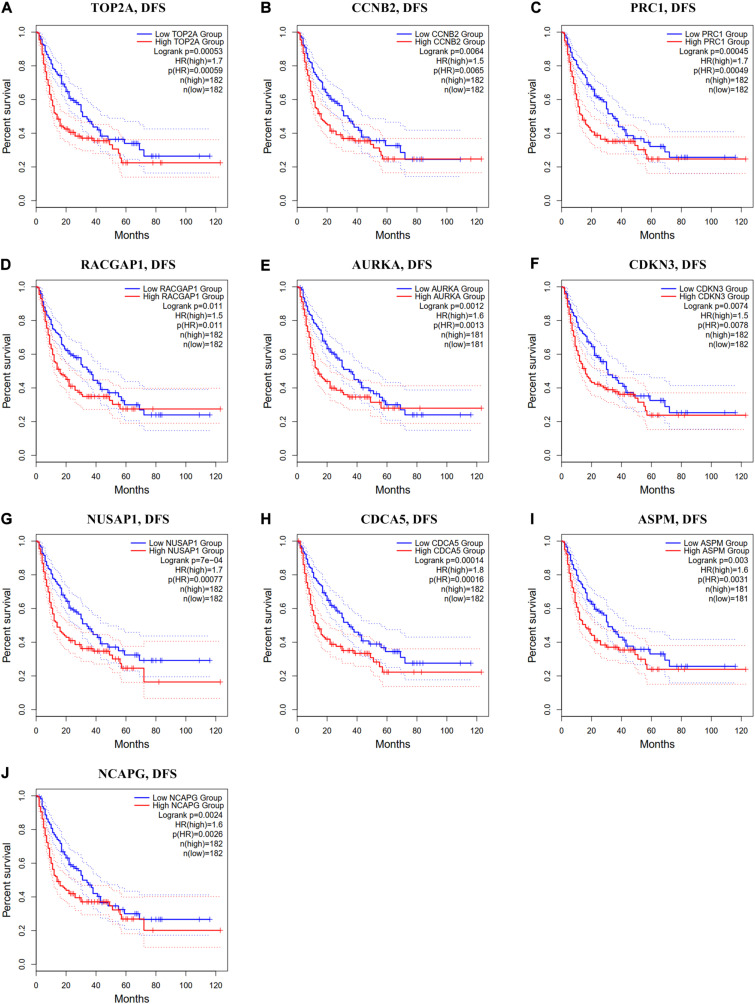
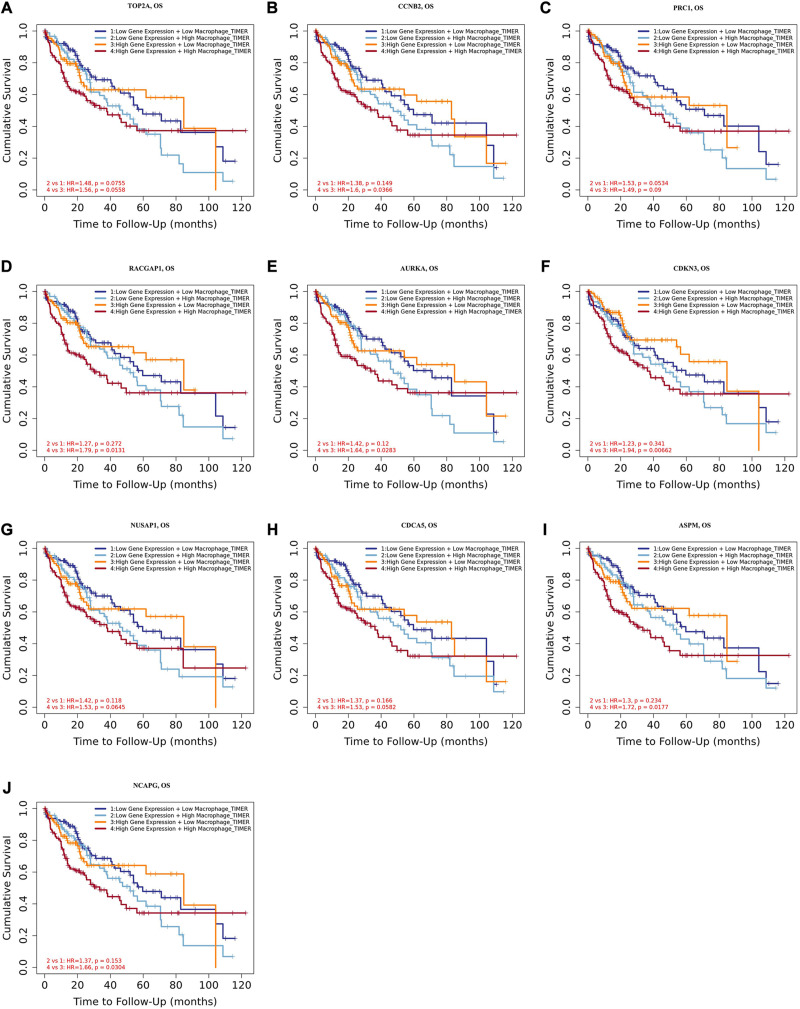
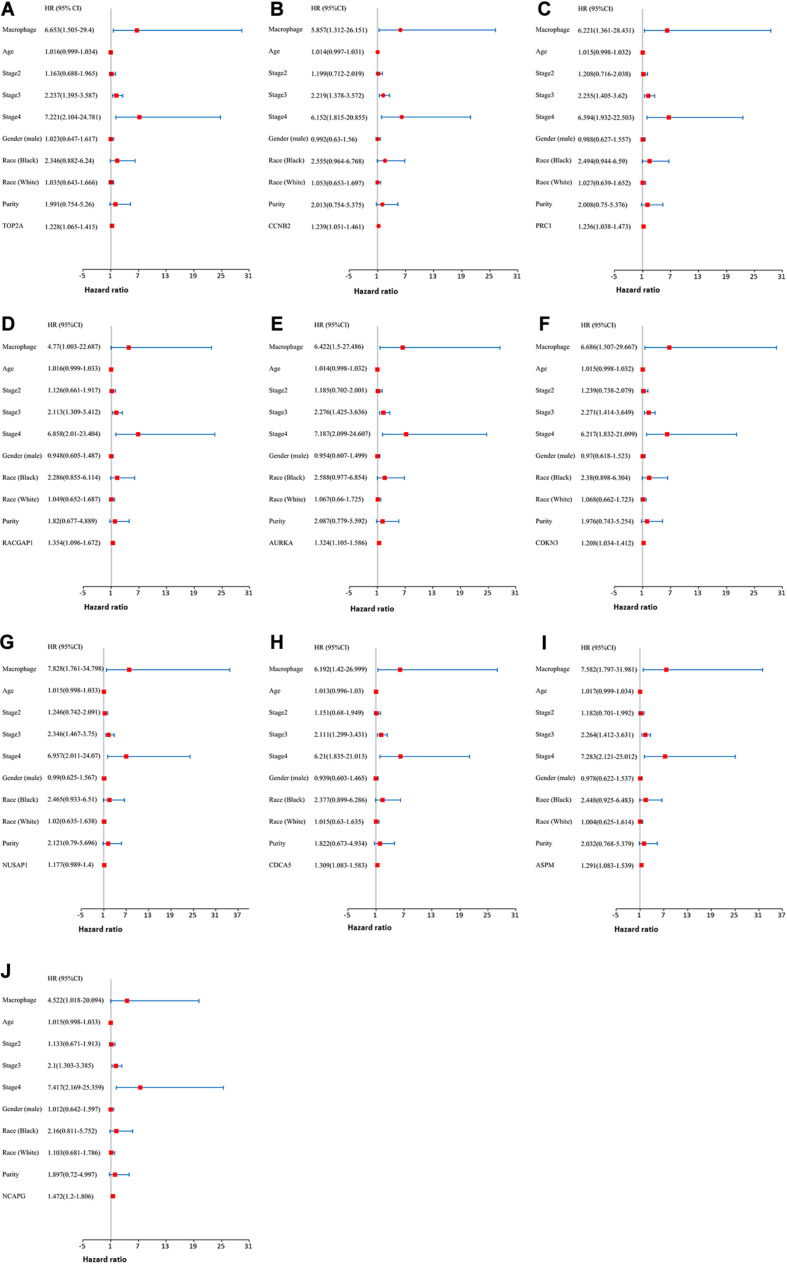
We analyzed five datasets (GSE46408, GSE57957, GSE74656, GSE76427, and GSE87630) from the Gene Expression Omnibus database to screen the differentially expressed genes (DEGs). A protein-protein interaction network of the DEGs was constructed using the Search Tool for the Retrieval of Interacting Genes; then, the hub genes were identified. Functional enrichment of the genes was performed on the Metascape website. Next, the expression of these hub genes was validated in several databases, including Oncomine, Gene Expression Profiling Interactive Analysis 2 (GEPIA2), and Human Protein Atlas. We explored the correlations between the hub genes and infiltrated immune cells in the TIMER2.0 database. The survival curves were generated in GEPIA2, and the univariate and multivariate Cox regression analyses were performed using TIMER2.0.
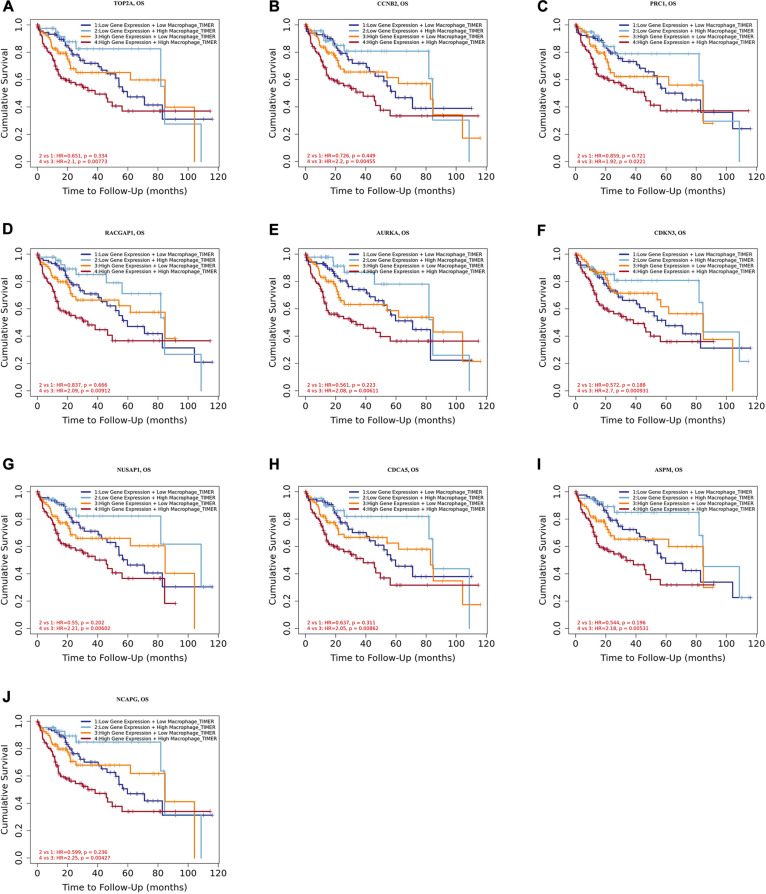
The top ten hub genes [DNA topoisomerase II alpha (), cyclin B2 (), protein regulator of cytokinesis 1 (), Rac GTPase-activating protein 1 (), aurora kinase A (), cyclin-dependent kinase inhibitor 3 (), nucleolar and spindle-associated protein 1 (), cell division cycle-associated 5 (), abnormal spindle microtubule assembly (), and non-SMC condensin I complex subunit G ()] were identified in subsequent analysis. These genes are most markedly enriched in cell division, suggesting their close association with tumorigenesis. Multi-database analyses validated that the hub genes were upregulated in HCC tissues. All hub genes positively correlated with several types of immune infiltration, including B cells, CD4 T cells, macrophages, and dendritic cells. Furthermore, these hub genes served as independent prognostic factors, and the expression of these hub genes combing with the macrophage levels could help predict an unfavorable prognosis of HCC.
In sum, these hub genes (, , , , , , , , , and ) may be pivotal markers for prognostic prediction as well as potentially work as targets for immune-based intervention strategies in HCC.
在癌症相关研究领域,目前迫切需要更多有价值的生物标志物来预测肝细胞癌(HCC)的预后。在本研究中,我们旨在筛选与免疫细胞浸润相关的枢纽基因,并探讨它们对HCC的预后价值。
我们分析了来自基因表达综合数据库的五个数据集(GSE46408、GSE57957、GSE74656、GSE76427和GSE87630),以筛选差异表达基因(DEG)。使用检索相互作用基因的搜索工具构建DEG的蛋白质-蛋白质相互作用网络;然后,鉴定枢纽基因。在Metascape网站上对这些基因进行功能富集分析。接下来,在包括Oncomine、基因表达谱交互式分析2(GEPIA2)和人类蛋白质图谱在内的多个数据库中验证这些枢纽基因的表达。我们在TIMER2.0数据库中探讨了枢纽基因与浸润免疫细胞之间的相关性。在GEPIA2中生成生存曲线,并使用TIMER2.0进行单变量和多变量Cox回归分析。
在后续分析中鉴定出前十个枢纽基因[DNA拓扑异构酶IIα()、细胞周期蛋白B2()、胞质分裂蛋白调节剂1()、Rac GTP酶激活蛋白1()、极光激酶A()、细胞周期蛋白依赖性激酶抑制剂3()、核仁与纺锤体相关蛋白1()、细胞分裂周期相关5()、异常纺锤体微管组装()和非SMC凝聚素I复合体亚基G()]。这些基因在细胞分裂中最显著富集,表明它们与肿瘤发生密切相关。多数据库分析验证了枢纽基因在HCC组织中上调。所有枢纽基因与几种类型的免疫浸润呈正相关,包括B细胞、CD4 T细胞、巨噬细胞和树突状细胞。此外,这些枢纽基因作为独立的预后因素,这些枢纽基因的表达与巨噬细胞水平相结合有助于预测HCC的不良预后。
总之,这些枢纽基因(、、、、、、、、和)可能是预后预测的关键标志物,也可能作为HCC基于免疫的干预策略的潜在靶点。