Rozmysłowska-Wojciechowska Anita, Mitrzak Joanna, Szuplewska Aleksandra, Chudy Michał, Woźniak Jarosław, Petrus Mateusz, Wojciechowski Tomasz, Vasilchenko Alexey S, Jastrzębska Agnieszka M
Faculty of Materials Science and Engineering, Warsaw University of Technology, Wołoska 141, 02-507 Warsaw, Poland.
Faculty of Chemistry, Warsaw University of Technology, Noakowskiego 3, 00-664 Warsaw, Poland.
Materials (Basel). 2020 May 20;13(10):2347. doi: 10.3390/ma13102347.
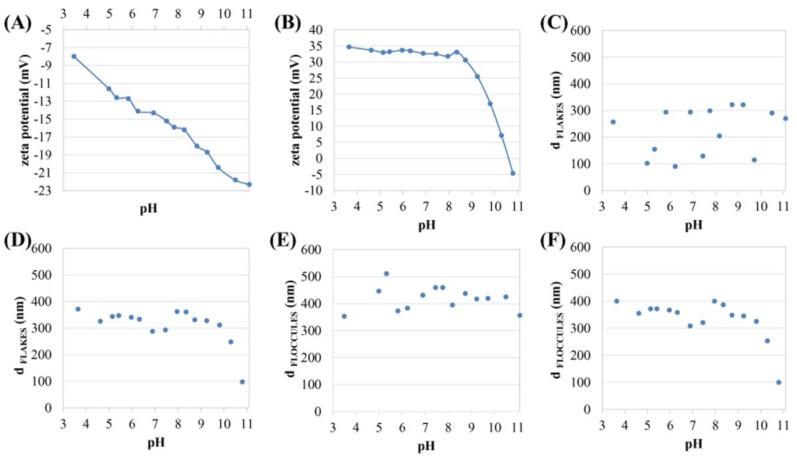
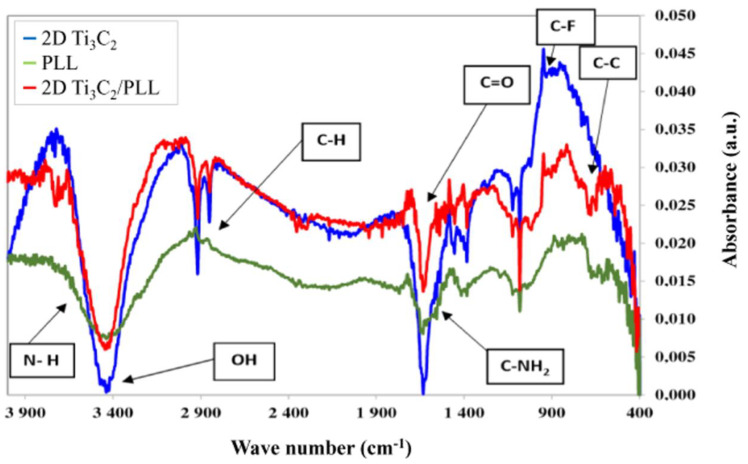
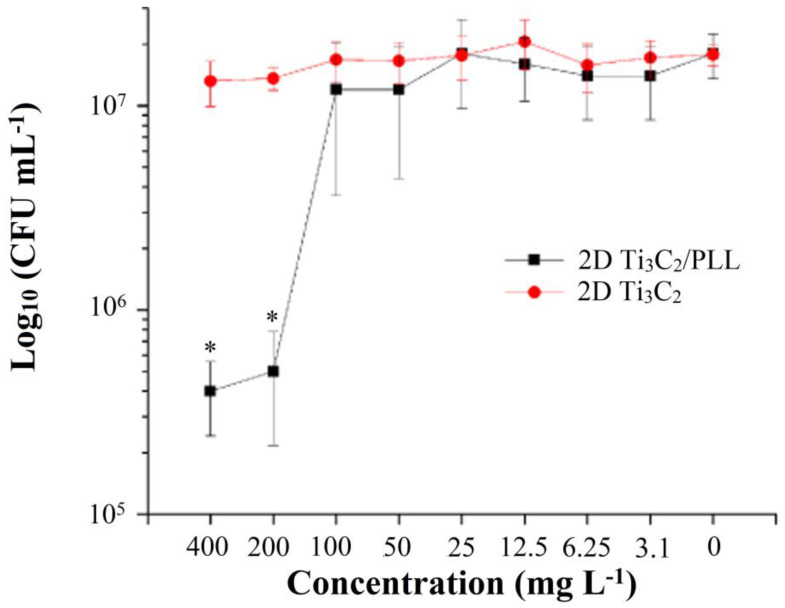
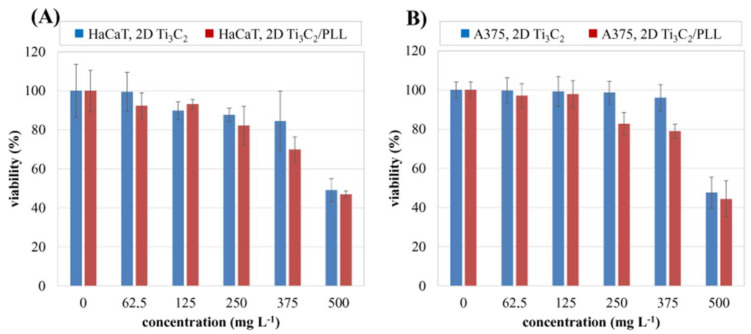
Current trends in the field of MXenes emphasize the importance of controlling their surface features for successful application in biotechnological areas. The ability to stabilize the surface properties of MXenes has been demonstrated here through surface charge engineering. It was thus determined how changing the surface charges of two-dimensional (2D) TiC MXene phase flakes using cationic polymeric poly-L-lysine (PLL) molecules affects the colloidal and biological properties of the resulting hybrid 2D nanomaterial. Electrostatic adsorption of PLL on the surface of delaminated 2D TiC flakes occurs efficiently, leads to changing an MXene's negative surface charge toward a positive value, which can also be effectively managed through pH changes. Analysis of bioactive properties revealed additional antibacterial functionality of the developed 2D TiC/PLL MXene flakes concerning Gram-negative bacteria cells. A reduction of two orders of magnitude of viable cells was achieved at a concentration of 200 mg L. The in vitro analysis also showed lowered toxicity in the concentration range up to 375 mg L. The presented study demonstrates a feasible approach to control surface properties of 2D TiC MXene flakes through surface charge engineering which was also verified in vitro for usage in biotechnology or nanomedicine applications.
MXenes领域的当前趋势强调了控制其表面特征对于在生物技术领域成功应用的重要性。本文通过表面电荷工程展示了稳定MXenes表面性质的能力。因此,确定了使用阳离子聚合物聚-L-赖氨酸(PLL)分子改变二维(2D)TiC MXene相薄片的表面电荷如何影响所得杂化二维纳米材料的胶体和生物学性质。PLL在分层的二维TiC薄片表面的静电吸附有效地发生,导致MXene的负表面电荷变为正值,这也可以通过pH变化有效地控制。生物活性特性分析揭示了所开发的二维TiC/PLL MXene薄片对革兰氏阴性细菌细胞具有额外的抗菌功能。在浓度为200 mg/L时,活细胞数量减少了两个数量级。体外分析还表明,在浓度高达375 mg/L的范围内毒性降低。本研究展示了一种通过表面电荷工程控制二维TiC MXene薄片表面性质的可行方法,该方法也在体外得到验证,可用于生物技术或纳米医学应用。