Chiozzini Chiara, Manfredi Francesco, Arenaccio Claudia, Ferrantelli Flavia, Leone Patrizia, Federico Maurizio
National Center for Global Health, Istituto Superiore di Sanità, Viale Regina Elena, 299, 00161 Rome, Italy.
Vaccines (Basel). 2020 May 22;8(2):243. doi: 10.3390/vaccines8020243.
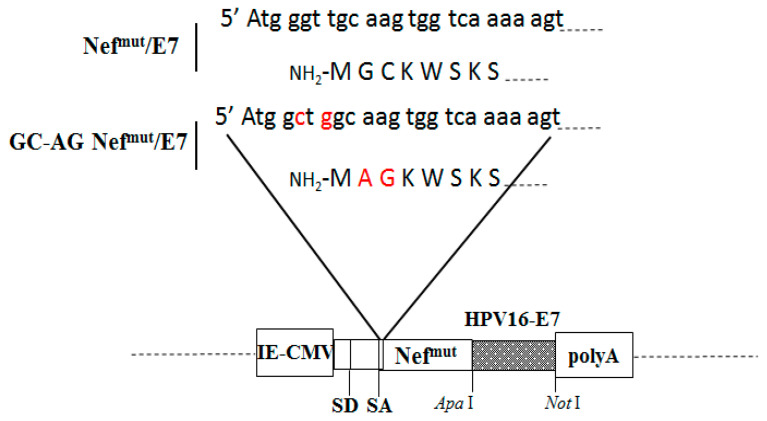
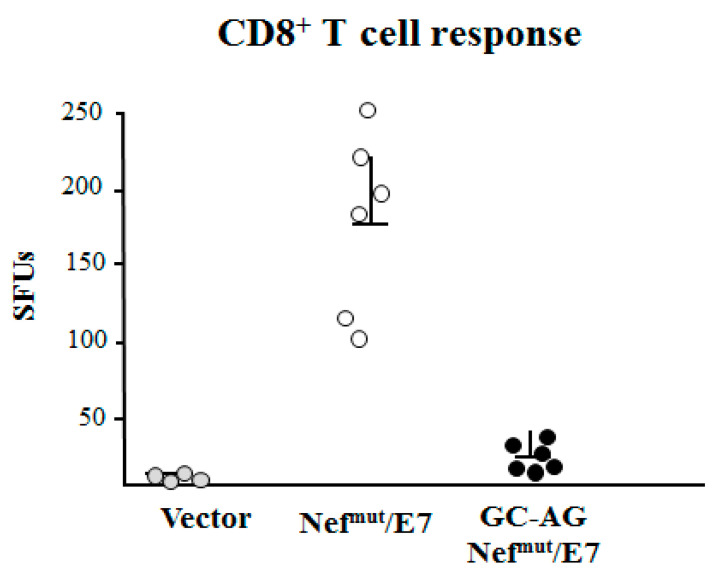
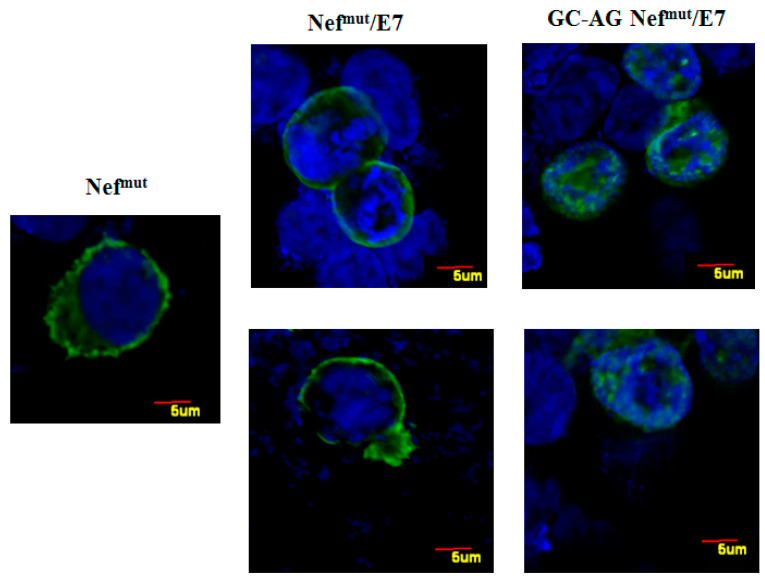
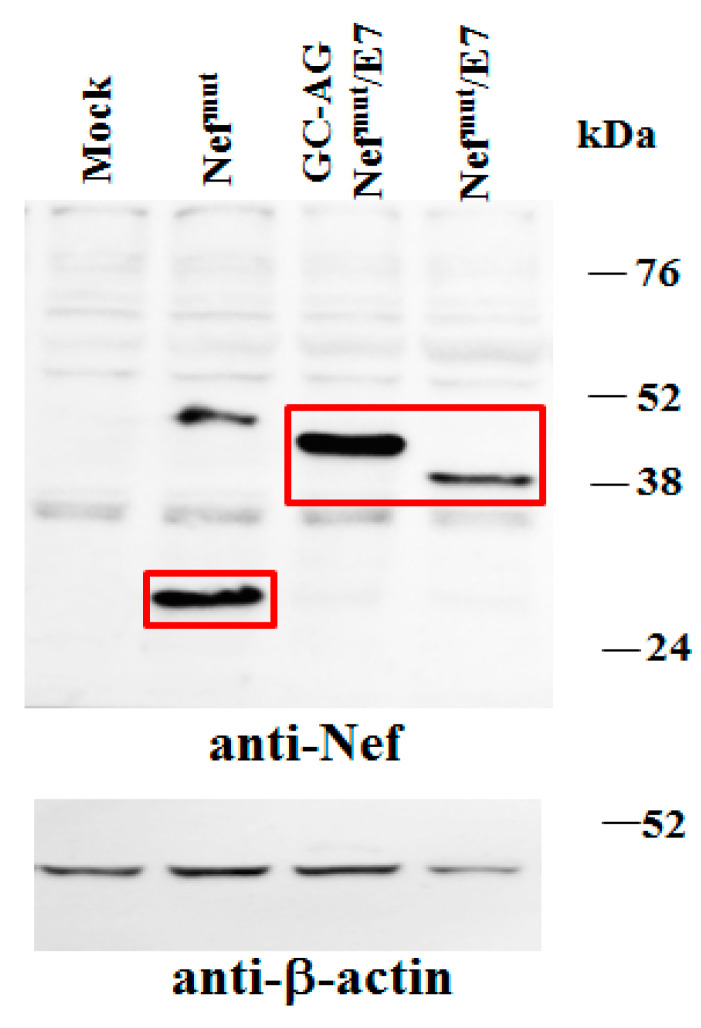
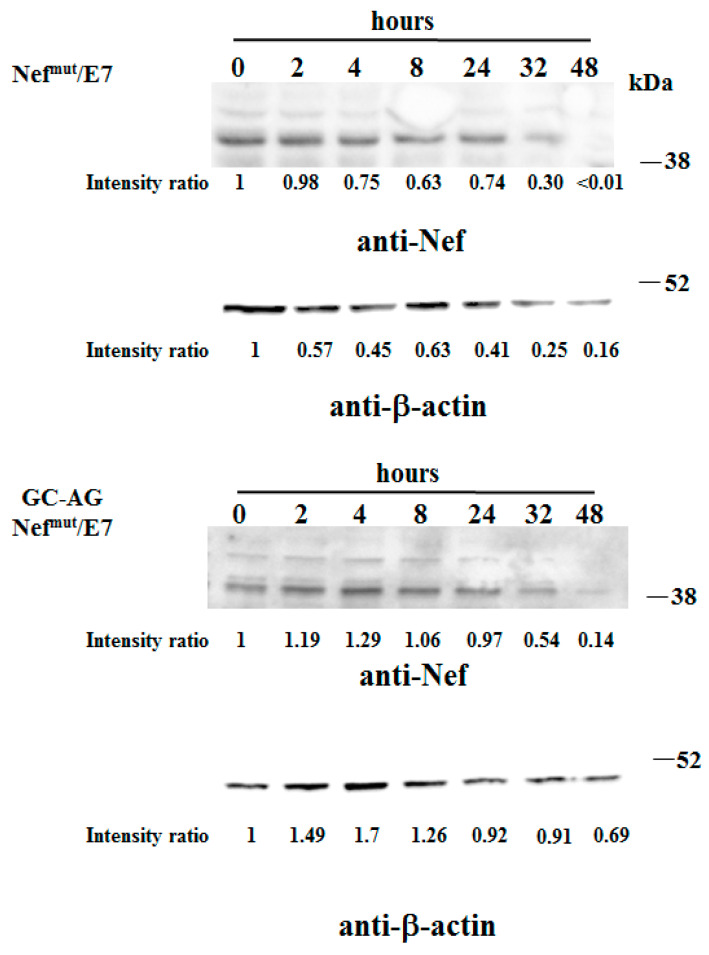
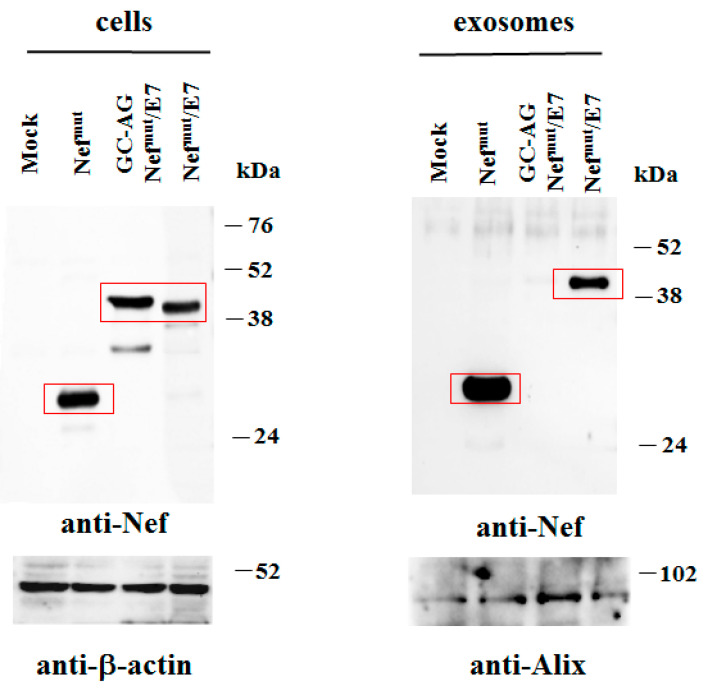
We recently described a cytotoxic CD8 T lymphocyte (CTL) vaccine platform based on the intramuscular (i.m.) injection of DNA eukaryotic vectors expressing antigens of interest fused at the C-terminus of HIV-1 Nef, i.e., a functionally defective mutant that is incorporated at quite high levels into exosomes/extracellular vesicles (EVs). This system has been proven to elicit strong CTL immunity against a plethora of both viral and tumor antigens, as well as inhibit both transplantable and orthotopic tumors in mice. However, a number of open issues remain regarding the underlying mechanism. Here we provide evidence that hindering the uploading into EVs of Nef-derived products by removing the Nef N-terminal fatty acids leads to a dramatic reduction of the downstream antigen-specific CD8 T-cell activation after i.m. injection of DNA vectors in mice. This result formally demonstrates that the generation of engineered EVs is part of the mechanism underlying the in vivo induced CD8 T-cell immunogenicity. Gaining new insights on the EV-based vaccine platform can be relevant in view of its possible translation into the clinic to counteract both chronic and acute infections as well as tumors.
我们最近描述了一种细胞毒性CD8 T淋巴细胞(CTL)疫苗平台,该平台基于肌肉注射DNA真核载体,这些载体表达与HIV-1 Nef的C末端融合的感兴趣抗原,即一种功能缺陷型突变体,它以相当高的水平掺入外泌体/细胞外囊泡(EVs)中。该系统已被证明能引发针对多种病毒和肿瘤抗原的强大CTL免疫反应,并能抑制小鼠体内的可移植肿瘤和原位肿瘤。然而,关于其潜在机制仍有许多未解决的问题。在这里,我们提供证据表明,通过去除Nef的N末端脂肪酸来阻碍Nef衍生产物上传到EVs中,会导致在小鼠肌肉注射DNA载体后,下游抗原特异性CD8 T细胞活化显著降低。这一结果正式证明,工程化EVs的产生是体内诱导CD8 T细胞免疫原性潜在机制的一部分。鉴于基于EVs的疫苗平台有可能转化为临床应用以对抗慢性和急性感染以及肿瘤,深入了解该平台具有重要意义。