Atrium Health Department of Medicine, Charlotte, NC, USA.
Atrium Health, Department of Pharmacy, Antimicrobial Support Network, Charlotte, NC, USA.
BMC Infect Dis. 2020 May 27;20(1):381. doi: 10.1186/s12879-020-05108-1.
Clinicians may be less inclined to consider a diagnosis of cryptococcal meningitis in people without HIV infection or transplant-related immunosuppression. This may lead to a delay in diagnosis particularly if disseminated cryptococcal disease mimics cerebral septic emboli in injection drug use (IDU) leading to a search for endocarditis or other infectious sources. Though, IDU has been described as a potential risk for disseminated cryptococcal disease.
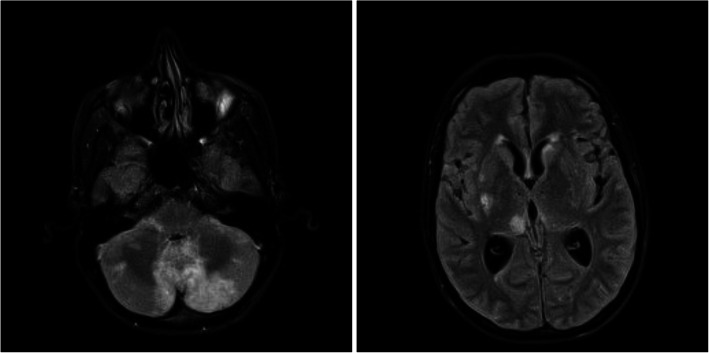
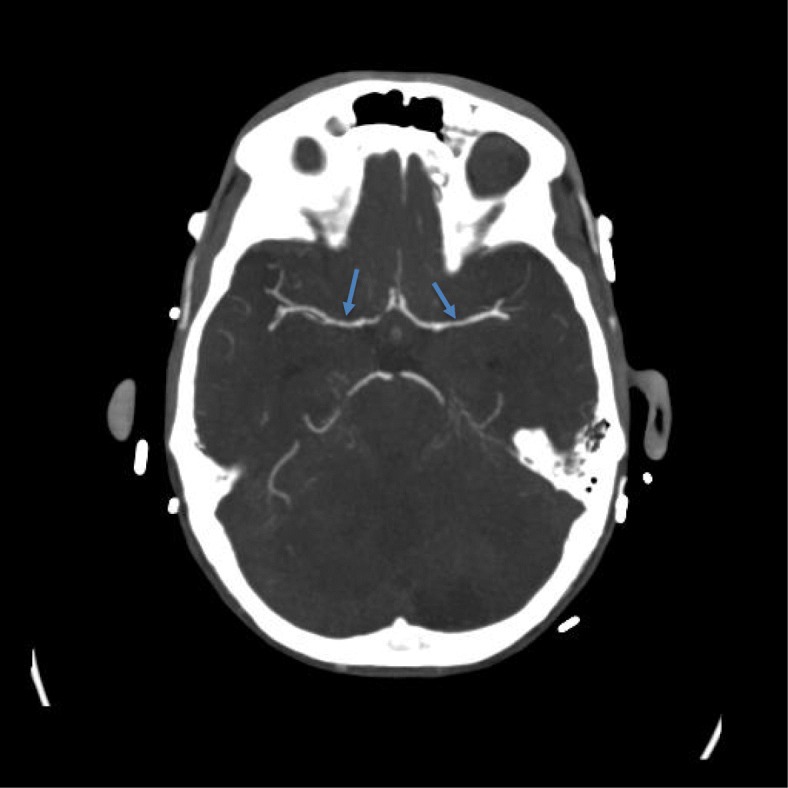
We present two cases of cryptococcal meningitis in IDU without HIV or other obvious immune deficits. Both patients presented with at least 2 weeks of headache and blurred vision. They developed central nervous system (CNS) vasculitis, one of which mimicked septic cerebral emboli, but both resulted with poor neurologic outcomes.
IDU likely induces an underappreciated immune deficit and is a risk factor for developing cryptococcal meningitis. This diagnosis, which can mimic cerebral septic emboli through involvement of a CNS vasculitis, should be considered in the setting of IDU.
临床医生可能不太倾向于考虑诊断 HIV 阴性感染或与移植相关的免疫抑制人群中的隐球菌性脑膜炎。这可能导致诊断延迟,特别是如果播散性隐球菌病类似于注射吸毒(IDU)导致寻找心内膜炎或其他感染源的脑脓毒性栓子。尽管 IDU 已被描述为播散性隐球菌病的潜在风险。
我们报告了两例 IDU 无 HIV 或其他明显免疫缺陷的隐球菌性脑膜炎患者。这两名患者均至少有 2 周的头痛和视力模糊。他们出现了中枢神经系统(CNS)血管炎,其中 1 例类似于脓毒性脑栓塞,但都导致了不良的神经结局。
IDU 可能导致被低估的免疫缺陷,是发生隐球菌性脑膜炎的危险因素。在 IDU 患者中,应考虑这种通过 CNS 血管炎引起的类似于脑脓毒性栓子的诊断。