Molecular Biology and Genetics, Biruni Universitesi, Istanbul 34010, Turkey.
Int J Mol Med. 2020 Aug;46(2):521-534. doi: 10.3892/ijmm.2020.4609. Epub 2020 May 19.
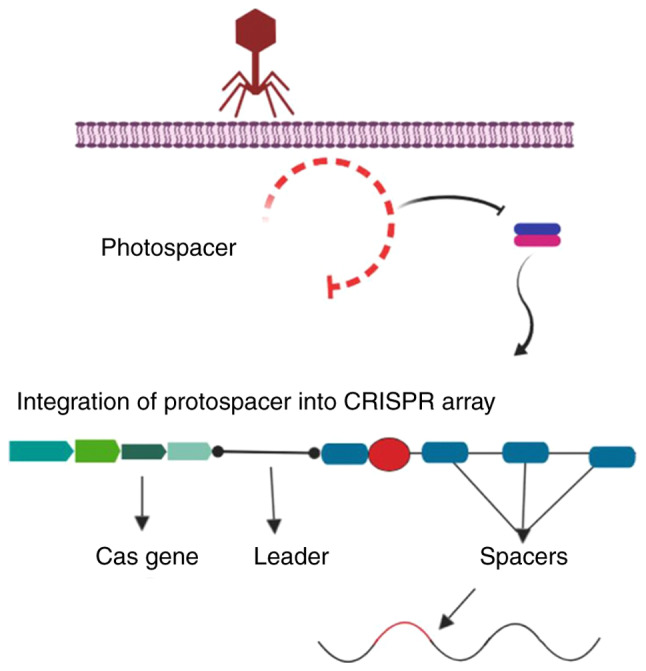
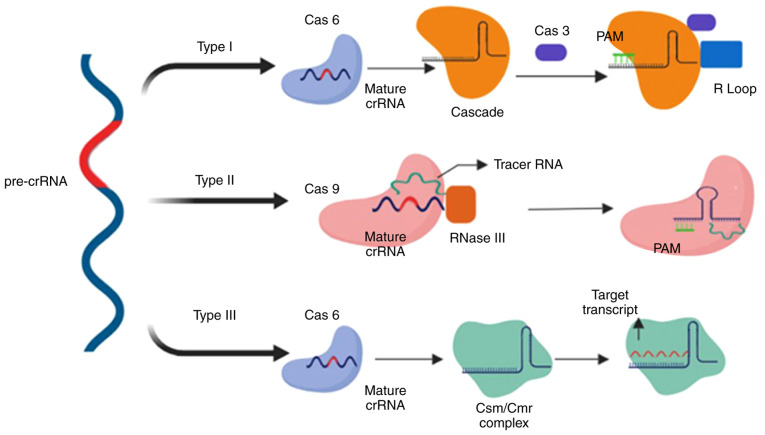
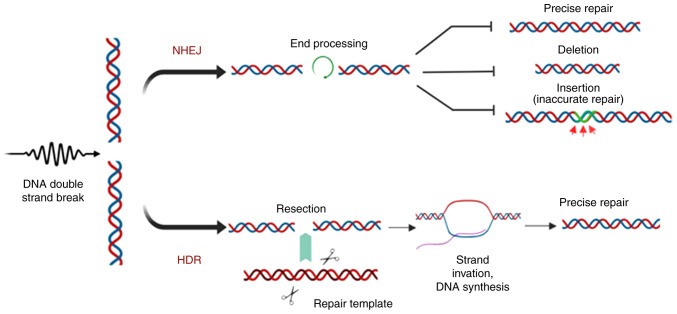
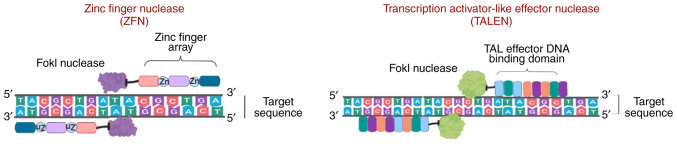
Genome editing techniques are considered to be one of the most challenging yet efficient tools for assisting therapeutic approaches. Several studies have focused on the development of novel methods to improve the efficiency of gene editing, as well as minimise their off‑target effects. Clustered regularly interspaced short palindromic repeats (CRISPR)‑associated protein (Cas9) is a tool that has revolutionised genome editing technologies. New applications of CRISPR/Cas9 in a broad range of diseases have demonstrated its efficiency and have been used in ex vivo models of somatic and pluripotent stem cells, as well as in in vivo animal models, and may eventually be used to correct defective genes. The focus of the present review was the recent applications of CRISPR/Cas9 and its contribution to the treatment of challenging human diseases, such as various types of cancer, neurodegenerative diseases and a broad spectrum of other disorders. CRISPR technology is a novel method for disease treatment, enhancing the effectiveness of drugs and improving the development of personalised medicine.
基因组编辑技术被认为是辅助治疗方法的最具挑战性但最有效的工具之一。许多研究都集中在开发新方法以提高基因编辑的效率,并最大程度地减少其脱靶效应。成簇规律间隔短回文重复序列(CRISPR)相关蛋白(Cas9)是一种彻底改变基因组编辑技术的工具。CRISPR/Cas9 在广泛的疾病中的新应用证明了其效率,并已在体外用体细胞和多能干细胞以及体内动物模型中得到应用,最终可能用于纠正缺陷基因。本综述的重点是 CRISPR/Cas9 的最新应用及其对治疗各种类型癌症、神经退行性疾病和广泛其他疾病等挑战性人类疾病的贡献。CRISPR 技术是一种治疗疾病的新方法,可提高药物的疗效并促进个性化医疗的发展。